Traditional reconciliation can replace the rule of law, nor should it be used to bypass accountability, but it means a great deal.
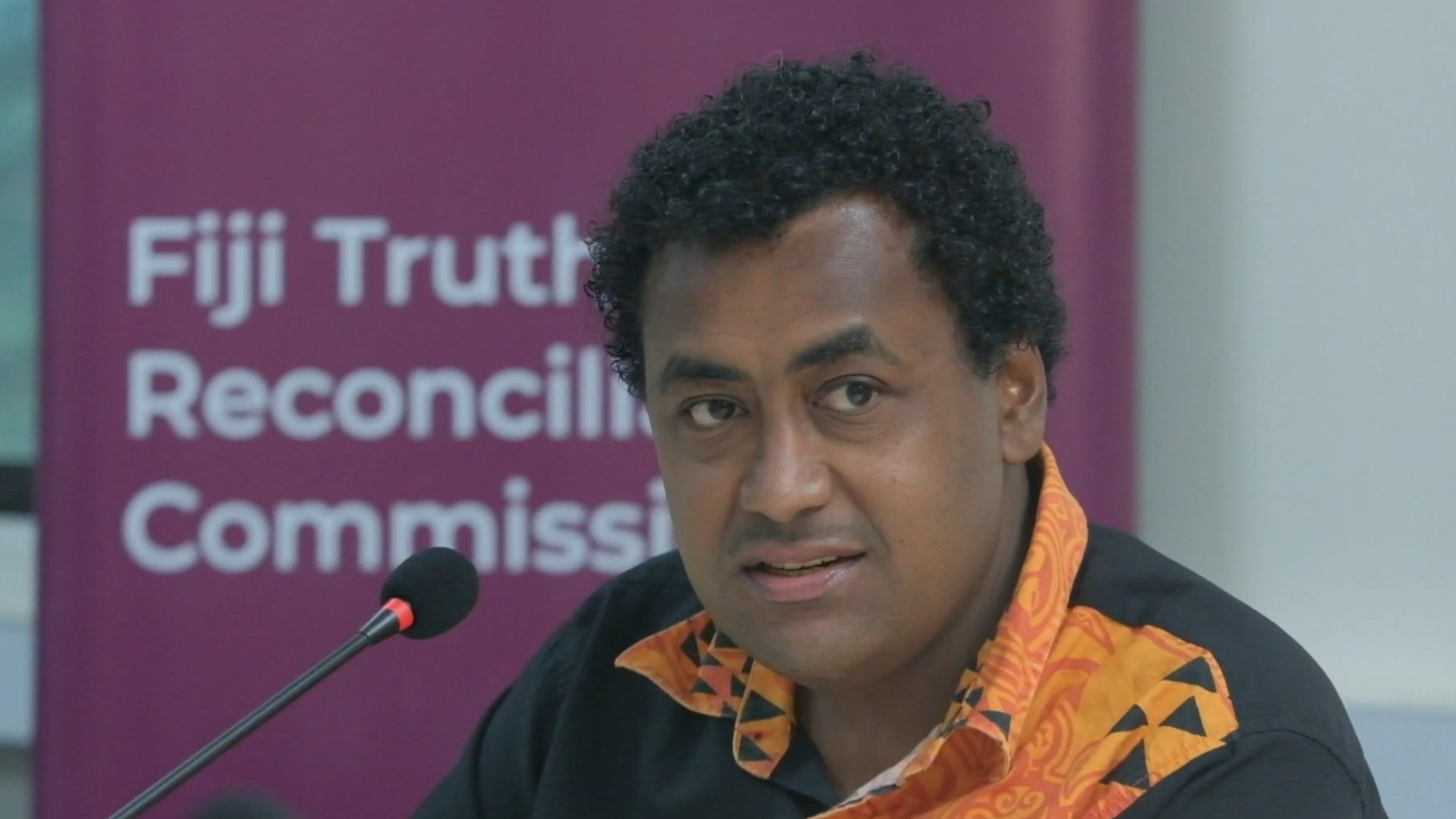
A youth advocate and survivor of abuse during Fiji’s 2006 political upheaval, Peter Waqavonovono shared this during a hearing of the Fiji Truth and Reconciliation Commission.
Waqavonovono says nearly two decades after 2006 coup, former senior military officers Ratu Tevita Uluilakeba Mara and Pita Driti apologised to him and other victims during a private matanigasau or traditional reconciliation ceremony held in November 2025.
The advocate says their forgiveness meant something, even to those who did not have to seek it, because constitutionally they are forgiven, it showed him that his culture is alive, and that the immunity clause that protects perpetrators does not help them spiritually or psychologically.
He described the moment as deeply emotional, saying he no longer saw the men through their military ranks, but through cultural and family connections.
He stressed that traditional reconciliation is important in iTaukei culture but should never replace justice or accountability under the law.
Waqavonovono recalls being unlawfully taken to the military barracks in Suva on Christmas Eve in 2006, where he claims he was assaulted, threatened and intimidated while in custody.
He told the Commission that before the coup he was known in his community as someone who would not remain silent in the face of injustice.
Waqavonovono says he was arrested, placed on travel bans and blacklisted from national and regional events, while also facing brutality at the hands of military officers.
He says despite the trauma and abuse, he chose forgiveness over hatred.
Waqavonovono adds that the experiences left long-term physical, emotional and psychological impacts, including pain, nightmares, anxiety, depression and social withdrawal.