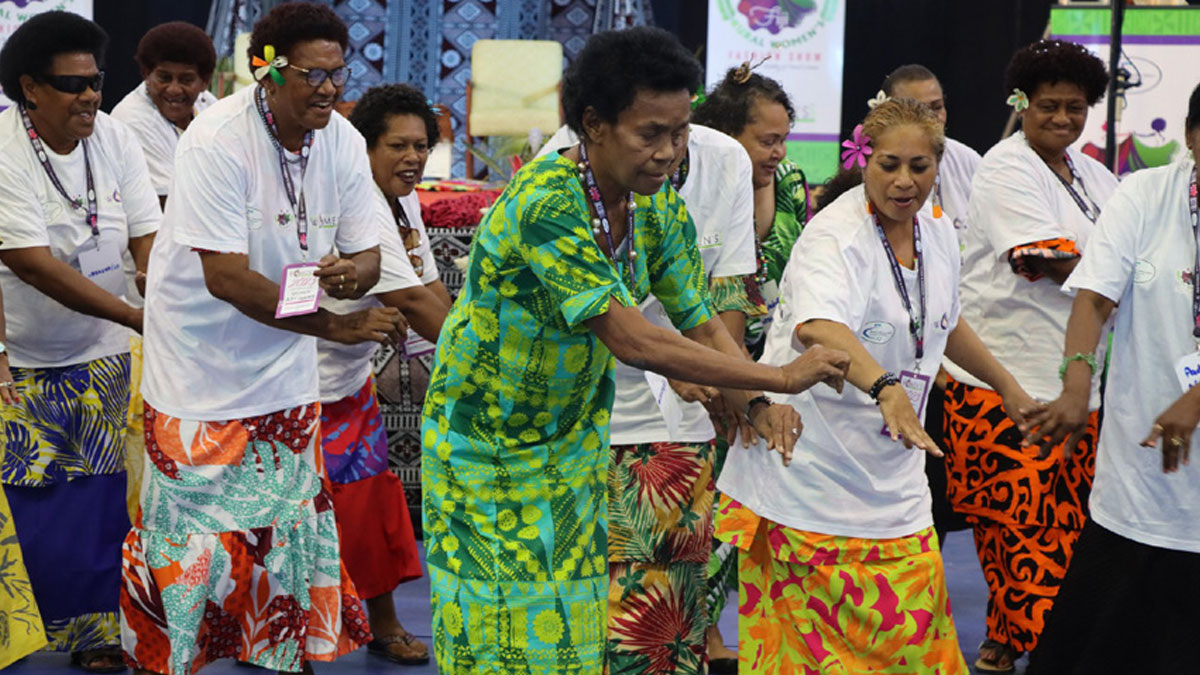
It is about time to talk about peri-menopause, menopause and post-menopause and how it affects the women in this country as a Fiji Women’s Rights Movement report has highlighted that 80 percent of the women in Fiji strongly agree that increasing awareness on menopause can help women understand the menopause process, gain more knowledge, and learn how, where, and when to seek help.
Many women have been suffering in silence, with family members not understanding what the women are going through.
Many even end up getting ridiculed or attacked leading to issues like gender based violence.
According to the report titled The ‘M’ Word : Ending The Silence – Fijian Women’s Perceptions and Experiences Journey To and During Menopause, the most common symptoms impacting women who took part in this all-important FWRM survey included hot flushes, change in period (irregular or heavy bleeding), mood swings, fatigue, disturbed sleep and poor concentration.
According to research, every woman goes through menopause, and the symptoms normally start in the mid-40s.
Menopause is when a woman's reproductive years come to an end, and the lead-up to this is known as peri-menopause, which usually starts when women are in their mid 40s.
The hormone levels change during menopause - most significantly oestrogen, which controls the menstrual cycle and contributes to a number of other bodily processes.
A BBC Health Report states that as women age, the ovaries produce fewer eggs, oestrogen levels fluctuate and then gradually reduce, and this leads to menopausal symptoms.
The brain, periods, skin, muscles and emotions are all affected by falling levels of oestrogen.
Falling oestrogen production can also have a long-term effect on the bones and heart.
Women can have some, all or none of the common symptoms - and for varied lengths of time.
These include heavy or irregular bleeding, hot flushes, night sweats, low mood, vaginal dryness, bladder problems, poor memory and concentration, usually called brain fog, is also often mentioned, as are painful joints and dry skin.
The symptoms last for an average of seven years, with one in three women experiencing them for even longer.
The respondents in Fiji were asked if they had sought any form or medical treatments or alternative ways to alleviate menopausal symptoms and a large number (46 percent) stated they have not, while others stated they used herbal medicine and made lifestyle adjustments.
The survey asked respondents how they perceived cultural and societal beliefs and attitudes surrounding menopause.
From the four options that were provided, most respondents answered that either they had mixed or varied feelings about their perceptions or they had not noticed any specific attitudes or beliefs on the basis that there is a stigma or taboo around discussing issues such as menopause.
Around 50 percent of respondents stated that lack of open discussions, taboo and insufficient education and awareness on menopause are some common societal barriers present in Fiji.
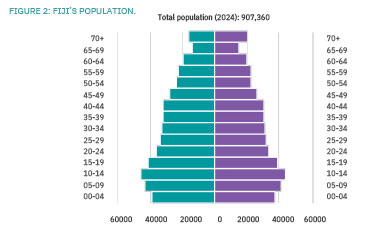
Fiji’s total population stands at 907,360 with women making up almost half of the population (49.3 percent).
82 percent of respondents in the survey agreed that a workplace menopause policy is something an employer should provide.
66 percent did not speak to their employer about adjustments that could have been made to support women going through menopause.
25 percent of the respondents stated that there has been somewhat negative impact on their well-being and quality of life during menopause.
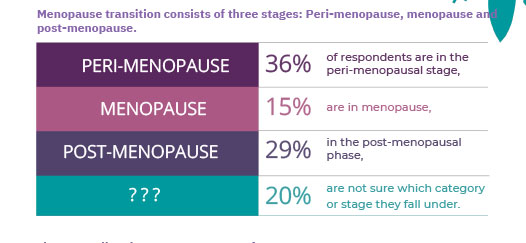
From the people surveyed, 56 percent of the women are in the peri-menopausal stage, 15 percent in menopause, 29 percent in the post-menopausal phase while 20 percent are not sure which category or phase they fall under.
According to the Literature Review in the FWRM report, there is only one research thesis in Fiji undertaken by Dr Theresa Yee Chief in 2001 as part of her Masters in Family Medicine at the Faculty of Medicine in Monash University that examines knowledge, attitude, beliefs and practices about menopause applying and analyzing a cross-sectional survey.
Her thesis titled “A Survey of Knowledge, Attitude, Beliefs and Practices of the Menopause in Fiji Women” focuses on this issue in the context of a private family medicine clinic in Fiji to explore where there are differences in attitudes, beliefs, knowledge and practices in 3 ethics groups : Indigenous Fijian, Indo-Fijian and Part-European ethnic origins.
The key findings of Dr Yee Chief’s research showed that the menopause experience for women in these ethnic groups are very similar despite ethnic and cultural differences.
It also indicated that women in Fiji suffered from few menopause related symptoms and they favoured the use of non-drug methods to relieve these symptoms.
All 3 groups of women do not prefer to use hormone replacement therapy (HRT) nor were they well-informed about the use of HRT.
Twenty three years later, the FWRM research builds on this groundbreaking evidence based research by Dr Yee Chief by studying the perceptions and attitudes of women experiencing perimenopause and menopause between the ages of 40 to 60.
The women who took part in the research were drawn primarily from the two urban centres in the Central and Western division.
Stay with us for more on the FWRM report.

Stay tuned for the latest news on our radio stations