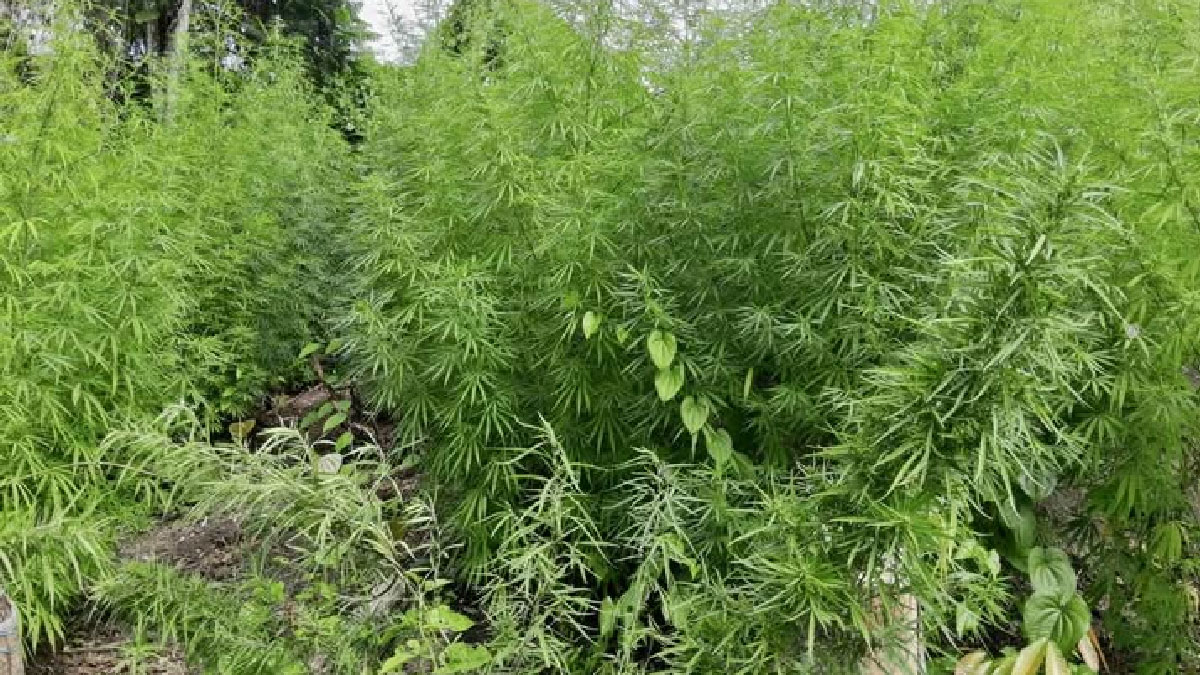
If 45,000 cannabis plants were uprooted in Kadavu then it clearly means that these farmers had a market for a conservative estimate of 2.5 tonnes of product. And we know that we are not currently exporting cannabis! The obvious then is that, if we take into account all other raids happening throughout Fiji, the fact is Fiji clearly is already a recreational cannabis smoking nation!
This explains the optimistic approach for the continued farming of cannabis – its not just because there are no easier and legal alternatives provided for making money, but it is because the farmers know they have a local market which caters to the easiest and fastest way out of poverty. And that is the bottom line why our Fiji Police Force and Vanua cannot control the production of locally-grown cannabis. And that is also the reason our farmers are willing to take the risk and brave the consequences of the current penalties which deprive them of a more comfortable and less burdensome lifestyle.
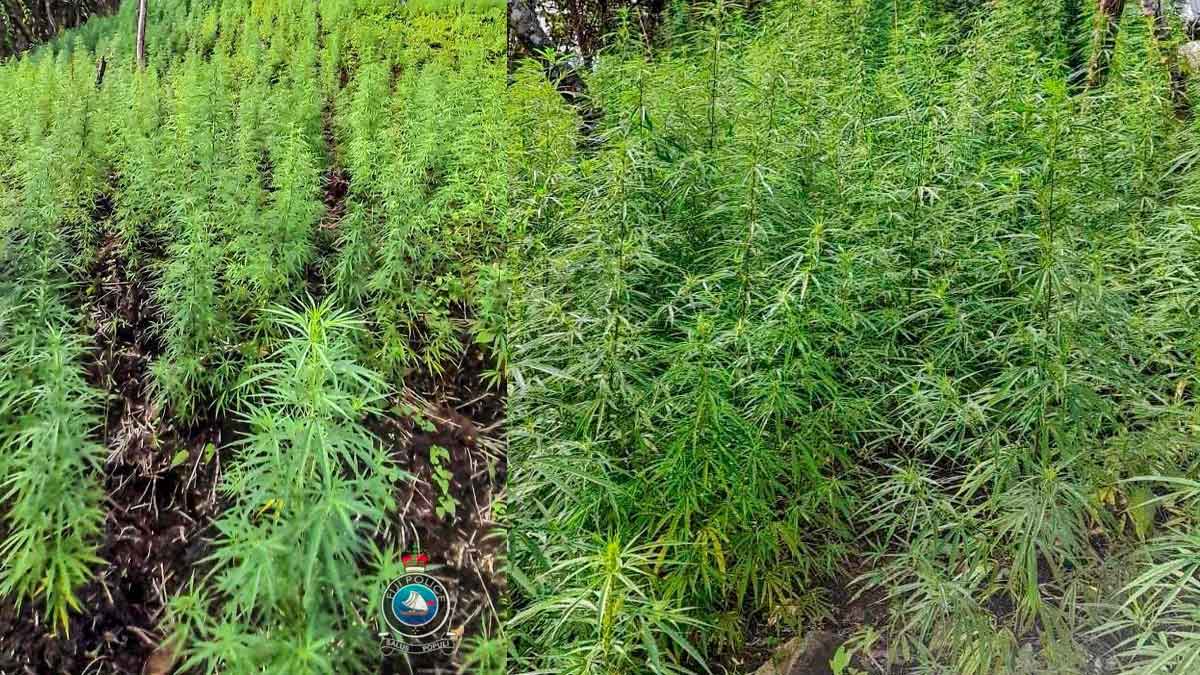
Cannabis or "Indian hemp" was likely introduced to Fiji following the 1879 introduction of Indian workers under the Indentured Labour Scheme. It was "Ordinance No. 21" which prohibited the "importation of Indian hemp, or any product or preparation therefrom, including gunjah, bhang, chavas, or any article which in the opinion of the Chief Medical Officer of the Colony at the time, was capable of substitution thereof."
Unfortunately, I am unable to supply a date at this time of when Ordinance 21 was written which would provide a rough date of when cannabis first became illegal.
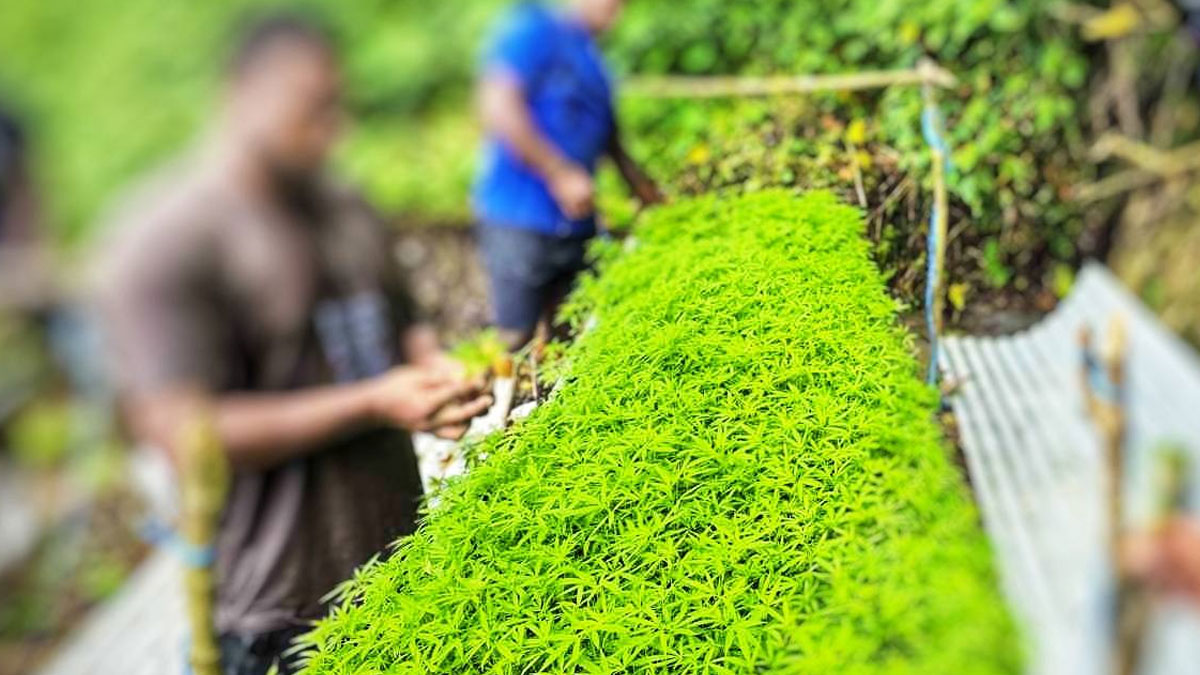
For context, marijuana is currently a Schedule 1 illegal drug in Fiji, according to the Illicit Drugs Control Act of 2004 while cannabis possession and consumption carries a mandatory three-month prison sentence for any amount up to 100 grams.
I now have a theory that Fiji is at a climax point where the development of a Cannabis Policy is well-founded and supported by current developments. Here is my logical analysis to the reason for the development of a Cannabis Policy:
Current State: The Contradiction Is Real
Fiji faces a fundamental contradiction. The Cabinet approved the drafting of a medicinal cannabis legislation and a feasibility study in late 2024 while it simultaneously maintained a mandatory three-month prison sentence for any cannabis possession up to 100 grams.
Cannabis vs. Alcohol: The Harm Comparison
Evidence strongly supports the relative harms in the comparison between cannabis which is illegal and alcohol which is legal as:
Cannabis Impact in Fiji: Hospital admissions showed more for patients with marijuana issues compared to alcohol, but this statistic requires context - it may reflect enforcement patterns rather than actual harm levels.
Global Research Context: When it comes to harm to others, alcohol is considered to cause the most damage, and scientific evidence overwhelmingly indicates that cannabis is substantially less harmful than alcohol and should be treated as a social and public health issue rather than criminal.
The Medical Cannabis Paradox
The legal inconsistency is crucial:
· A policy framework was approved in 2024 to explore medical cannabis for export only
· Fiji approved industrial hemp cultivation in 2022 (under 1% THC)
· Yet possession of any cannabis variety remains criminally punishable
This creates an untenable situation where the government will essentially be farming what it criminalizes citizens for possessing.
Logical Conclusion
Based on the evidence, Fiji appears to be following a path toward pragmatic reform rather than continued prohibition:
1. Economic Reality: The government recognizes cannabis's economic potential through medical export and industrial hemp programs
2. Enforcement Futility: As noted by policy analysts, "legalisation" need not mean recreational free-for-all use. Fiji could legalize for medicinal and hemp production while maintaining restrictions and controls on recreational use
3. Social Justice: The current system creates disproportionate family separation and imprisonment for a substance less harmful than legal alcohol
4. International Trends: Fiji is watching regional and global movements toward decriminalization and medical legalization
The logical path forward appears to be graduated legalization:
· Medical cannabis (already being considered)
· Industrial hemp (already approved)
· Decriminalization of personal use (logical next step)
· Regulated recreational market (longer-term possibility)
The obvious is Fiji cannot continue the current contradictory approach. The nation will likely need to choose a more coherent policy framework that acknowledges both the plant's legitimate uses and the failure of current prohibition policies.
Fiji needs to recognise that selective legalization (medical/industrial) of cannabis, while maintaining criminal penalties for the same plant, creates an unsustainable legal and social framework.
The time and money taken to travel, stay, get to farms, uproot cannabis plants and constrain the judicial system, may be better spent uprooting the production and supply chain of the extremely harmful hard drugs in Fiji for which has been now declared a national crisis!
We need to decide now – are we for or against and what is the best and safest and most economical way out!
Its not like we have the dollars to throw around!
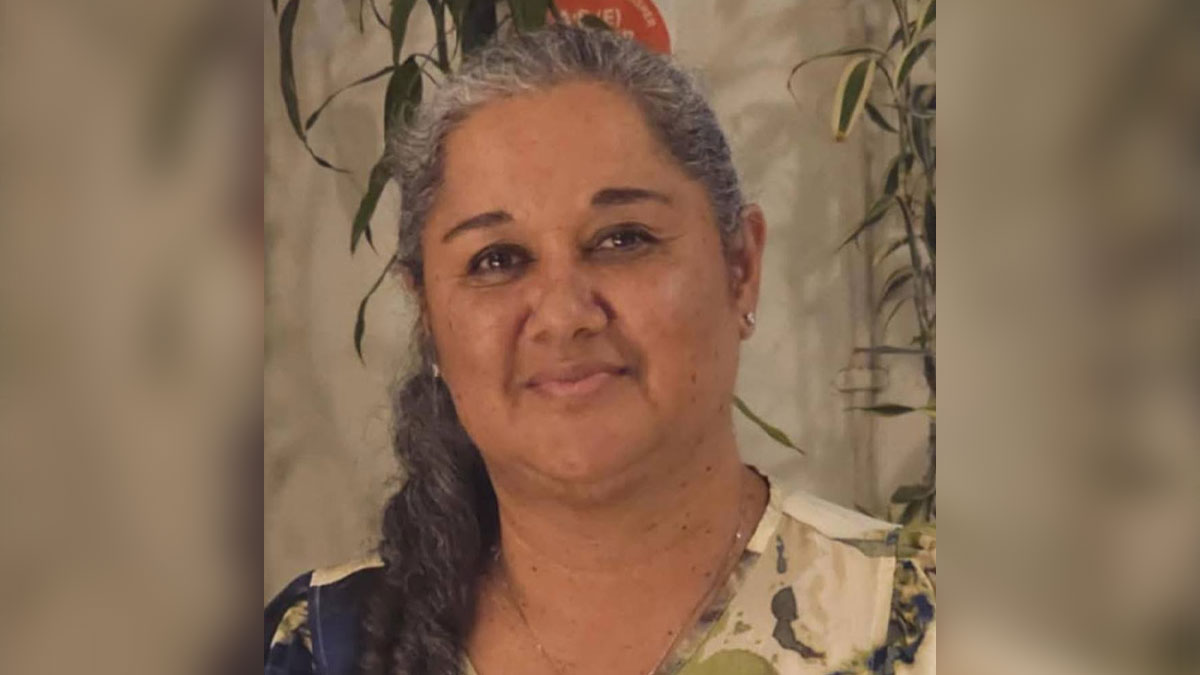
Noleen Billings
P.O. Box 93
Savusavu M: 904-2269
E: billingsnoleen@gmail.com
For more Yellow Bucket opinion pieces click: HERE
Opinion Note
Long time fijivillage users may remember the Yellow Bucket opinion column that ran in the years leading up to the 2006 coup. Well following the repeal of the MIDA Act we are delighted to announce that YB is back!
The Yellow Bucket is something of a Communications Fiji Ltd institution…. Yes it exists…. A real Yellow Bucket that the CFL team and visitors gather around after work to drink grog and discuss the day. Legend has it that every Fiji Prime Minister has at some stage enjoyed a bilo from the bucket.
The YB column ran from 2003 to early 2007 when it was shut down under extreme pressure from the military government. Later the MIDA Act specifically forbade any use of nom de plums or pseudonyms requiring every published article to have a named author.
So why the pseudonym. The YB column was and will continue to be a product of group thinking and discussion, so it would be impossible and a little unfair to attribute it to a single author.
It will continue to provide fact-based opinion offering context to the complex and constantly unfolding story, that is our home Fiji. We stress, FACT BASED…. No rush to judgement here ….. Our aim will be to run weekly but that could change depending on the situation.

Stay tuned for the latest news on our radio stations