Assistant Minister for Multi Ethnic Affairs, Shalen Kumar says while Fiji has made strong progress in restoring media freedom, the challenge now is ensuring that this freedom is used responsibly, especially in today’s fast-changing digital environment.

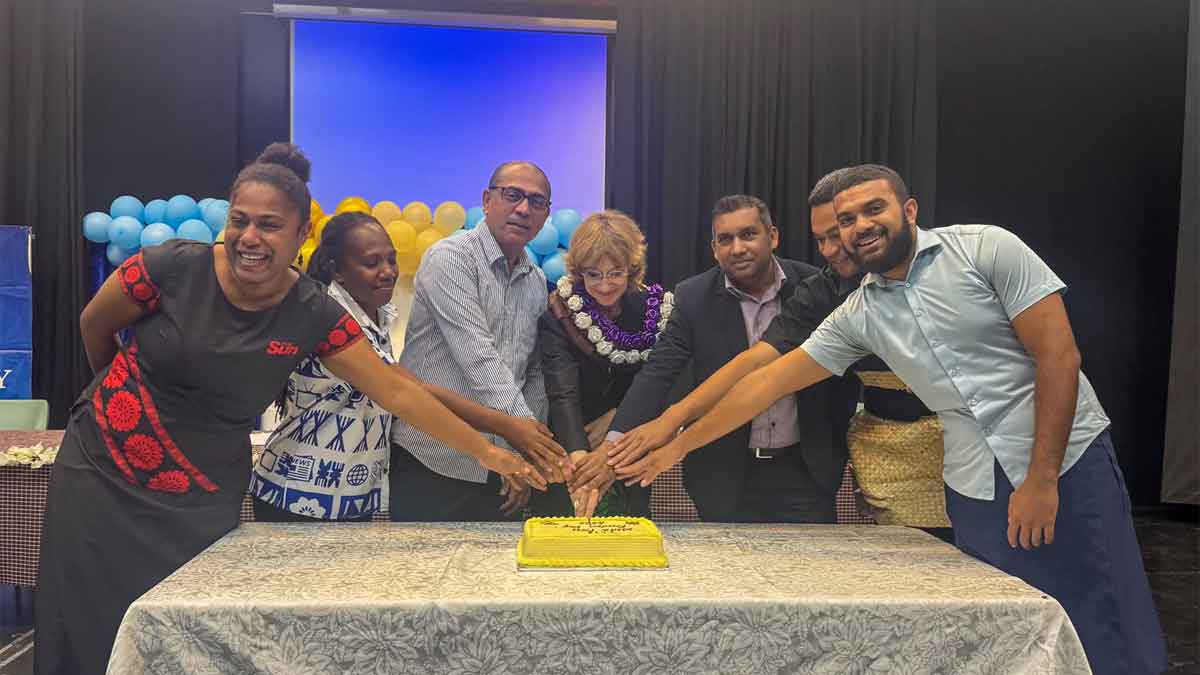
Speaking at the World Press Freedom Day 2026 celebrations at the University of the South Pacific, Kumar highlighted that a free and independent media remains a cornerstone of democracy.
He acknowledged that Fiji’s media landscape has not always been easy, pointing to past restrictions under the Media Industry Development Act, which he says created fear and limited investigative journalism.
However, Kumar stresses that those days are now over, with the Government removing restrictive laws and creating a more open environment.
Kumar says this has led to a more vibrant media space, including the rise of citizen journalism, but warns that new challenges are emerging.
He says social media, while expanding access to information and public participation, has also brought issues such as misinformation, hate speech and manipulation of public opinion.
According to Kumar, in a multi-ethnic society like Fiji, these issues pose serious risks, as they can undermine trust, fuel division and weaken social cohesion.
He emphasised that media freedom must go hand in hand with responsibility, noting that journalists must strike a balance between being watchdogs that hold power to account and peacemakers who promote understanding.
Kumar says this balance is critical for Fiji, where unity and respect are essential for national development.
He also paid tribute to journalists both locally and globally who have risked and in some cases lost their lives in pursuit of truth, reminding everyone that press freedom comes at a cost.
Meanwhile, human rights advocate Heike Alefsen says the media must not only report on events but also play a dual role as both a watchdog and a peacemaker, especially in today’s increasingly unstable global environment.

Speaking at the event, Alefsen stressed that journalists cannot remain neutral observers in the face of human rights violations and conflict.
She says while the media has a responsibility to hold power to account, it cannot carry this burden alone, highlighting the need for governments, laws and society to create an enabling environment that supports freedom of expression, access to information and diversity of voices.
Alefsen pointed out that globally, democracy and human rights are under increasing pressure, with conflicts in regions such as the Gaza Strip, Sudan, Yemen and Myanmar contributing to rising violence and suffering.
She revealed that hundreds of journalists have been killed in recent years, including nearly 300 in the Gaza conflict alone, warning that each attack on a journalist weakens society’s ability to seek truth and accountability.

Closer to home, Alefsen acknowledged progress in Fiji, particularly the repeal of the Media Industry Development Act, which she says has helped to create a more open environment for independent journalism.
However, she cautioned that legal reforms must continue, noting that some laws—such as provisions under the Crimes Act and Online Safety Act—could still impact press freedom and lead to self-censorship.
Alefsen also highlighted misinformation and disinformation as among the biggest threats to democracy today, saying false information can spread rapidly through social media and fuel division, mistrust and even violence.
She referenced cases in the Pacific, including unrest in the Solomon Islands and Papua New Guinea, where misinformation contributed to instability.
Alefsen says the changing media landscape, where information is increasingly driven by social media platforms and influencers rather than traditional journalists, poses serious risks to social cohesion.
She adds that when people rely on fragmented or biased information sources, it can deepen divisions instead of promoting understanding.
Both Kumar and Alefsen are now calling for stronger collaboration between governments, media organisations, digital platforms and the public to ensure responsible information sharing, protect journalists and uphold human rights.
They are also urging media professionals to prioritise accuracy, ethics and truth.