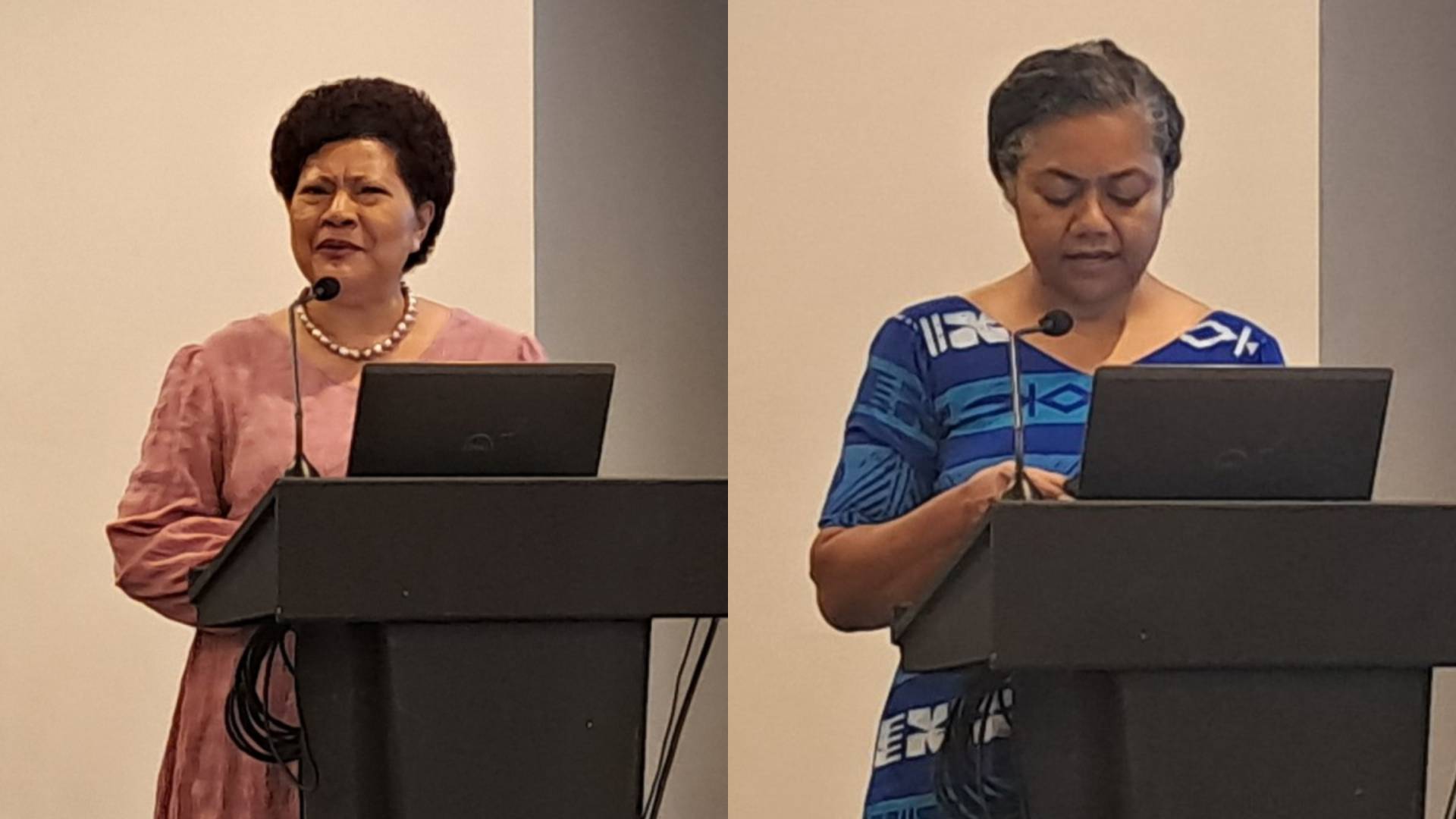
This is an urgent plea by the Permanent Secretary for Information, Eseta Nadakuitavuki who is urging journalists to prioritise accuracy over speed, warning that the pressure to be first must never come at the cost of truth as Fiji confronts rising misinformation and disinformation.
Speaking at the opening of a AAP fact-checking workshop in Suva, Nadakuitavuki stresses that “it is far better to be right than to be first”, highlighting the media’s critical role in maintaining public trust, particularly ahead of the upcoming general elections.
The workshop, organised by the Australian Associated Press (AAP) Fact Check team and held at the Novotel in Lami, brought together journalists from across Fiji’s media organisations to strengthen their ability to identify and counter false information.
Nadakuitavuki says the rapid rise of digital platforms and artificial intelligence has transformed how information is shared, but has also made it easier for misleading content to spread at an unprecedented pace.
She emphasised that facts remain the foundation of a healthy society and democratic media, comparing them to essential sustenance, but warned that this foundation is increasingly under strain in the digital era.
The Permanent Secretary also raised concerns about misleading and sometimes confidential content circulating on social media, noting that greater vigilance is required from both government and the media.
With elections approaching, Nadakuitavuki cautioned that misinformation, disinformation and malinformation typically intensify during such periods, increasing the risk of public confusion and erosion of trust.
She is also calling for professionalism in online engagement, noting that public discourse has in some instances shifted from constructive criticism to personal attacks and distortion of facts.
She says the Ministry is working with partners, including the Australian Government and AAP to strengthen their fact-checking capacity, with 50 government communication and policy officers set to participate in a dedicated training session.
Fijian Media Association President, Rosi Doviverata echoed the Permanent Secretary's concerns, describing misinformation as a daily challenge for journalists operating in fast-paced and often under-resourced newsrooms.
Doviverata says information now travels at speed and scale, and often journalists find themselves fighting fire on a daily basis.
She acknowledges the pressure journalists face to meet audience demands but stressed that “accuracy, ethics and responsibility remain non-negotiable”.
She warns that misinformation and disinformation, particularly online, undermine public trust, social cohesion and democratic debate across Fiji and the wider Pacific.
The workshop aims to equip journalists with practical tools to understand how disinformation operates, how audiences can be manipulated, and how to verify both traditional and AI-generated content.
Meanwhile, participants will also explore the responsible use of artificial intelligence in journalism, including identifying risks and opportunities associated with emerging technologies.
Doviverata highlighted the importance of regional partnerships in strengthening media resilience, acknowledging the continued support of the Australian Government through initiatives such as the Pacific Media Assistance Scheme.
She is encouraging participants to take the knowledge gained back to their newsrooms and share it with colleagues to strengthen the overall standard of reporting.