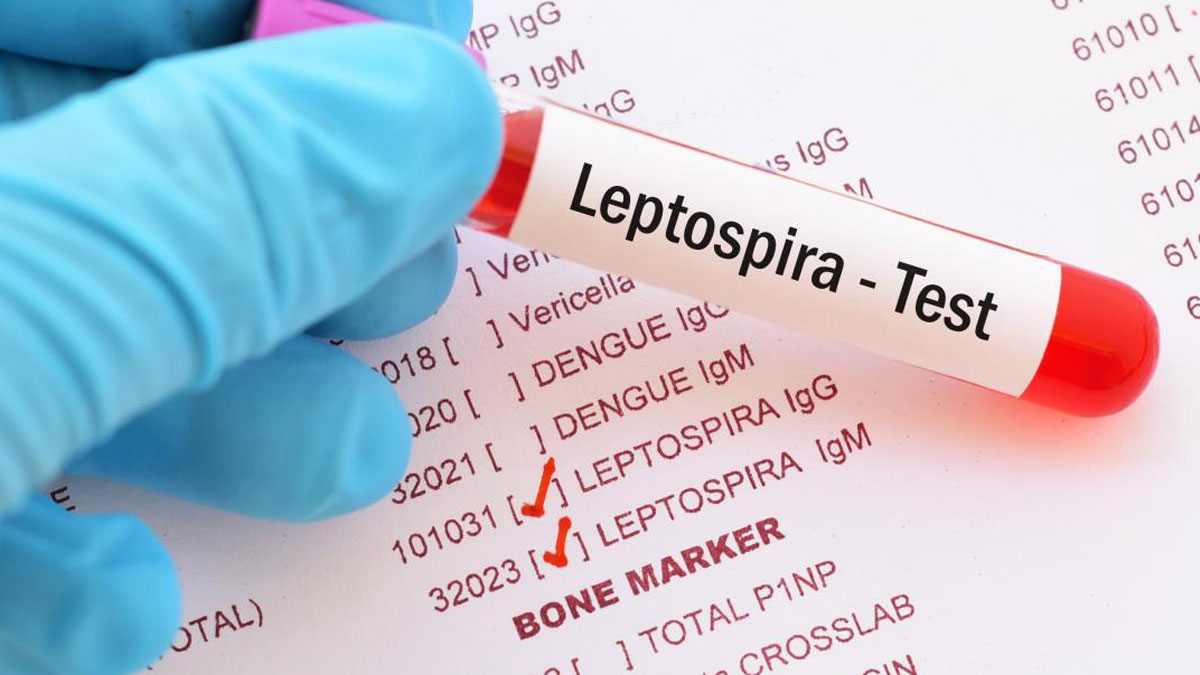
Two people have passed away due leptospirosis in the Northern Division as the Health Ministry is urging the public to take immediate precautionary measures.
The Ministry says that although current leptospirosis case reports may be low, it is still a deadly disease and therefore there is a need for public awareness and prevention measures.
They say the recent deaths highlight the ongoing risk, especially after periods of heavy rain and flooding and with these weather conditions more cases are to be expected.
The Ministry says leptospirosis is preventable and treatable if detected early and everyone should take precautions seriously and seek medical care immediately if unwell.
Leptospirosis is a bacterial disease that affects humans and animals.
Leptospirosis spreads through the urine of infected animals and can contaminate water, soil, or food, infecting humans through cuts, skin or mucous membranes.
If untreated, it can cause severe complications such as kidney damage, meningitis, liver failure and even death.
The Ministry says while in other parts of the world leptospirosis is mostly seen in people who work on farms, or work closely with animals, in Fiji leptospirosis is also a more common infection seen in rural and urban areas.
They say with increases in severe weather events due to climate change, leptospirosis is becoming even more prevalent than in the past.
The Ministry says anyone can get leptospirosis if they are exposed to the urine of infected animals, but in Fiji the disease is most commonly seen in people between the age of adolescence to 45, as this is the age group more likely to be active outdoors, for example swimming in rivers or wading in muddy areas.
They say in Fiji, the rainy season also increases the risk of leptospirosis, due to higher rainfall, which increases the risk of contaminated animal urine washing into waterways and mud/soil.
In humans, leptospirosis can cause a wide range of symptoms which usually appear 2 days to 4 weeks after exposure, including high fever, headache, chills, muscle aches, vomiting, jaundice (yellow skin and eyes), red eyes, abdominal pain, diarrhoea and rash.
The Health Ministry says many of these symptoms can be mistaken for other diseases and some infected persons may have no symptoms at all.
The illness often comes in two phases, where patients may briefly recover before becoming severely ill again with coughing up blood, jaundice, meningitis or kidney and liver failure, known as Weil’s disease. Severe cases can last weeks to months and may be fatal without treatment.
Risk can be reduced by avoiding contaminated water, keeping food protected from animals such as rats, and wearing protective clothing and footwear when working outdoors or around animals.
People should never swim or wade in potentially dirty or contaminated water sources.
Leptospirosis is treated with antibiotics, which work best when given early.
Severe cases may require intravenous treatment and hospital intensive care.
Anyone showing these symptoms should seek urgent medical attention.

Stay tuned for the latest news on our radio stations