We will not have any devaluations and public comments of this nature should be made carefully and responsibly.
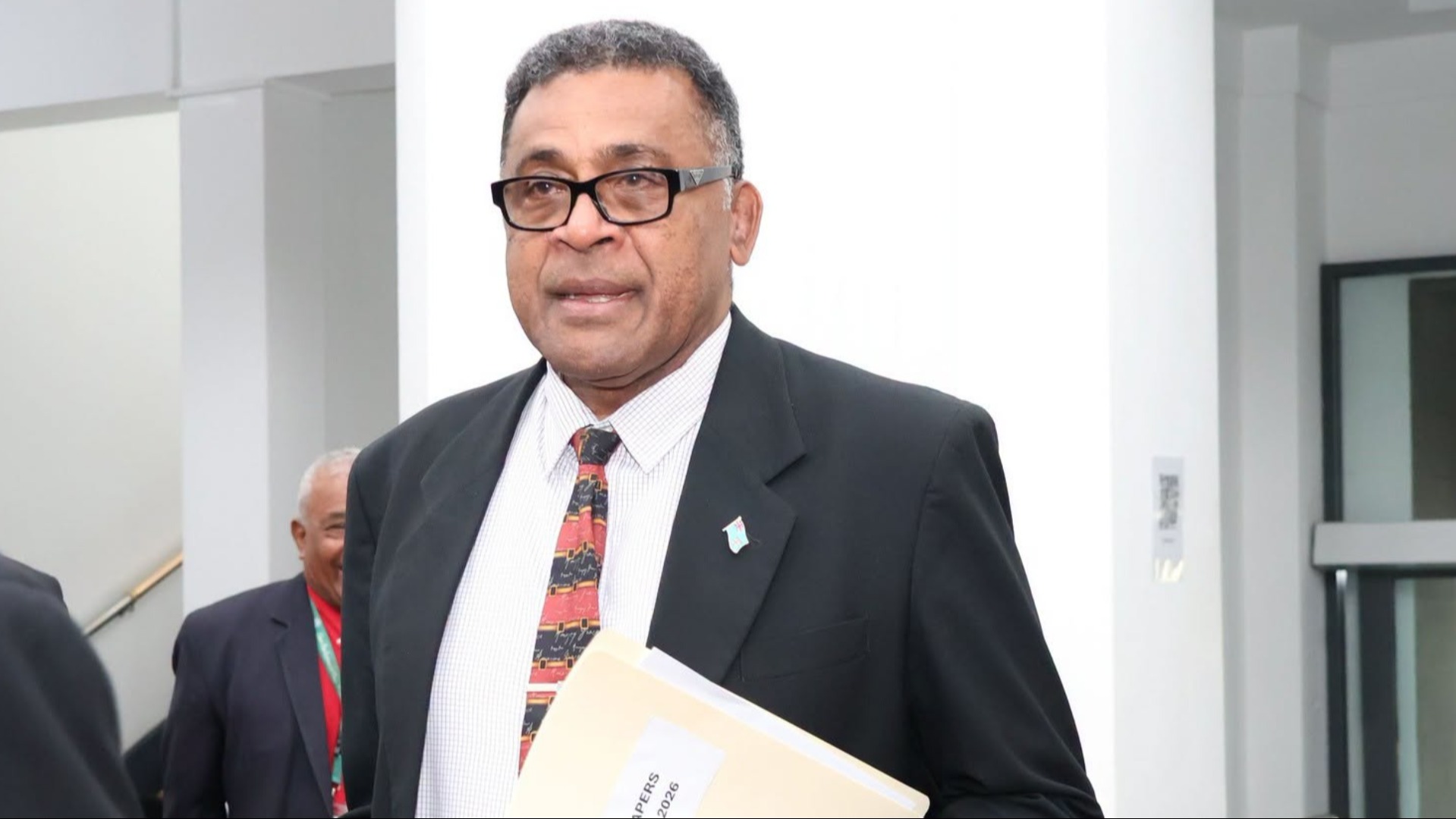
This has been highlighted by Minister for Finance Esrom Immanuel in his right of reply during the debate on 2026-2027 National Budget.
While responding to Leader of Opposition Inia Seruiratu's comments on the possibility of the Fiji dollar being devalued, Immanuel stresses speculation regarding exchange rate adjustments can unnecessarily create uncertainty for businesses, investors and financial markets.
The Minister says these matters should always be guided by careful economic analysis rather than political commentary.
He explains that given the current high level of foreign reserves, there is no possibility of a devaluation in the horizon.
Immanuel says it is easy to stand outside Government and call for a lower deficit and suggest politically convenient measures like reducing Cabinet size and salaries which will just save us a few million, but this Government made a conscious decision and chose to protect the people while continuing the path of fiscal consolidation.
Immanuel says several commentators have suggested that Government should have reduced the fiscal deficit much more aggressively.
He has questioned how the Opposition would cut government spending, asking whether it would reduce public servant salaries, social welfare, support for sugarcane farmers, abolished the $200 Back-to-School Assistance, reduce scholarships, or funding for hospitals, schools and policing.
The Minister also asks whether they would delay General Election or the Constitutional Referendum, or instead raise taxes such as VAT, income tax, corporate tax or customs duties or impose VAT on zero-rated basic food items.
Immanuel says these are not theoretical questions but are the real policy choices confronting every Minister for Finance.
He stresses it is much harder to explain which services should be reduced, which taxes should be increased or which families should receive less support.
The Minister has also rejected suggestions that the Government is not doing enough to reduce its own expenditure before asking the nation to make sacrifices.
Immanuel explain the government has already taken significant steps to reduce its own spending, including cutting operational costs, official travel, workshops, communications, and funding for vacant positions.
He also says recruitment has been limited to essential roles, grants have been reviewed, and Ministers and MPs continue to take salary cuts, showing the government is leading by example before asking others to make sacrifices.
Immanuel also agreed with Seruiratu regarding delays in implementing capital projects.
He highlights that many of their major infrastructure projects are currently completing feasibility studies, engineering designs, procurement processes and financing arrangements.
The Minister says these are large and technically complex investments and requires proper preparation before construction begins.
He says as these projects move into full implementation over the coming years, capital expenditure will increase significantly.
Immanuel agreed with Seruiratu that project implementation must improve and adds that That is why they continue strengthening project management across Government and why implementation performance forms an important part of accountability for heads of ministries and agencies.
Immanuel further agrees that Fiji must maintain a credible medium-term fiscal strategy and strengthen public financial management.
He says the government is implementing reforms, including a Functional Review, improving procurement systems, strengthening project implementation and gradually rebuilding fiscal buffers.
Immanuel also says the government aims to steadily reduce public debt while continuing to support economic growth.
Immanuel says the government agrees the civil service should be more efficient, which is why a Functional Review is underway to build a modern, productive public service rather than simply reducing staff numbers.
He also agrees on the need to support private sector growth, highlighting the establishment of the Investment Facilitation Taskforce, ongoing reviews of investment processes and better coordination across government agencies to improve the investment climate.
Immanuel says the government agrees the civil service should be more efficient, which is why a Functional Review is underway to build a modern, productive public service rather than simply reducing staff numbers.
He also agrees on the need to support private sector growth, highlighting the establishment of the Investment Facilitation Taskforce, ongoing reviews of investment processes and better coordination across government agencies to improve the investment climate.
Immanuel adds the Government has chosen realism over optimism for optimism’s sake and if global economic conditions improve, then growth will improve.