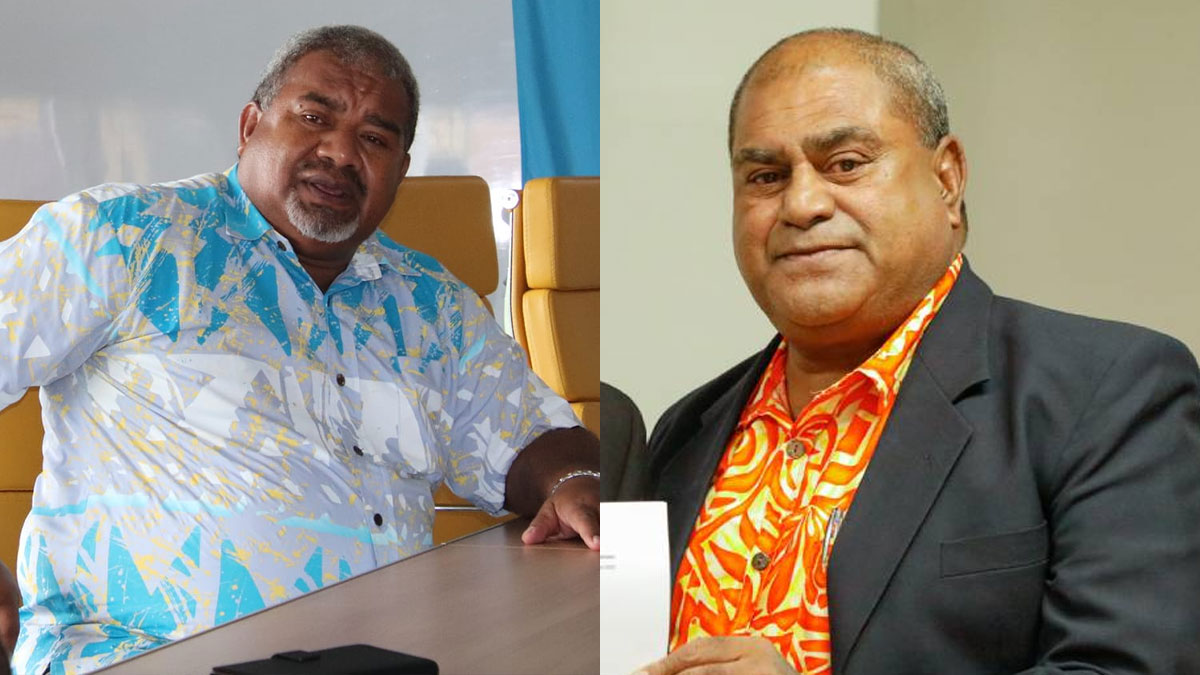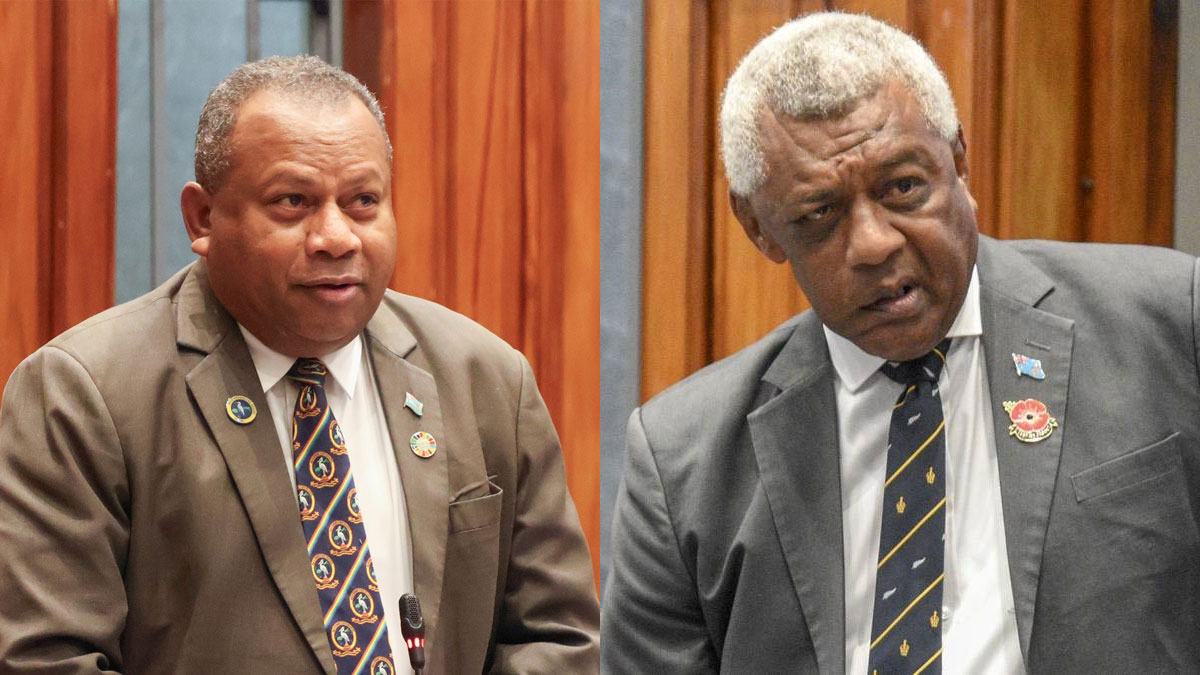
Leader of Opposition Inia Seruiratu says the Republic of Fiji Military Forces have presented their matilingasau to the Great Council of Chiefs but the question remains who are the figures behind the 1987, 2000 and 2006 coups, because the Truth and Reconciliation Commission is currently meditating, concentrating on the victims and the reconciliation process rather than the truth telling.
Seruiratu says this internal reconciliation process is duly acknowledged and conveyed his appreciation to the Commander of the RFMF and it comes at a critical time in their history and democratic journey.
The Opposition Leader says the Minister has raised that never again should anyone use the RFMF for political advantage and the question that Seruiratu raised then with the committee is will you be involved in the national reconciliation process.
He is urging the government and the RFMF personnel and also the civillians who have been released from prison, if they can participate in the truth telling, because if they do not address this issue now, when will we address it.
While delivering the ministerial statement, Minister for Defence, Pio Tikoduadua highlighted that the reconciliation process undertaken by the RFMF is entirely internal to the institution and reflects its decision to examine its history, its internal culture, and the consequences of its past actions on different communities across Fiji.
Tikoduadua says the RFMF has acknowledged that the Indo-Fijian community experienced substantial and lasting consequences arising from the events of 1987 and 2000 and these consequences extended beyond immediate disruptions.
He says many Indo-Fijian families faced prolonged uncertainty about their safety, their livelihoods, and their long-term place in the country, some relocated overseas, while others remained but carried an ongoing sense of insecurity that influenced family decisions, employment choices, and community relationships.
The Minister says this work is necessary for the RFMF to operate with consistency, discipline, and accuracy in its understanding of its constitutional responsibilities at the centre of this effort are structured internal consultations involving former and current personnel, families and individuals affected by the events of 1987, 2000 and 2006.
Tikoduadua says these conversations have provided the RFMF with direct accounts of harm, disruption, and long-term impacts experienced by different groups and this process assists the institution to identify areas where internal systems must be improved and where historical assumptions require correction.
He says the institution has accepted that any credible reconciliation process must engage these realities directly and also understands that approaching the Indo-Fijian community requires a method that is practical, respectful, and sustained.
Tikoduadua further says the RFMF is therefore considering a structured approach that balances cultural sensitivity with practical engagement, this includes identifying appropriate community representatives, consulting individuals who lived through the period, and documenting their accounts in a manner that accurately reflects the range of experiences that occurred.
He says while the matanigasau does not resolve all historical issues, it demonstrates the institution’s willingness to confront its past openly and to engage respectfully with national institutions affected by its actions.
He adds that this internal reconciliation process is not designed to reinterpret history, it is a factual assessment intended to ensure that future decisions are based on accurate understanding rather than inherited assumptions.

Stay tuned for the latest news on our radio stations