Societal barriers, taboos, and insufficient education on menopause emerge as common challenges in Fiji according to the new report on the urgent action needed to assist our women regarding menopause.
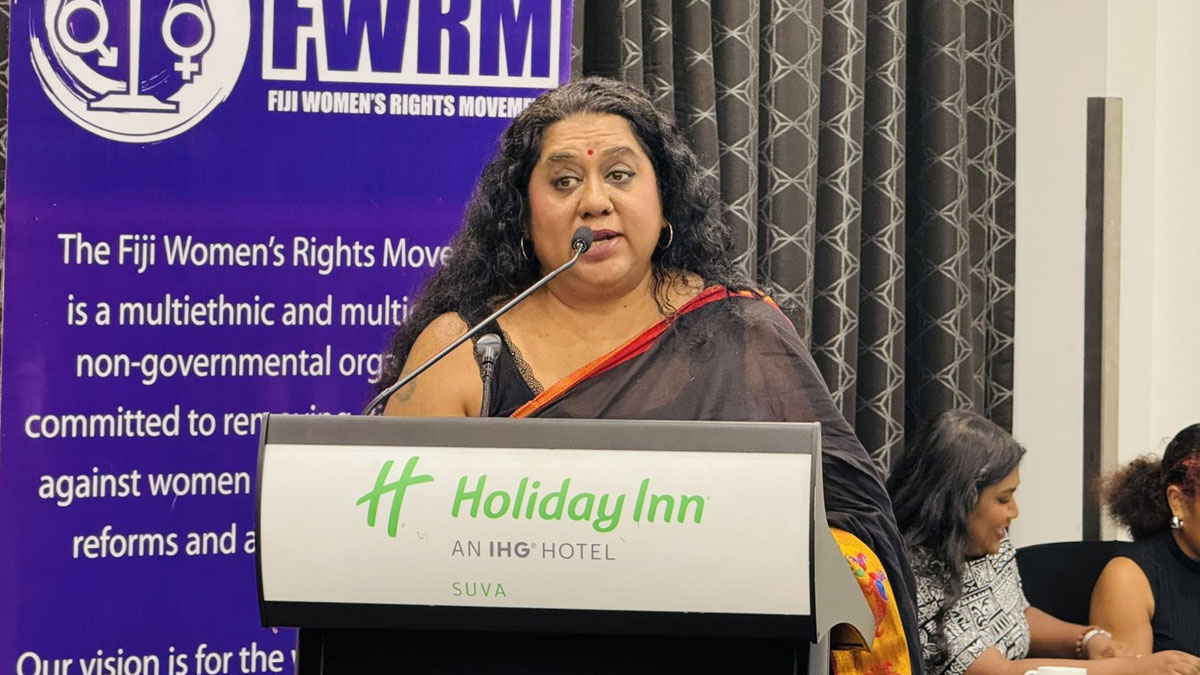
The report titled The ‘M’ Word : Ending The Silence – Fijian Women’s Perceptions and Experiences Journey To and During Menopause, reveals a lack of open conversations in households about menopause, highlighting the crucial role of family support.
The report states that prioritizing the Sexual Reproductive Health and Rights of older women during menopause in Fiji is a multifaceted undertaking that requires collaboration between health-care providers, policymakers, and communities.
It says that by fostering understanding, offering accessible health-care, and respecting cultural nuances, Fiji can promote the well-being of older women during this transitional phase of menopause.
Many women have been suffering in silence, with family members not understanding what the women are going through.
Many even end up getting ridiculed or attacked leading to issues like gender based violence.
According to research, every woman goes through menopause, and the symptoms normally start in the mid-40s.
Menopause is when a woman's reproductive years come to an end, and the lead-up to this is known as peri-menopause, which usually starts when women are in their mid 40s.
The hormone levels change during menopause - most significantly oestrogen, which controls the menstrual cycle and contributes to a number of other bodily processes.
A BBC Health Report states that as women age, the ovaries produce fewer eggs, oestrogen levels fluctuate and then gradually reduce, and this leads to menopausal symptoms.
The brain, periods, skin, muscles and emotions are all affected by falling levels of oestrogen.
Falling oestrogen production can also have a long-term effect on the bones and heart.
Women can have some, all or none of the common symptoms - and for varied lengths of time.
These include heavy or irregular bleeding, hot flushes, night sweats, low mood, vaginal dryness, bladder problems, poor memory and concentration, usually called brain fog, is also often mentioned, as are painful joints and dry skin.
The symptoms last for an average of seven years, with one in three women experiencing them for even longer.
The FWRM report states that empowering women through knowledge and support not only enhances their individual health but also contributes to the broader goal of building a society that upholds the rights and dignity of women as they age.
The findings also show that a majority of respondents support the idea of workplace menopause policies, underlining the need for such provisions.
The respondents overwhelmingly agree that increasing awareness in the workplace can empower women with knowledge about the menopausal process.
The findings from the focus group discussions reflect clearly that women lack awareness and information on menopause, there is stigma and discrimination associated to education on this issue and Sexual and Reproductive Health and Rights services are not tailored to women’s needs.
It has also been highlighted that Fiji still grapples with high levels of gender based violence and persistent poverty.
There continues to be a lack of state reporting on many of the international and regional frameworks and policies in Fiji, especially concerning older women, which tend to reflect critical data and policy gaps.
The report states that the limited data and research on menopause in Fiji and the Pacific, surfaced in the literature review, indicates the need for more comprehensive information on menopause.
Overall, the findings of the research also correlate to declarations made by organisations such as the WHO and UNFPA that menopause is an emerging issue and just like menstruation represents a time of increased vulnerability to social exclusion and neglect by health systems.
Stay with us for more.

Stay tuned for the latest news on our radio stations