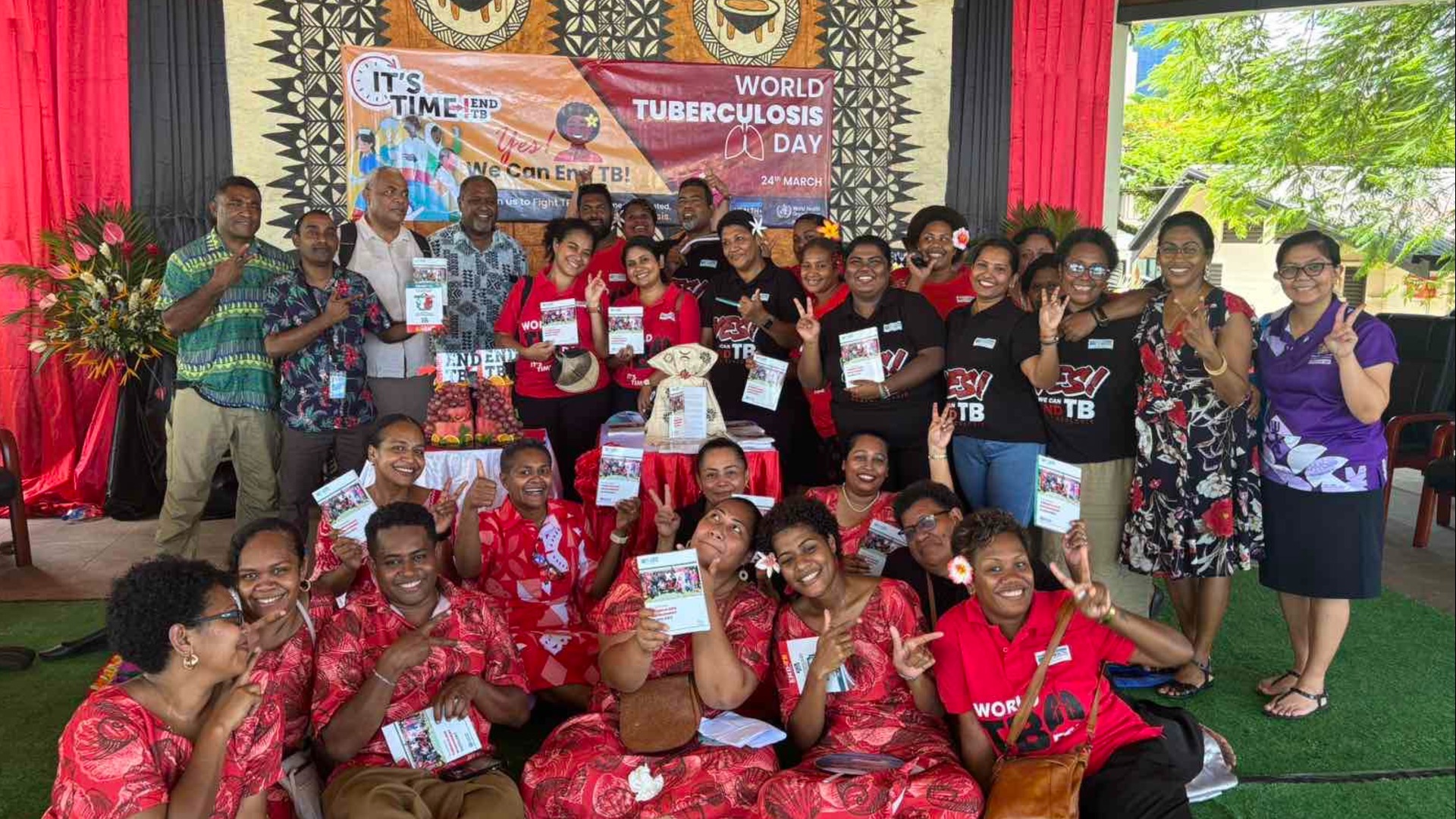
A total of 640 tuberculosis cases were recorded in Fiji in 2025, highlighting ongoing transmission within communities and reinforcing the urgent need for stronger national action.
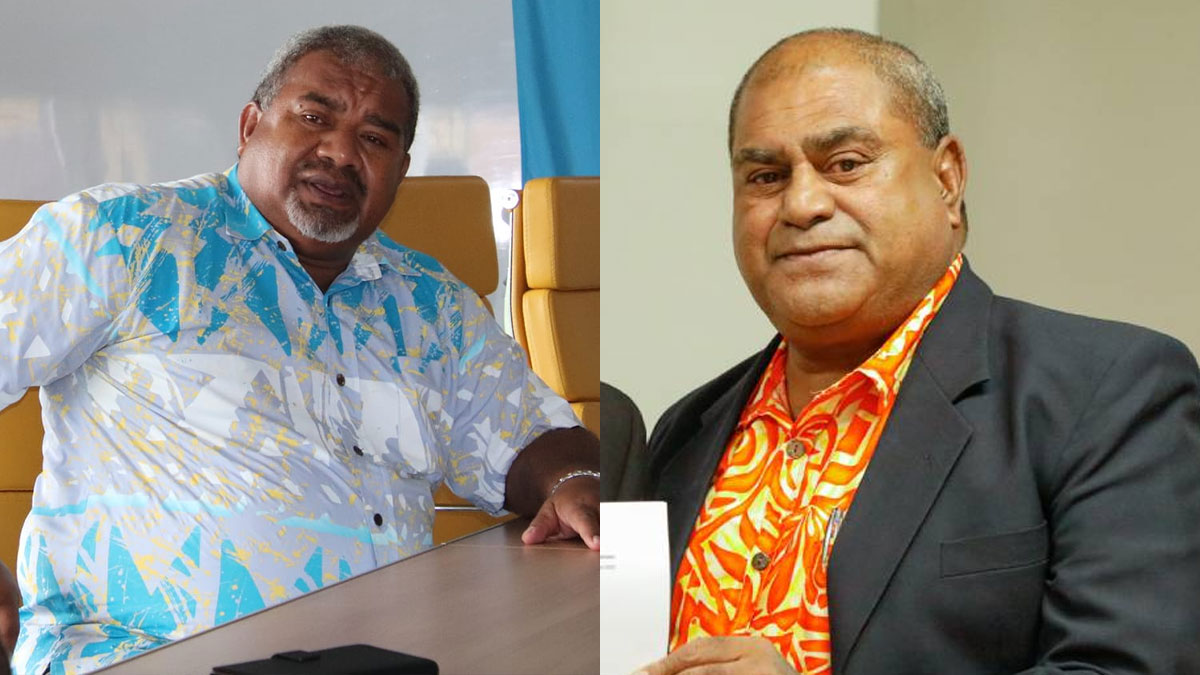
While officiating at the World TB Day celebrations held at the Ratu Sukuna Park in Suva, Assistant Minister for Health, Penioni Ravunawa stressed that tuberculosis remains a serious public health concern.
He says that this year’s global theme “Yes! We Can End TB” is not merely a slogan; it is a powerful call to action and to act together.
He says that it reminds us that we already have the tools, the knowledge, and the partnerships needed to eliminate tuberculosis in Fiji, and what is required now is sustained national commitment and urgent, coordinated action.
Ravunawa revealed that children under 15 account for about 8 percent of reported cases, an important indicator of continued community spread.
He highlighted a rise in TB-related deaths, with mortality reaching 10.2 per 100,000 population in 2024, which is the highest ever recorded for the national TB programme, compared to 7.2 per 100,000 in 2023.
He also raised concern over the increasing overlap between tuberculosis and HIV, with co-infection rates rising significantly from 7 percent in 2022 to 41 percent in 2025, including cases among children.
He stressed that this trend underscores the urgent need to better integrate TB and HIV services to ensure coordinated, patient-centred and comprehensive care.
Ravunawa says that despite ongoing efforts, Fiji’s TB treatment success rate remains around 59 percent, well below the global target of over 90 percent.
He says key challenges include delayed diagnosis, loss to follow-up, late presentation with severe disease, and limited access to diagnostic services in remote and maritime areas.
Ravunawa also launched the Fiji National TB Management Guidelines – 5th Edition (2025), describing it as a major milestone in strengthening the country’s response.
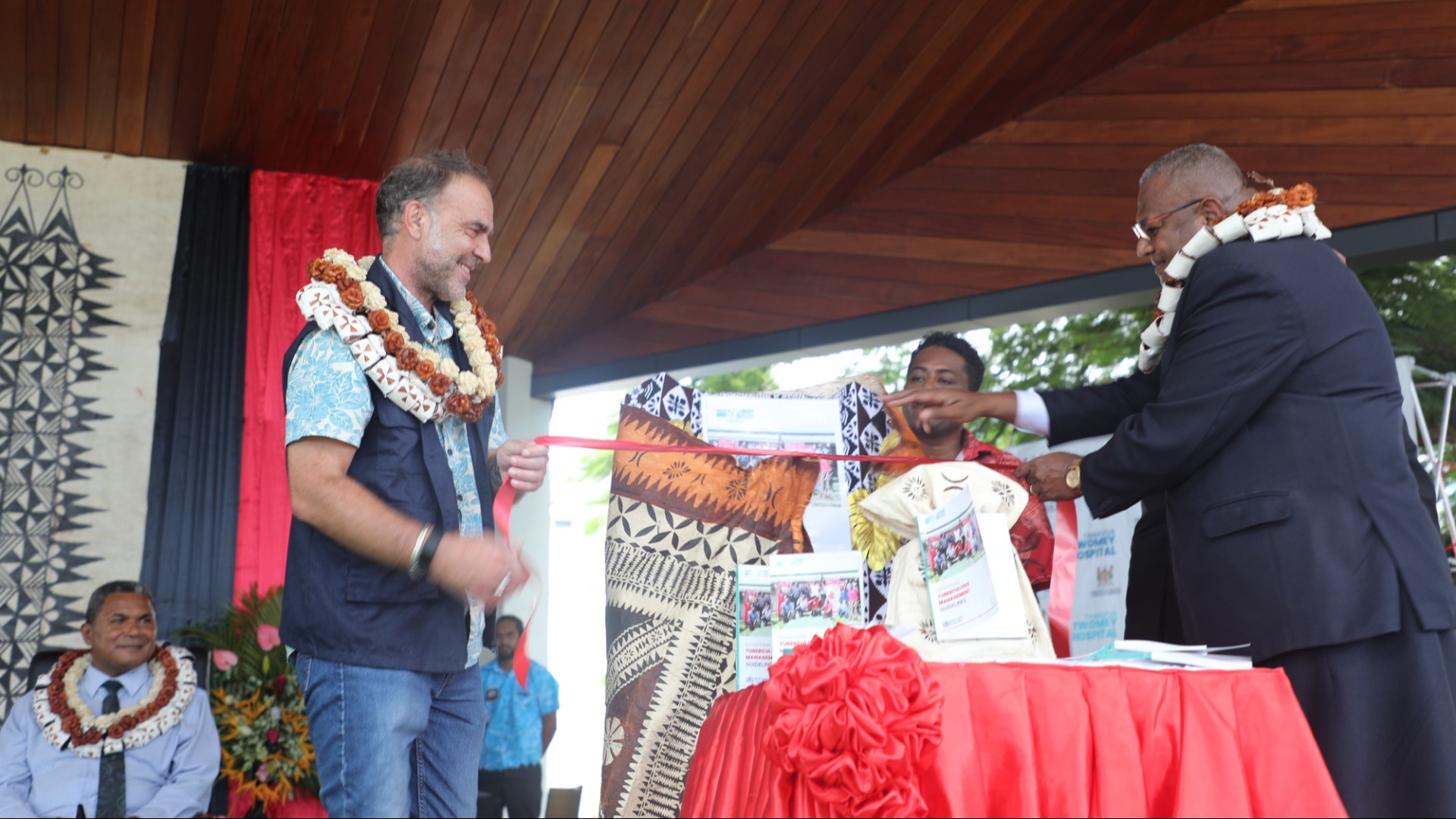
He says the updated guidelines aim to standardise high-quality TB services nationwide, align Fiji with global best practices and World Health Organization recommendations, and provide clear, evidence-based guidance for healthcare workers.
He also acknowledged the technical support of the World Health Organization in reviewing and updating the guidelines, saying the partnership reflects a shared commitment to achieving a TB-free Fiji by 2035.
Ravunawa emphasised that ending tuberculosis requires a whole-of-society approach, involving government agencies, development partners, civil society, faith-based organisations, healthcare workers and communities.
He also acknowledged the continued support of partners including the United Nations Development Programme and the Global Fund.
He says tuberculosis is preventable, treatable and curable, but requires strong political will, sustained investment, integrated public health strategies and increased community awareness.
Ravunawa stressed that tuberculosis does not exist in isolation, pointing to its links with HIV and non-communicable diseases such as diabetes and cardiovascular conditions, which increase the risk of severe outcomes.
He says the Ministry of Health continues to prioritise Primary Health Care reform to improve early diagnosis, follow-up systems and access to services across rural, maritime and urban areas.
He adds that the launch of the Fiji National TB Management Guidelines signals a renewed national commitment to strengthening the fight against tuberculosis.

Stay tuned for the latest news on our radio stations