A UNAIDS report titled 2025 Global AIDS Update, AIDS, Crisis and the Power to Transform, states that since 2014, the number of new HIV infections in Fiji has risen ten-fold.
The clock is ticking as we could have almost 25,000 HIV cases in the next 4 years if we do not deal with the issue urgently.
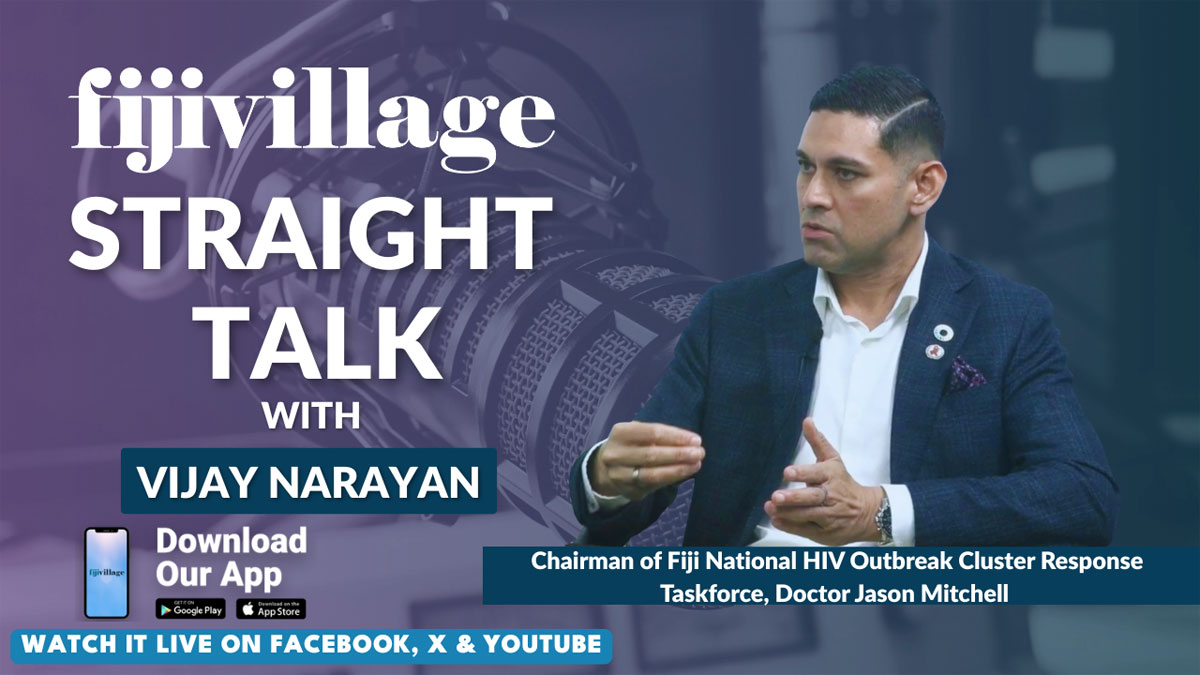
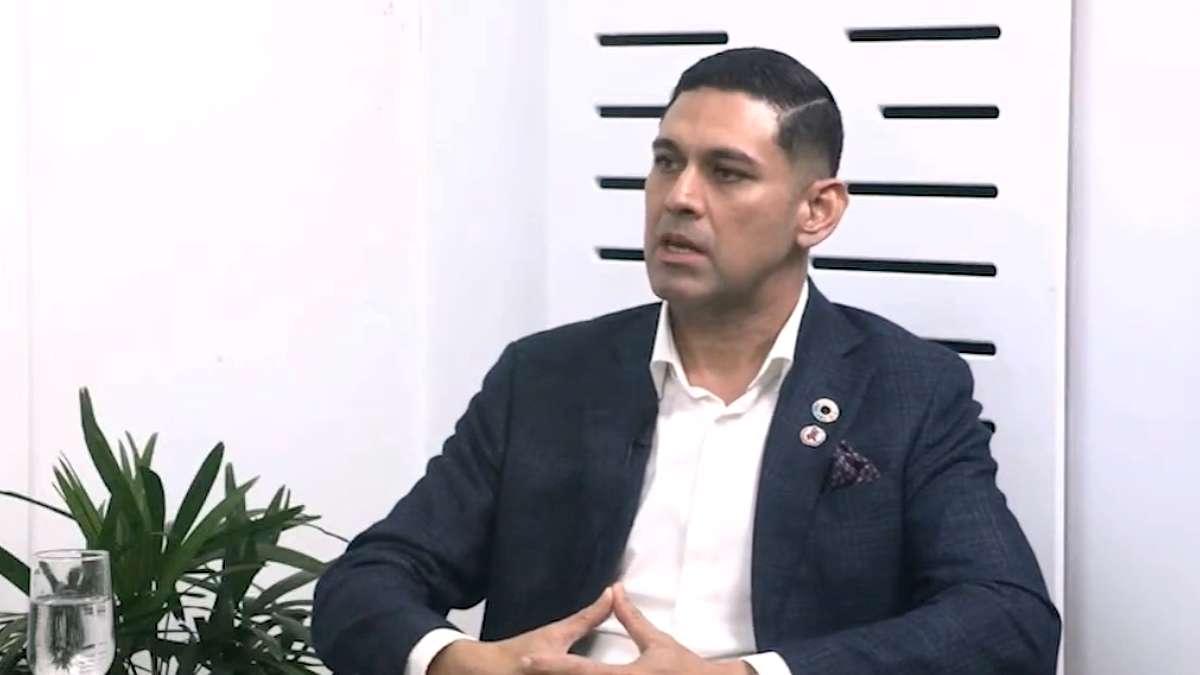
This has been confirmed by the Chairman of Fiji National HIV Outbreak Cluster Response Taskforce, Doctor Jason Mitchell during fijivillage Straight Talk With Vijay Narayan.
This is mainly due to injectable drug use.
Doctor Mitchell says in the last three years they had a 45 fold increase in adolescents who are becoming infected with HIV, between the age of 10 to 19.
@fijivillage.com We could have almost 25,000 HIV cases in the next 4 years due to high injectable drug use - Dr Jason Mitchell
♬ original sound - fijivillage
He says this is not as a result of sexual transmission, it is all as the result of the high risk practices that are associated with intravenous drug use.
He also highlighted that doctors in the hospital are seeing a number of opportunistic infections being presented to the hospital, which means that infections that would not normally be in our population are now being present in our population.
When asked on what are the latest statistics and do we expect the major increases to continue, Dr Mitchell says that from what they have seen so far, they assume that the pattern will continue this year.
Watch the full Straight Talk interview below.
More iTaukei are testing positive for HIV during the tests done in the wider community.
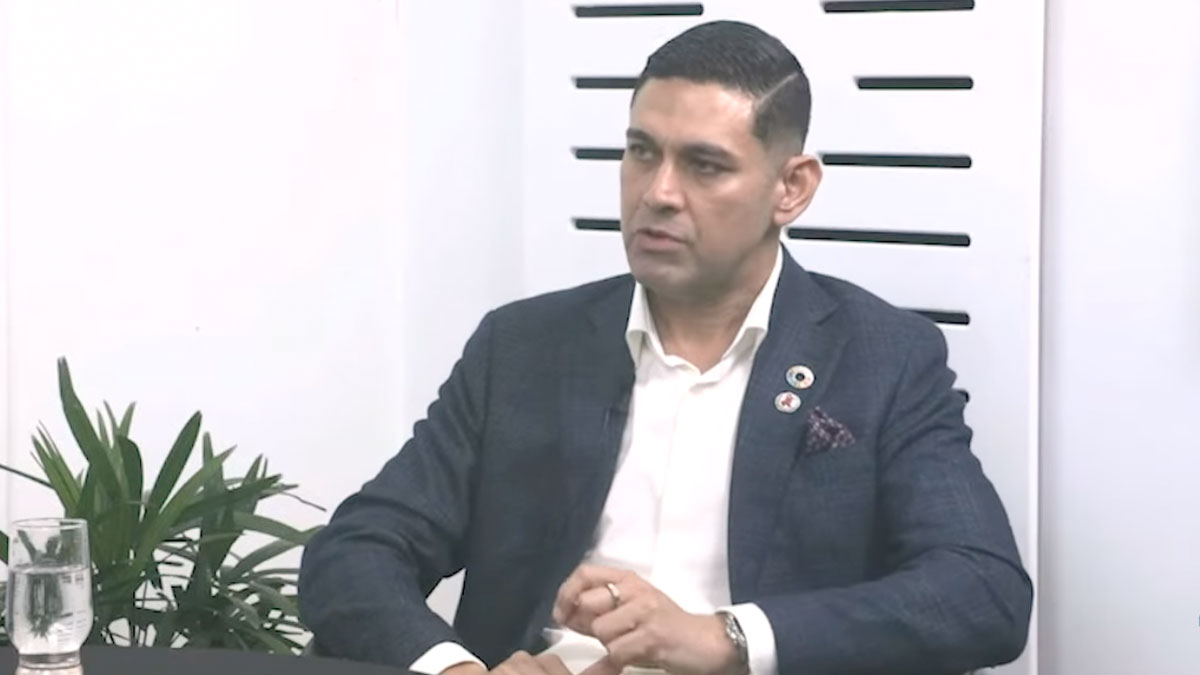
Chairman of the the Fiji National HIV Outbreak Cluster Response Taskforce, Doctor Jason Mitchell highlighted this during fijivillage Straight Talk With Vijay Narayan, where he also stated that in the last three years there has been a 45-fold increase in adolescents, aged 10 to 19 years becoming infected with HIV mainly due to injectable drug use.
Doctor Mitchell says they conduct a lot of targeted interventions, which is a common practice in public health in Fiji.
He says they are starting to recognise that many people in key population groups belong to the iTaukei community.
He says many of them are engaged in high-risk behaviour, but the reasons are unclear since there is no specific data or research to explain why the iTaukei population is more impacted by HIV compared to other groups.
Doctor Mitchell adds that an effective HIV response requires targeted approaches and with this, they are developing messages tailored to groups with known specific risk factors, providing them with the right information so they understand how their practices could lead to HIV and other blood-borne viruses.
The clock is ticking as we could have almost 25,000 HIV cases in the next 4 years if we do not deal with the issue urgently.
This has been confirmed by the Chairman of Fiji National HIV Outbreak Cluster Response Taskforce, Doctor Jason Mitchell during fijivillage Straight Talk With Vijay Narayan.
This is mainly due to injectable drug use.
Doctor Mitchell says in the last three years they had a 45 fold increase in adolescents who are becoming infected with HIV, between the age of 10 to 19.
@fijivillage.com We could have almost 25,000 HIV cases in the next 4 years due to high injectable drug use - Dr Jason Mitchell
♬ original sound - fijivillage
He says this is not as a result of sexual transmission, it is all as the result of the high risk practices that are associated with intravenous drug use.
He also highlighted that doctors in the hospital are seeing a number of opportunistic infections being presented to the hospital, which means that infections that would not normally be in our population are now being present in our population.
When asked on what are the latest statistics and do we expect the major increases to continue, Dr Mitchell says that from what they have seen so far, they assume that the pattern will continue this year.
Watch the full Straight Talk interview below.

126 deaths last year were caused by HIV.
Chairman of the Fiji National HIV Outbreak Cluster Response Taskforce, Dr. Jason Mitchell, confirmed this during fijivillage Straight Talk With Vijay Narayan, where he says that deaths from other diseases in other areas are relatively low.
Dr. Mitchell says HIV-related deaths are inexcusable because treatment is available, and there should be zero deaths associated with HIV.
He says the global goal is to achieve zero new HIV infections, zero AIDS-related deaths, and zero discrimination, and Fiji is working towards that.
Dr. Mitchell also highlighted that regarding the availability of medication and drugs in Fiji, the government has made key decisions, including outsourcing the procurement of HIV and TB treatment and diagnostics to the UN system.
He adds that there is currently a contract between Fiji and the UNDP, which uses its global procurement system to ensure drug stocks are always available in the country.
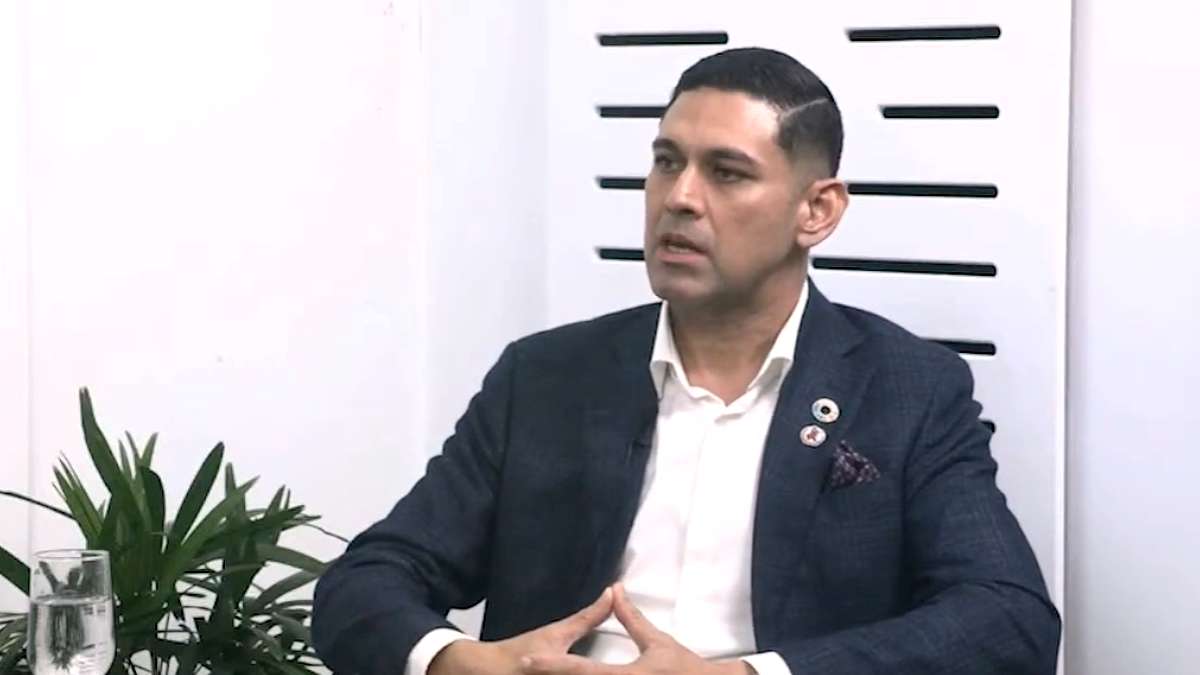
Stigma and discrimination against people living with HIV remain widespread in our society, with attitudes showing little improvement over the past two decades.
This has been highlighted by the Chairman of the Fiji National HIV Outbreak Cluster Response Taskforce, Dr Jason Mitchell during fijivillage Straight Talk With Vijay Narayan where he stated that the stigma may even be stronger today, partly due to the growing public association between HIV and drug use.
Dr Mitchell says this link unfairly fuels judgement and misconceptions, as many people with HIV contracted the virus through other means.
He also stressed that the stigma is misplaced and called for stronger efforts and targeted strategies to eliminate discrimination against HIV survivors and children of HIV-positive parents in society.
Stay tuned for the latest news on our radio stations