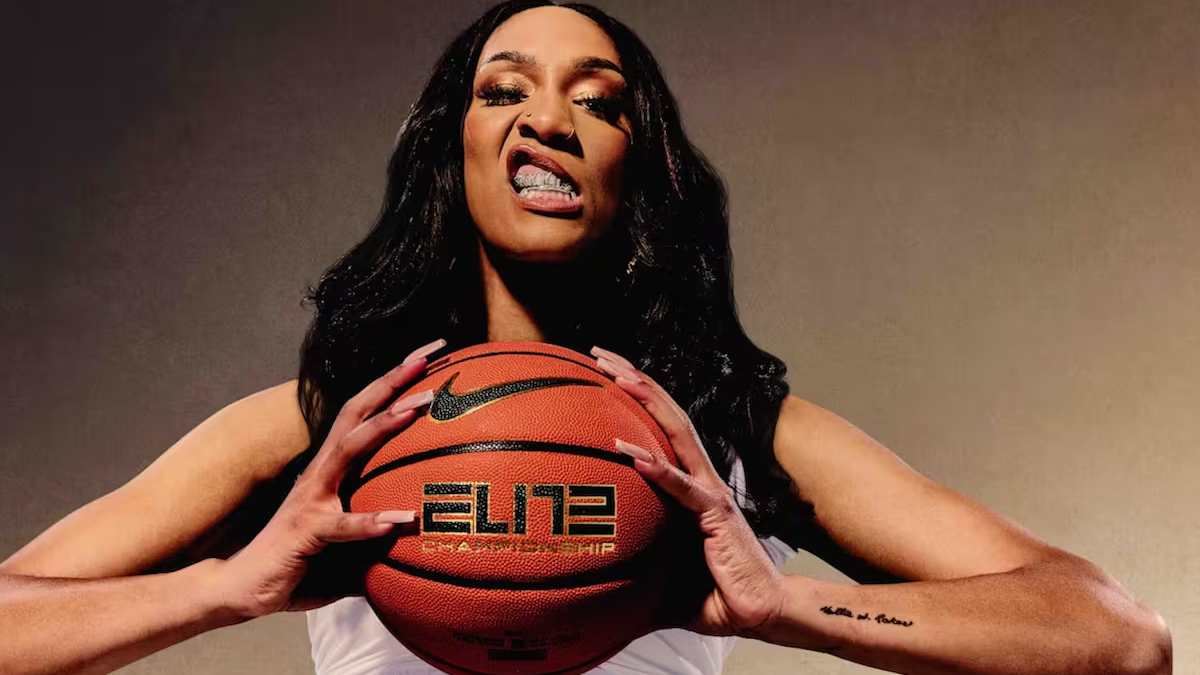
In 2025, sport and fashion stopped flirting and made things official.
What used to be the odd collaboration turned into a full-blown partnership across major leagues and global brands. Even the NFL, never known for cutting-edge style, leaned into fashion with partnerships involving Breitling and Abercrombie & Fitch. The NBA took things a step further by moving into beauty through CeraVe, while the WNBA’s Golden State Valkyries made their intentions crystal clear with a Sephora-backed runway show ahead of fashion month. When teams are hosting catwalks, the shift is no longer subtle.
Away from the big leagues, everyday athletes drove one of the year’s biggest style changes. Social run clubs exploded, turning running from a solo grind into a social scene with its own look and identity. Trainers built for performance became everyday shoes, football-inspired silhouettes returned to the streets, and the retro styles that dominated the early 2020s quietly stepped aside.
The year also hinted at a comeback for Nike. After losing ground to hungrier rivals, the brand steadied the ship and generated serious buzz with the launch of NikeSkims. Still, competition was relentless. New Balance and ASICS continued to win runners and casual wearers alike, Adidas moved beyond the Samba with new silhouettes, and Reebok forced its way back into relevance with the Angel Reese 1.
As brands look ahead to 2026, with the World Cup in North America and the Winter Olympics in Milan and Cortina d’Ampezzo, the overlap between sport and style is only set to deepen. This is no longer about athletes wearing fashion. Sport itself has become fashion’s most powerful stage.
Source : The Business of Fashion

Stay tuned for the latest news on our radio stations