Yes, we have a major household waste crisis in a number of parts of Fiji but if the Vuda-Saweni
proposal is given the go-ahead there is no way that a $1.4 billion project can be properly regulated
with what we have at the moment or in the short and medium term.
This has been highlighted by NGO NatureFiji-MareqetiViti's Director Nunia Thomas-Moko as they warn the government's 'laissez-faire' attitude towards regulating business, underpowered legislation and a track record of repeated enforcement failures over the past twenty years means the country is at least a generation away from being ready for a project of the size and complexity of the proposed waste-to-energy incinerator planned for Naikorokoro Point in Vuda.
Thomas-Moko says someone has to tell some hard truths about where we are as a country.
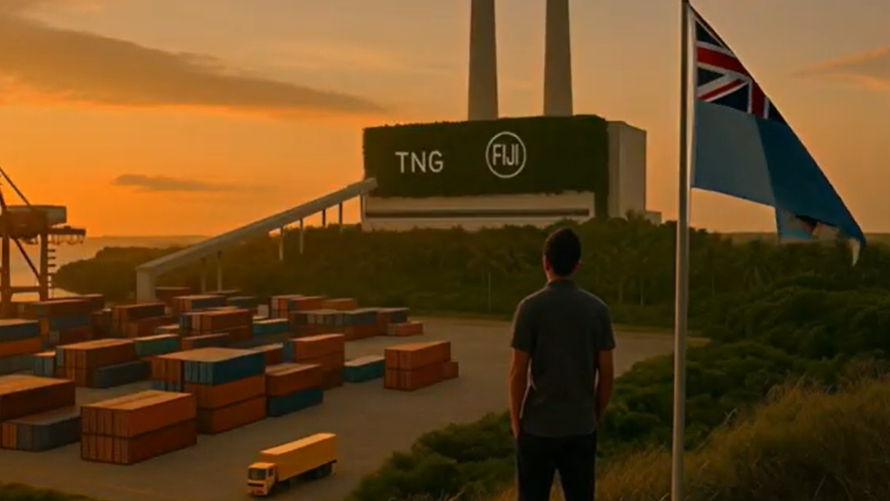
TNG Fiji's published timelines call for site development to begin by the end of this year.
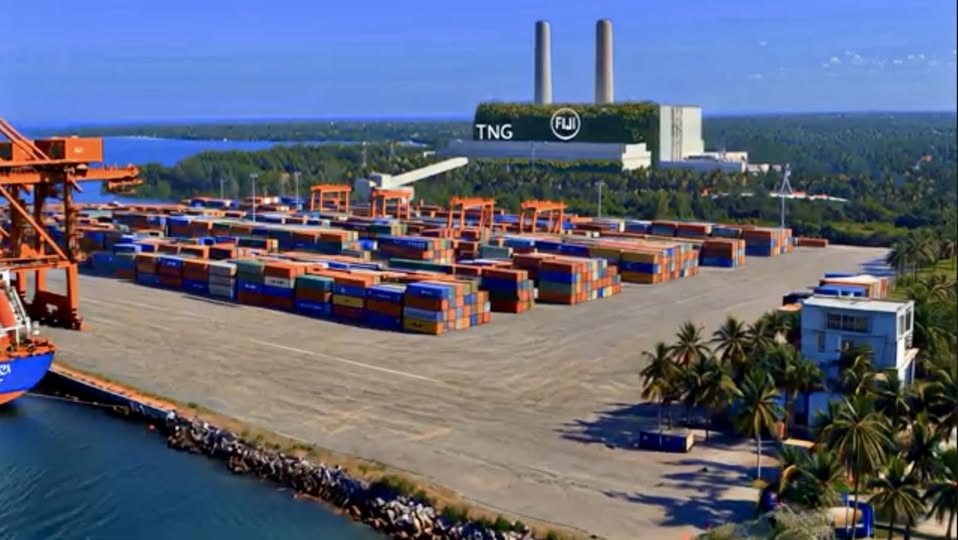
The first full year of operations, processing up to 900,000 tonnes of household waste on their 85-hectare industrial park with a brand new deepwater port, is planned for 2029.
Thomas-Moko says if we are not honest about our capabilities all that will happen is that we will end up with two crises on our hands instead of one.
In an eight-page letter of objection filed with the Department of the Environment, NatureFiji pointed to the regulatory approval for the controversial 12 mega watts Nabou biomass plant as an example of Fiji's shortcomings.
Thomas-Moko says Nabou received a full Environmental Impact Assessment approval from the Government so opened in July 2017.
She says Nabou was sold to everyone as a sustainable green energy project providing baseload power to the national grid, just like Naikorokoro Point.
The Director says but the project never secured a sustainable source of biomass feedstock to keep the plant running throughout the year.
NatureFiji-MareqetiViti's submission says the plant now limps along at below ten percent capacity 'scavenging wood from agricultural areas and tourism sites' to feed its furnaces without environmental oversite.
They say that was a failure of the investors, but it was also a failure of several Government agencies and the lack of recognition of such a critical issue in the EIA process and someone should have said 'No' to the investors and local political connections.
Thomas-Moko says TNG Fiji's EIA submissions included no information about projected or confirmed waste supply agreements.
If approved, the Naikorokoro Point development would be the largest waste-to-energy in the Southern Hemisphere and more than twice the size of the biggest in Australia.
TNG Fiji's plan is to sell 80MW of baseload power into Energy Fiji's national grid.
Thomas-Moko emphasises the Permanent Secretary of the Ministry of Environment and Climate Change has NatureFiji's full support.
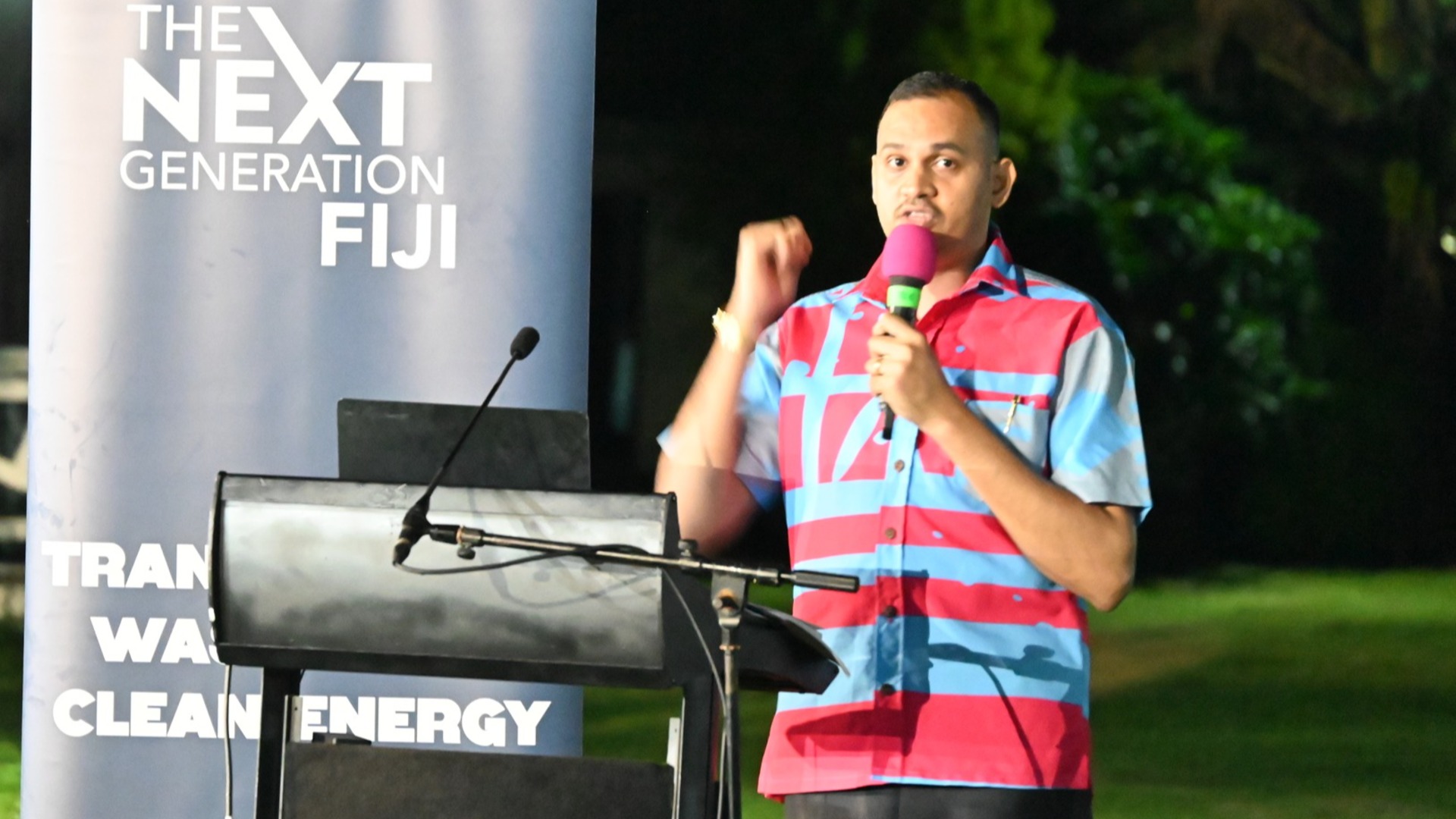
She says since 2023 his Ministry has had a hard-working team who are doing important work but it feels like we are at least a generation away from being empowered enough to impose controls and make demands of the developers of a project of this size and complexity in a properly structured and functioning regulatory framework.
Thomas-Moko and her cadre of advisers say if we do not get this right at the beginning, it will be the project developers who are giving orders and making demands on the Government.
She stresses anyone who knows anything about Fiji knows we still have repeated basic issues with the country's utilities and major industries who again and again seem to operate as if they do not need to care about government rules on the environment, waste and pollution.
Thomas-Moko highlights we cannot even fix these simple things and now we are expected to regulate this.
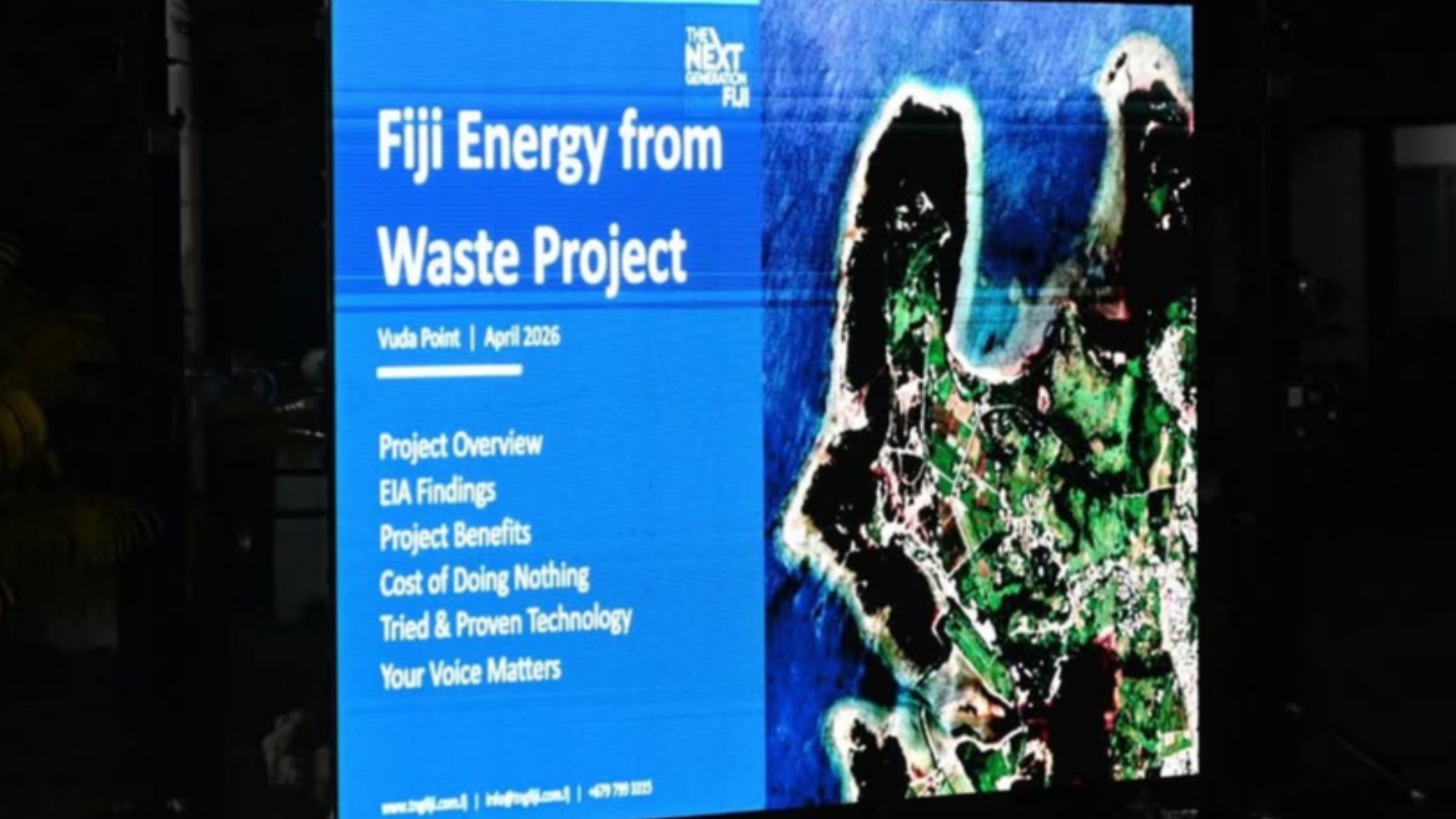
Public consultations on the Environmental Impact Assessment of the proposed Vuda-Saweni
waste-to-energy project closed on April 22nd and more than 1,500 pages of submissions from TNG Fiji Pte Ltd as well as the community and stakeholder responses are currently being reviewed by a taskforce
selected by the Ministry of the Environment and Climate Change.
More than 3,000 signed petitions opposing the development were delivered to the Department of
Environment's Lautoka office, along with over 900 emailed objections and almost 7,000 online petitions
through change.org.
Thomas-Moko confirmed that NatureFiji-MareqetiViti submitted an eight-page objection to the Vuda-Saweni project organising their 25 main points under the main headings of Waste Feedstock, Ash Management,
Sustainable Development and Fiji's Environment Management Capacity.
NatureFiji's submission notes that TNG Fiji's EIA has no detail about the planned treatment and safe
storage of the bottom ash and highly toxic fly ash left behind after the incineration process.
According to the submission the long-term management and costs of ash disposal, especially the fly ash, represents the creation of an ecological, intergenerational time bomb, all contributing to a cost which will fall back on the Government.
They says in addition, the financial bond that the developers have to put up to undertake environmental rehabilitation and restoration should the project be discontinued, abandoned, or fail to comply with approval conditions was criticised as not a true reflection of costs to remove the development.
TNG Fiji had calculated an environment bond of $143,750 including $2,000 - $3,000 per hectare to
restore the mangroves.
NatureFiji says a correctly calculated bond would need to be in the order of tens of millions of dollars.
Thomas-Moko says in their submission that when projects come at you at this scale, with new technologies, presenting issues unfamiliar to anyone in Fiji and with investors risking billions, the country simply cannot afford to get this wrong.
They also submit that there is no mention of securing waste supply agreements (within Fiji or by Foreign governments) as a precursor to such a large investment or a time frame set to achieve
it. Fiji’s total waste is immaterial to the success of the venture.
They say ownership of waste is not straightforward and existing incineration projects have been affected by opportunistic ownership challenges.
NatureFiji asks what waste will go into the feedstock bales either locally or from overseas?
They the lack of data on waste composition means it is not possible to identify what
contaminants are present, and how combustible the waste is.
The NGO asks what controls are in place at the source (local and foreign) of waste generation to
prevent hazardous material being placed in the waste stream.
They ask what amount of waste needs to be stored on site to provide certainty of supply for 2
months, stating that relying on shipped waste from Pacific Islands comes with a degree of risk
particularly in the cyclone season.
NatureFiji also asks what is the impact on waste not suitable for incineration.
They say this means there is a residual waste left at point of origin which could possibly include sludges (water treatment, grease traps).
The NGO says this could be a widely distributed lingering problem for Fiji and adds that the removal of combustible waste has implications for residual waste management as reduces volume, increases the costs, it also reduces the potential assimilative capacity of the waste with the landfill to dilute.
NatureFiji asks what is the impact on waste not suitable for incineration.
They say this means there is a residual waste left at point of origin which could possibly include sludges (water treatment, grease traps).
The NGO says this could be a widely distributed lingering problem for Fiji and adds that the removal of combustible waste has implications for residual waste management as reduces volume, increases the costs, it also reduces the potential assimilative capacity of the waste with the landfill to dilute.
They say no information is provided on the cost of sending waste to the plant and also asks that if a consistent reliable source of fuel isn’t available, what is the backup fuel proposed.
The submission also questions ash management, stating there is no analysis showing whether beneficial use of Incinerator Bottom Ash is feasible in Fiji or the Pacific.
It also highlights the lack of identified fly ash disposal sites, no characterisation of ash, and no information on treatment of discharges to groundwater or surface water from ash disposal areas.
Questions have also been asked about the location of ash disposal areas, the volume of ash that would be produced, and how long-term management and funding for ash disposal sites would be handled.
NatureFiji's submissions states that the EIA is silent over who will review the operation and monitoring results to confirm no adverse effects.
They say if there are two independent sources of feedstock with their own quality control, and hazardous pollutants are detected through monitoring around the plant, there will inevitably be a disagreement as to which feedstock source is responsible.
They stress that Fiji should not allow itself to have its environmental management capability challenged in this manner.
The NGO states that counter to Government commitment to reduce waste, this type of project
encourages waste generation.