Approximately 1.2 million people in the Pacific live with visual impairment, including 39,000 who are blind.
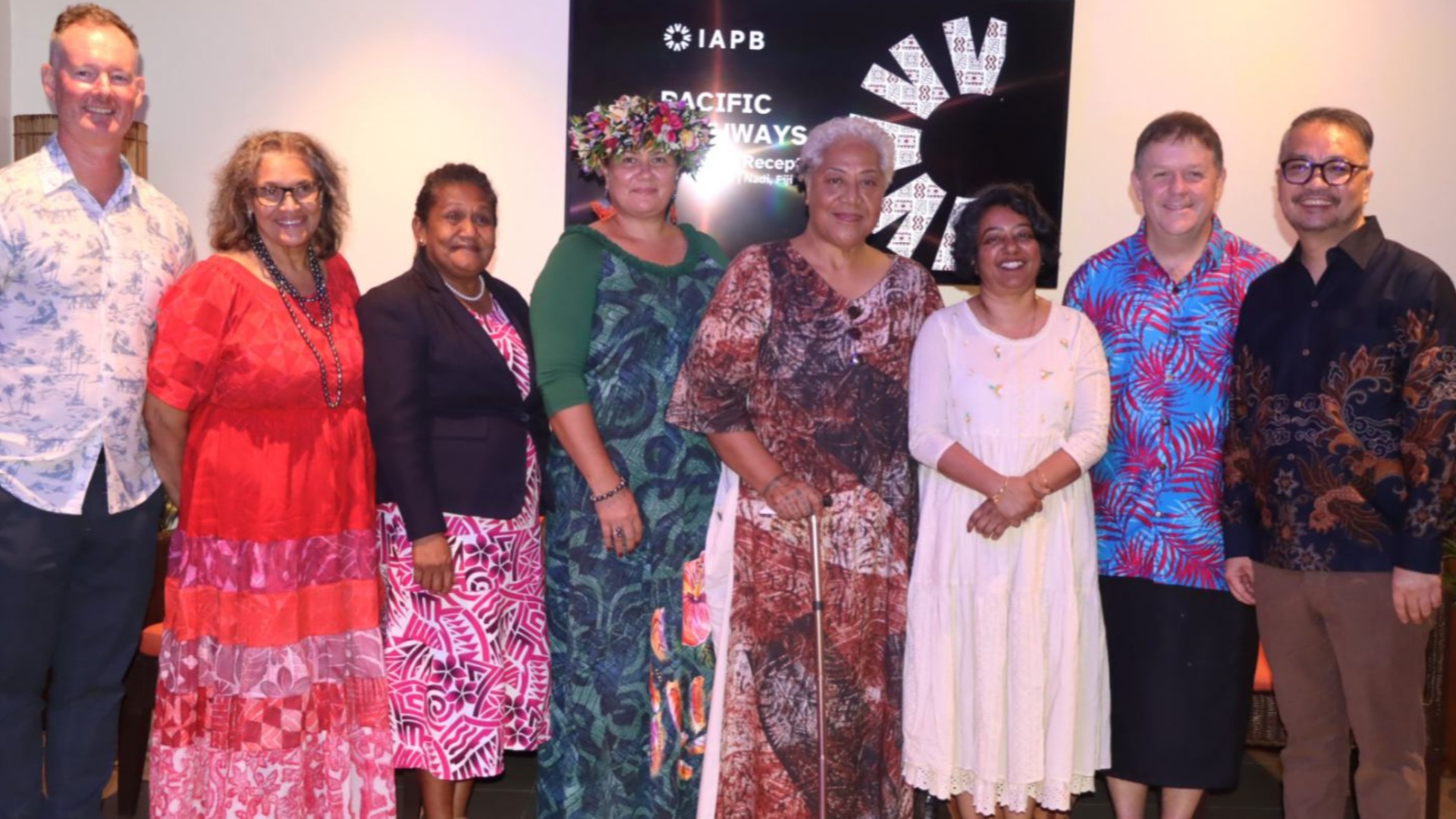
This was highlighted by the Minister for Women and Children Sashi Kiran at the Pacific Pathways: Advancing Women’s and Girls’ Eye Health from Women Deliver 2026 to the Global Eye Health Summit event.
Kiran says that while progress is being made through organisations such as The Fred Hollows Foundation NZ and the Pacific Eye Institute, many people particularly those in rural areas still face barriers to accessing quality eye care.
She describes vision impairment as a critical social and human development issue, significantly affecting education, economic empowerment and social inclusion.
She notes that the region’s high prevalence of non-communicable diseases (NCDs) is a major contributing factor.
Kiran stresses that around 90 percent of blindness is preventable or treatable, linking improved eye health directly to better quality of life, poverty reduction and a more inclusive society, as outlined in Fiji’s National Development Plan 2025–2029.
She says women in the Pacific are disproportionately affected, with studies showing that for every 100 men who are blind, 108 women are affected.
Kiran adds that vision impairment limits educational attainment and employment opportunities, often trapping people in low-income subsistence farming or small family businesses. She highlights diabetes as a leading cause of preventable vision loss, particularly through complications such as diabetic retinopathy.
She emphasises that NCD prevention and eye health must be addressed together through integrated policies and services.
Kiran says early detection is vital, especially for children and the elderly adding when access to care is limited, the impact extends beyond health — affecting education, livelihoods, caregiving and family resilience, while increasing long-term pressure on social protection systems.
She notes that many barriers lie outside the health sector, making cross-sector collaboration between health, social protection, transport, education and community stakeholders essential.
Kiran also stresses the need for improved eye health data across Pacific Island countries to better inform policy and service delivery, pointing to ongoing efforts such as the State of Eye Health Research Programme.

Stay tuned for the latest news on our radio stations