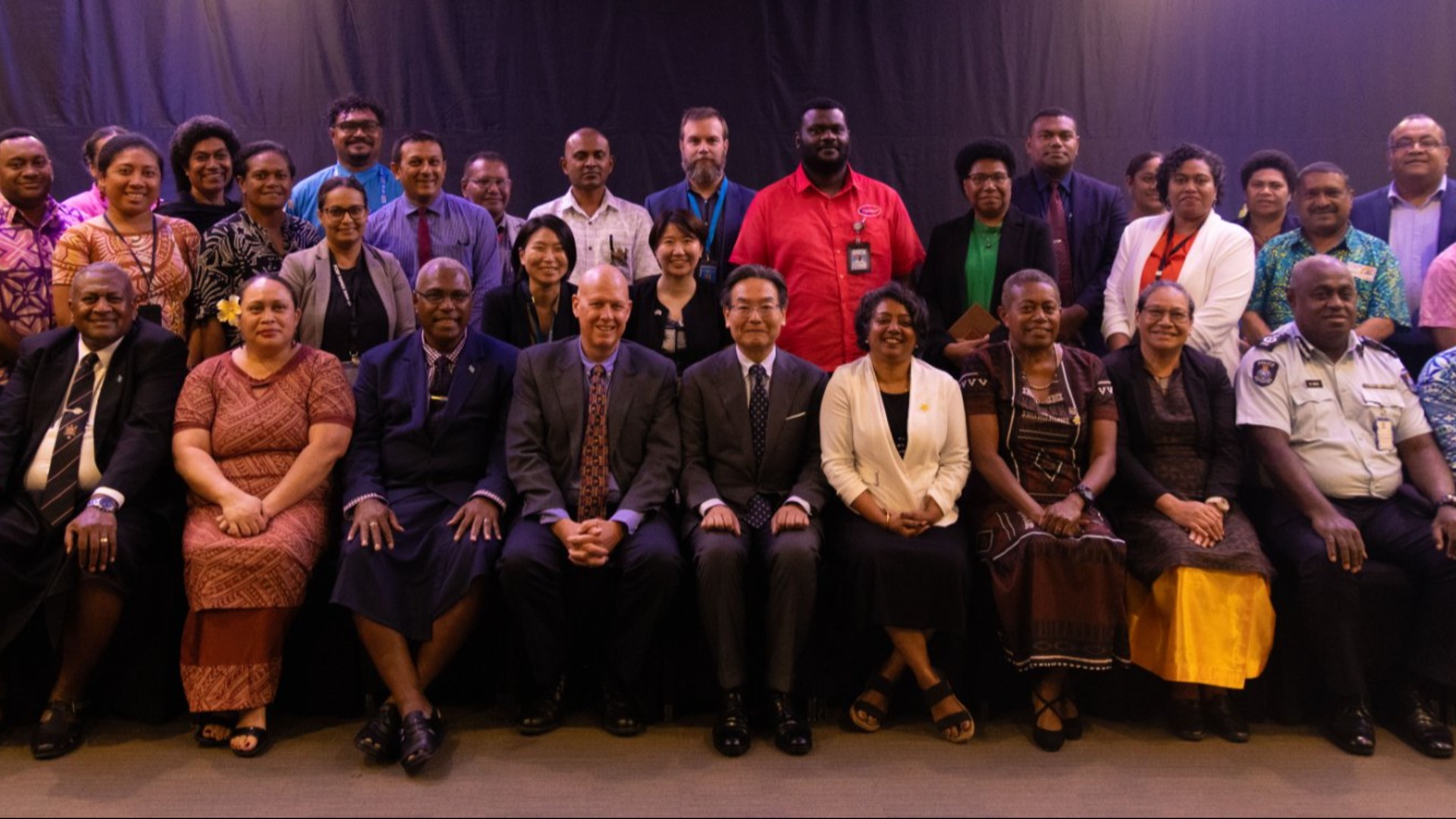
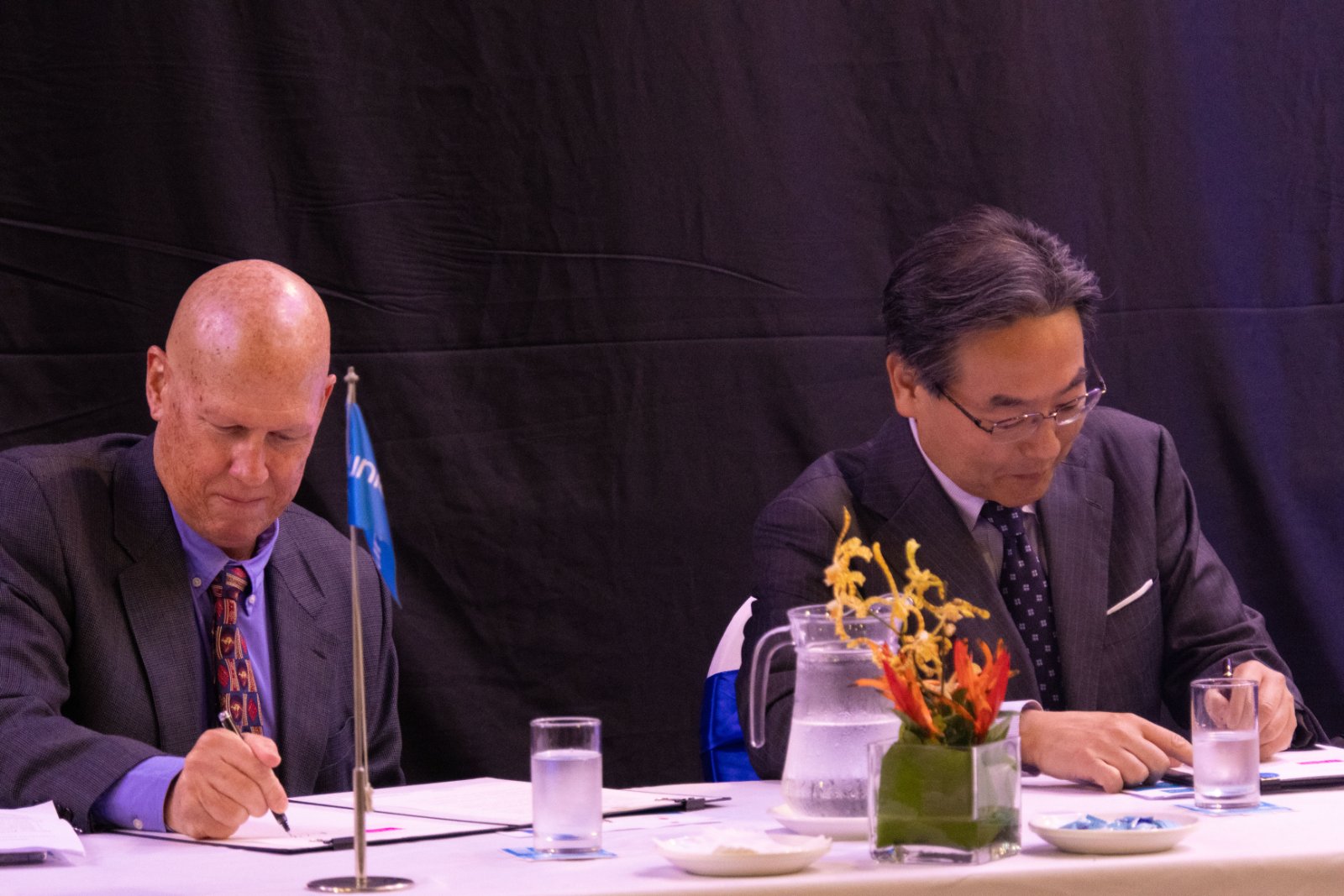
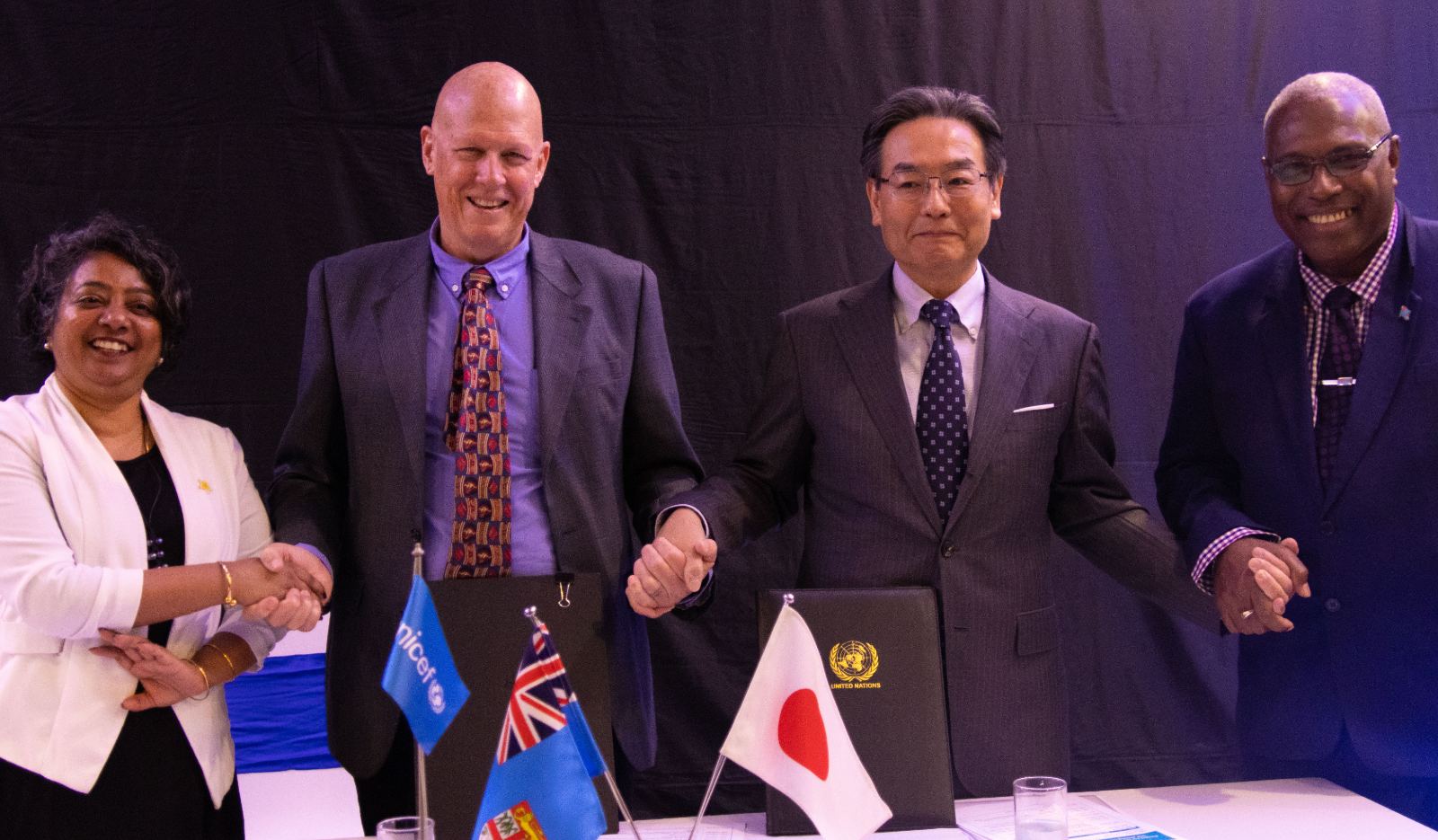
More than 160,000 children and adolescents in Fiji are expected to benefit from a new USD$5.48 million partnership between the Government of Japan and UNICEF aimed at tackling the country’s growing drug crisis.
The four-year initiative will focus on prevention, early intervention and rehabilitation, targeting children nationwide, including 10,000 adolescents considered at risk.
The programme will also support 300 children and adolescents in conflict with the law and assist thousands of teachers, healthcare workers, police officers, social workers, parents and community members.
The partnership comes as Fiji records a concerning rise in drug-related activity.
Police recorded 2,446 illicit drug cases between May 2024 and May 2025, including 50 cases involving children.
Earlier in 2024, more than 4.2 tonnes of methamphetamine were seized.
The Substance Abuse Advisory Council has also reported an increase in drug cases in schools, rising from 2,400 cases in 2021 to 3,143 in 2025.
Speaking at the launch, UNICEF Pacific Representative Hamish Young stressed that prevention must remain central as children face increasing risks linked to drug exposure.
He says young people are increasingly exposed to harmful substances, including methamphetamine, driven by easier access to drugs, economic pressures, climate-related stress, social expectations and mental health challenges.
Insert: Hamish Young 3rd Feb 26
Young adds that limited access to support services has heightened long-term risks for vulnerable children.
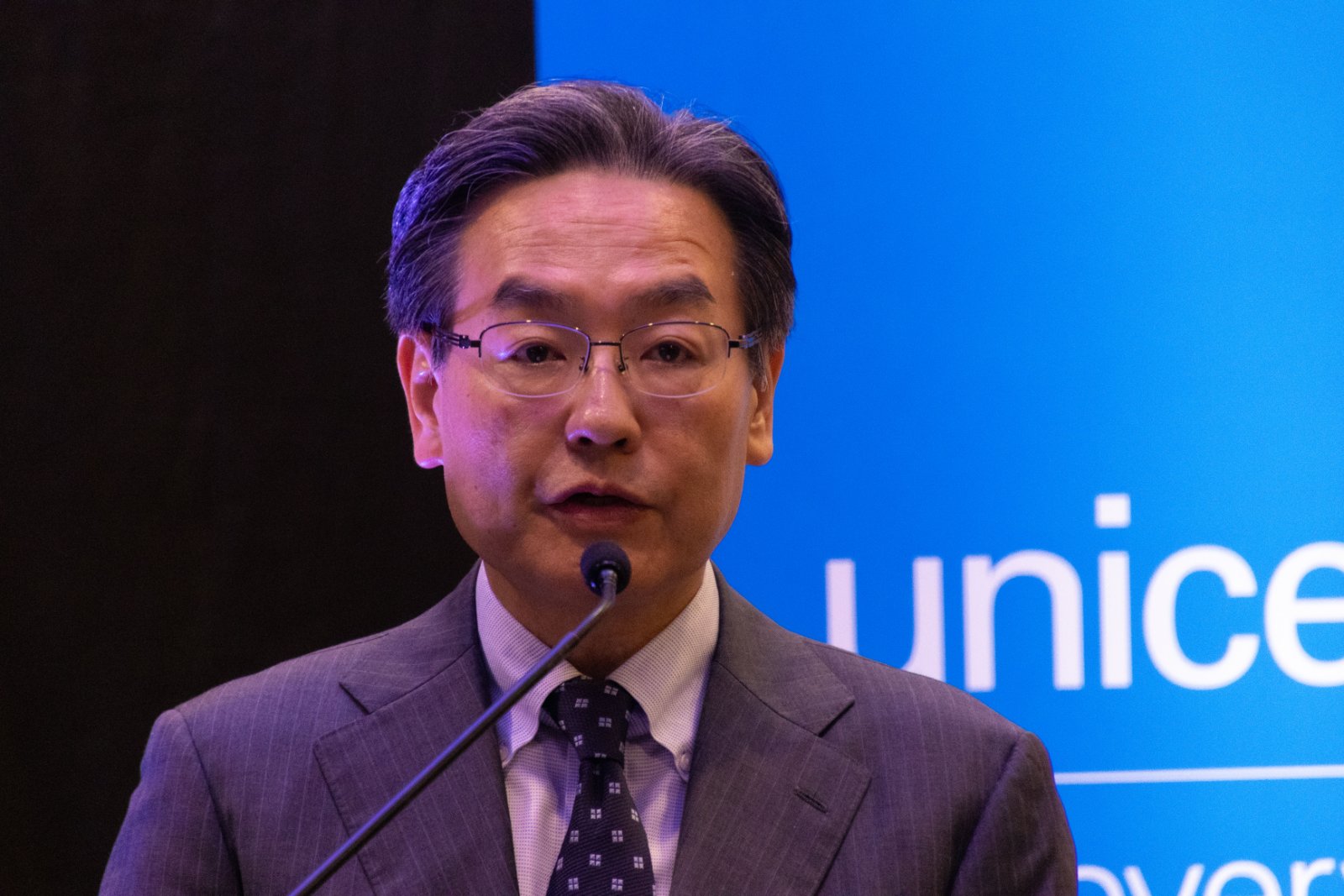
Also speaking at the launch, Japan’s Ambassador to Fiji, Hiroshi Tajima says the funding reflects Japan’s strong commitment to protecting young people from the region’s escalating drug crisis.
Insert: Hiroshi Tajima 3rd Feb 26
The initiative supports Fiji’s national counter-narcotics efforts and complements reforms under the Child Justice Act 2024, promoting prevention, diversion and child-friendly justice approaches.
Ambassador Tajima says the project combines infrastructure improvements, such as child-friendly spaces in hospitals and police stations, with parenting programmes, life skills training and psychological services to ensure children are protected and supported.
Minister for Justice Siromi Turaga reaffirmed the Government’s commitment to a child-centred and prevention-focused response.
Turaga says children involved in drug-related activity must be treated first and foremost as children at risk.
He says children who are using drugs are not simply offenders but may themselves be victims of exploitation, and responses must be child-sensitive, trauma-informed and centred on early intervention.
Permanent Secretary for Justice Selina Kuruleca described the initiative as a protective shield for the nation’s future.
Kuruleca says with the rise of methamphetamine and the worrying trend of drug use reaching children, Fiji can no longer remain silent.
Under the programme, children and adolescents will receive life skills training to make informed and healthy choices.
Parents will be trained in positive parenting and communication, while frontline service providers will be equipped to identify early warning signs and better support affected young people.
Safe and child-friendly spaces will also be upgraded, including counselling areas in schools, safe rooms in hospitals and child-sensitive interview rooms in police stations.
The programme is being implemented in partnership with the Government of Fiji, including the ministries responsible for justice, education, health, youth, women and social protection, as well as the Fiji Police Force, civil society groups and faith-based organisations.
Japan and UNICEF say the partnership reflects a shared commitment to ensuring Fiji’s young people especially those most at risk have access to protection, care and opportunities for a safer future.