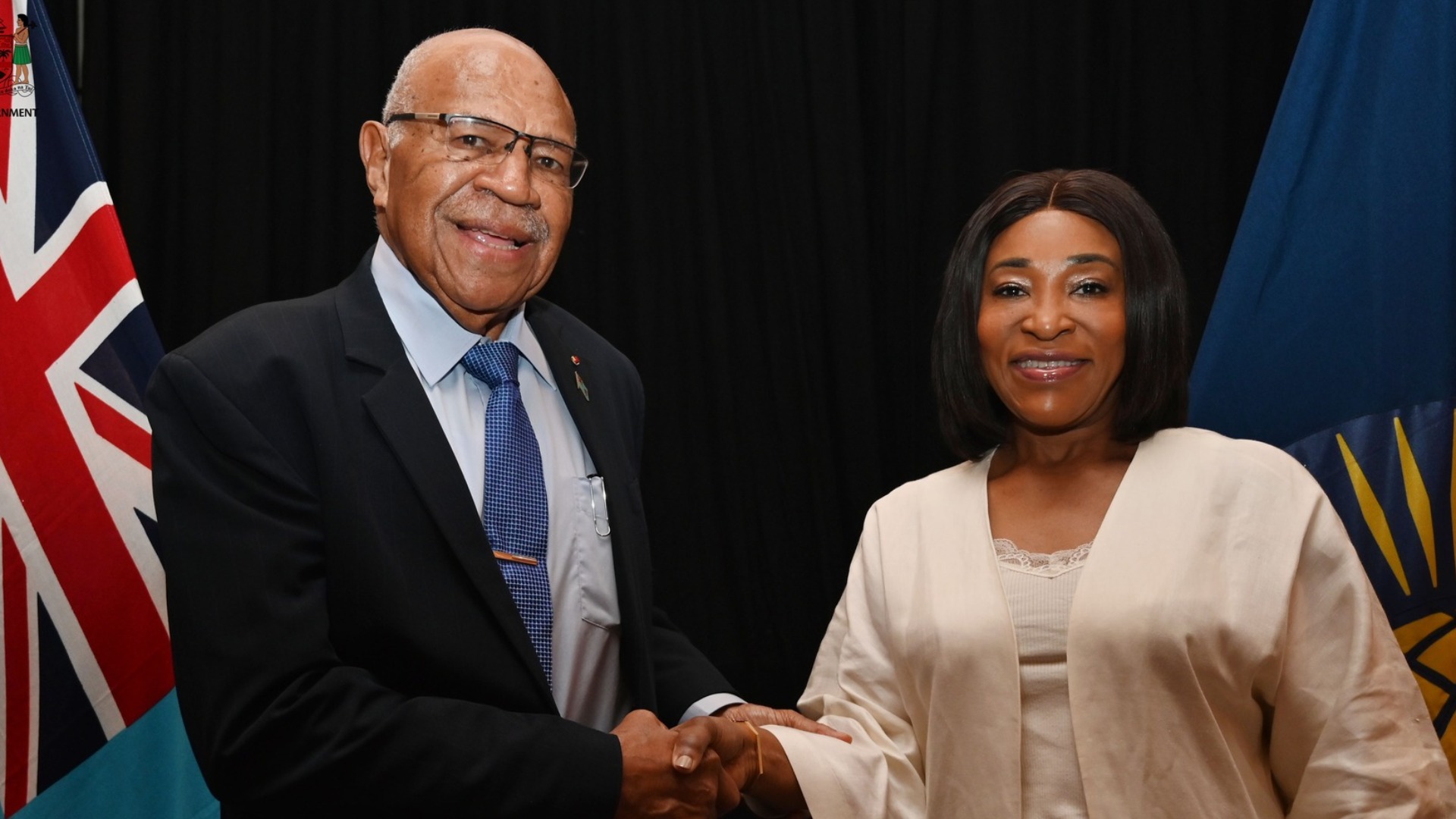
Prime Minister Sitiveni Rabuka met with the Secretary-General of the Commonwealth, Shirley Ayorkor Botchwey to discuss her vision for a modern and transformed Commonwealth, particularly her focus on climate change, trade and investment, empowering women and young people, closing the digital divide, and strengthening innovation and strategic partnerships with Fiji.
The Commonwealth Law Ministers Meeting begins in Nadi today.
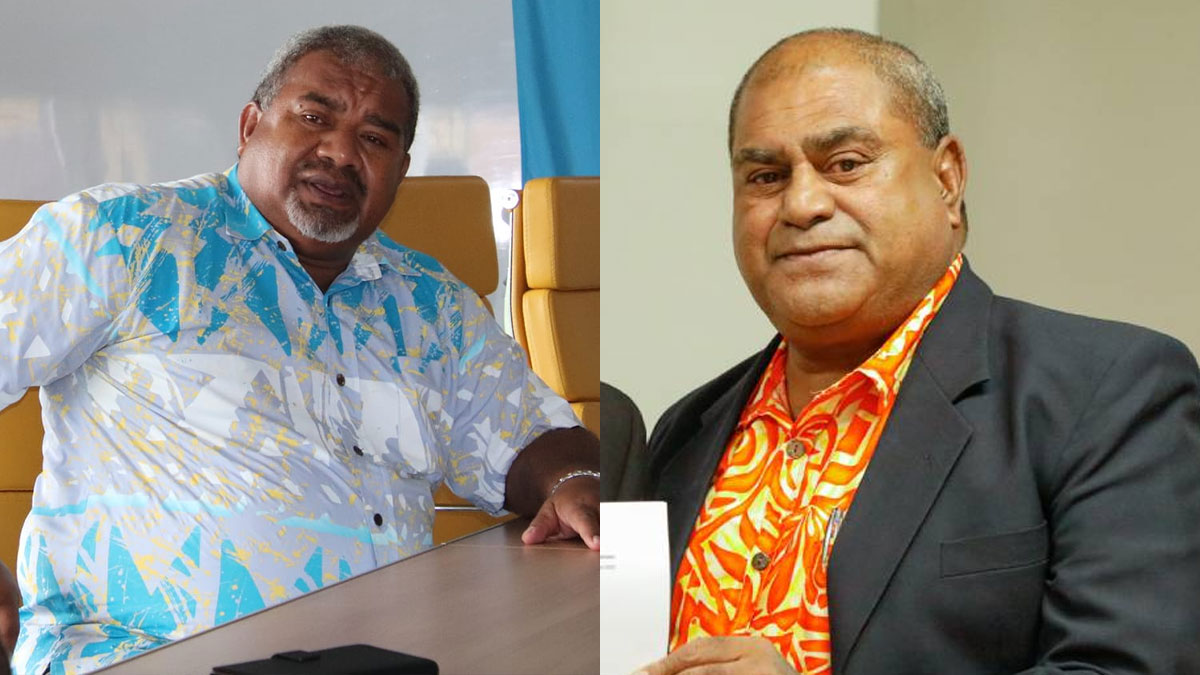
Joining the Prime Minister were the Minister for Foreign Affairs and External Trade, Sakiasi Ditoka, Acting Attorney-General and Minister for Justice, Siromi Turaga, Permanent Secretary for the Office of the Prime Minister, Dr Lesi Korovavala, Solicitor General Ropate Green, and Permanent Secretary for Justice and Acting Permanent Secretary for Women, Children and Social Protection, Selina Kuruleca.
Secretary-General Botchwey was accompanied by senior Commonwealth Secretariat officials, including Commonwealth Deputy Secretary-General Dr Arjoon Suddhoo.
The meeting marked Prime Minister Rabuka’s first official engagement with Secretary-General Botchwey since her appointment.
He congratulated her on becoming the first African woman to serve as Secretary-General of the Commonwealth and reaffirmed Fiji’s full support for her leadership.
Rabuka also welcomed the Secretary-General’s efforts to prioritise resilience, climate action, economic growth, and sustainable development areas that strongly align with Fiji’s national and regional priorities.
Reflecting on Fiji’s long-standing relationship with the Commonwealth, the Prime Minister recalled Fiji’s contribution during the Malayan Emergency and the pride the nation takes in that service.
He acknowledged the challenges Fiji faced following its suspension from the Commonwealth, noting that the country has since re-engaged through constitutional development and democratic reform.
Rabuka highlighted Fiji’s “Ocean of Peace” concept, later promoted at the United Nations General Assembly, as a demonstration of the country’s commitment to peace, cooperation, and global progress.
On governance, the Prime Minister noted Fiji’s steady progress in strengthening democratic institutions, with general elections expected later this year.
He expressed confidence in the electoral process and welcomed continued Commonwealth technical assistance, particularly in electoral observation, legal reform, and institutional capacity-building.
Acting Attorney-General Siromi Turaga outlined ongoing programmes focused on rehabilitation, legal review, and the re-engineering of technical assistance, including support related to elections and judicial processes.
He expressed appreciation for the Commonwealth’s support in strengthening Fiji’s climate resilience through adaptation, mitigation, and resilience-building initiatives.
The Prime Minister says assistance provided through the Commonwealth Climate Finance Access Hub (CCFAH), has supported Fiji through extensive capacity-building efforts.
To date, this support has helped mobilise nearly US$1 million in climate finance, including funding for an electric shuttle bus project, with climate-related projects valued at more than US$60 million currently in development.
Discussions also covered preparations for upcoming Commonwealth meetings and events, including the Commonwealth Law Ministers Meeting in Nadi (9–12 February 2026), the Commonwealth Foreign Ministers Meeting in London (6 March 2026), Commonwealth Day (9 March 2026), the Commonwealth Games in Glasgow (23 July–2 August 2026), and the 28th Commonwealth Heads of Government Meeting (CHOGM) in Antigua and Barbuda (1–4 November 2026).
Prime Minister Rabuka highlighted the scale and influence of the modern Commonwealth, which has grown to 56 member countries across five continents since its founding in 1949, representing one-third of the world’s population.
Secretary-General Botchwey expressed optimism about the outcomes of the meeting, highlighting the strength of the Commonwealth’s network in sharing best practices and providing mutual support.
She pointed to opportunities for cooperation in judicial reform, election observation, truth and reconciliation processes, legal drafting, renewable energy, climate action, and sustainable development.

Stay tuned for the latest news on our radio stations