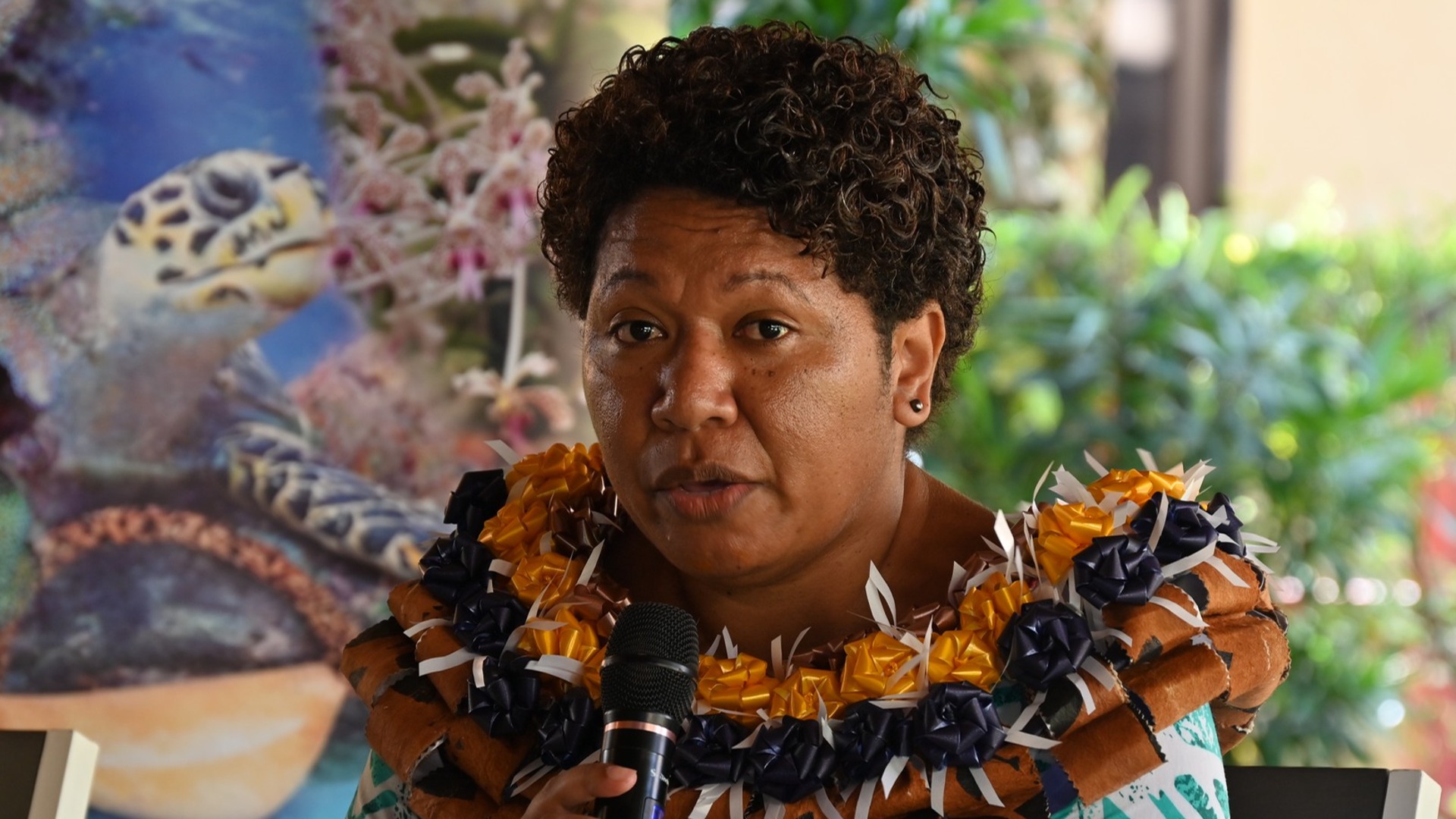
Ministry of Environment's Senior Environment Officer, Kelera Tokalau says protecting wildlife is protecting ourselves and is calling for stronger collective action to safeguard Fiji’s natural heritage.
She made these remarks during the World Wildlife Day 2026 celebration held at Kula Wild Adventure Park in Sigatoka, where government agencies, conservation partners, students and community members gathered to reflect on the importance of protecting Fiji’s biodiversity.
World Wildlife Day marks the signing of the Convention on International Trade in Endangered Species of Wild Fauna and Flora (CITES) in 1973, a global commitment to ensure that international trade does not threaten the survival of species.
Tokalau stresses that wildlife conservation is no longer just an environmental issue, but one that also affects health, culture, livelihoods and the future of communities.
She highlighted that in Fiji, nature is part of everyday life, providing food, medicine, protection and identity.
However, she warned that growing threats such as deforestation, pollution, climate change and illegal wildlife trade are putting this natural heritage at risk.
The Senior Environment Officer says when species are lost, Fiji also loses valuable knowledge, opportunities and cultural identity.
She emphasised that protecting wildlife cannot be done by the government alone, calling for stronger collaboration between communities, researchers, law enforcement, NGOs and individuals.
She says real change happens when people care and is encouraging Fijians to take simple actions like protecting ecosystems, respecting wildlife and educating others.