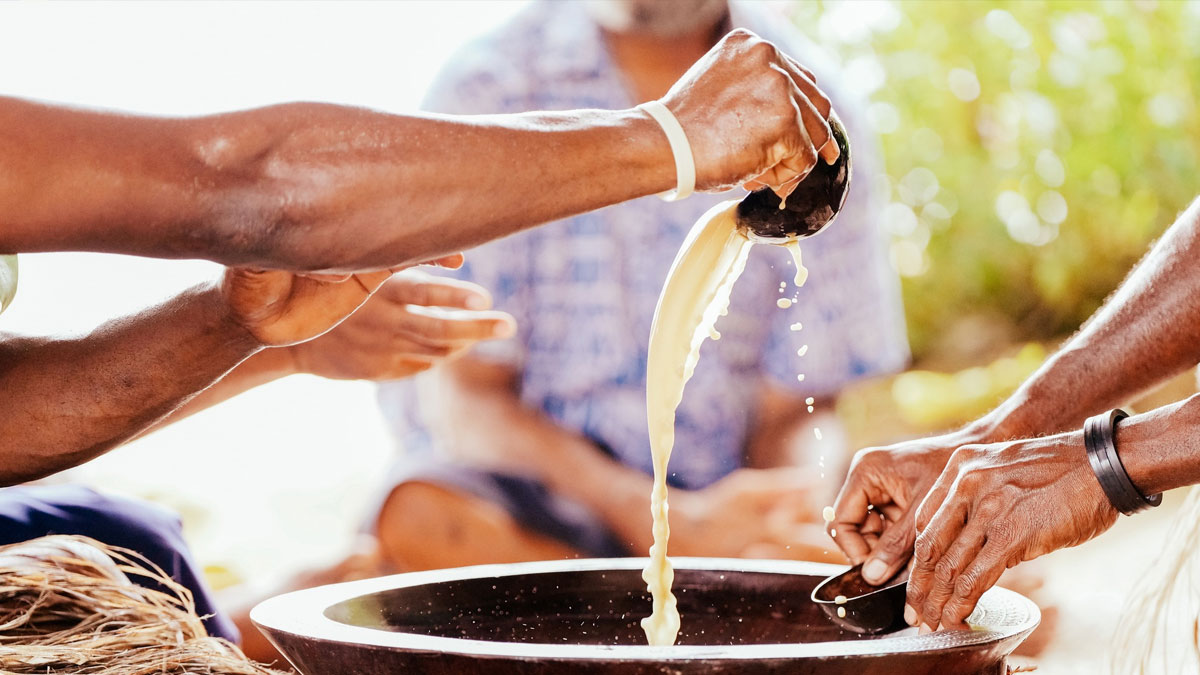
Fiji’s growing burden of non-communicable diseases is being driven in part by high levels of alcohol consumption, kava drinking and associated lifestyle behaviours, with men identified as the most at-risk group, according to findings in the Fiji STEPS Survey Report.
While speaking at the launch at the Grand Pacific Hotel, Head of Wellness at the Ministry of Health, Dr Devina Nand, says the survey shows men consistently record higher levels of alcohol use, tobacco consumption and kava drinking across most age groups, increasing their risk of serious health conditions such as cardiovascular disease, cancers and liver cirrhosis.
Dr Nand says approximately half of Fiji’s population reported consuming alcohol within the past 12 months, with men and young adults aged between 18 and 29 years showing the highest levels of consumption.
While episodic or binge drinking was reported on average as less than once a month, Dr Nand notes that casual drinking appears widely practised and socially accepted.
She stresses that the World Health Organization maintains there is no safe level of alcohol consumption, warning that health risks increase proportionately with the amount consumed.
She says the survey also examined kava drinking patterns and found that while both men and women consume kava, men again recorded higher levels overall.
Dr Nand says kava consumption was most common among people aged between 18 and 59 years, although it was also present among older age groups.
Dr Nand says concerning behaviours linked to kava drinking were identified, including tobacco use, unhealthy snacking and prolonged sedentary behaviour.
Both men and women reported using tobacco during kava sessions, with higher rates observed among younger people, raising concerns about the early adoption of risky behaviours that continue into later life.
The findings also show that women recorded higher rates of unhealthy eating during kava sessions, particularly the consumption of salty and sweet snacks, further increasing risks linked to obesity and other NCDs.
Dr Nand emphasised that the combination of inactivity, tobacco use and poor dietary habits during social drinking sessions significantly contributes to Fiji’s rising NCD rates, highlighting the need for stronger public awareness and healthier lifestyle choices.

Stay tuned for the latest news on our radio stations