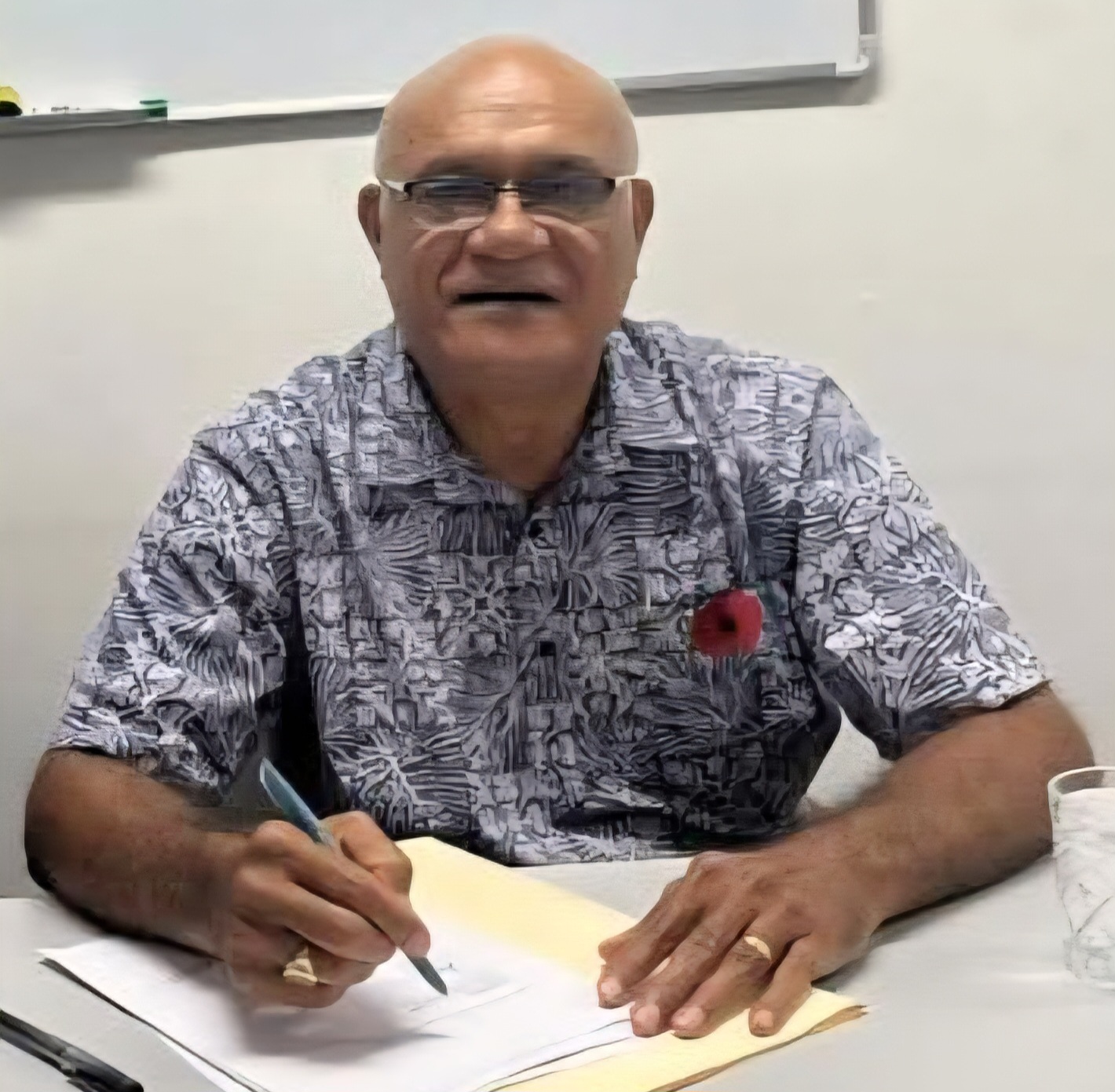
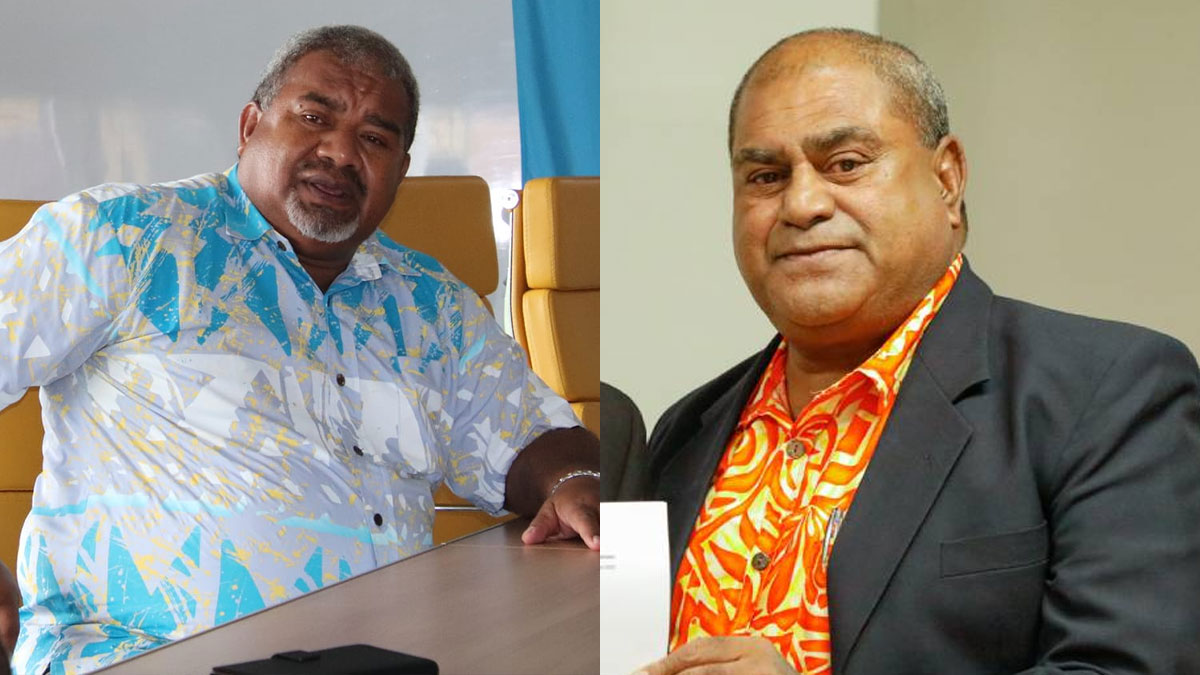
In an open letter to the Prime Minister, Rewa chief and Great Council of Chiefs member, Ro Naulu Mataitini has asked where is the government when it comes to this impending fuel crisis.
He urges the Prime Minister to convene an emergency session of the National Security Council.
Mataitini says we need our best analysts to lay bare the worst-case scenarios: How long can the Strait of Hormuz realistically remain closed? What are the secondary effects on global shipping and insurance costs?
He says we have heard the press releases and we have seen the photo opportunities but what we have not seen is a sense of urgency commensurate with the threat.
Mataitini says while the Office of the Prime Minister acknowledges a 45-day fuel reserve, there has been no visible national dialogue, no emergency messaging, and no concrete plan laid before the public.
He says instead, the political theatrics continue, as if the normal rhythms of governance can insulate us from the coming shock.
Mataitini says with respect, Prime Minister, the time for optics is over, and the time for action is now.
He says simultaneously, the Prime Minister should summon the CEOs of our energy sector.
Mataitini says they hold the data we desperately need: the true depth of private reserves, the consumption rates that will determine our fate, and the fragility of the supply chains that keep this nation moving.
Mataitini says let the National Security Council become a crucible of hard truth, not a theatre of reassurance.
He stresses we need a contingency plan that extends beyond a press release.
Mataitini says there should be rationing schemes—odd-even license plate days, mandatory carpooling, and expanded public transport.
He stresses these must be drafted and ready but more than that, we must identify our national priorities now, before the panic sets in.
He asks if the 45-day reserve becomes the line between paralysis and function, who gets the fuel? Hospitals? Food distributors? Emergency services?
Mataitini says these decisions cannot be made in the heat of crisis; they must be debated and decided today, in the calm of strategic foresight.
He adds perhaps most critically, we need a public awareness campaign that treats our citizens as adults capable of shared sacrifice.
Mataitini says the concept of "energy citizenship" must be introduced immediatel, not as a slogan, but as a call to collective action.
He says to the Prime Minister that we do not envy the weight of his office, nor the complexity of the decisions before him but leadership is not defined by how one acts when the sun is shining, it is defined by how one prepares for the storm.
He says the Strait of Hormuz will not reopen on a schedule convenient for us, and the war will not pause because we are unprepared.
Mataitini says let us not be a nation caught with our pants down, let us be a nation that saw the clouds gathering and chose to build an ark.
He stresses the time to act is now.
After today's Government statement, Mataitini says perhaps the tanks at Vuda are full and perhaps for the next few weeks, the lights will stay on.
But he says with respect, the statement misses the point entirely.
Mataitini says the question was never whether we have fuel today, the question is whether we are prepared for a tomorrow that looks very different.
He maintains that the Strait of Hormuz remains closed, and if the situation deteriorates further, "the next few months" becomes a countdown, not a comfort.
Mataitini says monitoring is not a plan, meetings are not preparation, and securing current supply is not securing future supply.
He asks what happens when every nation competes for dwindling supplies of oil or LNG.
Mataitini says a Cabinet meeting is not the same as a National Security Council meeting.
He says Cabinet is comprised of politicians, each carrying unconscious biases, each mindful of portfolios, popularity, and political expediency.
Mataitini says the National Security Council is different, its non-political members, defence officials, intelligence analysts, energy experts have no constituencies to appease.
He says their job is to tell the truth, however uncomfortable.
Mataitini says they will tell the Prime Minister what the politicians cannot: that we may be running out of time.
He asks what analysis will cabinet base its decisions on, has the National Security Council already met, have the intelligence briefings been delivered or will politicians debate the long term without first hearing the unvarnished truth from those whose job is to see around corners.
We have sought comments from Prime Minister, Sitiveni Rabuka. He is yet to comment.