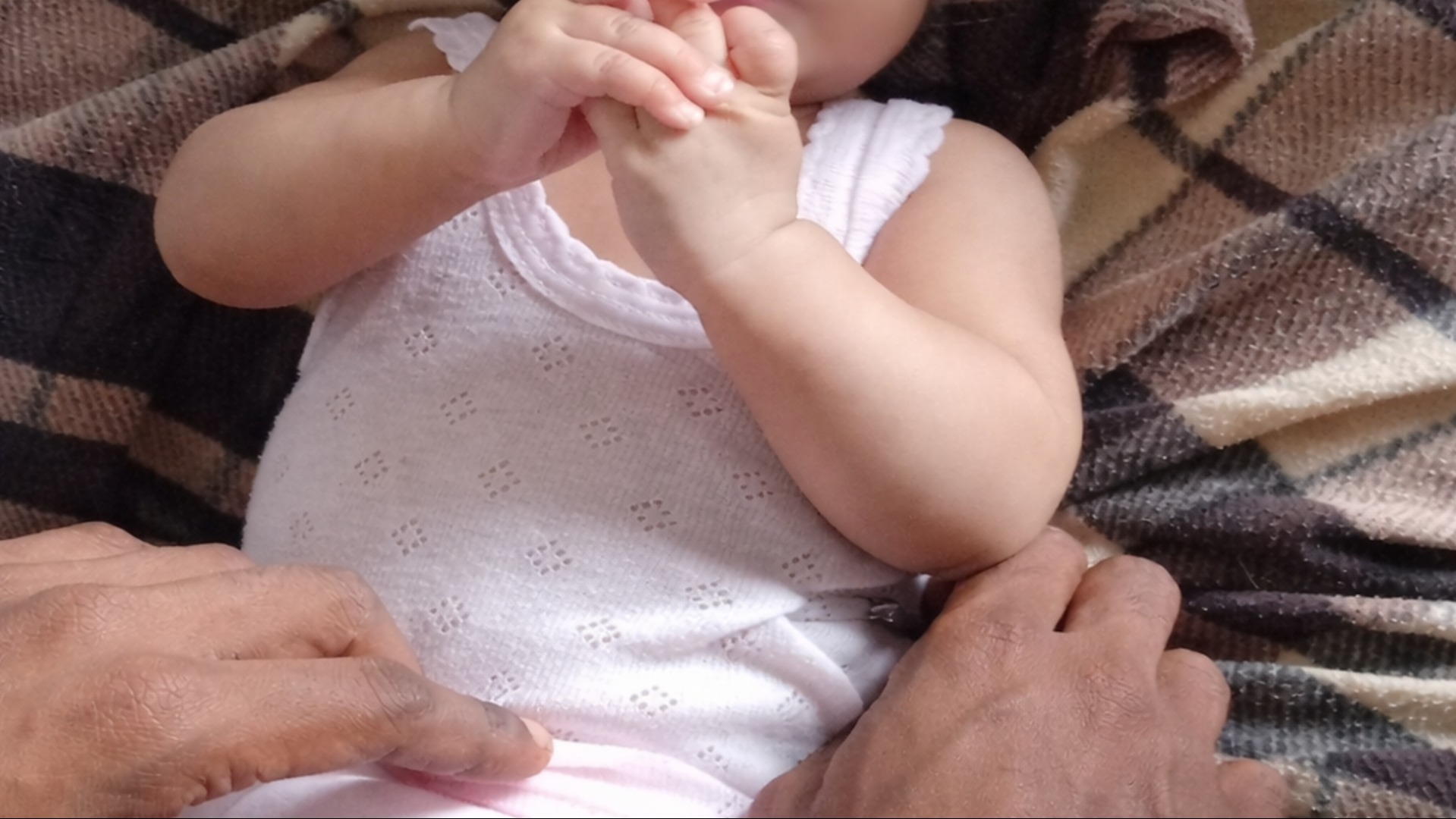
An increase in HIV infections among infants is raising serious concern, with health officials warning that this reflects a real rise in cases rather than just improved testing.
Early infant diagnosis programs now test children as young as 4 to 6 weeks, but Lead for Treatment Care Support, Dashika Balak, says the increase is not solely due to more testing and points to a growing problem of mother-to-child transmission.

While speaking at Media Capacity Building Workshop titled Breaking the Silence: Responsive HIV Reporting for a Healthier Fiji, supported by the UNAIDS-DFAT Indo-Pacific HIV Partnership, Balak says the rise is mainly among babies born to mothers who either accessed antenatal services late or initially tested HIV-negative but contracted the virus later in pregnancy, often from partners engaged in high-risk behaviours such as injecting drug use.
Insert: partners drug use 26 Mar 26
She says additional HIV testing during pregnancy has now been introduced so mothers who acquire the virus later can receive treatment in time, reducing the risk of transmission to their babies.
Balak stresses that these measures are critical to protecting newborns and curbing mother-to-child transmission.
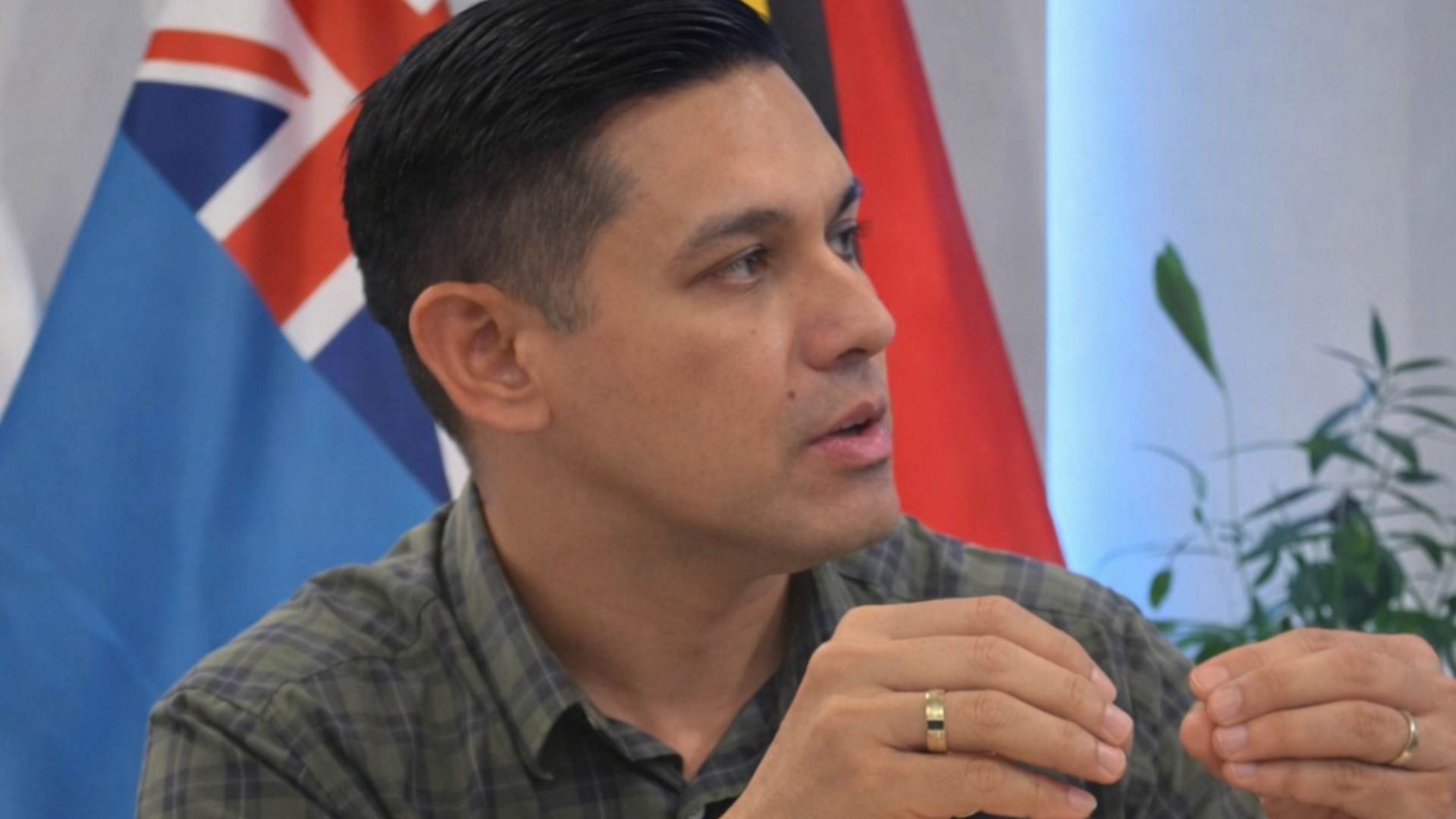
Meanwhile, Chairman of the Fiji National HIV Outbreak Cluster Response Taskforce, Doctor Jason Mitchell, is calling on the media to pressure authorities with tough questions on what is being done to address the rising HIV crisis, as Fiji considers introducing a needle and syringe program.
Dr Mitchell says journalists play a critical role in holding leaders accountable.
Insert: Dr Jason Mitchell Pressure Authorities 26th Mar
He is urging media organisations to ask: where is this program and when is it coming, as infection rates continue to rise.
Dr Mitchell says the proposed needle and syringe program is a necessary public health measure aimed at reducing the spread of HIV and hepatitis C among people who inject drugs.
He says drugs are already in the country and Fiji cannot afford to ignore the issue while waiting for broader law enforcement solutions.
Dr Mitchell adds that needle sharing is widespread, often occurring in group settings, leading to infection clusters within families and communities.
He warns the 2,016 HIV cases reported last year likely underestimate the true scale of the epidemic, with thousands more cases possibly undiagnosed.
Dr Mitchell stresses there are no legal barriers to introducing a needle and syringe program but acknowledges community sensitivities that must be carefully managed.
He says tackling HIV requires a united national effort and stronger media engagement to push for urgent action.

Stay tuned for the latest news on our radio stations