Fiji is pushing for strong action to protect the world’s oceans as countries prepare for the first ever Conference of the Parties (COP1) under the new High Seas Treaty.
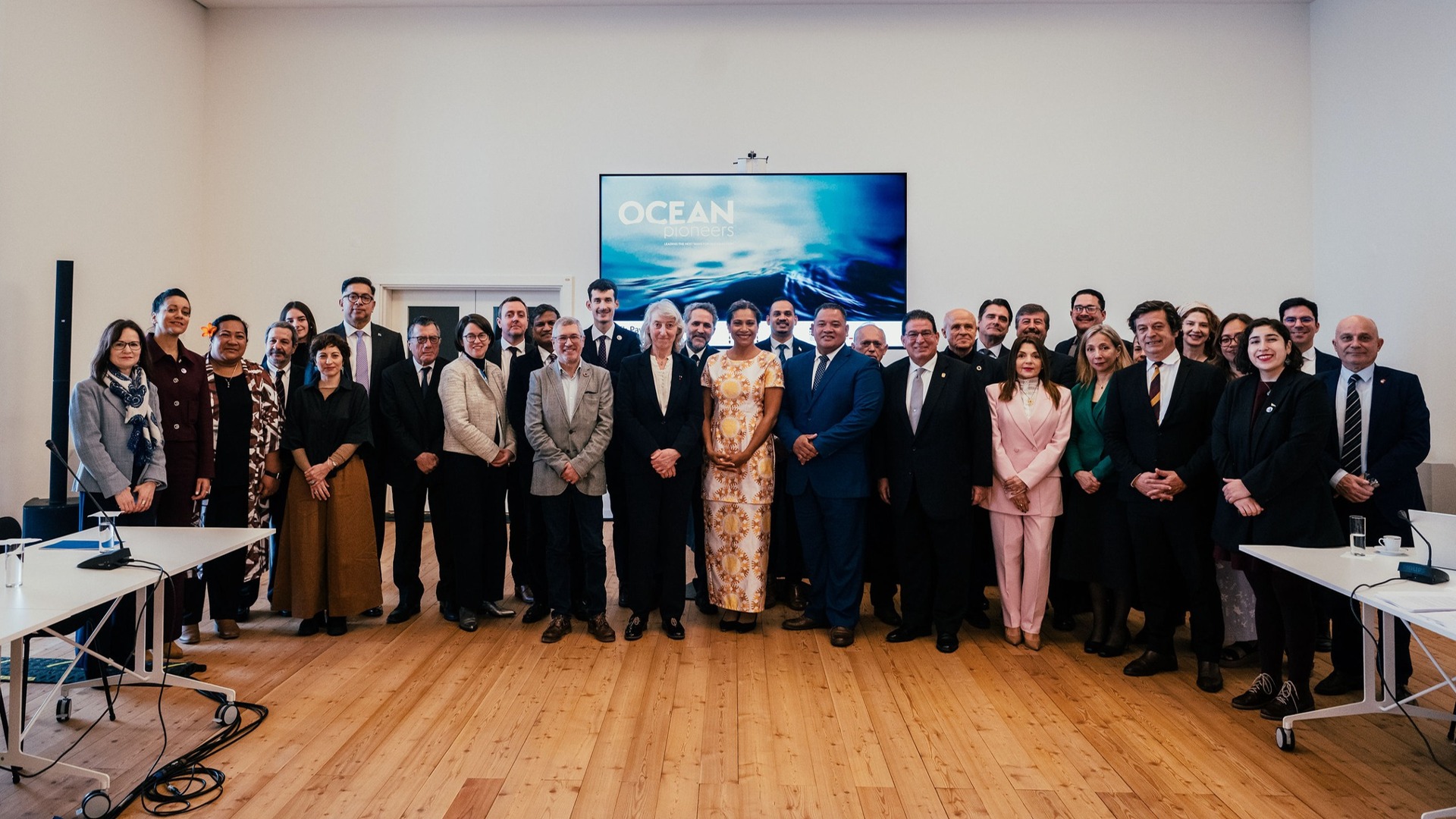
Speaking at the Ocean Pioneers Ministerial Meeting in Lisbon, Portugal, Minister for Environment and Climate Change, Lynda Tabuya says the upcoming March 2026 talks in New York (called PrepCom 3) will help set the rules and structure for this first global oceans conference.
The ministerial meeting was funded by Oceano Azul Foundation.
The High Seas Treaty (officially known as the Biodiversity Beyond National Jurisdiction Agreement or BBNJ) became law on 17 January 2026.
It allows countries to create marine protected areas in international waters, parts of the ocean that don’t belong to any one country. These waters make up nearly half the planet.
The March meeting (PrepCom 3) will be the last preparatory meeting ahead of COP1, which will be the first major global decision-making meeting for this new ocean’s treaty.
Countries around the world have agreed to protect at least 30% of the world’s land and oceans by 2030 — known as the “30 by 30” goal under the Kunming–Montreal Global Biodiversity Framework.
• We cannot reach 30% protection if we only protect areas inside our own national waters.
• We must also protect the high seas, which is the vast ocean areas beyond national borders.
Tabuya stressed that protection must be real, not just on paper.
She says marine protected areas must be properly managed, monitored and enforced, guided by science and regularly reviewed, otherwise, they risk becoming paper parks, protected in name only.
The Minister says Fiji is calling for the quick setup of the treaty’s Scientific and Technical Body, so that decisions about high seas marine protected areas are based on the best science and handled transparently.
She says for Fiji and the Blue Pacific, the ocean underpins food security, supports jobs and livelihoods, sustains culture and ways of life, and strengthens resilience to climate change.
Global promises must translate into real protection of the ocean, not just statements at meetings.
Fiji will continue working with partners at the March negotiations to ensure that the first global oceans conference (COP1) delivers real progress toward protecting our shared ocean by 2030.
For us as Pacific people, protecting the ocean is not optional. It is about survival, stewardship, and responsibility.