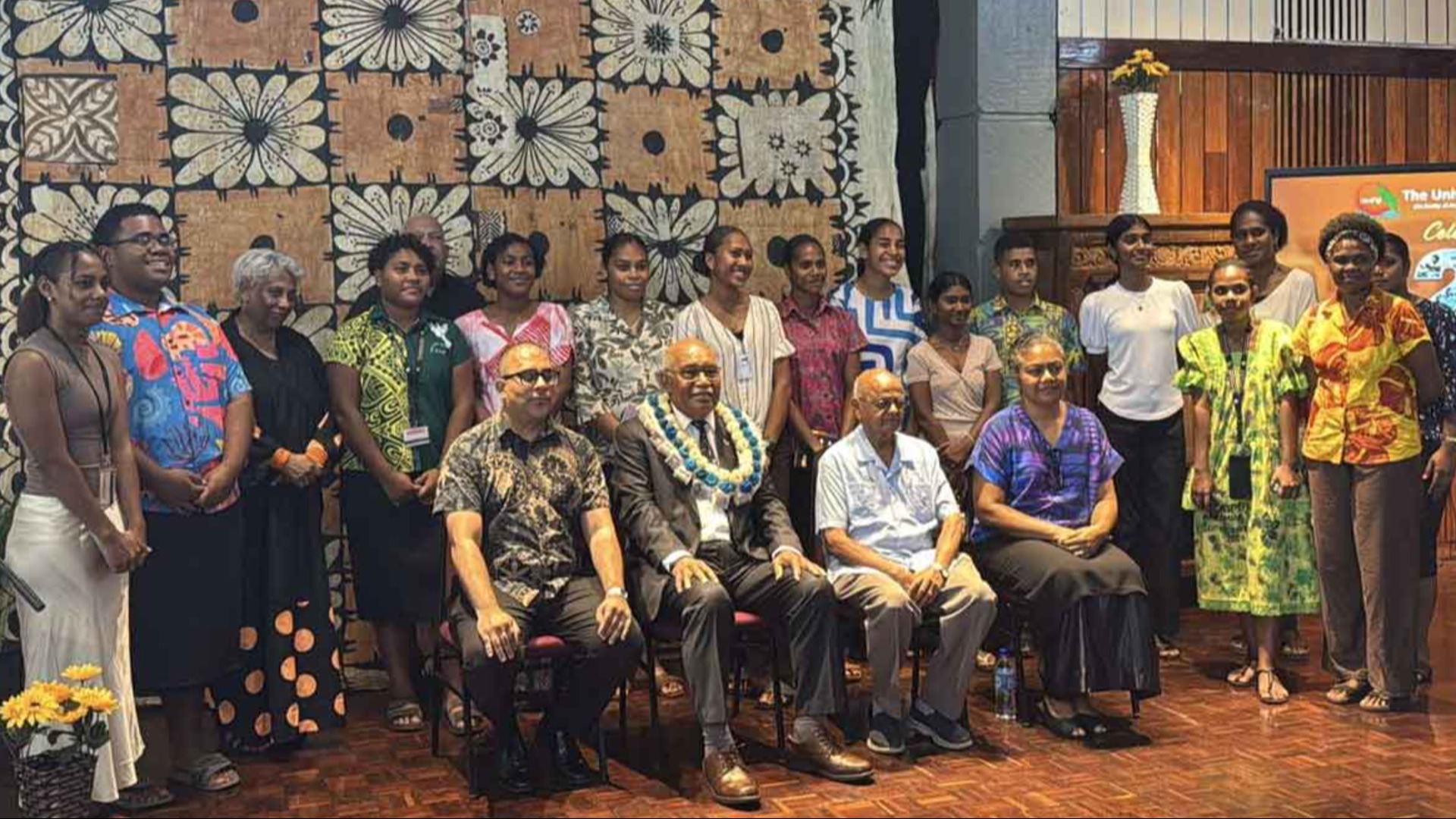
The launch of The University of Fiji's Press Club during its 21st anniversary celebrations, marks a major step towards strengthening journalism training and safeguarding media freedom in the country.
During the panel discussion, University of Fiji journalism student Joseph Balolo questioned how the Press Club will protect journalists from victimisation, particularly when reporting critically on the government.
Responding to the student, University of Fiji Vice-Chancellor Professor Shaista Shameem says the initiative will provide a safe space for aspiring journalists to engage freely, share ideas and develop professionally under the protection of academic freedom.
She highlights that the University of Fiji Act 2011 guarantees academic freedom, which will play a key role in safeguarding student journalists from victimisation while encouraging open discussion on national issues.
Insert:Shameem on Press Club 25th March
She adds that beyond technical skills, journalism training must focus on helping students recognise bias and learn how to manage it, noting that complete neutrality may be difficult, but awareness is essential.
The Vice-Chancellor stresses the importance of inclusivity, saying young journalists must be exposed to diverse communities to better understand Fiji’s multi-ethnic society and report with fairness and respect.
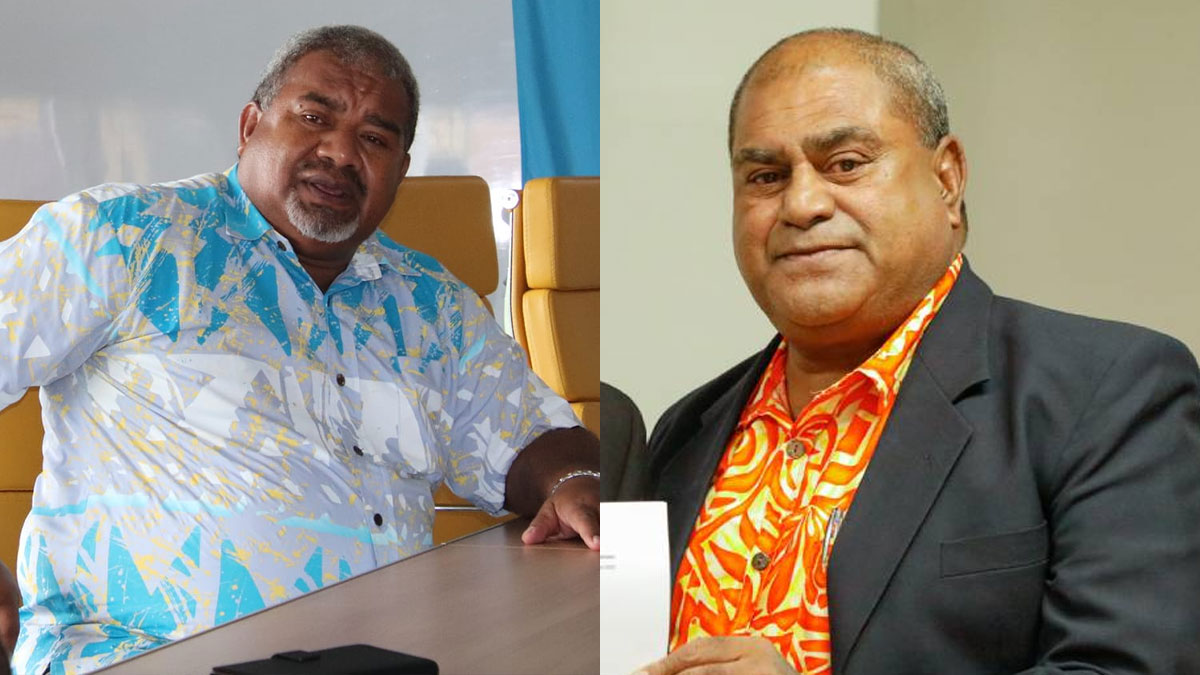
Meanwhile, the panel moderator and fijivillage News Director Vijay Narayan highlights the importance of audience-focused reporting, saying journalists must ensure their work serves the people and not individual agendas, as this helps maintain credibility even in the face of criticism.
Narayan adds that strong organisational values, continuous training, institution building and better access to resources are key to strengthening journalism in Fiji.
He says journalists must be aware of personal bias, as many may not realise they are influenced by their background or experiences.
Islands Business Publisher and former Fiji Times Editor-in-Chief Netani Rika says journalism in Fiji operates within a sensitive historical context shaped by race relations and past political events, making ethical reporting and clear guidelines critical.
He says strengthening newsroom values, continuous training and institutional support will help journalists remain accountable to the public rather than personal or political interests.
Fiji Media Association President and Fiji Sun Publisher Rosi Doviverata says self-awareness is key for journalists, including understanding personal strengths and weaknesses and being open to feedback.
She says being intentional about professional goals and maintaining discipline will help journalists uphold standards in their work.

Stay tuned for the latest news on our radio stations