21 percent of people living in Fiji do not use condoms when they should, and families are not having this conversation.
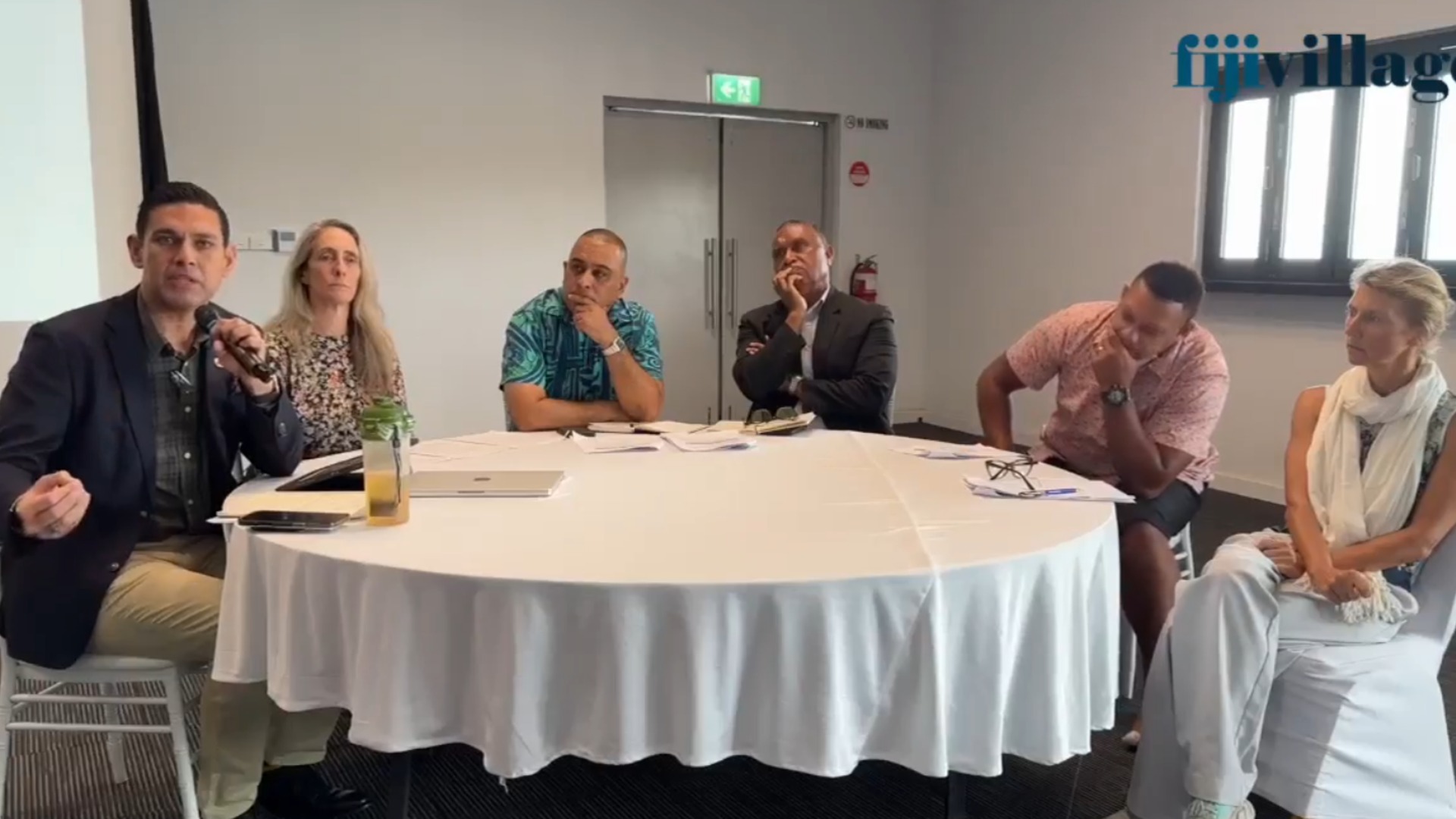
This sobering reality was highlighted by Dr Jason Mitchell, Chairman of the Fiji National HIV Outbreak Cluster Response Taskforce, during the National Talanoa Session on Responding to Illicit Drugs in Fiji: Renewing Commitment Through Action, in Lami.
Dr Mitchell warns that sexual transmission remains the most common way people become infected with HIV in Fiji, even as cases linked to injecting drug use continue to surge.
Dr Mitchell stresses that increasing condom use must be a national priority.
He revealed that 48 percent of people currently infected with HIV in Fiji acquired the virus through the sharing of needles and syringes.
However, Dr Mitchell says that the crisis is no longer confined to people who inject drugs, but through sexual contact, including to women who may not use drugs themselves but are infected by partners who do.
He raises concerns about mother-to-child transmission, warning that untreated pregnant women can pass HIV to their babies, as he notes that Fiji is seeing a worrying rise in HIV cases among children.
Insert: Dr Mitchell - HIV babies
He is calling for a comprehensive response that includes increased condom use, needle and syringe programmes, pre-exposure and post-exposure prophylaxis, alongside community and faith-based support.
He says the idea that we can educate ourselves out of this is incorrect, and that we need practical, biological interventions in the hands of our people.
Stay tuned for the latest news on our radio stations