Floods are among the most devastating natural disasters, often resulting in widespread destruction and public health crises. In addition to property damage, floods heighten the risk of waterborne diseases, which can further endanger affected populations. Proper precautionary measures are essential to mitigate these risks and protect communities from long-term consequences.
Precautionary Measures During Floods
To safeguard life and minimize damage during floods, individuals and communities should adopt the following measures:
1. Stay Informed: • Monitor weather updates and flood warnings through local news, weather apps, or community alerts. • Be aware of evacuation routes and designated safe zones in your area.
2. Create an Emergency Kit: Prepare a kit containing essential items such as: • Non-perishable food and clean drinking water. • First-aid supplies, including basic medicines. • Flashlights, batteries, and waterproof clothing.
3. Ensure Electrical Safety: • Switch off the main power supply before water enters your home. • Avoid touching electrical equipment or cables in flooded areas to prevent electrocution.
4. Avoid Floodwaters: • Do not walk or drive through floodwaters, as even six inches of moving water can sweep you off your feet or move a vehicle. • Floodwaters often carry debris, contaminants, and harmful microorganisms, posing serious health risks.
5. Secure Your Home: • Elevate essential utilities, such as electrical appliances, above expected flood levels.
6. Evacuate Safely: • Follow evacuation orders from authorities promptly. • Avoid returning to flooded areas until officials confirm it is safe.
Risks of Waterborne Diseases During Floods
Floodwaters often contain a mix of sewage, chemicals, and other contaminants, creating an ideal environment for waterborne diseases to spread. Some common risks include:
1. Diarrheal Diseases: • Diseases such as cholera and dysentery are caused by consuming contaminated water or food. • Symptoms include severe diarrhea, dehydration, and abdominal pain.
2. Leptospirosis: • Caused by contact with water contaminated with animal urine, leptospirosis can lead to fever, muscle pain, and kidney or liver damage in severe cases.
3. Hepatitis A and E: • These viral infections are transmitted through contaminated water and result in symptoms like jaundice, fatigue, and abdominal pain.
4. Typhoid Fever: • Caused by the ingestion of food or water contaminated with Salmonella typhi, this disease presents with high fever, weakness, and abdominal complications.
5. Skin Infections: • Prolonged exposure to floodwaters can lead to fungal infections and other skin conditions.
Preventive Measures Against Waterborne Diseases
To reduce the risk of waterborne diseases during and after floods, consider the following:
1. Ensure Safe Drinking Water: • Boil water for at least one minute before drinking. • Avoid consuming untreated water from wells, rivers, or other sources.
2. Practice Good Hygiene: • Wash hands frequently with soap and clean water, especially before eating or preparing food.
3. Disinfect Surfaces: • Clean and disinfect household surfaces and items that come into contact with floodwaters. • Use chlorine-based disinfectants for effective cleaning.
4. Consume Safe Food: • Avoid consuming raw or undercooked food. • Discard any food items that have come into contact with floodwaters.
5. Seek Medical Attention: • Visit a healthcare facility promptly if you experience symptoms such as fever, diarrhea, or skin infections.
Floods pose a significant threat not only to infrastructure but also to public health. Taking proactive measures during and after floods can save lives and prevent the outbreak of waterborne diseases. Communities should prioritize preparedness, education, and access to healthcare services to minimize the impact of these disasters. By staying vigilant and following safety guidelines, we can better protect ourselves and our loved ones from the dual threats of floods and associated health risks.

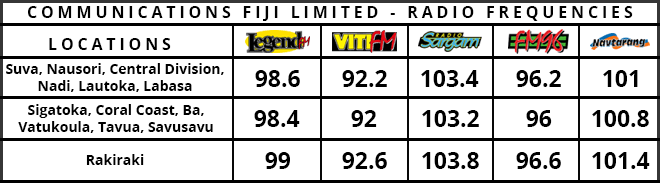
Stay tuned for the latest news on our radio stations