Fiji is set to introduce Needle Syringe Programs for people who use drugs, following endorsement from the Cabinet.
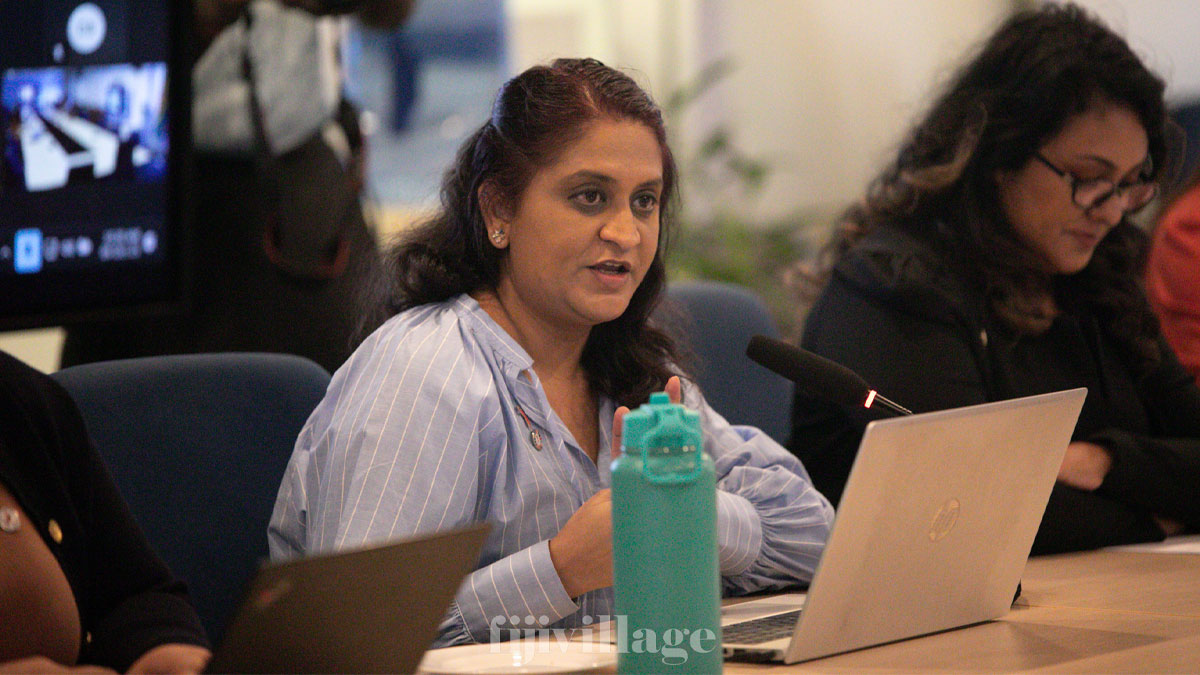
Acting Chair of the HIV Prevention Taskforce, Dr. Dashika Balak says this is because of the rising high-risk sexual practices, injectable drugs and parent-to-child transmissions driving new HIV infections.
She says a paper on the program has been drafted and submitted to the Cabinet.
She clarified that the initiative is not about encouraging drug use, but about providing a safe and sterile service to reduce the spread of infections such as HIV.
Dr. Balak says that once implemented, the program will be evaluated annually to guide any necessary changes.
Balak revealed alarming figures on HIV in Fiji, highlighting that 174 cases last year were found among adolescents aged between 10 and 19.
She says that in 2022, only six cases were recorded, but in 2023 the number rose to 33.
She says this age group tends to experiment.
To minimize new infections, Dr. Balak stressed the need for targeted intervention packages for people based on their risk behaviour.
The Acting Chair of the HIV Prevention Taskforce warns that without these measures, around 25,000 people could be living with HIV within the next four years.
Meanwhile, from January to December last year, a total of 1,583 new HIV cases were recorded, which is a 200 percent increase compared to 2023.
The Acting Chair of the HIV Prevention Taskforce says that from this only 711 people went to the clinic while 90 percent didn’t go for the treatment.
She says 126 deaths were also recorded last year where 60 were new cases.
Dr Balak says from the new cases 97 percent were adults, with males accounting for 70 percent, females 29 percent and transgender individuals 0.4 percent.
Dr. Balak says Fiji has never conducted a specific study to assess HIV cases among other gender groups, and that there has been a fourfold increase in 2024 compared to 2023.
She also revealed that only 711 out of the 1,583 people diagnosed sought treatment, with more than 90 percent did not visit clinics.
She says there has been a fourfold increase in cases in 2024 compared to 2023.
A representative from the Uniting World Church in Australia, Alice Salomon, says the Needle Syringe Program has proven to be highly effective when supported with strong advocacy.
She shared the story of a man who injected drugs 2,600 times before seeking help through the program and he is now living a much better life.
Similarly, Dr. Virginia Macdonald from the Kirby Institute in Sydney says there is a common misconception that such programs increase drug use.
She explains that NSPs are designed for people already injecting drugs, helping them stay safe and reducing the spread of blood-borne diseases.
People are being urged to visit hospitals and get tested to know their HIV status.
Stay tuned for the latest news on our radio stations