Alarming statistics have been revealed as about 90,300 adults are living with diabetes in Fiji as of last year and future projections suggest that there will be 180,600 adults who will be living with diabetes by the year 2050 but recent reports suggest that we may reach that figure earlier than anticipated.
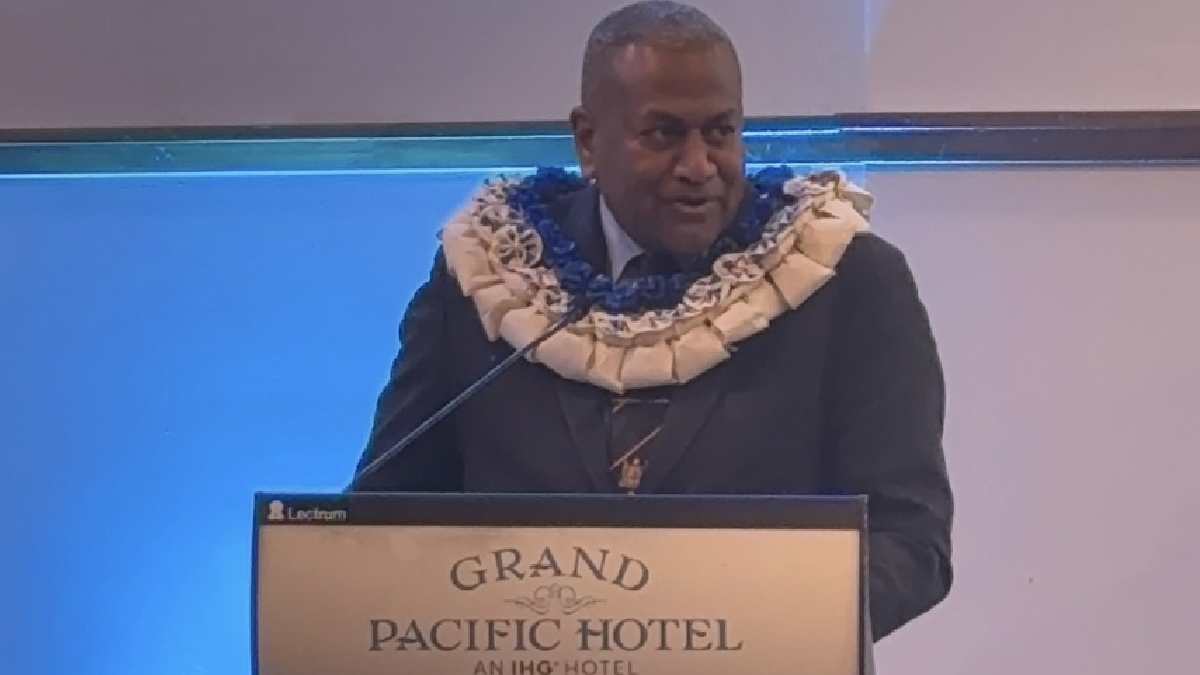
This has been highlighted by Assistant Minister for Health, Penioni Ravunawa while launching Diabetes Fiji's World Diabetes Month event at the GPH in Suva this evening.
He says according to the International Diabetes Federation, Fiji has a diabetes prevention prevalence of about 16.6 percent.
Ravunawa says in Fiji, rising amputation figures, uncontrolled diabetes and growing numbers of younger people living with the disease are real signs of alarm.
The Assistant Minister says the cost to individuals and to our nation is enormous – economically, socially and morally.
He says without bold, sustained action, the burden will only grow heavier.
Ravunawa says living with diabetes is not only about managing blood sugar, but about ensuring the overall physical, mental and social well-being.
He says the core aim of this Diabetes Campaign 2025 is to bring awareness, early detection and prevention of diabetes to the forefront of our communities; to empower individuals, families, villages, workplaces and schools across Fiji to take control of their health.
Ravunawa says through this campaign they will mobilise media and communications partners to deliver clear, compelling messages nationwide, business-houses and community networks to host wellness events, screenings, and peer-support forums and schools, workplaces and faith-based groups to adopt a “wellness culture” and integrate screening, healthy eating, movement and psychosocial support.
The Assistant Minister says primary-health clinics, hubs and mobile outreach teams will extend services into the Northern and Western Divisions, bringing screening and referral closer to home.
He says they will also strengthen persons living with diabetes and peer-support groups, such as the “soqosoqo ni matenisuka”, to act as ambassadors for wellness in their communities.
He stresses that individuals and families must take responsibility for their lifestyle choices, participate in screenings, adhere to care plans, and support one another.
Ravunawa says communities, churches, schools, and workplaces should create enabling environments that provide safe spaces for movement, healthy food options, peer support, and screening events.
He adds that the private sector can promote employee wellness, integrate health programs, partner with community initiatives, and contribute to national effort while CSOs and NGOs can offer grassroots reach, peer-led models, advocacy, and community mobilization, highlighting that we are stronger together.
He further says that Government ministries and policymakers should allocate resources, strengthen primary healthcare, implement policies for healthy food environments, regulate unhealthy product marketing, and ensure equitable access to care.
He has also highlighted that the Government will act on creating healthier food-environments, regulating marketing of unhealthy foods and sugar-sweetened beverages, promoting urban-design that supports physical activity and ensuring taxation or restrictions on harmful products.
He is urging every Fijian to get screened, know their risk, seek care, adopt healthy habits and be an ambassador for wellness in your home, village, workplace, and school.
@fijivillage.com Alarming rise in diabetes as 90,300 adults affected and numbers may double before 2050 You can read more on
♬ original sound - fijivillage

Stay tuned for the latest news on our radio stations