66 percent of women did not speak to their employers about adjustments made to support them during menopause.
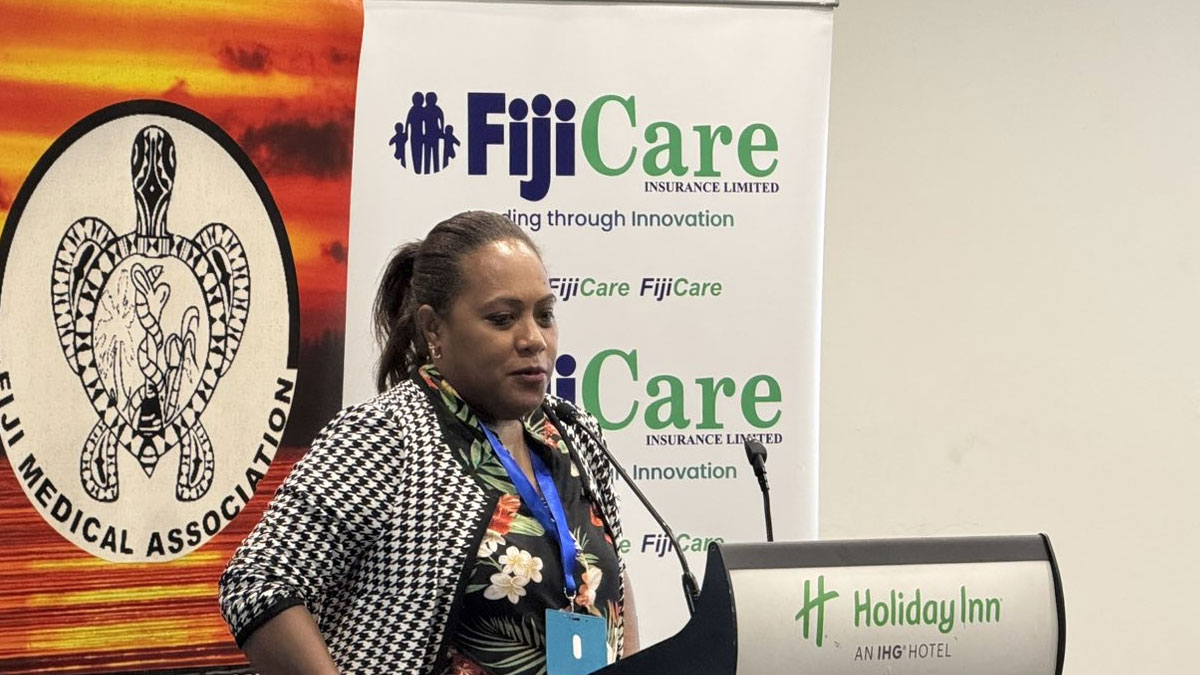
This has been highlighted by the Ministry of Health’s Gynaecologist with a special interest in Gender-Based Violence, Dr Lice Vaniqi, during the Fiji Medical Association Central Mini-Conference held at the Holiday Inn in Suva.
Dr Vaniqi says 82 percent of respondents regarding menopause agree that a workplace menopause policy should be provided by employers. She also highlighted that 25 percent of respondents reported a somewhat negative impact on their well-being and quality of life, while 80 percent of women said there is a need for greater awareness to help women better understand menopause.
Dr Vaniqi adds menopause is often perceived as something that only affects older women, and there is an ongoing effort to change this mindset in our communities.
She also highlighted that menopause typically occurs between the ages of 45 and 55, as a result of the gradual loss of ovarian follicle function and declining estrogen levels.
She adds symptoms may include irregular or heavy bleeding, hot flashes, reduced libido, and vaginal dryness.
Dr Vaniqi also highlighted that there is a lack of data concerning gender-based violence against women going through menopause.
The Minister for Women, Sashi Kiran says some women have shared that they only realised they were struggling with menopause due to the lack of open conversation around the subject.
Kiran says women do not only face challenges with menopause but also struggle with fibroids, endometriosis, and other reproductive health issues that are often misunderstood or undiagnosed.
She adds while some of these conditions are difficult to diagnose or treat in Fiji, increased awareness could make a significant difference.

Stay tuned for the latest news on our radio stations