About 59 babies were born with HIV last year, in comparison to 31 babies in 2024.
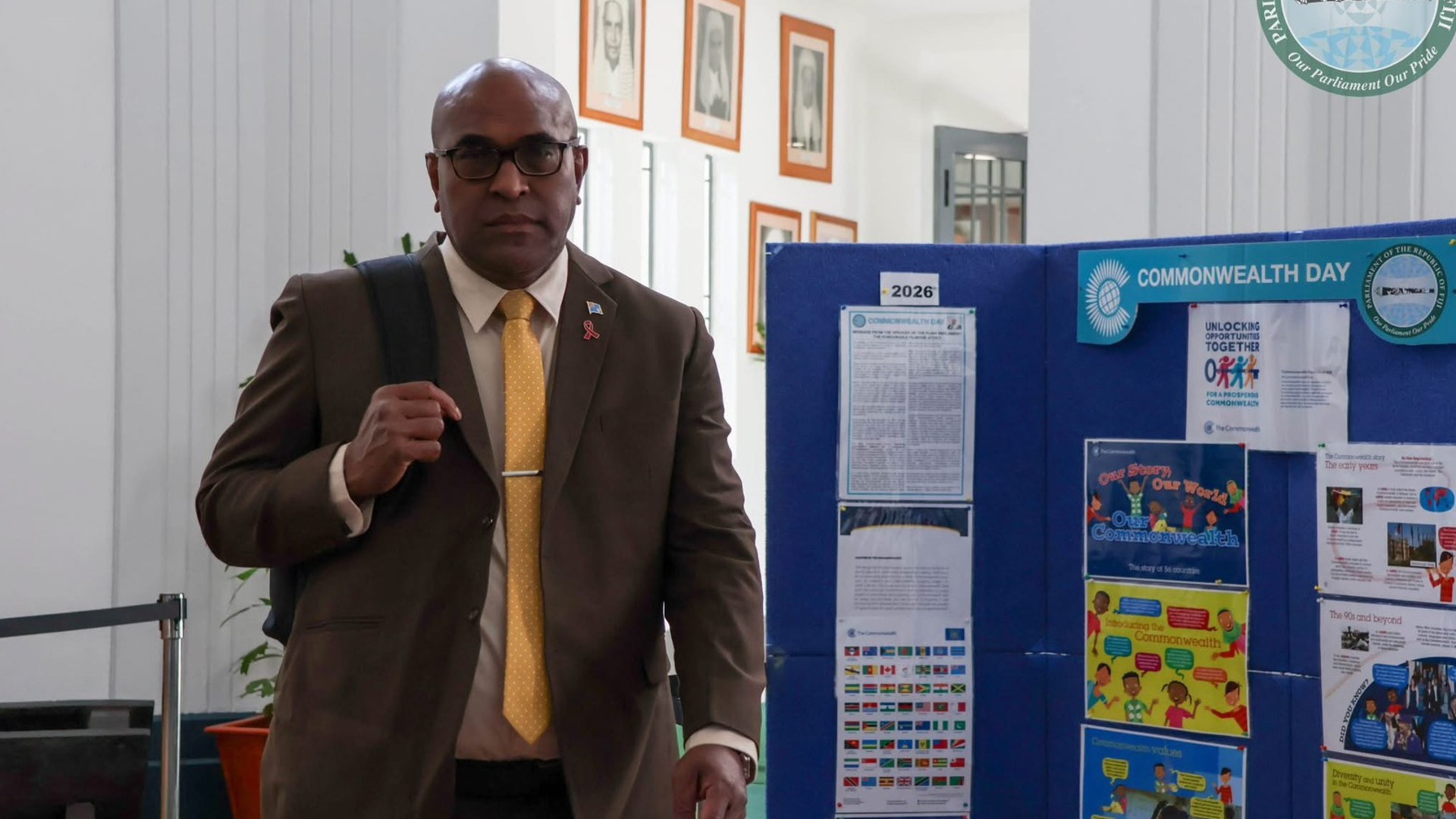
Minister for Health Doctor Ratu Atonio Lalabalavu explains that when HIV is rising in antenatal clinics, it indicates that this is no longer an outbreak confined to one population group—it is increasingly present in the wider community, putting babies at risk.
He says that on average, at least one baby died of HIV each month in 2025.
Doctor Lalabalavu also states that in 2025, Fiji recorded 2,003 new diagnoses, up from 1,583 in 2024.
He says that with the national diagnosis rate rising to 226 per 100,000, up from 13 per 100,000 in 2019, this represents a 17-fold increase.
The Health Minister notes that men remain more affected, but the gap is narrowing, showing that the infection is increasingly affecting women and families.
He also states that this trend is reflected in pregnancy surveillance: national antenatal HIV prevalence is now estimated at 3.1 percent, and at CWM it has risen sharply to 3.7 percent in 2025, up from 0.34 percent in 2023 and 1.8 percent in 2024.
He is urging Parliament’s support for a high-level, multi-sector national HIV, STI, and BBV response, working in close collaboration with communities, civil society, and technical partners, operationalized through the National HIV Outbreak and Cluster Response Taskforce.