Only a few hours remain for the delivery of the 2026/2027 National Budget- a time when we are going through one of the most turbulent periods due to many global and domestic factors resulting in the increasing cost of living pressure and the people of the country expecting solutions from the government.
2026/2027 National Budget build-up report, stay with fijivillage for live coverageBy Vijay Narayan 26/06/2026
Only a few hours remain for the delivery of the 2026/2027 National Budget – a time when we are going through one of the most turbulent periods due to many global and domestic factors resulting in the increasing cost of living pressure and the people of the country expecting solutions from the government.
Many Fijian families are struggling with the cost of living, businesses are facing higher operating costs and skilled workers continue to leave the country in search of opportunities overseas.
People are waiting to see if the government will deliver policies that assist us in ensuring we remain resilient, and ensure that there are growth opportunities and incentives to bring about positive and sustainable outcomes.
We have many challenges and the people are waiting to find out on how the government will deal with our safety and security concerns due to the rising drug trade and use, and crimes associated with these activities, the concerning HIV epidemic, many challenges in the health sector dealing with facilities and personnel, the education sector and how we can ensure our standards are lifted despite many teachers going abroad, our increasing housing needs with many families unable to purchase their own homes, providing targeted assistance to the most vulnerable in our country, infrastructure challenges including our water and sewerage network, roads and bridges, investment and employment opportunities, increasing our production through higher agricultural activity including commercial farming based on the availability of land, the overall focus on increasing productivity, the efficient use of government revenue and borrowings, and the plans and allocated budget for the next general elections.
The government also needs to have some reserves to be ready for any major shocks like a major weather situation with the El Nino period starting.
It also has to make some tough decisions as revenue projections for the current financial year are estimated at around $3.9 billion while government expenditure is projected at $4.8 billion.
Government debt is also expected to reach around $11.4 billion, equivalent to about 84 percent of GDP by next month.
While it has been stated that we all know that the government needs to borrow, the critical question is what is the money being borrowed for and how much of that will be utilised for capital works to improve services for the people.
Inflation is projected to exceed 6 percent.
It has been revealed that government expenditure has increased significantly over the past three years, rising by about 35 percent, reflecting increased spending on public sector wages, social services, infrastructure, debt servicing costs and other development priorities.
Economic growth for Fiji this year has been revised downwards from the 3 percent forecast at the end of last year to 1.5 percent, with downside risks remaining elevated.
Reserve Bank of Fiji Governor, Ariff Ali had earlier said that there are many factors that need to be considered urgently that are affecting us, which include the Ease of Doing Business in Fiji, the crime rate, drugs and HIV.
Ali said all these issues affect people and he is also concerned that the driver of the economy, tourism will be affected by some of these factors if nothing is done.
Ali had said we need to urgently address the issue of approvals and Ease of Doing Business as he had heard that $1 billion in loans had been approved for the private sector but this has not been drawn down.
Ali said the reason why these loans have not been drawn down by the private sector is due to pending approvals relating to their projects.
With foreign reserves standing at around $3.4 billion, sufficient to cover 4.7 months of retained imports, we need to continue to ensure our reserves remain above 4 months.
The RBF says the reserves are expected to remain adequate in the near to medium term, supported in part by Government loan drawdowns from international partners.
Maintaining adequate foreign reserves is essential for Fiji, as they ensure the country can continue to purchase critical imports and helps support stability in the value of the Fijian dollar.
Fiji needs to do a lot to increase it’s production and exports as our total value of exports stands at over $2 billion while our import bill is at a staggering $7 billion plus figure.
All in all, delivering the budget is a balancing act to ensure that government is able to create attractive incentives, raise sufficient revenue, and prioritise it’s spending for the required services to the people of the country.
Minister for Finance, Esrom Immanuel will deliver the budget at 10am today.
Speaking ahead of the delivery of the budget, Immanuel has called on the people not to panic as the coalition government is aware of the issues, and it is going to put in place some strategies and action plans to deal with them, and to protect the people and the economy.
The Finance Minister says most of the programs that they put in place before and during the fuel crisis are expected to continue because they are not sure when this crisis will end, however, they expect that at least the fuel price is expected to go down.
He says when the fuel crisis started, they put into place some tough measures that will continue.
However, he says they are trying to grow the economy from a stable environment, and the emphasis will be more towards capital expenditure.
Immanuel says the government will start with some of the big projects that they were supposed to do, and that will be good.
He says the focus continues on growing the economy and to also be resilient in case something happens in the future, even natural disasters or issues such as what we are facing now.
Immanuel says if you compare this financial year and the new budget in terms of the nominal dollar, the amounts will probably be the same, however, if we look at the content of those budgets, he thinks they are doing more.
He says they will also account for the increase in prices.
Immanuel says they have continued to ask the question - "so what will we do" - as most or some of those issues were highlighted during a recent economic conference that he termed as a talkfest.
He stresses they have the required strategies and action plans in place.
Stay with your fijivillage team on the latest updates on the 2026/2027 National Budget as we will let you know what taxes and duties go up or down, how it will affect your pockets, and the government’s plans for the provision of services in the new financial year.
You can follow our live coverage with our latest up to the minute updates on our website and social media pages, fijivillage.
Govt presents a budget to continue to assist people with projected prioritised spending despite challengesBy Vijay Narayan 26/06/2026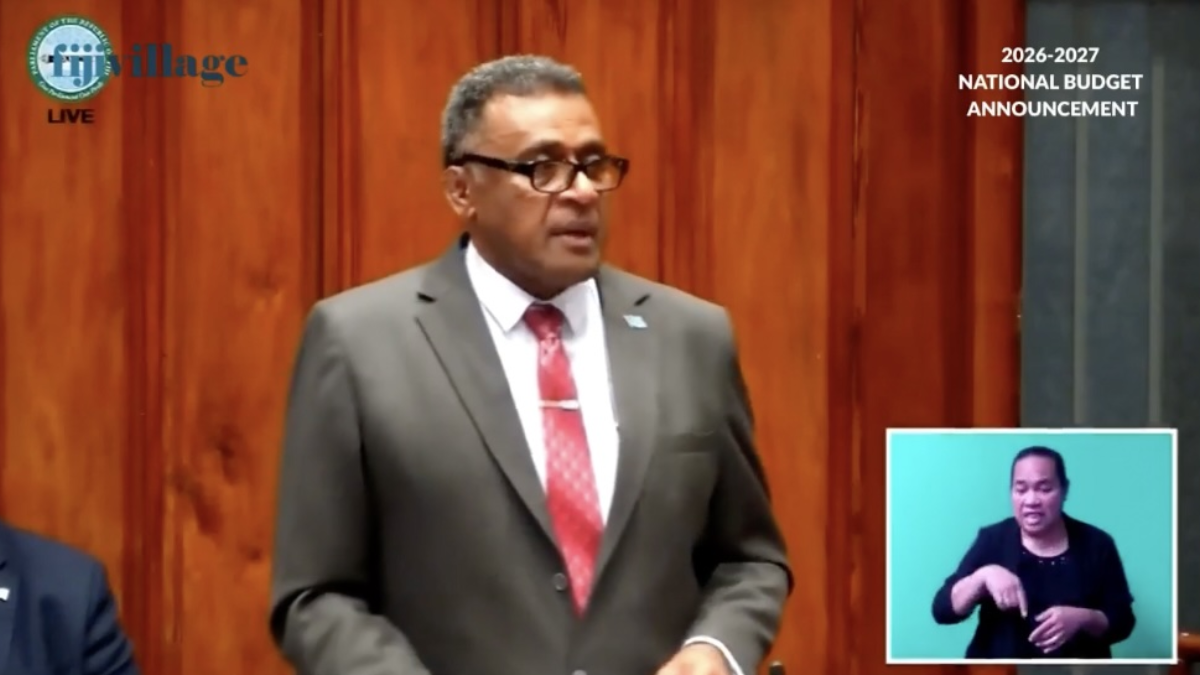
Continuing tax relief measures and subsidies, an expected reduction in fuel price, maintaining government expenditure at this year’s level for next year, ensuring capital projects kick off, maintaining the joint police and military drug operations, increased funding to tackle HIV, financially assisting our national airline Fiji Airways through a tourism service tax, and allocating funds for the general elections, a referendum and a census are some of the major announcements made in the 2026/2027 National Budget.
Good news as Minister for Finance, Esrom Immanuel has announced the FCCC will soon announce major reductions in domestic fuel prices for July and following months which should ease our inflationary pressure and cost of business.
Everyday items such as potatoes, garlic, onions, tea and cooking oil will continue to attract zero duty. Duty on lamb products, which was reduced to zero percent, will continue, while the reduced duty rate of 15 percent for beef, ducks, corned mutton, corned beef and canned mackerel, down from 32 percent, will continue.
Fruits and vegetables such as tomatoes, cabbage, lettuce, cucumber, eggplant, pumpkin, banana, avocados, mandarins, watermelons and pawpaw will continue to attract 5 percent duty, while other fruits and vegetables not produced locally, including apples, carrots, grapes, oranges, pears, celery, capsicums, mushrooms, kiwifruit, cauliflower, broccoli and nuts, will continue to attract zero duty.
The electricity subsidy and free water support for those earning $30,000 or less will continue.
Government will continue it's bus fare subsidy support in the next financial year with an allocation of $20 million. As a result, about 350,000 Fijians who rely on bus transport every day, including students using blue and yellow cards and adults using red cards, will not pay a single cent more despite the fare increase.
The Government will continue to support approximately 130,000 Fijians through social welfare, pension and aftercare programmes, with an allocation of over $200 million in this Budget.
The Government will continue the $200 Back-to-School Assistance programme. This assistance will be paid in January 2027 before the commencement of the school year, with an allocation of $40 million.
Despite the difficult situation, Government will maintain the VAT rate at 12.5 percent and continue the zero-rating on essential items including flour, rice, sugar, canned fish, cooking oil, potatoes, onions, garlic, baby milk, powdered milk, liquid milk, dhal, tea, salt, soap, washing powder, toilet paper, sanitary pads, toothpaste, kerosene, cooking gas and prescribed medicines.
The Finance Minister says this Budget contains no increase in income taxes for workers and no increase in corporate taxes for businesses.
He says at a time when families are facing higher living costs and businesses are experiencing rising operating expenses, Government has chosen not to impose additional burdens on taxpayers.
There will be no reduction in civil service salaries.
The Government says it recognises the important role played by teachers, nurses, doctors, police officers, military personnel and public servants in delivering essential services to our people. Around 42,000 public servants directly support more than 200,000 livelihoods across Fiji. While Government has implemented expenditure restraint measures across the public sector, they have deliberately chosen not to reduce the salaries of our civil servants.
Import excise on new motor vehicles will increase by 5 percent and on used motor vehicles by 10 percent. VAT on personally imported electric vehicles will be reinstated at 12.5 percent.
Import duty on passenger vehicles with seating capacity of ten persons or more will be aligned at 5 percent to encourage greater use of public and shared transportation.
Immanuel says the Price Monitoring and Enforcement Taskforce will develop a stronger framework to ensure that benefits arising from tariff reductions and protection measures are passed through to consumers.
He stresses that the joint enforcement taskforce comprising the FCCC, the Consumer Council of Fiji, the FRCS and the Ministry of Finance will intensify market monitoring and price surveillance to ensure that tax and duty reductions are appropriately reflected in retail prices.
Immanuel says where evidence of unreasonable pricing behaviour is identified, Government will not hesitate to introduce price controls on additional essential items, remove tariff protections and apply the full penalties available under the law.
Government will also undertake a detailed study into shrinkflation and other emerging consumer issues affecting everyday products and services.
Import duty on aluminium structures such as doors and windows will be reduced from 32 percent to 15 percent.
Import duty on PVC boards will also be reduced from 32 percent to 15 percent.
Import duty on flavoured milk will be reduced from 32 percent to 15 percent. Import duty on plant-based food preparations will be reduced from 32 percent to 5 percent.
Government will introduce a new incentive package for the establishment of veterinary centres, animal sanctuaries and animal welfare facilities. Donations to qualifying animal welfare organisations will attract a 200 percent tax deduction.
Government will also introduce a 150 percent tax deduction for investments in new sporting facilities, gyms and sports development infrastructure.
The existing 200 percent tax deduction available for sponsorship of the Fijian Drua will be extended to Bula FC. The minimum sponsorship threshold will be reduced from $250,000 to $100,000, making the incentive more accessible to a wider range of businesses.
Government will introduce a new package of incentives to support Peer-to-Peer Lending and Equity Crowdfunding platforms. Qualifying providers will receive a five-year tax holiday.
Income earned from investments of up to $200,000 annually through licensed Peer-to-Peer Lending platforms will be exempt from tax. Tax-free treatment will also be extended to qualifying institutional investors and capital gains tax exemptions will be expanded to include eligible Equity Crowdfunding investments and innovation-based enterprises. These measures will help broaden access to finance, particularly for small businesses and start-up enterprises.
A five-year tax holiday will be introduced for businesses investing at least $5 million in new mahogany processing facilities. This incentive will support value addition, downstream processing and employment opportunities within Fiji's forestry sector.
Government will also introduce a thirteen-year tax holiday for businesses investing at least $20 million in the establishment of a new cement manufacturing facility.
A new tax incentive will be introduced for companies with at least 30 percent iTaukei shareholding investing in eco-tourism, cultural tourism and arts-related businesses.
Qualifying investments between $5 million and $10 million will receive a seven-year tax holiday, while investments exceeding $10 million will receive a thirteen-year tax holiday.
Government will extend duty concessions on diesel for hotels, resorts and mining companies until October 2026.
Duty concessions currently provided to bus operators will also be extended until October 2026. This measure complements Government's decision to fully subsidise the recent 22.5 percent increase in bus fares and will help maintain affordable public transportation for our people.
Duty concessions on diesel and heavy fuel oil currently provided to Energy Fiji Limited will be extended until October 2026. This support will assist EFL in managing fuel costs while maintaining a reliable electricity supply across the country.

Elections, Referendum and Census
For the conduct of the upcoming elections, the Fijian Elections Office has been allocated $23.2 million to cater for the preparation of the upcoming General Elections.
In addition, a separate budget of $18.2 million has been set aside under Head 50 to cater for the main election day expenses.
The Electoral Commission is provided a funding of around $556,000, while for the conduct of the national referendum a funding of $20 million has been set aside.
The 2027 Census will also be conducted with a total funding of $12 million in this budget.

Tourism and Fiji Airways assistance
Immanuel says to assist Fiji Airways, the tourism industry has also come on board to support Fiji Airways and has broadly supported a temporary 5 percent tourism services tax on all hotels and tour and cruise operators with an annual turnover of $2 million or more for the next 12 months.
The revenue generated from this 5 percent tourism tax will be ring fenced and fully directed to Fiji Airways.
The industry has broadly agreed that the burden of the tax will be largely absorbed by the hoteliers and tour & cruise operators and not passed on. The 5 percent tourism tax will be effective from 1st September 2026 and is expected to generate around $70 million for the airline.
Immanuel says recently the airline has been under some financial pressure following the substantial price increase in aviation turbine fuel and at a time when the airline was still recovering from the massive financial losses registered during the pandemic.
He adds Government as the major shareholder and given the strategic importance of Fiji Airways will support the airline with the planned $200 million Government guarantee that will be brought to this Parliament soon.
In this budget, they are extending the loss carry-forward provision for the airline from the standard 8 years to 15 years and waiving fees and charges amounting to around $10 million for the next 12 months.
They are also working together with other key stakeholders including Fiji Airports, Air Terminal Services, Civil Aviation Authority of Fiji, Fiji National Provident Fund and Fiji Development Bank to help ease the financial pressure on the airline.
The government is also working with the investor community to fast track and support investment in adding additional hotel room capacity.
The major hotel investments will add around additional 5,500 rooms with these hotel projects valued at over $3 billion. Of these 5,500 rooms, around 1,400 are in construction stage, 2,500 rooms in pre-development stage and around 1,600 rooms in conceptual stage.
The Minister for Finance says we need to support Fiji Airways, our national airline, which brings most of our tourists and plays a critical role in positioning Fiji as the aviation hub of the South Pacific.
The Ministry of Tourism and Civil Aviation is allocated a budget of $75.8 million in 2026-2027.
Tourism Fiji has been allocated $41.7 million, including $33 million for marketing. As global travel conditions become more uncertain, Tourism Fiji is re-strategising its marketing efforts to ensure Fiji remains competitive and delivers greater value from tourism.

Major boost for health sector and increased funding for HIV
The Government is embarking on a major $500 million health project, namely Pacific Healthy Islands Transformation Project with the support of the World Bank, Asian Development Bank, and OPEC Fund.
While announcing a $647 million allocation to the health sector in the next budget, Minister for Finance, Esrom Immanuel says $477 million is provided to the Ministry of Health to fund the salaries of doctors, nurses and allied health professionals, procurement of medicines and medical supplies, and purchase of biomedical equipment.
The Minister says they will establish Fiji’s first radiotherapy and cancer treatment centre at CWM Hospital.
Construction will begin in the year ahead, with completion over the following years.
The facility will house linear accelerator technology and chemotherapy capacity to treat up to 60 patients daily.
This will reduce reliance on overseas referrals and provide lifesaving opportunity to our people.
The Government will expand acute care capacity at CWM Hospital, adding 56 new beds for adults and children. This will address the persistent congestion and connect maternity services to operating theatres, eliminating over time the current reliance on container walkways.
Within the next year, 17 priority facilities for primary health care, across urban, rural and maritime areas, including Valelevu, Nuffield, Balevuto, Kabara, Tukavesi, Lami, and Nausori, will move through design, procurement and early works, with selected sites already beginning upgrades.
Immanuel says keeping the CWM Hospital operational and safe remains a critical priority until the new national tertiary hospital is ready.
The Government of Australia is supporting the master planning for the new national tertiary hospital in Valelevu.
Australia has committed AUD$10 million for urgent priority infrastructure upgrades at the existing CWM Hospital. The first tranche of works includes roofing and drainage remediation across key hospital buildings, installation of a new 200,000-litre potable water storage system with filtration, UV treatment and pumping, remediation of maternity sewer infrastructure and refurbishment of the Acute Patient Ward.
$120 million is provided for the ongoing operations and maintenance costs to Health Care Fiji for the Lautoka and Ba Hospitals.
The Government of India is also in advanced stages for the commencement of the construction of a 100-bed Super Specialty Hospital in Nasinu. Land acquisition is now complete, while detailed design and tender process is currently underway. Construction is expected to start early next year.
HIV response is allocated $12 million.
The Minister says the HIV issue has become a major threat to our people, and an urgent and decisive response is required to fight this crisis. With the support of Government of Australia, New Zealand and other development partners, Government has put together a multipronged response strategy focused on fighting drug use (which is lead cause of the HIV problem), raising national awareness, procuring HIV medicine, investing in identification and treatment, investing in required healthcare skills and overall preventative measures.

Increased funding for law enforcement for public safety, $1.6 million to support joint narcotics operations
To help maintain law and order and ensure the safety of all Fijians, the Government has allocated $226.5 million to the Fiji Police Force in the 2026/2027 National budget, with a key focus on filling around 400 vacant positions to boost its manpower.
Minister for Finance Esrom Immanuel says the first phase of recruiting the additional 538 officers was completed in the 2025/2026 financial year, increasing the force's strength to more than 5,000 officers.
The Minister says $1.6 million has been allocated to support narcotics operations and the continued establishment of the Counter Narcotics Bureau.
For the Republic of Fiji Military Forces, the Government has allocated $152.6 million in the next Budget, with a key focus on strengthening Fiji's ability to combat transnational crime, particularly through its role in the Joint Counter Narcotics Task Force.
The Finance Minister says increased funding has also been allocated for maritime surveillance and border protection, including inter-agency coordination.
Immanuel says the Fiji Corrections Service has been allocated $64.7 million, with increased funding to support the final phase of the Job Evaluation Exercise undertaken in the 2024/2025 financial year and aligned with the "Pay by Rank" pay structure.
Free education, free bus fare scheme continues and $160 million for TELS
Good news for parents, with the Free Education Scheme set to continue in the next financial year after the Government allocated $61 million in the 2026/2027 National Budget.
While delivering the 2026/2027 National Budget, Minister for Finance Esrom Immanuel announced that $54 million has been allocated for transport assistance and $40 million for the $200 Back-to-School Assistance Programme.
He says an additional $74.5 million has been allocated for operating grants to higher education institutions.
Immanuel says the education sector has been allocated $883 million in the 2026/2027 Budget, the largest sector allocation, accounting for 18 per cent of the total Budget.
He says this includes $434 million for the salaries and wages of more than 13,000 teachers.
The Minister says the Government will introduce a new Postgraduate Diploma Scholarship Scheme to help meet changing labour market demands by supporting professional upskilling in priority sectors, while continuing funding for in-service public sector scholarships, apprenticeship programmes and technical skills training.
He says these initiatives will help address critical skills shortages, improve productivity and strengthen Fiji's long-term economic resilience.
Immanuel says $160 million has been allocated for TELS scholarships in the 2026/2027 Budget, benefiting 23,000 students, including 14,000 continuing students and 9,000 new students.
FNPF
To assist employers and preserve employment, the Government will reduce the FNPF employer contribution rate from 10 percent to 8 percent. Employee contributions will remain unchanged at 8 percent.
This reduction in the employer contribution rate will take effect from 1st August 2026 and will remain in place for a period of 12 months.
The FNPF Board has declared an interest rate of 9.5 percent to members for 2026.
FNPF has delivered another strong performance in FY2026, with total investment income of over $1.2 billion - a result that reflects growth across every major asset class compared to the financial year ended June 2025.
Other announcements
The Minister for Finance says any minimum wage increase must be carefully aligned with productivity improvements and take into account the impact on businesses, particularly micro, small and medium enterprises. $100,000 has been allocated in the budget to review the minimum wage in the next financial year.
The private GP scheme, which was introduced as a temporary response during the COVID-19 period will now be funded from the remaining balance in GP Trust Fund.
To support training and skill development, Government is recalibrating the NTPC levy allocations.
Effective from 1st January 2027, 50 percent of the levy will be redirected towards training and skills development, 10 percent will be allocated for public sector training through the Fiji Learning Institute for Public Service (FLIPS) and 40 percent will continue to support the workers compensation from the ACCF and Ministry of Employment. Government has also introduced a 200 percent tax deduction for eligible training and upskilling expenditures for employers.
$400,000 is provided for the review of the civil service to improve service delivery.
Government will undertake a comprehensive review of State-Owned Enterprises and selected public bodies.
The review will identify opportunities to improve efficiency, strengthen governance, increase profitability, eliminate duplication and, where appropriate, consider restructuring, partnerships or divestment.
Immanuel says the taxpayers deserve value for money and Government assets must work harder for the benefit of the people.
The Government will undertake a study into the establishment of a Sovereign Wealth Fund for Fiji. This work will be undertaken by the Ministry of Finance together with either the Fiji National Provident Fund or the Fiji Investment Corporation Limited.
The objective is to explore whether Fiji should establish a Government-owned investment fund that can generate long-term returns, strengthen national savings and support future development priorities.
As part of the financial sector reforms planned for the next 2026-2027 financial year, the Reserve Bank of Fiji will pick-up again on the work it initiated a decade ago regarding the finalisation and implementation of a legislation to provide for the regulation and supervision of pension funds, and of persons concerned with the establishment, operation, administration and intermediation of pension funds in Fiji, including the Fiji National Provident Fund.
The Fiji Revenue and Customs Service has been allocated a budget of $51 million.
A key initiative is the construction of new purpose-built Container Examination Facilities in Suva and Lautoka. This major investment by FRCS with the assistance from the Australian Government, will significantly enhance cargo screening and inspection capabilities, strengthening Fiji's ability to detect illicit goods, combat transnational crime and protect our borders.
The Office of the Attorney-General is allocated $9.8 million in the 2026–2027 Budget. The Fiji Law Reform Commission is allocated $750,000 to continue its programme of legislative review, stakeholder consultations and law reform initiatives.
Government is also providing $1 million to support the work of the Constitutional Review Commission. This funding will facilitate nationwide stakeholder consultations across 104 communities, public awareness and civic education programmes, media engagement and other activities to ensure that Fijians have the opportunity to meaningfully participate in the constitutional review process.
The Ministry of Policing and Communications is provided a funding of $34.2 million in the 2026-2027 Budget.
$4 million is provided to continue the rollout of the BusinessNOW Building Permits and Approval Subsystem, which will fully digitise the construction permit approval process, making it faster, more transparent and easier for businesses and investors to obtain approvals.
The Ministry of Immigration has been allocated $14.8 million, including $5 million for the procurement of 100,000 passport books and $225,000 to combat human trafficking and ensuring compliance with national and international best practices and standards.
Through the iTaukei Resource Owners Support and Development Fund, Government will continue assisting landowners to unlock the economic potential of their land through residential and commercial development opportunities. This programme supports landowners to move beyond simply leasing land and become active participants in economic growth. A funding of $3.8 million has been allocated to support this.
The Ministry of iTaukei Affairs has been allocated a funding of $33.1 million in the 2026-2027 Budget.
A key initiative in the coming financial year is the launch of Fiji's first municipal Sorting-at-Source Programme in Sigatoka. Under this pilot, households will separate recyclable and household waste at source, reducing the amount of waste sent to landfill and supporting a cleaner environment for future generations.
$300,000 has been provided to support the declaration of Navua as a town.
$3 million has been provided for the Western Division Dumpsite Remediation Programme.
The Ministry of Rural and Maritime Development has been allocated $35.4 million to continue improving the quality of life for Fijians living outside our urban centres.
Increased funding of $3 million is provided for construction and upgrade of community access roads, footpaths and foot bridges to help connect communities to schools, health facilities and essential services.
To incentivise landowners to continue making land available for agricultural purposes, Government will continue to fund the Committee for Better Utilisation of Land (CBUL) Programme with a total allocation of $6.9 million.
The Government will focus on sugar industry diversification in the medium term. However, in the interim the sugar industry will continue to be supported with funding support of $96.3 million. Amidst declining world sugar market prices, Government will continue with the guaranteed price of $85 per tonne for the 2026 season. With the forecast price of $57 per tonne, $41.6 million is allocated in the Budget based to cater for around a $28 per tonne top up payment.
Additional support for the sector will continue with a budget of $30 million for fertilizer and weedicide subsidy, cartage subsidy, upgrade of cane access roads, cane planting grant farm mechanization, farm incentive programme, and support for new farmers.
The Ministry for Agriculture, Waterways and Sugar Industry is provided a total funding of $221 million in the 2026–2027 Budget.
The Ministry of Women, Children and Social Protection is provided a total funding of $211 million. This will cater for welfare support to over 130,000 Fijians, including our vulnerable children, elderly, disabled and rural pregnant mothers.
$1.3 million has also been allocated for the Relocation and Resettlement of Informal Settlements and $500,000 is allocated to Habitat for Humanity. These projects will assist the Ministry of Housing to undertake civil works for the relocation and resettlement of 1,200 households from Veidogo, Nabua Muslim League and Kilikali to Koronivia and Mokosoi Greenfields.
$10 million is provided for the formalisation of 9 informal settlements in Tore, Field 4, Valewaquyaya, Sakoca, Vuniika, Nabare, Delaisaweni, Lovu seaside and Caubati.
$3 million is allocated to support first home buyers in the 2026-2027 Budget. Government has approved a revised structure for the First Home Ownership Assistance Programme to enhance housing affordability for low and middle-income households.
Under Category 1, households earning $30,000 or less, including those displaced from informal settlements such as Veidogo, Nabua Muslim League and Kilikali, will be eligible for grants of up to $40,000 for home construction and $30,000 for home purchase.
Category 2 has been revised to target households earning above $30,000 to $60,000. Under this category, the home purchase grant has been increased from $5,000 to $15,000, while the home construction grant remains at $20,000.
Housing Authority is working towards providing more than 2,900 residential lots and around 1,800 complete houses for sale in Nepani, Wanibuku, Davuilevu, Tavakubu, Tavua, Wairabetia, Tacirua, Waqadra, Waila and Veikoba.
The Government is also working together with PRB to invest in more low-cost housing projects.
Government is also collaborating with other key partners like Habitat for Humanity, HART, Koroipita and other private sector partners to deliver affordable housing solutions.
The Government will provide an exemption on outstanding wheel tax and road user levy for vehicles that have been off the road for a period of time, are in roadworthy condition and are presented to LTA for fitness inspection and renewal. The amnesty is intended to assist vehicle owners who have accumulated arrears in Wheel Tax and Road User Levy payments over time.
The upgraded NODA LTA platform will enable customers to conveniently access key services online, including renewals of driver’s licence and payments, thereby significantly reducing the need for in-person visits.
WAF is also in the process of formulating an infrastructure development charges framework to support economic development by catering to the growing demand for water and wastewater services for non-residential developments through a more sustainable and equitable cost-sharing mechanism.
WAF will establish a regional Water Academy to build the technical and vocational skills required to manage water supply and wastewater operations. This initiative is funded by a $10 million grant from ADB.
The government is looking at upgrading the Denarau Island wastewater infrastructure, the Pacific Harbour Wastewater Treatment Package Plant, and supporting localized wastewater treatment plants, pump stations, and distribution systems.
In the Western Division, the upgrading of water infrastructure is in progress at Dreketi Feeder Road, Vuda, and Wairabetia. These upgrades will benefit 18,000 people living within and along Dreketi Feeder Road, Vuda, Wairabetia, Nadi Airport, Nadi Back Road, and Sabeto Road. They are also investing in water extensions to previously unserved communities such as those in the Korovuto area in Nadi and the Coral Coast region in the Votua area in Sigatoka.
In the Northern Division, the government is upgrading the Benau Water Treatment Plant, undertaking water mains upgrades to Rara and Volanau in Labasa, constructing a new storage reservoir at Raviravi, and carrying out improvement works for Naidriva in Savusavu. In addition, the proposed Wainivasa water source in Taveuni is in progress.
To meet future demand for safe, reliable water supply in the greater Suva area, $1.2 million is allocated for pipeline realignment from Savura Pump Station to Tamavua Water Treatment Plant, and $2 million is budgeted for the preparatory works for the expansion of the Viria Water Treatment Plant from 40 megalitres to 80 megalitres as part of Phase 2 investments. These investments in the future will benefit 244,000 people living in the Suva–Nausori corridor.
The Water Authority of Fiji is provided with an increased funding of $291 million to upgrade and expand water and wastewater infrastructure around the country, including the upgrading of water sources, treatment plants, reticulation, distribution and non-revenue water reduction.
Major projects include $7 million budgeted for civil works and installation of a new 20-megalitre package plant at the Tamavua Water Treatment Plant. The project is targeted for completion in June 2027 and is expected to benefit 150,000 people living along the Suva to Togalevu corridor.
$11 million is allocated for the installation of 11.73 kilometres of new water mains, construction of a state-of-the-art pump station, and two 5-megalitre reservoirs. The project is targeted for completion in June 2027 and will provide reliable water supply for 14,000 people residing in Sawani, Colo-i-Suva, and Khalsa Road.
The Water Authority of Fiji has begun work on the development of a new water treatment plant in Navua as well as a new water supply scheme in the Wainadoi area, which will cover an area from Naboro to Nabukavesi, with the potential to extend towards Togalevu and Namelimeli in Navua, benefiting a population of 11,000.
The Government is working with the Government of China to upgrade approximately 82 kilometres of rural roads and the construction of 22 bridges, with a focus on strategic corridors such as the Nabouwalu, Wailevu West Coast and Natewa West Roads. Works are expected to commence during the later part of the year.
Civil works are expected to commence in the new financial year on the replacement of four critical bridges, namely the Lami Bridge at Suvavou, Medraukutu Bridge near the Lami Cement Factory, Sabeto Bridge, and Viseisei Bridge linking Nadi and Lautoka. $41.5 million is budgeted for this project in the new financial year. The full project cost is estimated at around $400 million, and funding has already been secured through the ADB and the World Bank.
Works are also in progress to finalize the detailed designs of six other critical bridges in the new financial year. This includes the planned replacement of the Sawani, Namotomoto, Lomolomo, and Labasa bridges, earmarked in the next phase.
The detailed design for the temporary and permanent bridge replacement is nearing completion for the Labasa Bypass Project.
$4.5 million is allocated to conduct feasibility and design studies for road widening along Delainavesi to Veisari, Veikoba to Laqere, Princes Road, and Nasoso to Navutu (in the Nadi–Lautoka corridor).
To ease traffic congestion experienced by commuters travelling on major urban road networks, the Government is providing the Fiji Roads Authority with a sum of $20 million in the next financial year. Of this, $15 million is budgeted for the widening of Ratu Dovi Road, construction of the Extension Street bypass to connect with Brown Street, and upgrades to Ratu Sukuna Road.
Government is providing $821 million to the Ministry of Public Works, Meteorological Services and Transport.
The Fiji Roads Authority is provided a funding of around $370 million. This includes $118 million for road maintenance; $77 million for road renewals, replacement, and resealing; $35 million for bridge renewals and crossing replacements; and $26 million for new sealing and upgrading of community and rural roads.
The Government is embarking on a major transformational Port expansion and redevelopment project to develop the Suva Port into a modern port facility.
The full project cost will be over $1.5 billion and will be implemented over a period of 5 years. Plans are also underway for further investments and expansion at the Lautoka Port including investment in shipbuilding and maintenance to serve Fiji and the region.
To support Fiji's national renewable energy and energy security objectives, EFL is progressing an investment program of approximately $2 billion, one of the largest infrastructure investments in our nation's history.
This program includes two new hydropower schemes providing 50 mega watts of renewable baseload power, approximately 165 mega watts of solar generation with battery storage, major grid upgrades, investment in transmission redundancy and the replacement of ageing infrastructure.
These investments will support Fiji's target of increasing renewable energy generation to 60 percent and ultimately 90 percent by 2035, while reducing dependence on imported fuel and strengthening long-term energy security.
Government will also continue advancing the Nadi River Flood Alleviation Project. This project, estimated to cost approximately $400 million, is being supported by the Australian Infrastructure Financing Facility for the Pacific, the Japan International Cooperation Agency and the Asian Development Bank. $3 million is allocated in this budget for initial preparatory works.
The first phase of the programme will finance strategic investments in roads, airports, water supply, sanitation, energy and waste management infrastructure across Vanua Levu and Taveuni. $20 million has been provided in this Budget for implementation activities next year.
The implementation has also commenced on the $440 million ten-year Vanua Levu Tourism Development Programme, known locally as the Na Vualiku Project.
Investment Fiji and the Ministry of Immigration have agreed to work together to fast-track the issuance of investor permits. Investment Fiji will provide a pre-engagement letter to the Ministry of Immigration containing key information required to process investor permit applications. This initiative is expected to reduce the processing timeframe for investor permits from 21 days to a maximum of 5 days.
Cabinet has established a high-powered taskforce to fast-track investment projects that are being delayed by approval agencies. This initiative will not bypass any laws, regulations or requirements. Rather, it will promote a more coordinated, solution-oriented and efficient decision-making process to support investment and economic growth.
Some of the major projects completed and commenced operations recently include FHL Towers in Suva, Ramada Encore in Labasa, Naval Base in Lami, Vuvale Plaza in Nadi, Orion Distribution Centre in Lautoka, and Sun Insurance Centre 2 in Nadi. Other major developments include the Staghorn submarine cable project in Natadola supporting digital infrastructure growth, the Lyndhurst Business Park in Nasinu as a significant mixed-use commercial hub, six-star resort in Yasawa by Kerzner Group, and Emerald Bay in Nadawa undertaking a mixed integrated real estate, housing, and tourism development.
The investment portfolio includes several landmark developments that continue to define the scale and quality of Fiji’s investment landscape. Key projects include the Carpenters Fiji Pte Ltd introducing Hilton Garden Inn in Suva, Sofitel Fiji Resort & Spa – Vatu Talei “The Jewel” in Nadi, the Crowne Plaza Wailoaloa Hotel, the Radisson Mirage Resort in Naisoso, Wananavu Resort in Rakiraki, Koro Beach Resort & Spa, and Vualiku Hotel in Labasa, all reinforcing strong confidence in Fiji’s tourism and hospitality sector.
The government already has a strong pipeline of private sector projects with 254 active investment projects valued at approximately $8.9 billion across key sectors of the economy. Of these, 116 projects are under construction.
Government or public debt is projected to increase to around $12.6 billion by the end of July 2027, equivalent to 84.8 percent of GDP.
With a total revenue of $3.82 billion and total expenditure of $4.87 billion, the fiscal deficit is set at $1 billion or 7 percent of GDP for the 2026-2027 Budget.
The Minister for Finance says unfortunately following the impact of the global fuel crisis, government tax revenue is projected to decline to $3.3 billion, almost $200 million lower than earlier anticipated. Therefore, overall revenue, which includes tax and non-tax revenue, is estimated at around $3.82 billion in the 2026-2027 Budget.
A total capital budget of $876 million has been allocated in the 2026-2027 Budget.
The Minister says we need to reduce our operating expenditures in nominal terms in the years ahead. However, that would require national consensus and political bipartisanship as any major reduction in operating spending will require tough decisions on the size of the civil service & the overall public sector, level of social spending and social wages, funding for the sugar sector and overall Government operations.
Following these cost control measures, and after accommodating additional expenditure of over $200 million, the government is still maintaining overall expenditure at around $4.87 billion in the 2026-2027 Budget, similar to current year's Budget.
The 20 percent reduction in the salaries of all Ministers and Members of Parliament will also continue in the next financial year.
Government has also continued the broader cost-containment measures announced earlier this year, including tighter controls on overseas and domestic travel, vehicle usage, fuel consumption and other operational spending.
Minister for Finance, Esrom Immanuel has announced $200 million in new and additional expenditure for the general elections, referendum, national census, commencement of 4 major bridge replacement projects, investment to double the capacity of the Kinoya wastewater plant, investment in non-revenue water reduction, establishment of a new cancer treatment facility, major investment to upgrade our primary health care facilities, adding additional bed capacity at CWM, catering for the increased debt servicing costs, amongst other new expenditure commitments.
Operational expenditure across Government has been reduced by 10 percent.
Ministries, Departments and Agencies have been directed to reduce spending on travel, workshops, conferences, communications, maintenance, administration and the purchase of goods and services.
Grants provided to state entities, independent bodies, commissions and other grant recipient agencies have also been reduced by 10 percent.
Funding for vacant positions across Government has been reduced by 50 percent.
The recruitment will continue only for critical frontline positions and specialised roles necessary to maintain essential service delivery.
A holistic review of the civil service will be undertaken and staff from over-staffed agencies will be redeployed to Ministries that need additional manpower, with the required training and transition management.
Funds allocated for General Elections, Referendum and Census in 2026/2027 National BudgetBy Vijay Narayan 26/06/2026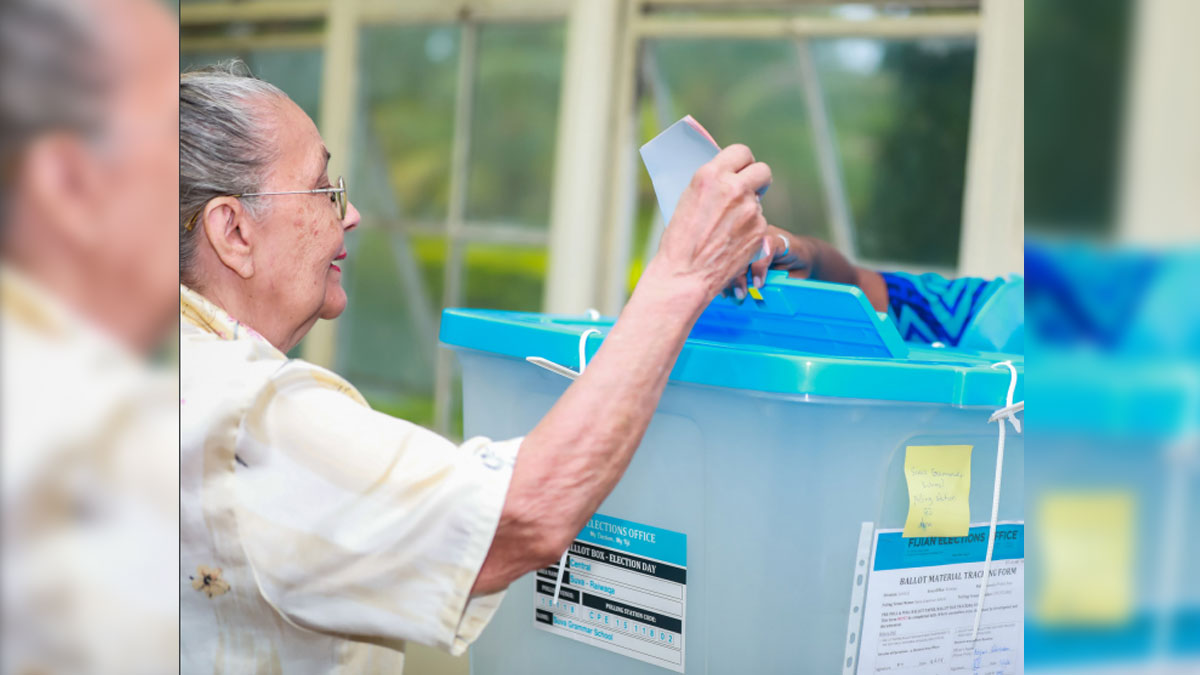
For the conduct of the upcoming elections, the Fijian Elections Office has been allocated $23.2 million to cater for the preparation of the upcoming General Elections.
While announcing the 2026/2027 National Budget, Minister for Finance, Esrom Immanuel says in addition, a separate budget of $18.2 million has been set aside under Head 50 of the budget to cater for the main election day expenses.
The Electoral Commission is provided a funding of around $556,000, while for the conduct of the national referendum, a funding of $20 million has been set aside.
The 2027 Census will also be conducted with a total funding of $12 million in this budget.
https://www.fijivillage.com/indepth/2026-2027-national-budget-aca663/
To assist Fiji Airways, 5% tourism services tax introduced on all hotels and tour and cruise operators with annual turnover of $2MBy Vijay Narayan 26/06/2026 Due to the financial pressure faced by our national airline, Fiji Airways, Minister for Finance, Esrom Immanuel confirms the tourism industry has come on board to support airline and has broadly supported a temporary 5 percent tourism services tax on all hotels and tour and cruise operators with an annual turnover of $2 million or more for the next 12 months.
The revenue generated from this 5 percent tourism tax will be ring fenced and fully directed to Fiji Airways.
The industry has broadly agreed that the burden of the tax will be largely absorbed by the hoteliers and tour & cruise operators and not passed on.
The 5 percent tourism tax will be effective from 1st September 2026 and is expected to generate around $70 million for the airline.
Immanuel says recently the airline has been under some financial pressure following the substantial price increase in aviation turbine fuel and at a time when the airline was still recovering from the massive financial losses registered during the pandemic.
He adds Government as the major shareholder and given the strategic importance of Fiji Airways will support the airline with the planned $200 million Government guarantee that will be brought to this Parliament soon.
In this budget, they are extending the loss carry-forward provision for the airline from the standard 8 years to 15 years and waiving fees and charges amounting to around $10 million for the next 12 months.
They are also working together with other key stakeholders including Fiji Airports, Air Terminal Services, Civil Aviation Authority of Fiji, Fiji National Provident Fund and Fiji Development Bank to help ease the financial pressure on the airline.
The government is also working with the investor community to fast track and support investment in adding additional hotel room capacity.
The major hotel investments will add around additional 5,500 rooms with these hotel projects valued at over $3 billion. Of these 5,500 rooms, around 1,400 are in construction stage, 2,500 rooms in pre-development stage and around 1,600 rooms in conceptual stage.
The Ministry of Tourism and Civil Aviation is allocated a budget of $75.8 million in 2026-2027.
Tourism Fiji has been allocated $41.7 million, including $33 million for marketing. As global travel conditions become more uncertain, Tourism Fiji is re-strategising its marketing efforts to ensure Fiji remains competitive and delivers greater value from tourism.
https://www.fijivillage.com/indepth/2026-2027-national-budget-aca663/
Free education, free bus fare scheme continues and $160 million for TELSBy Navitalai Naivalurua 26/06/2026 [Image: Ministry for Education]Good news for parents, with the Free Education Scheme set to continue in the next financial year after the Government allocated $61 million in the 2026/2027 National Budget.
While delivering the 2026/2027 National Budget, Minister for Finance Esrom Immanuel announced that $54 million has been allocated for transport assistance and $40 million for the $200 Back-to-School Assistance Programme.
He says an additional $74.5 million has been allocated for operating grants to higher education institutions.
Immanuel says the education sector has been allocated $883 million in the 2026/2027 Budget, the largest sector allocation, accounting for 18 per cent of the total Budget.
He says this includes $434 million for the salaries and wages of more than 13,000 teachers.
The Minister says the Government will introduce a new Postgraduate Diploma Scholarship Scheme to help meet changing labour market demands by supporting professional upskilling in priority sectors, while continuing funding for in-service public sector scholarships, apprenticeship programmes and technical skills training.
He says these initiatives will help address critical skills shortages, improve productivity and strengthen Fiji's long-term economic resilience.
Immanuel says $160 million has been allocated for TELS scholarships in the 2026/2027 Budget, benefiting 23,000 students, including 14,000 continuing students and 9,000 new students.
https://www.fijivillage.com/indepth/2026-2027-n
Public safety will not be compromised despite reduced budget - TudravuBy Pita Toganivalu 26/06/2026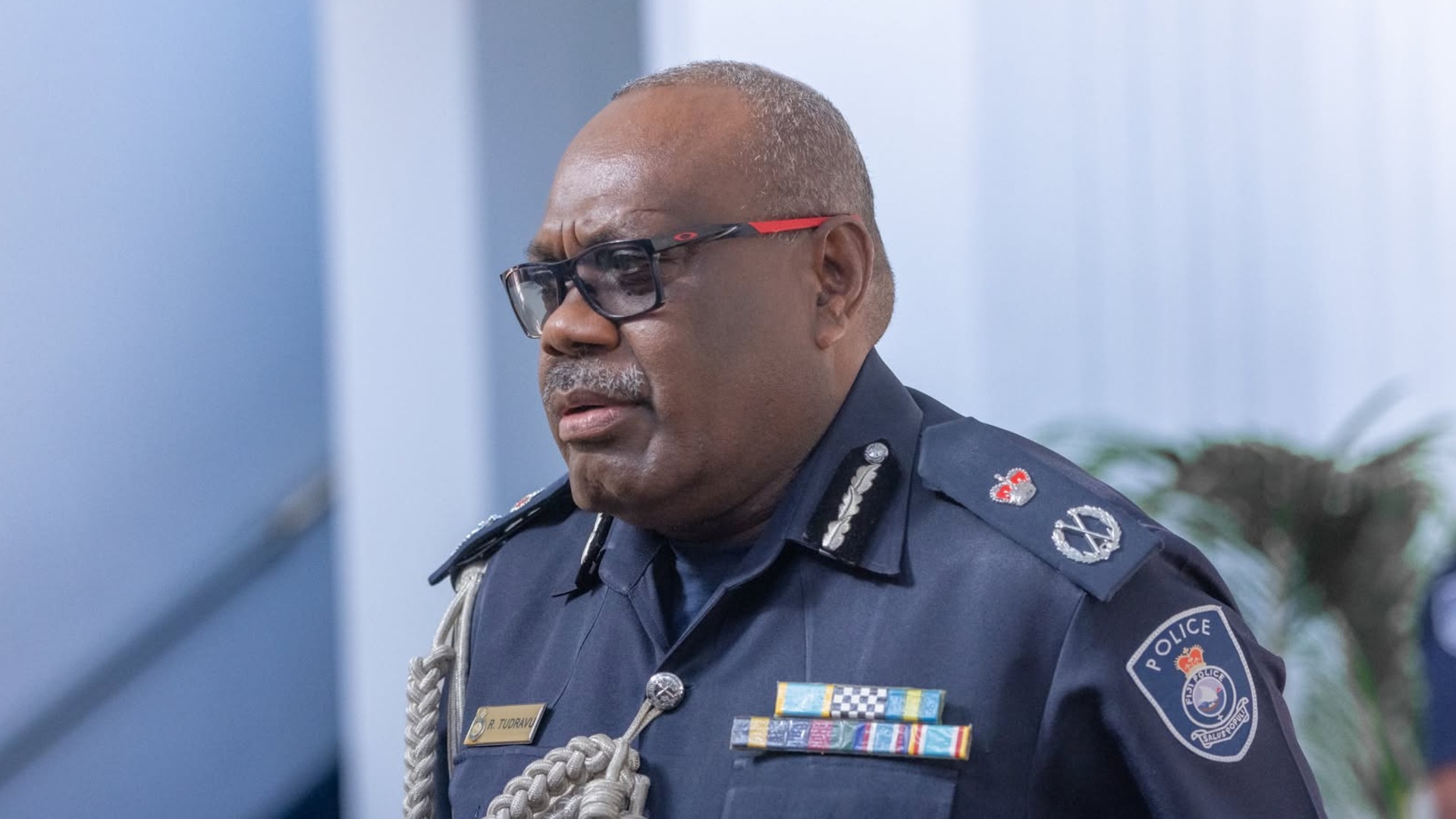 Public safety will not be compromised, says Police Commissioner Rusiate Tudravu as the Force prepares to recruit 400 officers despite a reduced budget from $240.3 million to $226.5 million.
Tudravu says they will continue to deliver their services and maintain public safety.
Speaking following the 2026/2027 National Budget announcement, Tudravu says the Force will prioritise its spending and ensure resources are directed towards its most important operational needs.
He says recruitment will continue, with 400 vacant positions set to be filled.
Tudravu says Police have already completed a recruitment drive and has a pool of successful candidates ready to be appointed.
The Commissioner says while the Force is still hoping to receive approval for the additional 588 positions that were previously endorsed by Government, the immediate focus is on filling the 400 existing vacancies.Insert: Tudravu on 588 positions 26th June 26
On concerns about compromised police officers, Tudravu says existing internal procedures are in place to deal with misconduct and stressed that disciplinary matters will not be affected by the budget allocation.
Tudravu also acknowledged concerns over ageing police stations and facilities, saying upgrading infrastructure remains a priority. However, he says Police will first assess available funding before deciding which stations will be renovated, while also exploring support from development partners for some projects.
He adds that the Police Force has also submitted its job evaluation review to Government and is awaiting a decision.
Tudravu reiterated that despite financial constraints, the Force remains committed to protecting the people of Fiji and responding to the country's evolving security challenges.
Major boost for health sector and increased funding for HIVBy Vijay Narayan 26/06/2026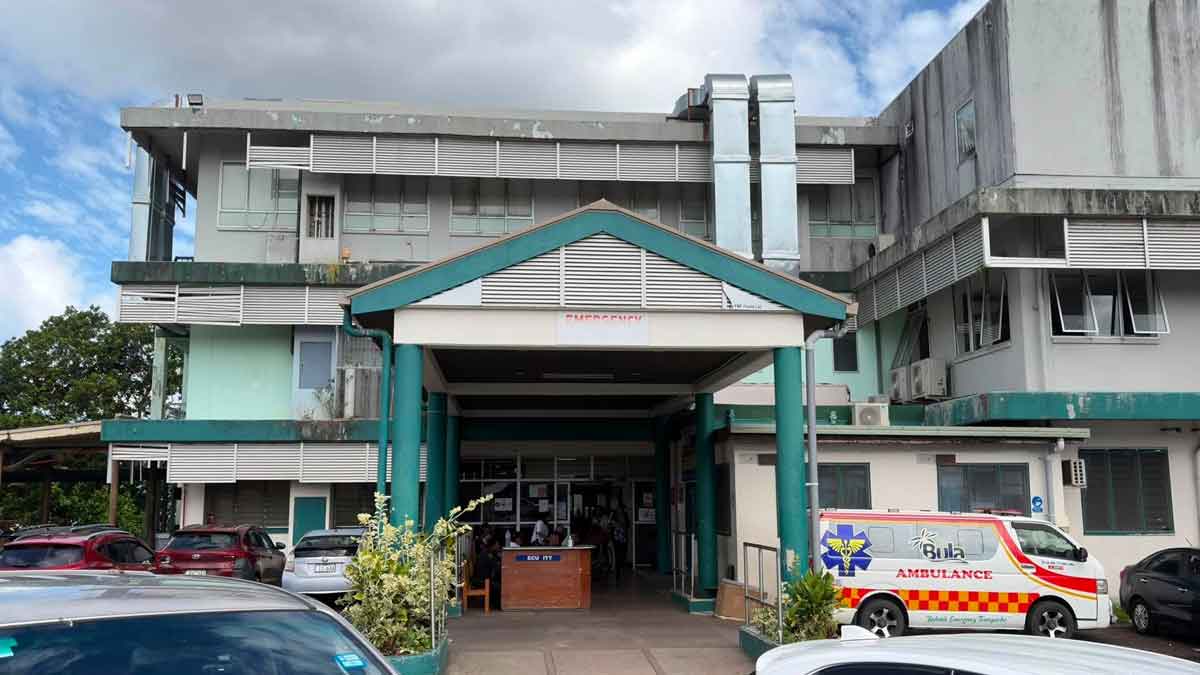 The Government is embarking on a major $500 million health project, namely Pacific Healthy Islands Transformation Project with the support of the World Bank, Asian Development Bank, and OPEC Fund.
While announcing a $647 million allocation to the health sector in the next budget, Minister for Finance, Esrom Immanuel says $477 million is provided to the Ministry of Health to fund the salaries of doctors, nurses and allied health professionals, procurement of medicines and medical supplies, and purchase of biomedical equipment.
The Minister says they will establish Fiji’s first radiotherapy and cancer treatment centre at CWM Hospital.
Construction will begin in the year ahead, with completion over the following years.
The facility will house linear accelerator technology and chemotherapy capacity to treat up to 60 patients daily.
This will reduce reliance on overseas referrals and provide lifesaving opportunity to our people.
The Government will expand acute care capacity at CWM Hospital, adding 56 new beds for adults and children. This will address the persistent congestion and connect maternity services to operating theatres, eliminating over time the current reliance on container walkways.
Within the next year, 17 priority facilities for primary health care, across urban, rural and maritime areas, including Valelevu, Nuffield, Balevuto, Kabara, Tukavesi, Lami, and Nausori, will move through design, procurement and early works, with selected sites already beginning upgrades.
Immanuel says keeping the CWM Hospital operational and safe remains a critical priority until the new national tertiary hospital is ready.
The Government of Australia is supporting the master planning for the new national tertiary hospital in Valelevu.
Australia has committed AUD$10 million for urgent priority infrastructure upgrades at the existing CWM Hospital. The first tranche of works includes roofing and drainage remediation across key hospital buildings, installation of a new 200,000-litre potable water storage system with filtration, UV treatment and pumping, remediation of maternity sewer infrastructure and refurbishment of the Acute Patient Ward.
$120 million is provided for the ongoing operations and maintenance costs to Health Care Fiji for the Lautoka and Ba Hospitals.
The Government of India is also in advanced stages for the commencement of the construction of a 100-bed Super Specialty Hospital in Nasinu. Land acquisition is now complete, while detailed design and tender process is currently underway. Construction is expected to start early next year.
HIV response is allocated $12 million.
The Minister says the HIV issue has become a major threat to our people, and an urgent and decisive response is required to fight this crisis. With the support of Government of Australia, New Zealand and other development partners, Government has put together a multipronged response strategy focused on fighting drug use (which is lead cause of the HIV problem), raising national awareness, procuring HIV medicine, investing in identification and treatment, investing in required healthcare skills and overall preventative measures.
https://www.fijivillage.com/indepth/2026-2027-national-budget-aca663/
Health Budget allocation addresses most priorities, Needle Syringe Programme to roll out soon - MinisterBy Temalesi Vono 27/06/2026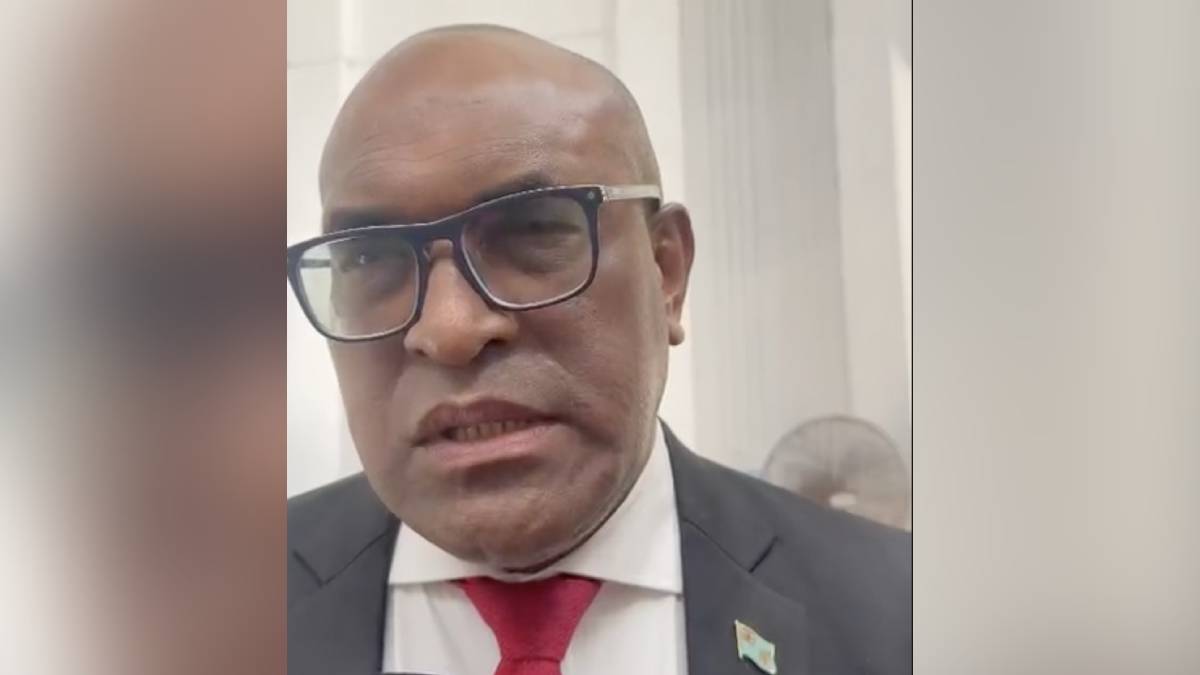 Minister for Health Dr Atonio Lalabalavu
The $647 million allocation for the health sector in the 2026/2027 National Budget has been welcomed as a significant boost to addressing Fiji's healthcare priorities, with the Minister for Health saying key funding requests have been recognised.
This allocation is a $181 million increase from the last financial budget.
Reacting to the National Budget announcement, Health Minister Dr Ratu Atonio Lalabalavu says he is pleased that most of the Ministry's priority areas have been addressed, including funding for the National HIV/AIDS Taskforce and the Needle and Syringe Programme.
Dr Lalabalavu says the $12 million that has been allocated towards the national response to HIV will also include efforts to combat drug use, expand awareness campaigns, procure HIV medication, strengthen testing and treatment, and invest in healthcare workforce capacity and preventative measures.
He says this will assist them in carrying out its work, while funding for the Needle and Syringe Programme will help with its implementation as preparations are nearing completion.
Meanwhile, $477 million has been provided to fund the salaries of doctors, nurses and allied health professionals, procure medicines and medical supplies, and purchase biomedical equipment.
Dr Lalabalavu says the Ministry had faced challenges in the previous financial year, particularly in meeting overtime payments, but the new allocation for salaries and wages should ease those pressures and ensure staff are remunerated on time.
When asked what the strategies are for health worker retention, the Minister says creating a conducive working environment remains a priority, including improving staff accommodation, ensuring reliable electricity and water supplies, strengthening internet connectivity, and upgrading facilities in maritime and rural areas to encourage health workers to remain in those communities.
On concerns about medicine shortages, Dr Lalabalavu says Fiji imports all of its medicines, medical equipment and consumables, making the country vulnerable to overseas supply chain delays despite having funding available.
He says while procurement follows established tender and purchasing processes, external factors can delay deliveries, and the Ministry uses short-term procurement measures through requests for quotations from local suppliers when necessary to minimise shortages.
Dr Lalabalavu acknowledges that medicine shortages do occur from time to time but says the Ministry continues to strengthen its internal processes to reduce disruptions as much as possible.
The Minister also confirms that work on the four operating theatres at the Colonial War Memorial Hospital is largely complete but structural issues must first be resolved before engineers can approve the facilities for use.
Meanwhile, Finance Minister, Esrom Immanuel says investment in the health sector has lagged behind due to years of neglect and underinvestment.
https://www.fijivillage.com/indepth/2026-2027-national-budget-aca663/
Budget has positives but spending must be justified - SeruiratuBy Antornette Vuniuca 27/06/2026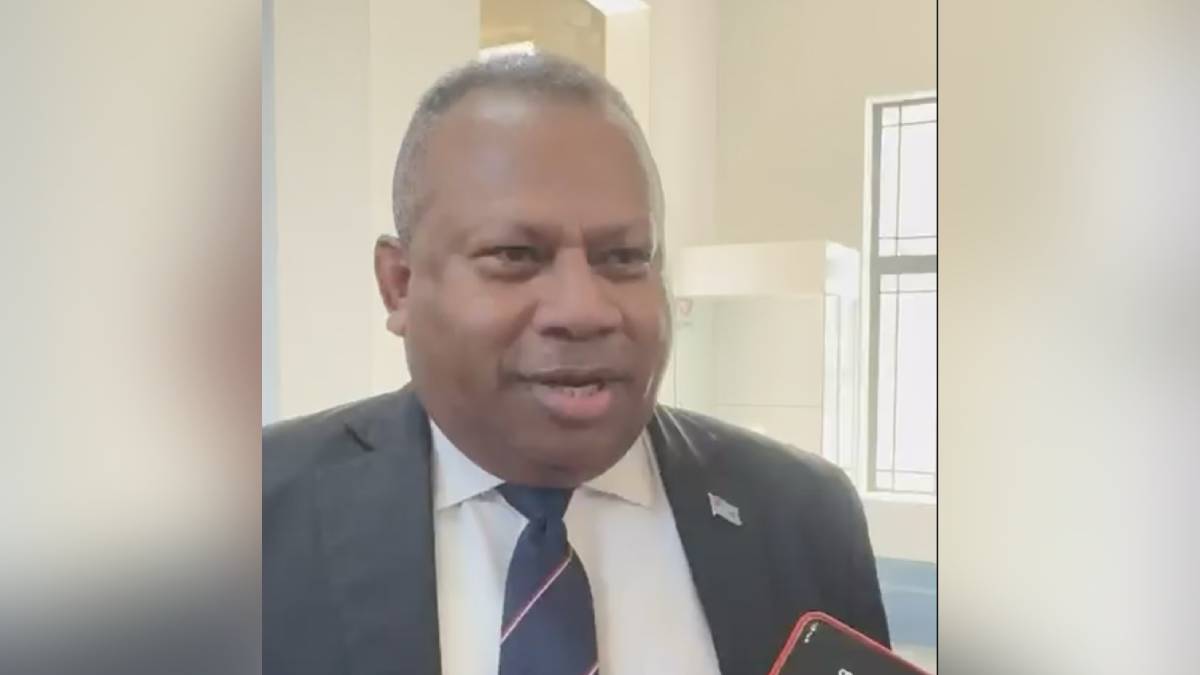
Leader of the Opposition Inia Seruiratu says while the 2026-2027 National Budget contains some positive measures for people and businesses, the Opposition will closely examine how public money will be spent before giving its full assessment.
Speaking to fijivillage News after the budget announcement, Seruiratu says the budget includes assistance for households and businesses while maintaining consistency in the taxation system.
However, he says government spending remains a key concern.
Insert:Seruiratu on budget
Seruiratu says the Opposition will scrutinise whether public funds are being spent wisely and whether government spending is focused on the country's most important priorities.
He says growing the economy is important, but the Government must also show how it plans to create growth and what measures will encourage investment and business activity.
Commenting on funding for energy, water and wastewater, Seruiratu says Fiji must continue its transition to renewable energy.
He says the country remains heavily dependent on fossil fuels and should also explore opportunities in biofuel and sustainable aviation fuel using resources such as coconuts and sugar.
Seruiratu says reliable water, electricity and other essential services are critical to attracting investment, but ageing infrastructure also needs to be upgraded.
When asked about the reduced budget allocation for the Republic of Fiji Military Forces and the Fiji Police Force, Seruiratu says he will comment further after reviewing the budget in more detail.
https://www.fijivillage.com/indepth/2026-2027-national-budget-aca663/
@fijivillage.com Leader of Opposition says the 2026-2027 National Budget contains positive measures, but Government spending, priorities and policies will be closely scrutinized
♬ original sound - fijivillage
This is not a campaign budget, but a realistic one - RabukaBy Alipate Narawa 27/06/2026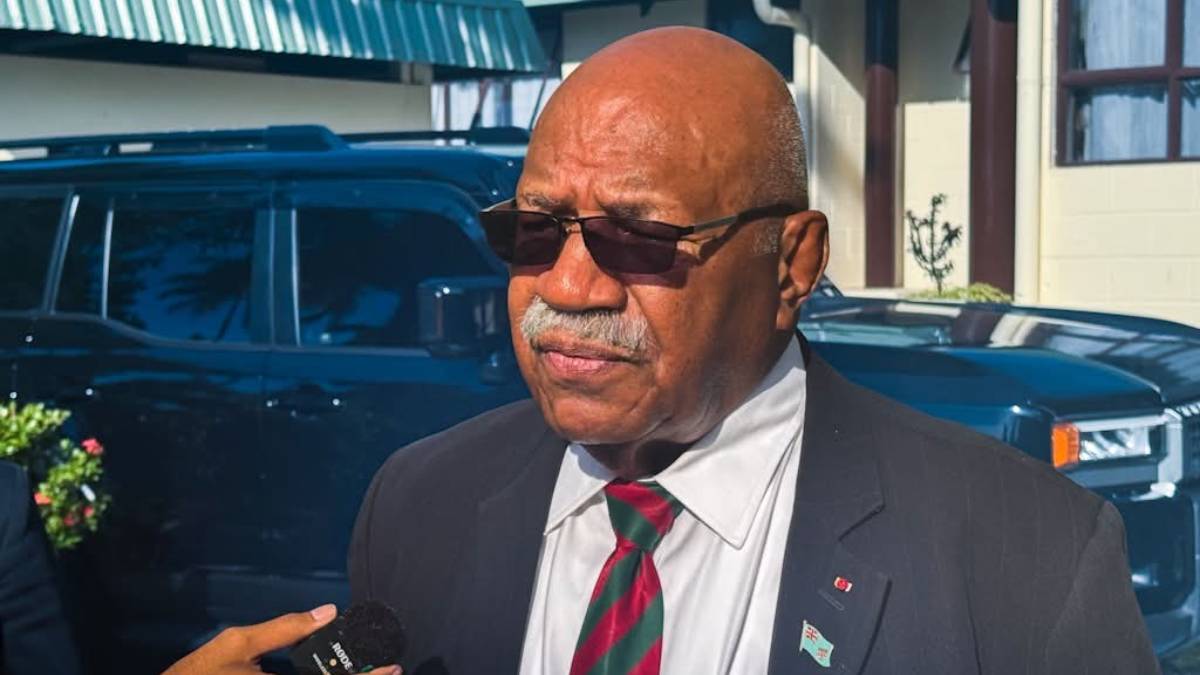
This is not a campaign budget, but a very realistic one.
Prime Minister Sitiveni Rabuka highlighted this to fijvillage News from his residence, saying a campaign budget would have been a much bigger expenditure budget, this is very realistic, as far as the Finance Minister has put it.
Rabuka says this is a very responsible budget for times such as this, and is also to ensure sustainability.
Rabuka also made it clear that they could not afford to give a pay rise to civil servants.
Insert: Rabuka live off the land June 26
https://www.fijivillage.com/indepth/2026-2027-national-budget-aca663/
@fijivillage.com PM Rabuka says this is not a campaign budget, people should live off the land
♬ original sound - fijivillage
Health Budget allocation addresses most priorities, Needle Syringe Programme to roll out soon - MinisterBy Temalesi Vono 27/06/2026Minister for Health Dr Atonio LalabalavuThe $647 million allocation for the health sector in the 2026/2027 National Budget has been welcomed as a significant boost to addressing Fiji's healthcare priorities, with the Minister for Health saying key funding requests have been recognised.
This allocation is a $181 million increase from the last financial budget.
Reacting to the National Budget announcement, Health Minister Dr Ratu Atonio Lalabalavu says he is pleased that most of the Ministry's priority areas have been addressed, including funding for the National HIV/AIDS Taskforce and the Needle and Syringe Programme.
Dr Lalabalavu says the $12 million that has been allocated towards the national response to HIV will also include efforts to combat drug use, expand awareness campaigns, procure HIV medication, strengthen testing and treatment, and invest in healthcare workforce capacity and preventative measures.
He says this will assist them in carrying out its work, while funding for the Needle and Syringe Programme will help with its implementation as preparations are nearing completion.
Meanwhile, $477 million has been provided to fund the salaries of doctors, nurses and allied health professionals, procure medicines and medical supplies, and purchase biomedical equipment.
Dr Lalabalavu says the Ministry had faced challenges in the previous financial year, particularly in meeting overtime payments, but the new allocation for salaries and wages should ease those pressures and ensure staff are remunerated on time.
When asked what the strategies are for health worker retention, the Minister says creating a conducive working environment remains a priority, including improving staff accommodation, ensuring reliable electricity and water supplies, strengthening internet connectivity, and upgrading facilities in maritime and rural areas to encourage health workers to remain in those communities.
On concerns about medicine shortages, Dr Lalabalavu says Fiji imports all of its medicines, medical equipment and consumables, making the country vulnerable to overseas supply chain delays despite having funding available.
He says while procurement follows established tender and purchasing processes, external factors can delay deliveries, and the Ministry uses short-term procurement measures through requests for quotations from local suppliers when necessary to minimise shortages.
Dr Lalabalavu acknowledges that medicine shortages do occur from time to time but says the Ministry continues to strengthen its internal processes to reduce disruptions as much as possible.
The Minister also confirms that work on the four operating theatres at the Colonial War Memorial Hospital is largely complete but structural issues must first be resolved before engineers can approve the facilities for use.
Meanwhile, Finance Minister, Esrom Immanuel says investment in the health sector has lagged behind due to years of neglect and underinvestment.
https://www.fijivillage.com/indepth/2026-2027-national-budget-aca663/
By //
By //
This is not a campaign budget, but a realistic one - RabukaBy Alipate Narawa 27/06/2026This is not a campaign budget, but a very realistic one.
Prime Minister Sitiveni Rabuka highlighted this to fijvillage News from his residence, saying a campaign budget would have been a much bigger expenditure budget, this is very realistic, as far as the Finance Minister has put it.
Rabuka says this is a very responsible budget for times such as this, and is also to ensure sustainability.
Rabuka also made it clear that they could not afford to give a pay rise to civil servants.
Insert: Rabuka live off the land June 26
https://www.fijivillage.com/indepth/2026-2027-national-budget-aca663/
@fijivillage.com PM Rabuka says this is not a campaign budget, people should live off the land
♬ original sound - fijivillage
Only a few hours remain for the delivery of the 2026/2027 National Budget – a time when we are going through one of the most turbulent periods due to many global and domestic factors resulting in the increasing cost of living pressure and the people of the country expecting solutions from the government.
Many Fijian families are struggling with the cost of living, businesses are facing higher operating costs and skilled workers continue to leave the country in search of opportunities overseas.
People are waiting to see if the government will deliver policies that assist us in ensuring we remain resilient, and ensure that there are growth opportunities and incentives to bring about positive and sustainable outcomes.
We have many challenges and the people are waiting to find out on how the government will deal with our safety and security concerns due to the rising drug trade and use, and crimes associated with these activities, the concerning HIV epidemic, many challenges in the health sector dealing with facilities and personnel, the education sector and how we can ensure our standards are lifted despite many teachers going abroad, our increasing housing needs with many families unable to purchase their own homes, providing targeted assistance to the most vulnerable in our country, infrastructure challenges including our water and sewerage network, roads and bridges, investment and employment opportunities, increasing our production through higher agricultural activity including commercial farming based on the availability of land, the overall focus on increasing productivity, the efficient use of government revenue and borrowings, and the plans and allocated budget for the next general elections.
The government also needs to have some reserves to be ready for any major shocks like a major weather situation with the El Nino period starting.
It also has to make some tough decisions as revenue projections for the current financial year are estimated at around $3.9 billion while government expenditure is projected at $4.8 billion.
Government debt is also expected to reach around $11.4 billion, equivalent to about 84 percent of GDP by next month.
While it has been stated that we all know that the government needs to borrow, the critical question is what is the money being borrowed for and how much of that will be utilised for capital works to improve services for the people.
Inflation is projected to exceed 6 percent.
It has been revealed that government expenditure has increased significantly over the past three years, rising by about 35 percent, reflecting increased spending on public sector wages, social services, infrastructure, debt servicing costs and other development priorities.
Economic growth for Fiji this year has been revised downwards from the 3 percent forecast at the end of last year to 1.5 percent, with downside risks remaining elevated.
Reserve Bank of Fiji Governor, Ariff Ali had earlier said that there are many factors that need to be considered urgently that are affecting us, which include the Ease of Doing Business in Fiji, the crime rate, drugs and HIV.
Ali said all these issues affect people and he is also concerned that the driver of the economy, tourism will be affected by some of these factors if nothing is done.
Ali had said we need to urgently address the issue of approvals and Ease of Doing Business as he had heard that $1 billion in loans had been approved for the private sector but this has not been drawn down.
Ali said the reason why these loans have not been drawn down by the private sector is due to pending approvals relating to their projects.
With foreign reserves standing at around $3.4 billion, sufficient to cover 4.7 months of retained imports, we need to continue to ensure our reserves remain above 4 months.
The RBF says the reserves are expected to remain adequate in the near to medium term, supported in part by Government loan drawdowns from international partners.
Maintaining adequate foreign reserves is essential for Fiji, as they ensure the country can continue to purchase critical imports and helps support stability in the value of the Fijian dollar.
Fiji needs to do a lot to increase it’s production and exports as our total value of exports stands at over $2 billion while our import bill is at a staggering $7 billion plus figure.
All in all, delivering the budget is a balancing act to ensure that government is able to create attractive incentives, raise sufficient revenue, and prioritise it’s spending for the required services to the people of the country.
Minister for Finance, Esrom Immanuel will deliver the budget at 10am today.
Speaking ahead of the delivery of the budget, Immanuel has called on the people not to panic as the coalition government is aware of the issues, and it is going to put in place some strategies and action plans to deal with them, and to protect the people and the economy.
The Finance Minister says most of the programs that they put in place before and during the fuel crisis are expected to continue because they are not sure when this crisis will end, however, they expect that at least the fuel price is expected to go down.
He says when the fuel crisis started, they put into place some tough measures that will continue.
However, he says they are trying to grow the economy from a stable environment, and the emphasis will be more towards capital expenditure.
Immanuel says the government will start with some of the big projects that they were supposed to do, and that will be good.
He says the focus continues on growing the economy and to also be resilient in case something happens in the future, even natural disasters or issues such as what we are facing now.
Immanuel says if you compare this financial year and the new budget in terms of the nominal dollar, the amounts will probably be the same, however, if we look at the content of those budgets, he thinks they are doing more.
He says they will also account for the increase in prices.
Immanuel says they have continued to ask the question - "so what will we do" - as most or some of those issues were highlighted during a recent economic conference that he termed as a talkfest.
He stresses they have the required strategies and action plans in place.
Stay with your fijivillage team on the latest updates on the 2026/2027 National Budget as we will let you know what taxes and duties go up or down, how it will affect your pockets, and the government’s plans for the provision of services in the new financial year.
You can follow our live coverage with our latest up to the minute updates on our website and social media pages, fijivillage.
Continuing tax relief measures and subsidies, an expected reduction in fuel price, maintaining government expenditure at this year’s level for next year, ensuring capital projects kick off, maintaining the joint police and military drug operations, increased funding to tackle HIV, financially assisting our national airline Fiji Airways through a tourism service tax, and allocating funds for the general elections, a referendum and a census are some of the major announcements made in the 2026/2027 National Budget.
Good news as Minister for Finance, Esrom Immanuel has announced the FCCC will soon announce major reductions in domestic fuel prices for July and following months which should ease our inflationary pressure and cost of business.
Everyday items such as potatoes, garlic, onions, tea and cooking oil will continue to attract zero duty. Duty on lamb products, which was reduced to zero percent, will continue, while the reduced duty rate of 15 percent for beef, ducks, corned mutton, corned beef and canned mackerel, down from 32 percent, will continue.
Fruits and vegetables such as tomatoes, cabbage, lettuce, cucumber, eggplant, pumpkin, banana, avocados, mandarins, watermelons and pawpaw will continue to attract 5 percent duty, while other fruits and vegetables not produced locally, including apples, carrots, grapes, oranges, pears, celery, capsicums, mushrooms, kiwifruit, cauliflower, broccoli and nuts, will continue to attract zero duty.
The electricity subsidy and free water support for those earning $30,000 or less will continue.
Government will continue it's bus fare subsidy support in the next financial year with an allocation of $20 million. As a result, about 350,000 Fijians who rely on bus transport every day, including students using blue and yellow cards and adults using red cards, will not pay a single cent more despite the fare increase.
The Government will continue to support approximately 130,000 Fijians through social welfare, pension and aftercare programmes, with an allocation of over $200 million in this Budget.
The Government will continue the $200 Back-to-School Assistance programme. This assistance will be paid in January 2027 before the commencement of the school year, with an allocation of $40 million.
Despite the difficult situation, Government will maintain the VAT rate at 12.5 percent and continue the zero-rating on essential items including flour, rice, sugar, canned fish, cooking oil, potatoes, onions, garlic, baby milk, powdered milk, liquid milk, dhal, tea, salt, soap, washing powder, toilet paper, sanitary pads, toothpaste, kerosene, cooking gas and prescribed medicines.
The Finance Minister says this Budget contains no increase in income taxes for workers and no increase in corporate taxes for businesses.
He says at a time when families are facing higher living costs and businesses are experiencing rising operating expenses, Government has chosen not to impose additional burdens on taxpayers.
There will be no reduction in civil service salaries.
The Government says it recognises the important role played by teachers, nurses, doctors, police officers, military personnel and public servants in delivering essential services to our people. Around 42,000 public servants directly support more than 200,000 livelihoods across Fiji. While Government has implemented expenditure restraint measures across the public sector, they have deliberately chosen not to reduce the salaries of our civil servants.
Import excise on new motor vehicles will increase by 5 percent and on used motor vehicles by 10 percent. VAT on personally imported electric vehicles will be reinstated at 12.5 percent.
Import duty on passenger vehicles with seating capacity of ten persons or more will be aligned at 5 percent to encourage greater use of public and shared transportation.
Immanuel says the Price Monitoring and Enforcement Taskforce will develop a stronger framework to ensure that benefits arising from tariff reductions and protection measures are passed through to consumers.
He stresses that the joint enforcement taskforce comprising the FCCC, the Consumer Council of Fiji, the FRCS and the Ministry of Finance will intensify market monitoring and price surveillance to ensure that tax and duty reductions are appropriately reflected in retail prices.
Immanuel says where evidence of unreasonable pricing behaviour is identified, Government will not hesitate to introduce price controls on additional essential items, remove tariff protections and apply the full penalties available under the law.
Government will also undertake a detailed study into shrinkflation and other emerging consumer issues affecting everyday products and services.
Import duty on aluminium structures such as doors and windows will be reduced from 32 percent to 15 percent.
Import duty on PVC boards will also be reduced from 32 percent to 15 percent.
Import duty on flavoured milk will be reduced from 32 percent to 15 percent. Import duty on plant-based food preparations will be reduced from 32 percent to 5 percent.
Government will introduce a new incentive package for the establishment of veterinary centres, animal sanctuaries and animal welfare facilities. Donations to qualifying animal welfare organisations will attract a 200 percent tax deduction.
Government will also introduce a 150 percent tax deduction for investments in new sporting facilities, gyms and sports development infrastructure.
The existing 200 percent tax deduction available for sponsorship of the Fijian Drua will be extended to Bula FC. The minimum sponsorship threshold will be reduced from $250,000 to $100,000, making the incentive more accessible to a wider range of businesses.
Government will introduce a new package of incentives to support Peer-to-Peer Lending and Equity Crowdfunding platforms. Qualifying providers will receive a five-year tax holiday.
Income earned from investments of up to $200,000 annually through licensed Peer-to-Peer Lending platforms will be exempt from tax. Tax-free treatment will also be extended to qualifying institutional investors and capital gains tax exemptions will be expanded to include eligible Equity Crowdfunding investments and innovation-based enterprises. These measures will help broaden access to finance, particularly for small businesses and start-up enterprises.
A five-year tax holiday will be introduced for businesses investing at least $5 million in new mahogany processing facilities. This incentive will support value addition, downstream processing and employment opportunities within Fiji's forestry sector.
Government will also introduce a thirteen-year tax holiday for businesses investing at least $20 million in the establishment of a new cement manufacturing facility.
A new tax incentive will be introduced for companies with at least 30 percent iTaukei shareholding investing in eco-tourism, cultural tourism and arts-related businesses.
Qualifying investments between $5 million and $10 million will receive a seven-year tax holiday, while investments exceeding $10 million will receive a thirteen-year tax holiday.
Government will extend duty concessions on diesel for hotels, resorts and mining companies until October 2026.
Duty concessions currently provided to bus operators will also be extended until October 2026. This measure complements Government's decision to fully subsidise the recent 22.5 percent increase in bus fares and will help maintain affordable public transportation for our people.
Duty concessions on diesel and heavy fuel oil currently provided to Energy Fiji Limited will be extended until October 2026. This support will assist EFL in managing fuel costs while maintaining a reliable electricity supply across the country.
Elections, Referendum and Census
For the conduct of the upcoming elections, the Fijian Elections Office has been allocated $23.2 million to cater for the preparation of the upcoming General Elections.
In addition, a separate budget of $18.2 million has been set aside under Head 50 to cater for the main election day expenses.
The Electoral Commission is provided a funding of around $556,000, while for the conduct of the national referendum a funding of $20 million has been set aside.
The 2027 Census will also be conducted with a total funding of $12 million in this budget.
Tourism and Fiji Airways assistance
Immanuel says to assist Fiji Airways, the tourism industry has also come on board to support Fiji Airways and has broadly supported a temporary 5 percent tourism services tax on all hotels and tour and cruise operators with an annual turnover of $2 million or more for the next 12 months.
The revenue generated from this 5 percent tourism tax will be ring fenced and fully directed to Fiji Airways.
The industry has broadly agreed that the burden of the tax will be largely absorbed by the hoteliers and tour & cruise operators and not passed on. The 5 percent tourism tax will be effective from 1st September 2026 and is expected to generate around $70 million for the airline.
Immanuel says recently the airline has been under some financial pressure following the substantial price increase in aviation turbine fuel and at a time when the airline was still recovering from the massive financial losses registered during the pandemic.
He adds Government as the major shareholder and given the strategic importance of Fiji Airways will support the airline with the planned $200 million Government guarantee that will be brought to this Parliament soon.
In this budget, they are extending the loss carry-forward provision for the airline from the standard 8 years to 15 years and waiving fees and charges amounting to around $10 million for the next 12 months.
They are also working together with other key stakeholders including Fiji Airports, Air Terminal Services, Civil Aviation Authority of Fiji, Fiji National Provident Fund and Fiji Development Bank to help ease the financial pressure on the airline.
The government is also working with the investor community to fast track and support investment in adding additional hotel room capacity.
The major hotel investments will add around additional 5,500 rooms with these hotel projects valued at over $3 billion. Of these 5,500 rooms, around 1,400 are in construction stage, 2,500 rooms in pre-development stage and around 1,600 rooms in conceptual stage.
The Minister for Finance says we need to support Fiji Airways, our national airline, which brings most of our tourists and plays a critical role in positioning Fiji as the aviation hub of the South Pacific.
The Ministry of Tourism and Civil Aviation is allocated a budget of $75.8 million in 2026-2027.
Tourism Fiji has been allocated $41.7 million, including $33 million for marketing. As global travel conditions become more uncertain, Tourism Fiji is re-strategising its marketing efforts to ensure Fiji remains competitive and delivers greater value from tourism.
Major boost for health sector and increased funding for HIV
The Government is embarking on a major $500 million health project, namely Pacific Healthy Islands Transformation Project with the support of the World Bank, Asian Development Bank, and OPEC Fund.
While announcing a $647 million allocation to the health sector in the next budget, Minister for Finance, Esrom Immanuel says $477 million is provided to the Ministry of Health to fund the salaries of doctors, nurses and allied health professionals, procurement of medicines and medical supplies, and purchase of biomedical equipment.
The Minister says they will establish Fiji’s first radiotherapy and cancer treatment centre at CWM Hospital.
Construction will begin in the year ahead, with completion over the following years.
The facility will house linear accelerator technology and chemotherapy capacity to treat up to 60 patients daily.
This will reduce reliance on overseas referrals and provide lifesaving opportunity to our people.
The Government will expand acute care capacity at CWM Hospital, adding 56 new beds for adults and children. This will address the persistent congestion and connect maternity services to operating theatres, eliminating over time the current reliance on container walkways.
Immanuel says keeping the CWM Hospital operational and safe remains a critical priority until the new national tertiary hospital is ready.
The Government of Australia is supporting the master planning for the new national tertiary hospital in Valelevu.
Australia has committed AUD$10 million for urgent priority infrastructure upgrades at the existing CWM Hospital. The first tranche of works includes roofing and drainage remediation across key hospital buildings, installation of a new 200,000-litre potable water storage system with filtration, UV treatment and pumping, remediation of maternity sewer infrastructure and refurbishment of the Acute Patient Ward.
$120 million is provided for the ongoing operations and maintenance costs to Health Care Fiji for the Lautoka and Ba Hospitals.
The Government of India is also in advanced stages for the commencement of the construction of a 100-bed Super Specialty Hospital in Nasinu. Land acquisition is now complete, while detailed design and tender process is currently underway. Construction is expected to start early next year.
HIV response is allocated $12 million.
The Minister says the HIV issue has become a major threat to our people, and an urgent and decisive response is required to fight this crisis. With the support of Government of Australia, New Zealand and other development partners, Government has put together a multipronged response strategy focused on fighting drug use (which is lead cause of the HIV problem), raising national awareness, procuring HIV medicine, investing in identification and treatment, investing in required healthcare skills and overall preventative measures.
Free education, free bus fare scheme continues and $160 million for TELS
Good news for parents, with the Free Education Scheme set to continue in the next financial year after the Government allocated $61 million in the 2026/2027 National Budget.
While delivering the 2026/2027 National Budget, Minister for Finance Esrom Immanuel announced that $54 million has been allocated for transport assistance and $40 million for the $200 Back-to-School Assistance Programme.
He says an additional $74.5 million has been allocated for operating grants to higher education institutions.
Immanuel says the education sector has been allocated $883 million in the 2026/2027 Budget, the largest sector allocation, accounting for 18 per cent of the total Budget.
He says this includes $434 million for the salaries and wages of more than 13,000 teachers.
The Minister says the Government will introduce a new Postgraduate Diploma Scholarship Scheme to help meet changing labour market demands by supporting professional upskilling in priority sectors, while continuing funding for in-service public sector scholarships, apprenticeship programmes and technical skills training.
He says these initiatives will help address critical skills shortages, improve productivity and strengthen Fiji's long-term economic resilience.
Immanuel says $160 million has been allocated for TELS scholarships in the 2026/2027 Budget, benefiting 23,000 students, including 14,000 continuing students and 9,000 new students.
FNPF
To assist employers and preserve employment, the Government will reduce the FNPF employer contribution rate from 10 percent to 8 percent. Employee contributions will remain unchanged at 8 percent.
This reduction in the employer contribution rate will take effect from 1st August 2026 and will remain in place for a period of 12 months.
The FNPF Board has declared an interest rate of 9.5 percent to members for 2026.
FNPF has delivered another strong performance in FY2026, with total investment income of over $1.2 billion - a result that reflects growth across every major asset class compared to the financial year ended June 2025.
Other announcements
The Minister for Finance says any minimum wage increase must be carefully aligned with productivity improvements and take into account the impact on businesses, particularly micro, small and medium enterprises. $100,000 has been allocated in the budget to review the minimum wage in the next financial year.
The private GP scheme, which was introduced as a temporary response during the COVID-19 period will now be funded from the remaining balance in GP Trust Fund.
To support training and skill development, Government is recalibrating the NTPC levy allocations.
Effective from 1st January 2027, 50 percent of the levy will be redirected towards training and skills development, 10 percent will be allocated for public sector training through the Fiji Learning Institute for Public Service (FLIPS) and 40 percent will continue to support the workers compensation from the ACCF and Ministry of Employment. Government has also introduced a 200 percent tax deduction for eligible training and upskilling expenditures for employers.
$400,000 is provided for the review of the civil service to improve service delivery.
Government will undertake a comprehensive review of State-Owned Enterprises and selected public bodies.
The review will identify opportunities to improve efficiency, strengthen governance, increase profitability, eliminate duplication and, where appropriate, consider restructuring, partnerships or divestment.
Immanuel says the taxpayers deserve value for money and Government assets must work harder for the benefit of the people.
The Government will undertake a study into the establishment of a Sovereign Wealth Fund for Fiji. This work will be undertaken by the Ministry of Finance together with either the Fiji National Provident Fund or the Fiji Investment Corporation Limited.
The objective is to explore whether Fiji should establish a Government-owned investment fund that can generate long-term returns, strengthen national savings and support future development priorities.
As part of the financial sector reforms planned for the next 2026-2027 financial year, the Reserve Bank of Fiji will pick-up again on the work it initiated a decade ago regarding the finalisation and implementation of a legislation to provide for the regulation and supervision of pension funds, and of persons concerned with the establishment, operation, administration and intermediation of pension funds in Fiji, including the Fiji National Provident Fund.
The Fiji Revenue and Customs Service has been allocated a budget of $51 million.
A key initiative is the construction of new purpose-built Container Examination Facilities in Suva and Lautoka. This major investment by FRCS with the assistance from the Australian Government, will significantly enhance cargo screening and inspection capabilities, strengthening Fiji's ability to detect illicit goods, combat transnational crime and protect our borders.
The Office of the Attorney-General is allocated $9.8 million in the 2026–2027 Budget. The Fiji Law Reform Commission is allocated $750,000 to continue its programme of legislative review, stakeholder consultations and law reform initiatives.
Government is also providing $1 million to support the work of the Constitutional Review Commission. This funding will facilitate nationwide stakeholder consultations across 104 communities, public awareness and civic education programmes, media engagement and other activities to ensure that Fijians have the opportunity to meaningfully participate in the constitutional review process.
The Ministry of Policing and Communications is provided a funding of $34.2 million in the 2026-2027 Budget.
$4 million is provided to continue the rollout of the BusinessNOW Building Permits and Approval Subsystem, which will fully digitise the construction permit approval process, making it faster, more transparent and easier for businesses and investors to obtain approvals.
The Ministry of Immigration has been allocated $14.8 million, including $5 million for the procurement of 100,000 passport books and $225,000 to combat human trafficking and ensuring compliance with national and international best practices and standards.
Through the iTaukei Resource Owners Support and Development Fund, Government will continue assisting landowners to unlock the economic potential of their land through residential and commercial development opportunities. This programme supports landowners to move beyond simply leasing land and become active participants in economic growth. A funding of $3.8 million has been allocated to support this.
The Ministry of iTaukei Affairs has been allocated a funding of $33.1 million in the 2026-2027 Budget.
A key initiative in the coming financial year is the launch of Fiji's first municipal Sorting-at-Source Programme in Sigatoka. Under this pilot, households will separate recyclable and household waste at source, reducing the amount of waste sent to landfill and supporting a cleaner environment for future generations.
$300,000 has been provided to support the declaration of Navua as a town.
$3 million has been provided for the Western Division Dumpsite Remediation Programme.
The Ministry of Rural and Maritime Development has been allocated $35.4 million to continue improving the quality of life for Fijians living outside our urban centres.
Increased funding of $3 million is provided for construction and upgrade of community access roads, footpaths and foot bridges to help connect communities to schools, health facilities and essential services.
To incentivise landowners to continue making land available for agricultural purposes, Government will continue to fund the Committee for Better Utilisation of Land (CBUL) Programme with a total allocation of $6.9 million.
The Government will focus on sugar industry diversification in the medium term. However, in the interim the sugar industry will continue to be supported with funding support of $96.3 million. Amidst declining world sugar market prices, Government will continue with the guaranteed price of $85 per tonne for the 2026 season. With the forecast price of $57 per tonne, $41.6 million is allocated in the Budget based to cater for around a $28 per tonne top up payment.
Additional support for the sector will continue with a budget of $30 million for fertilizer and weedicide subsidy, cartage subsidy, upgrade of cane access roads, cane planting grant farm mechanization, farm incentive programme, and support for new farmers.
The Ministry for Agriculture, Waterways and Sugar Industry is provided a total funding of $221 million in the 2026–2027 Budget.
The Ministry of Women, Children and Social Protection is provided a total funding of $211 million. This will cater for welfare support to over 130,000 Fijians, including our vulnerable children, elderly, disabled and rural pregnant mothers.
$1.3 million has also been allocated for the Relocation and Resettlement of Informal Settlements and $500,000 is allocated to Habitat for Humanity. These projects will assist the Ministry of Housing to undertake civil works for the relocation and resettlement of 1,200 households from Veidogo, Nabua Muslim League and Kilikali to Koronivia and Mokosoi Greenfields.
$10 million is provided for the formalisation of 9 informal settlements in Tore, Field 4, Valewaquyaya, Sakoca, Vuniika, Nabare, Delaisaweni, Lovu seaside and Caubati.
$3 million is allocated to support first home buyers in the 2026-2027 Budget. Government has approved a revised structure for the First Home Ownership Assistance Programme to enhance housing affordability for low and middle-income households.
Under Category 1, households earning $30,000 or less, including those displaced from informal settlements such as Veidogo, Nabua Muslim League and Kilikali, will be eligible for grants of up to $40,000 for home construction and $30,000 for home purchase.
Category 2 has been revised to target households earning above $30,000 to $60,000. Under this category, the home purchase grant has been increased from $5,000 to $15,000, while the home construction grant remains at $20,000.
Housing Authority is working towards providing more than 2,900 residential lots and around 1,800 complete houses for sale in Nepani, Wanibuku, Davuilevu, Tavakubu, Tavua, Wairabetia, Tacirua, Waqadra, Waila and Veikoba.
The Government is also working together with PRB to invest in more low-cost housing projects.
Government is also collaborating with other key partners like Habitat for Humanity, HART, Koroipita and other private sector partners to deliver affordable housing solutions.
The Government will provide an exemption on outstanding wheel tax and road user levy for vehicles that have been off the road for a period of time, are in roadworthy condition and are presented to LTA for fitness inspection and renewal. The amnesty is intended to assist vehicle owners who have accumulated arrears in Wheel Tax and Road User Levy payments over time.
The upgraded NODA LTA platform will enable customers to conveniently access key services online, including renewals of driver’s licence and payments, thereby significantly reducing the need for in-person visits.
WAF is also in the process of formulating an infrastructure development charges framework to support economic development by catering to the growing demand for water and wastewater services for non-residential developments through a more sustainable and equitable cost-sharing mechanism.
WAF will establish a regional Water Academy to build the technical and vocational skills required to manage water supply and wastewater operations. This initiative is funded by a $10 million grant from ADB.
The government is looking at upgrading the Denarau Island wastewater infrastructure, the Pacific Harbour Wastewater Treatment Package Plant, and supporting localized wastewater treatment plants, pump stations, and distribution systems.
In the Western Division, the upgrading of water infrastructure is in progress at Dreketi Feeder Road, Vuda, and Wairabetia. These upgrades will benefit 18,000 people living within and along Dreketi Feeder Road, Vuda, Wairabetia, Nadi Airport, Nadi Back Road, and Sabeto Road. They are also investing in water extensions to previously unserved communities such as those in the Korovuto area in Nadi and the Coral Coast region in the Votua area in Sigatoka.
In the Northern Division, the government is upgrading the Benau Water Treatment Plant, undertaking water mains upgrades to Rara and Volanau in Labasa, constructing a new storage reservoir at Raviravi, and carrying out improvement works for Naidriva in Savusavu. In addition, the proposed Wainivasa water source in Taveuni is in progress.
To meet future demand for safe, reliable water supply in the greater Suva area, $1.2 million is allocated for pipeline realignment from Savura Pump Station to Tamavua Water Treatment Plant, and $2 million is budgeted for the preparatory works for the expansion of the Viria Water Treatment Plant from 40 megalitres to 80 megalitres as part of Phase 2 investments. These investments in the future will benefit 244,000 people living in the Suva–Nausori corridor.
The Water Authority of Fiji is provided with an increased funding of $291 million to upgrade and expand water and wastewater infrastructure around the country, including the upgrading of water sources, treatment plants, reticulation, distribution and non-revenue water reduction.
Major projects include $7 million budgeted for civil works and installation of a new 20-megalitre package plant at the Tamavua Water Treatment Plant. The project is targeted for completion in June 2027 and is expected to benefit 150,000 people living along the Suva to Togalevu corridor.
$11 million is allocated for the installation of 11.73 kilometres of new water mains, construction of a state-of-the-art pump station, and two 5-megalitre reservoirs. The project is targeted for completion in June 2027 and will provide reliable water supply for 14,000 people residing in Sawani, Colo-i-Suva, and Khalsa Road.
The Water Authority of Fiji has begun work on the development of a new water treatment plant in Navua as well as a new water supply scheme in the Wainadoi area, which will cover an area from Naboro to Nabukavesi, with the potential to extend towards Togalevu and Namelimeli in Navua, benefiting a population of 11,000.
The Government is working with the Government of China to upgrade approximately 82 kilometres of rural roads and the construction of 22 bridges, with a focus on strategic corridors such as the Nabouwalu, Wailevu West Coast and Natewa West Roads. Works are expected to commence during the later part of the year.
Civil works are expected to commence in the new financial year on the replacement of four critical bridges, namely the Lami Bridge at Suvavou, Medraukutu Bridge near the Lami Cement Factory, Sabeto Bridge, and Viseisei Bridge linking Nadi and Lautoka. $41.5 million is budgeted for this project in the new financial year. The full project cost is estimated at around $400 million, and funding has already been secured through the ADB and the World Bank.
Works are also in progress to finalize the detailed designs of six other critical bridges in the new financial year. This includes the planned replacement of the Sawani, Namotomoto, Lomolomo, and Labasa bridges, earmarked in the next phase.
The detailed design for the temporary and permanent bridge replacement is nearing completion for the Labasa Bypass Project.
$4.5 million is allocated to conduct feasibility and design studies for road widening along Delainavesi to Veisari, Veikoba to Laqere, Princes Road, and Nasoso to Navutu (in the Nadi–Lautoka corridor).
To ease traffic congestion experienced by commuters travelling on major urban road networks, the Government is providing the Fiji Roads Authority with a sum of $20 million in the next financial year. Of this, $15 million is budgeted for the widening of Ratu Dovi Road, construction of the Extension Street bypass to connect with Brown Street, and upgrades to Ratu Sukuna Road.
Government is providing $821 million to the Ministry of Public Works, Meteorological Services and Transport.
The Fiji Roads Authority is provided a funding of around $370 million. This includes $118 million for road maintenance; $77 million for road renewals, replacement, and resealing; $35 million for bridge renewals and crossing replacements; and $26 million for new sealing and upgrading of community and rural roads.
The Government is embarking on a major transformational Port expansion and redevelopment project to develop the Suva Port into a modern port facility.
The full project cost will be over $1.5 billion and will be implemented over a period of 5 years. Plans are also underway for further investments and expansion at the Lautoka Port including investment in shipbuilding and maintenance to serve Fiji and the region.
To support Fiji's national renewable energy and energy security objectives, EFL is progressing an investment program of approximately $2 billion, one of the largest infrastructure investments in our nation's history.
This program includes two new hydropower schemes providing 50 mega watts of renewable baseload power, approximately 165 mega watts of solar generation with battery storage, major grid upgrades, investment in transmission redundancy and the replacement of ageing infrastructure.
These investments will support Fiji's target of increasing renewable energy generation to 60 percent and ultimately 90 percent by 2035, while reducing dependence on imported fuel and strengthening long-term energy security.
Government will also continue advancing the Nadi River Flood Alleviation Project. This project, estimated to cost approximately $400 million, is being supported by the Australian Infrastructure Financing Facility for the Pacific, the Japan International Cooperation Agency and the Asian Development Bank. $3 million is allocated in this budget for initial preparatory works.
The first phase of the programme will finance strategic investments in roads, airports, water supply, sanitation, energy and waste management infrastructure across Vanua Levu and Taveuni. $20 million has been provided in this Budget for implementation activities next year.
The implementation has also commenced on the $440 million ten-year Vanua Levu Tourism Development Programme, known locally as the Na Vualiku Project.
Investment Fiji and the Ministry of Immigration have agreed to work together to fast-track the issuance of investor permits. Investment Fiji will provide a pre-engagement letter to the Ministry of Immigration containing key information required to process investor permit applications. This initiative is expected to reduce the processing timeframe for investor permits from 21 days to a maximum of 5 days.
Cabinet has established a high-powered taskforce to fast-track investment projects that are being delayed by approval agencies. This initiative will not bypass any laws, regulations or requirements. Rather, it will promote a more coordinated, solution-oriented and efficient decision-making process to support investment and economic growth.
Some of the major projects completed and commenced operations recently include FHL Towers in Suva, Ramada Encore in Labasa, Naval Base in Lami, Vuvale Plaza in Nadi, Orion Distribution Centre in Lautoka, and Sun Insurance Centre 2 in Nadi. Other major developments include the Staghorn submarine cable project in Natadola supporting digital infrastructure growth, the Lyndhurst Business Park in Nasinu as a significant mixed-use commercial hub, six-star resort in Yasawa by Kerzner Group, and Emerald Bay in Nadawa undertaking a mixed integrated real estate, housing, and tourism development.
The investment portfolio includes several landmark developments that continue to define the scale and quality of Fiji’s investment landscape. Key projects include the Carpenters Fiji Pte Ltd introducing Hilton Garden Inn in Suva, Sofitel Fiji Resort & Spa – Vatu Talei “The Jewel” in Nadi, the Crowne Plaza Wailoaloa Hotel, the Radisson Mirage Resort in Naisoso, Wananavu Resort in Rakiraki, Koro Beach Resort & Spa, and Vualiku Hotel in Labasa, all reinforcing strong confidence in Fiji’s tourism and hospitality sector.
The government already has a strong pipeline of private sector projects with 254 active investment projects valued at approximately $8.9 billion across key sectors of the economy. Of these, 116 projects are under construction.
Government or public debt is projected to increase to around $12.6 billion by the end of July 2027, equivalent to 84.8 percent of GDP.
With a total revenue of $3.82 billion and total expenditure of $4.87 billion, the fiscal deficit is set at $1 billion or 7 percent of GDP for the 2026-2027 Budget.
The Minister for Finance says unfortunately following the impact of the global fuel crisis, government tax revenue is projected to decline to $3.3 billion, almost $200 million lower than earlier anticipated. Therefore, overall revenue, which includes tax and non-tax revenue, is estimated at around $3.82 billion in the 2026-2027 Budget.
A total capital budget of $876 million has been allocated in the 2026-2027 Budget.
The Minister says we need to reduce our operating expenditures in nominal terms in the years ahead. However, that would require national consensus and political bipartisanship as any major reduction in operating spending will require tough decisions on the size of the civil service & the overall public sector, level of social spending and social wages, funding for the sugar sector and overall Government operations.
Following these cost control measures, and after accommodating additional expenditure of over $200 million, the government is still maintaining overall expenditure at around $4.87 billion in the 2026-2027 Budget, similar to current year's Budget.
The 20 percent reduction in the salaries of all Ministers and Members of Parliament will also continue in the next financial year.
Government has also continued the broader cost-containment measures announced earlier this year, including tighter controls on overseas and domestic travel, vehicle usage, fuel consumption and other operational spending.
Minister for Finance, Esrom Immanuel has announced $200 million in new and additional expenditure for the general elections, referendum, national census, commencement of 4 major bridge replacement projects, investment to double the capacity of the Kinoya wastewater plant, investment in non-revenue water reduction, establishment of a new cancer treatment facility, major investment to upgrade our primary health care facilities, adding additional bed capacity at CWM, catering for the increased debt servicing costs, amongst other new expenditure commitments.
Operational expenditure across Government has been reduced by 10 percent.
Ministries, Departments and Agencies have been directed to reduce spending on travel, workshops, conferences, communications, maintenance, administration and the purchase of goods and services.
Grants provided to state entities, independent bodies, commissions and other grant recipient agencies have also been reduced by 10 percent.
Funding for vacant positions across Government has been reduced by 50 percent.
The recruitment will continue only for critical frontline positions and specialised roles necessary to maintain essential service delivery.
A holistic review of the civil service will be undertaken and staff from over-staffed agencies will be redeployed to Ministries that need additional manpower, with the required training and transition management.
Funds allocated for General Elections, Referendum and Census in 2026/2027 National BudgetBy Vijay Narayan 26/06/2026For the conduct of the upcoming elections, the Fijian Elections Office has been allocated $23.2 million to cater for the preparation of the upcoming General Elections.
While announcing the 2026/2027 National Budget, Minister for Finance, Esrom Immanuel says in addition, a separate budget of $18.2 million has been set aside under Head 50 of the budget to cater for the main election day expenses.
The Electoral Commission is provided a funding of around $556,000, while for the conduct of the national referendum, a funding of $20 million has been set aside.
The 2027 Census will also be conducted with a total funding of $12 million in this budget.
https://www.fijivillage.com/indepth/2026-2027-national-budget-aca663/
To assist Fiji Airways, 5% tourism services tax introduced on all hotels and tour and cruise operators with annual turnover of $2MBy Vijay Narayan 26/06/2026Due to the financial pressure faced by our national airline, Fiji Airways, Minister for Finance, Esrom Immanuel confirms the tourism industry has come on board to support airline and has broadly supported a temporary 5 percent tourism services tax on all hotels and tour and cruise operators with an annual turnover of $2 million or more for the next 12 months.
The revenue generated from this 5 percent tourism tax will be ring fenced and fully directed to Fiji Airways.
The industry has broadly agreed that the burden of the tax will be largely absorbed by the hoteliers and tour & cruise operators and not passed on.
The 5 percent tourism tax will be effective from 1st September 2026 and is expected to generate around $70 million for the airline.
Immanuel says recently the airline has been under some financial pressure following the substantial price increase in aviation turbine fuel and at a time when the airline was still recovering from the massive financial losses registered during the pandemic.
He adds Government as the major shareholder and given the strategic importance of Fiji Airways will support the airline with the planned $200 million Government guarantee that will be brought to this Parliament soon.
In this budget, they are extending the loss carry-forward provision for the airline from the standard 8 years to 15 years and waiving fees and charges amounting to around $10 million for the next 12 months.
They are also working together with other key stakeholders including Fiji Airports, Air Terminal Services, Civil Aviation Authority of Fiji, Fiji National Provident Fund and Fiji Development Bank to help ease the financial pressure on the airline.
The government is also working with the investor community to fast track and support investment in adding additional hotel room capacity.
The major hotel investments will add around additional 5,500 rooms with these hotel projects valued at over $3 billion. Of these 5,500 rooms, around 1,400 are in construction stage, 2,500 rooms in pre-development stage and around 1,600 rooms in conceptual stage.
The Ministry of Tourism and Civil Aviation is allocated a budget of $75.8 million in 2026-2027.
Tourism Fiji has been allocated $41.7 million, including $33 million for marketing. As global travel conditions become more uncertain, Tourism Fiji is re-strategising its marketing efforts to ensure Fiji remains competitive and delivers greater value from tourism.
https://www.fijivillage.com/indepth/2026-2027-national-budget-aca663/
Free education, free bus fare scheme continues and $160 million for TELSBy Navitalai Naivalurua 26/06/2026[Image: Ministry for Education]Good news for parents, with the Free Education Scheme set to continue in the next financial year after the Government allocated $61 million in the 2026/2027 National Budget.
While delivering the 2026/2027 National Budget, Minister for Finance Esrom Immanuel announced that $54 million has been allocated for transport assistance and $40 million for the $200 Back-to-School Assistance Programme.
He says an additional $74.5 million has been allocated for operating grants to higher education institutions.
Immanuel says the education sector has been allocated $883 million in the 2026/2027 Budget, the largest sector allocation, accounting for 18 per cent of the total Budget.
He says this includes $434 million for the salaries and wages of more than 13,000 teachers.
The Minister says the Government will introduce a new Postgraduate Diploma Scholarship Scheme to help meet changing labour market demands by supporting professional upskilling in priority sectors, while continuing funding for in-service public sector scholarships, apprenticeship programmes and technical skills training.
He says these initiatives will help address critical skills shortages, improve productivity and strengthen Fiji's long-term economic resilience.
Immanuel says $160 million has been allocated for TELS scholarships in the 2026/2027 Budget, benefiting 23,000 students, including 14,000 continuing students and 9,000 new students.
https://www.fijivillage.com/indepth/2026-2027-n
Public safety will not be compromised despite reduced budget - TudravuBy Pita Toganivalu 26/06/2026Public safety will not be compromised, says Police Commissioner Rusiate Tudravu as the Force prepares to recruit 400 officers despite a reduced budget from $240.3 million to $226.5 million.
Tudravu says they will continue to deliver their services and maintain public safety.
Speaking following the 2026/2027 National Budget announcement, Tudravu says the Force will prioritise its spending and ensure resources are directed towards its most important operational needs.
He says recruitment will continue, with 400 vacant positions set to be filled.
Tudravu says Police have already completed a recruitment drive and has a pool of successful candidates ready to be appointed.
The Commissioner says while the Force is still hoping to receive approval for the additional 588 positions that were previously endorsed by Government, the immediate focus is on filling the 400 existing vacancies.Insert: Tudravu on 588 positions 26th June 26
On concerns about compromised police officers, Tudravu says existing internal procedures are in place to deal with misconduct and stressed that disciplinary matters will not be affected by the budget allocation.
Tudravu also acknowledged concerns over ageing police stations and facilities, saying upgrading infrastructure remains a priority. However, he says Police will first assess available funding before deciding which stations will be renovated, while also exploring support from development partners for some projects.
He adds that the Police Force has also submitted its job evaluation review to Government and is awaiting a decision.
Tudravu reiterated that despite financial constraints, the Force remains committed to protecting the people of Fiji and responding to the country's evolving security challenges.
Major boost for health sector and increased funding for HIVBy Vijay Narayan 26/06/2026The Government is embarking on a major $500 million health project, namely Pacific Healthy Islands Transformation Project with the support of the World Bank, Asian Development Bank, and OPEC Fund.
While announcing a $647 million allocation to the health sector in the next budget, Minister for Finance, Esrom Immanuel says $477 million is provided to the Ministry of Health to fund the salaries of doctors, nurses and allied health professionals, procurement of medicines and medical supplies, and purchase of biomedical equipment.
The Minister says they will establish Fiji’s first radiotherapy and cancer treatment centre at CWM Hospital.
Construction will begin in the year ahead, with completion over the following years.
The facility will house linear accelerator technology and chemotherapy capacity to treat up to 60 patients daily.
This will reduce reliance on overseas referrals and provide lifesaving opportunity to our people.
The Government will expand acute care capacity at CWM Hospital, adding 56 new beds for adults and children. This will address the persistent congestion and connect maternity services to operating theatres, eliminating over time the current reliance on container walkways.
Within the next year, 17 priority facilities for primary health care, across urban, rural and maritime areas, including Valelevu, Nuffield, Balevuto, Kabara, Tukavesi, Lami, and Nausori, will move through design, procurement and early works, with selected sites already beginning upgrades.
Immanuel says keeping the CWM Hospital operational and safe remains a critical priority until the new national tertiary hospital is ready.
The Government of Australia is supporting the master planning for the new national tertiary hospital in Valelevu.
Australia has committed AUD$10 million for urgent priority infrastructure upgrades at the existing CWM Hospital. The first tranche of works includes roofing and drainage remediation across key hospital buildings, installation of a new 200,000-litre potable water storage system with filtration, UV treatment and pumping, remediation of maternity sewer infrastructure and refurbishment of the Acute Patient Ward.
$120 million is provided for the ongoing operations and maintenance costs to Health Care Fiji for the Lautoka and Ba Hospitals.
The Government of India is also in advanced stages for the commencement of the construction of a 100-bed Super Specialty Hospital in Nasinu. Land acquisition is now complete, while detailed design and tender process is currently underway. Construction is expected to start early next year.
HIV response is allocated $12 million.
The Minister says the HIV issue has become a major threat to our people, and an urgent and decisive response is required to fight this crisis. With the support of Government of Australia, New Zealand and other development partners, Government has put together a multipronged response strategy focused on fighting drug use (which is lead cause of the HIV problem), raising national awareness, procuring HIV medicine, investing in identification and treatment, investing in required healthcare skills and overall preventative measures.
https://www.fijivillage.com/indepth/2026-2027-national-budget-aca663/
Health Budget allocation addresses most priorities, Needle Syringe Programme to roll out soon - MinisterBy Temalesi Vono 27/06/2026Minister for Health Dr Atonio LalabalavuThe $647 million allocation for the health sector in the 2026/2027 National Budget has been welcomed as a significant boost to addressing Fiji's healthcare priorities, with the Minister for Health saying key funding requests have been recognised.
This allocation is a $181 million increase from the last financial budget.
Reacting to the National Budget announcement, Health Minister Dr Ratu Atonio Lalabalavu says he is pleased that most of the Ministry's priority areas have been addressed, including funding for the National HIV/AIDS Taskforce and the Needle and Syringe Programme.
Dr Lalabalavu says the $12 million that has been allocated towards the national response to HIV will also include efforts to combat drug use, expand awareness campaigns, procure HIV medication, strengthen testing and treatment, and invest in healthcare workforce capacity and preventative measures.
He says this will assist them in carrying out its work, while funding for the Needle and Syringe Programme will help with its implementation as preparations are nearing completion.
Meanwhile, $477 million has been provided to fund the salaries of doctors, nurses and allied health professionals, procure medicines and medical supplies, and purchase biomedical equipment.
Dr Lalabalavu says the Ministry had faced challenges in the previous financial year, particularly in meeting overtime payments, but the new allocation for salaries and wages should ease those pressures and ensure staff are remunerated on time.
When asked what the strategies are for health worker retention, the Minister says creating a conducive working environment remains a priority, including improving staff accommodation, ensuring reliable electricity and water supplies, strengthening internet connectivity, and upgrading facilities in maritime and rural areas to encourage health workers to remain in those communities.
On concerns about medicine shortages, Dr Lalabalavu says Fiji imports all of its medicines, medical equipment and consumables, making the country vulnerable to overseas supply chain delays despite having funding available.
He says while procurement follows established tender and purchasing processes, external factors can delay deliveries, and the Ministry uses short-term procurement measures through requests for quotations from local suppliers when necessary to minimise shortages.
Dr Lalabalavu acknowledges that medicine shortages do occur from time to time but says the Ministry continues to strengthen its internal processes to reduce disruptions as much as possible.
The Minister also confirms that work on the four operating theatres at the Colonial War Memorial Hospital is largely complete but structural issues must first be resolved before engineers can approve the facilities for use.
Meanwhile, Finance Minister, Esrom Immanuel says investment in the health sector has lagged behind due to years of neglect and underinvestment.
https://www.fijivillage.com/indepth/2026-2027-national-budget-aca663/
Budget has positives but spending must be justified - SeruiratuBy Antornette Vuniuca 27/06/2026Leader of the Opposition Inia Seruiratu says while the 2026-2027 National Budget contains some positive measures for people and businesses, the Opposition will closely examine how public money will be spent before giving its full assessment.
Speaking to fijivillage News after the budget announcement, Seruiratu says the budget includes assistance for households and businesses while maintaining consistency in the taxation system.
However, he says government spending remains a key concern.
Insert:Seruiratu on budget
Seruiratu says the Opposition will scrutinise whether public funds are being spent wisely and whether government spending is focused on the country's most important priorities.
He says growing the economy is important, but the Government must also show how it plans to create growth and what measures will encourage investment and business activity.
Commenting on funding for energy, water and wastewater, Seruiratu says Fiji must continue its transition to renewable energy.
He says the country remains heavily dependent on fossil fuels and should also explore opportunities in biofuel and sustainable aviation fuel using resources such as coconuts and sugar.
Seruiratu says reliable water, electricity and other essential services are critical to attracting investment, but ageing infrastructure also needs to be upgraded.
When asked about the reduced budget allocation for the Republic of Fiji Military Forces and the Fiji Police Force, Seruiratu says he will comment further after reviewing the budget in more detail.
https://www.fijivillage.com/indepth/2026-2027-national-budget-aca663/
@fijivillage.com Leader of Opposition says the 2026-2027 National Budget contains positive measures, but Government spending, priorities and policies will be closely scrutinized
♬ original sound - fijivillage
This is not a campaign budget, but a realistic one - RabukaBy Alipate Narawa 27/06/2026This is not a campaign budget, but a very realistic one.
Prime Minister Sitiveni Rabuka highlighted this to fijvillage News from his residence, saying a campaign budget would have been a much bigger expenditure budget, this is very realistic, as far as the Finance Minister has put it.
Rabuka says this is a very responsible budget for times such as this, and is also to ensure sustainability.
Rabuka also made it clear that they could not afford to give a pay rise to civil servants.
Insert: Rabuka live off the land June 26
https://www.fijivillage.com/indepth/2026-2027-national-budget-aca663/
@fijivillage.com PM Rabuka says this is not a campaign budget, people should live off the land
♬ original sound - fijivillage
Health Budget allocation addresses most priorities, Needle Syringe Programme to roll out soon - MinisterBy Temalesi Vono 27/06/2026Minister for Health Dr Atonio LalabalavuThe $647 million allocation for the health sector in the 2026/2027 National Budget has been welcomed as a significant boost to addressing Fiji's healthcare priorities, with the Minister for Health saying key funding requests have been recognised.
This allocation is a $181 million increase from the last financial budget.
Reacting to the National Budget announcement, Health Minister Dr Ratu Atonio Lalabalavu says he is pleased that most of the Ministry's priority areas have been addressed, including funding for the National HIV/AIDS Taskforce and the Needle and Syringe Programme.
Dr Lalabalavu says the $12 million that has been allocated towards the national response to HIV will also include efforts to combat drug use, expand awareness campaigns, procure HIV medication, strengthen testing and treatment, and invest in healthcare workforce capacity and preventative measures.
He says this will assist them in carrying out its work, while funding for the Needle and Syringe Programme will help with its implementation as preparations are nearing completion.
Meanwhile, $477 million has been provided to fund the salaries of doctors, nurses and allied health professionals, procure medicines and medical supplies, and purchase biomedical equipment.
Dr Lalabalavu says the Ministry had faced challenges in the previous financial year, particularly in meeting overtime payments, but the new allocation for salaries and wages should ease those pressures and ensure staff are remunerated on time.
When asked what the strategies are for health worker retention, the Minister says creating a conducive working environment remains a priority, including improving staff accommodation, ensuring reliable electricity and water supplies, strengthening internet connectivity, and upgrading facilities in maritime and rural areas to encourage health workers to remain in those communities.
On concerns about medicine shortages, Dr Lalabalavu says Fiji imports all of its medicines, medical equipment and consumables, making the country vulnerable to overseas supply chain delays despite having funding available.
He says while procurement follows established tender and purchasing processes, external factors can delay deliveries, and the Ministry uses short-term procurement measures through requests for quotations from local suppliers when necessary to minimise shortages.
Dr Lalabalavu acknowledges that medicine shortages do occur from time to time but says the Ministry continues to strengthen its internal processes to reduce disruptions as much as possible.
The Minister also confirms that work on the four operating theatres at the Colonial War Memorial Hospital is largely complete but structural issues must first be resolved before engineers can approve the facilities for use.
Meanwhile, Finance Minister, Esrom Immanuel says investment in the health sector has lagged behind due to years of neglect and underinvestment.
https://www.fijivillage.com/indepth/2026-2027-national-budget-aca663/
By //
By //
This is not a campaign budget, but a realistic one - RabukaBy Alipate Narawa 27/06/2026This is not a campaign budget, but a very realistic one.
Prime Minister Sitiveni Rabuka highlighted this to fijvillage News from his residence, saying a campaign budget would have been a much bigger expenditure budget, this is very realistic, as far as the Finance Minister has put it.
Rabuka says this is a very responsible budget for times such as this, and is also to ensure sustainability.
Rabuka also made it clear that they could not afford to give a pay rise to civil servants.
Insert: Rabuka live off the land June 26
https://www.fijivillage.com/indepth/2026-2027-national-budget-aca663/
@fijivillage.com PM Rabuka says this is not a campaign budget, people should live off the land
♬ original sound - fijivillage
For the conduct of the upcoming elections, the Fijian Elections Office has been allocated $23.2 million to cater for the preparation of the upcoming General Elections.
While announcing the 2026/2027 National Budget, Minister for Finance, Esrom Immanuel says in addition, a separate budget of $18.2 million has been set aside under Head 50 of the budget to cater for the main election day expenses.
The Electoral Commission is provided a funding of around $556,000, while for the conduct of the national referendum, a funding of $20 million has been set aside.
The 2027 Census will also be conducted with a total funding of $12 million in this budget.
https://www.fijivillage.com/indepth/2026-2027-national-budget-aca663/
https://www.fijivillage.com/indepth/2026-2027-national-budget-aca663/
Free education, free bus fare scheme continues and $160 million for TELSBy Navitalai Naivalurua 26/06/2026[Image: Ministry for Education]Good news for parents, with the Free Education Scheme set to continue in the next financial year after the Government allocated $61 million in the 2026/2027 National Budget.
While delivering the 2026/2027 National Budget, Minister for Finance Esrom Immanuel announced that $54 million has been allocated for transport assistance and $40 million for the $200 Back-to-School Assistance Programme.
He says an additional $74.5 million has been allocated for operating grants to higher education institutions.
Immanuel says the education sector has been allocated $883 million in the 2026/2027 Budget, the largest sector allocation, accounting for 18 per cent of the total Budget.
He says this includes $434 million for the salaries and wages of more than 13,000 teachers.
The Minister says the Government will introduce a new Postgraduate Diploma Scholarship Scheme to help meet changing labour market demands by supporting professional upskilling in priority sectors, while continuing funding for in-service public sector scholarships, apprenticeship programmes and technical skills training.
He says these initiatives will help address critical skills shortages, improve productivity and strengthen Fiji's long-term economic resilience.
Immanuel says $160 million has been allocated for TELS scholarships in the 2026/2027 Budget, benefiting 23,000 students, including 14,000 continuing students and 9,000 new students.
https://www.fijivillage.com/indepth/2026-2027-n
Public safety will not be compromised despite reduced budget - TudravuBy Pita Toganivalu 26/06/2026Public safety will not be compromised, says Police Commissioner Rusiate Tudravu as the Force prepares to recruit 400 officers despite a reduced budget from $240.3 million to $226.5 million.
Tudravu says they will continue to deliver their services and maintain public safety.
Speaking following the 2026/2027 National Budget announcement, Tudravu says the Force will prioritise its spending and ensure resources are directed towards its most important operational needs.
He says recruitment will continue, with 400 vacant positions set to be filled.
Tudravu says Police have already completed a recruitment drive and has a pool of successful candidates ready to be appointed.
The Commissioner says while the Force is still hoping to receive approval for the additional 588 positions that were previously endorsed by Government, the immediate focus is on filling the 400 existing vacancies.Insert: Tudravu on 588 positions 26th June 26
On concerns about compromised police officers, Tudravu says existing internal procedures are in place to deal with misconduct and stressed that disciplinary matters will not be affected by the budget allocation.
Tudravu also acknowledged concerns over ageing police stations and facilities, saying upgrading infrastructure remains a priority. However, he says Police will first assess available funding before deciding which stations will be renovated, while also exploring support from development partners for some projects.
He adds that the Police Force has also submitted its job evaluation review to Government and is awaiting a decision.
Tudravu reiterated that despite financial constraints, the Force remains committed to protecting the people of Fiji and responding to the country's evolving security challenges.
Major boost for health sector and increased funding for HIVBy Vijay Narayan 26/06/2026The Government is embarking on a major $500 million health project, namely Pacific Healthy Islands Transformation Project with the support of the World Bank, Asian Development Bank, and OPEC Fund.
While announcing a $647 million allocation to the health sector in the next budget, Minister for Finance, Esrom Immanuel says $477 million is provided to the Ministry of Health to fund the salaries of doctors, nurses and allied health professionals, procurement of medicines and medical supplies, and purchase of biomedical equipment.
The Minister says they will establish Fiji’s first radiotherapy and cancer treatment centre at CWM Hospital.
Construction will begin in the year ahead, with completion over the following years.
The facility will house linear accelerator technology and chemotherapy capacity to treat up to 60 patients daily.
This will reduce reliance on overseas referrals and provide lifesaving opportunity to our people.
The Government will expand acute care capacity at CWM Hospital, adding 56 new beds for adults and children. This will address the persistent congestion and connect maternity services to operating theatres, eliminating over time the current reliance on container walkways.
Within the next year, 17 priority facilities for primary health care, across urban, rural and maritime areas, including Valelevu, Nuffield, Balevuto, Kabara, Tukavesi, Lami, and Nausori, will move through design, procurement and early works, with selected sites already beginning upgrades.
Immanuel says keeping the CWM Hospital operational and safe remains a critical priority until the new national tertiary hospital is ready.
The Government of Australia is supporting the master planning for the new national tertiary hospital in Valelevu.
Australia has committed AUD$10 million for urgent priority infrastructure upgrades at the existing CWM Hospital. The first tranche of works includes roofing and drainage remediation across key hospital buildings, installation of a new 200,000-litre potable water storage system with filtration, UV treatment and pumping, remediation of maternity sewer infrastructure and refurbishment of the Acute Patient Ward.
$120 million is provided for the ongoing operations and maintenance costs to Health Care Fiji for the Lautoka and Ba Hospitals.
The Government of India is also in advanced stages for the commencement of the construction of a 100-bed Super Specialty Hospital in Nasinu. Land acquisition is now complete, while detailed design and tender process is currently underway. Construction is expected to start early next year.
HIV response is allocated $12 million.
The Minister says the HIV issue has become a major threat to our people, and an urgent and decisive response is required to fight this crisis. With the support of Government of Australia, New Zealand and other development partners, Government has put together a multipronged response strategy focused on fighting drug use (which is lead cause of the HIV problem), raising national awareness, procuring HIV medicine, investing in identification and treatment, investing in required healthcare skills and overall preventative measures.
https://www.fijivillage.com/indepth/2026-2027-national-budget-aca663/
Health Budget allocation addresses most priorities, Needle Syringe Programme to roll out soon - MinisterBy Temalesi Vono 27/06/2026Minister for Health Dr Atonio LalabalavuThe $647 million allocation for the health sector in the 2026/2027 National Budget has been welcomed as a significant boost to addressing Fiji's healthcare priorities, with the Minister for Health saying key funding requests have been recognised.
This allocation is a $181 million increase from the last financial budget.
Reacting to the National Budget announcement, Health Minister Dr Ratu Atonio Lalabalavu says he is pleased that most of the Ministry's priority areas have been addressed, including funding for the National HIV/AIDS Taskforce and the Needle and Syringe Programme.
Dr Lalabalavu says the $12 million that has been allocated towards the national response to HIV will also include efforts to combat drug use, expand awareness campaigns, procure HIV medication, strengthen testing and treatment, and invest in healthcare workforce capacity and preventative measures.
He says this will assist them in carrying out its work, while funding for the Needle and Syringe Programme will help with its implementation as preparations are nearing completion.
Meanwhile, $477 million has been provided to fund the salaries of doctors, nurses and allied health professionals, procure medicines and medical supplies, and purchase biomedical equipment.
Dr Lalabalavu says the Ministry had faced challenges in the previous financial year, particularly in meeting overtime payments, but the new allocation for salaries and wages should ease those pressures and ensure staff are remunerated on time.
When asked what the strategies are for health worker retention, the Minister says creating a conducive working environment remains a priority, including improving staff accommodation, ensuring reliable electricity and water supplies, strengthening internet connectivity, and upgrading facilities in maritime and rural areas to encourage health workers to remain in those communities.
On concerns about medicine shortages, Dr Lalabalavu says Fiji imports all of its medicines, medical equipment and consumables, making the country vulnerable to overseas supply chain delays despite having funding available.
He says while procurement follows established tender and purchasing processes, external factors can delay deliveries, and the Ministry uses short-term procurement measures through requests for quotations from local suppliers when necessary to minimise shortages.
Dr Lalabalavu acknowledges that medicine shortages do occur from time to time but says the Ministry continues to strengthen its internal processes to reduce disruptions as much as possible.
The Minister also confirms that work on the four operating theatres at the Colonial War Memorial Hospital is largely complete but structural issues must first be resolved before engineers can approve the facilities for use.
Meanwhile, Finance Minister, Esrom Immanuel says investment in the health sector has lagged behind due to years of neglect and underinvestment.
https://www.fijivillage.com/indepth/2026-2027-national-budget-aca663/
Budget has positives but spending must be justified - SeruiratuBy Antornette Vuniuca 27/06/2026Leader of the Opposition Inia Seruiratu says while the 2026-2027 National Budget contains some positive measures for people and businesses, the Opposition will closely examine how public money will be spent before giving its full assessment.
Speaking to fijivillage News after the budget announcement, Seruiratu says the budget includes assistance for households and businesses while maintaining consistency in the taxation system.
However, he says government spending remains a key concern.
Insert:Seruiratu on budget
Seruiratu says the Opposition will scrutinise whether public funds are being spent wisely and whether government spending is focused on the country's most important priorities.
He says growing the economy is important, but the Government must also show how it plans to create growth and what measures will encourage investment and business activity.
Commenting on funding for energy, water and wastewater, Seruiratu says Fiji must continue its transition to renewable energy.
He says the country remains heavily dependent on fossil fuels and should also explore opportunities in biofuel and sustainable aviation fuel using resources such as coconuts and sugar.
Seruiratu says reliable water, electricity and other essential services are critical to attracting investment, but ageing infrastructure also needs to be upgraded.
When asked about the reduced budget allocation for the Republic of Fiji Military Forces and the Fiji Police Force, Seruiratu says he will comment further after reviewing the budget in more detail.
https://www.fijivillage.com/indepth/2026-2027-national-budget-aca663/
@fijivillage.com Leader of Opposition says the 2026-2027 National Budget contains positive measures, but Government spending, priorities and policies will be closely scrutinized
♬ original sound - fijivillage
This is not a campaign budget, but a realistic one - RabukaBy Alipate Narawa 27/06/2026This is not a campaign budget, but a very realistic one.
Prime Minister Sitiveni Rabuka highlighted this to fijvillage News from his residence, saying a campaign budget would have been a much bigger expenditure budget, this is very realistic, as far as the Finance Minister has put it.
Rabuka says this is a very responsible budget for times such as this, and is also to ensure sustainability.
Rabuka also made it clear that they could not afford to give a pay rise to civil servants.
Insert: Rabuka live off the land June 26
https://www.fijivillage.com/indepth/2026-2027-national-budget-aca663/
@fijivillage.com PM Rabuka says this is not a campaign budget, people should live off the land
♬ original sound - fijivillage
Health Budget allocation addresses most priorities, Needle Syringe Programme to roll out soon - MinisterBy Temalesi Vono 27/06/2026Minister for Health Dr Atonio LalabalavuThe $647 million allocation for the health sector in the 2026/2027 National Budget has been welcomed as a significant boost to addressing Fiji's healthcare priorities, with the Minister for Health saying key funding requests have been recognised.
This allocation is a $181 million increase from the last financial budget.
Reacting to the National Budget announcement, Health Minister Dr Ratu Atonio Lalabalavu says he is pleased that most of the Ministry's priority areas have been addressed, including funding for the National HIV/AIDS Taskforce and the Needle and Syringe Programme.
Dr Lalabalavu says the $12 million that has been allocated towards the national response to HIV will also include efforts to combat drug use, expand awareness campaigns, procure HIV medication, strengthen testing and treatment, and invest in healthcare workforce capacity and preventative measures.
He says this will assist them in carrying out its work, while funding for the Needle and Syringe Programme will help with its implementation as preparations are nearing completion.
Meanwhile, $477 million has been provided to fund the salaries of doctors, nurses and allied health professionals, procure medicines and medical supplies, and purchase biomedical equipment.
Dr Lalabalavu says the Ministry had faced challenges in the previous financial year, particularly in meeting overtime payments, but the new allocation for salaries and wages should ease those pressures and ensure staff are remunerated on time.
When asked what the strategies are for health worker retention, the Minister says creating a conducive working environment remains a priority, including improving staff accommodation, ensuring reliable electricity and water supplies, strengthening internet connectivity, and upgrading facilities in maritime and rural areas to encourage health workers to remain in those communities.
On concerns about medicine shortages, Dr Lalabalavu says Fiji imports all of its medicines, medical equipment and consumables, making the country vulnerable to overseas supply chain delays despite having funding available.
He says while procurement follows established tender and purchasing processes, external factors can delay deliveries, and the Ministry uses short-term procurement measures through requests for quotations from local suppliers when necessary to minimise shortages.
Dr Lalabalavu acknowledges that medicine shortages do occur from time to time but says the Ministry continues to strengthen its internal processes to reduce disruptions as much as possible.
The Minister also confirms that work on the four operating theatres at the Colonial War Memorial Hospital is largely complete but structural issues must first be resolved before engineers can approve the facilities for use.
Meanwhile, Finance Minister, Esrom Immanuel says investment in the health sector has lagged behind due to years of neglect and underinvestment.
https://www.fijivillage.com/indepth/2026-2027-national-budget-aca663/
By //
By //
This is not a campaign budget, but a realistic one - RabukaBy Alipate Narawa 27/06/2026This is not a campaign budget, but a very realistic one.
Prime Minister Sitiveni Rabuka highlighted this to fijvillage News from his residence, saying a campaign budget would have been a much bigger expenditure budget, this is very realistic, as far as the Finance Minister has put it.
Rabuka says this is a very responsible budget for times such as this, and is also to ensure sustainability.
Rabuka also made it clear that they could not afford to give a pay rise to civil servants.
Insert: Rabuka live off the land June 26
https://www.fijivillage.com/indepth/2026-2027-national-budget-aca663/
@fijivillage.com PM Rabuka says this is not a campaign budget, people should live off the land
♬ original sound - fijivillage
https://www.fijivillage.com/indepth/2026-2027-n
Major boost for health sector and increased funding for HIVBy Vijay Narayan 26/06/2026The Government is embarking on a major $500 million health project, namely Pacific Healthy Islands Transformation Project with the support of the World Bank, Asian Development Bank, and OPEC Fund.
While announcing a $647 million allocation to the health sector in the next budget, Minister for Finance, Esrom Immanuel says $477 million is provided to the Ministry of Health to fund the salaries of doctors, nurses and allied health professionals, procurement of medicines and medical supplies, and purchase of biomedical equipment.
The Minister says they will establish Fiji’s first radiotherapy and cancer treatment centre at CWM Hospital.
Construction will begin in the year ahead, with completion over the following years.
The facility will house linear accelerator technology and chemotherapy capacity to treat up to 60 patients daily.
This will reduce reliance on overseas referrals and provide lifesaving opportunity to our people.
The Government will expand acute care capacity at CWM Hospital, adding 56 new beds for adults and children. This will address the persistent congestion and connect maternity services to operating theatres, eliminating over time the current reliance on container walkways.
Within the next year, 17 priority facilities for primary health care, across urban, rural and maritime areas, including Valelevu, Nuffield, Balevuto, Kabara, Tukavesi, Lami, and Nausori, will move through design, procurement and early works, with selected sites already beginning upgrades.
Immanuel says keeping the CWM Hospital operational and safe remains a critical priority until the new national tertiary hospital is ready.
The Government of Australia is supporting the master planning for the new national tertiary hospital in Valelevu.
Australia has committed AUD$10 million for urgent priority infrastructure upgrades at the existing CWM Hospital. The first tranche of works includes roofing and drainage remediation across key hospital buildings, installation of a new 200,000-litre potable water storage system with filtration, UV treatment and pumping, remediation of maternity sewer infrastructure and refurbishment of the Acute Patient Ward.
$120 million is provided for the ongoing operations and maintenance costs to Health Care Fiji for the Lautoka and Ba Hospitals.
The Government of India is also in advanced stages for the commencement of the construction of a 100-bed Super Specialty Hospital in Nasinu. Land acquisition is now complete, while detailed design and tender process is currently underway. Construction is expected to start early next year.
HIV response is allocated $12 million.
The Minister says the HIV issue has become a major threat to our people, and an urgent and decisive response is required to fight this crisis. With the support of Government of Australia, New Zealand and other development partners, Government has put together a multipronged response strategy focused on fighting drug use (which is lead cause of the HIV problem), raising national awareness, procuring HIV medicine, investing in identification and treatment, investing in required healthcare skills and overall preventative measures.
https://www.fijivillage.com/indepth/2026-2027-national-budget-aca663/
Health Budget allocation addresses most priorities, Needle Syringe Programme to roll out soon - MinisterBy Temalesi Vono 27/06/2026Minister for Health Dr Atonio LalabalavuThe $647 million allocation for the health sector in the 2026/2027 National Budget has been welcomed as a significant boost to addressing Fiji's healthcare priorities, with the Minister for Health saying key funding requests have been recognised.
This allocation is a $181 million increase from the last financial budget.
Reacting to the National Budget announcement, Health Minister Dr Ratu Atonio Lalabalavu says he is pleased that most of the Ministry's priority areas have been addressed, including funding for the National HIV/AIDS Taskforce and the Needle and Syringe Programme.
Dr Lalabalavu says the $12 million that has been allocated towards the national response to HIV will also include efforts to combat drug use, expand awareness campaigns, procure HIV medication, strengthen testing and treatment, and invest in healthcare workforce capacity and preventative measures.
He says this will assist them in carrying out its work, while funding for the Needle and Syringe Programme will help with its implementation as preparations are nearing completion.
Meanwhile, $477 million has been provided to fund the salaries of doctors, nurses and allied health professionals, procure medicines and medical supplies, and purchase biomedical equipment.
Dr Lalabalavu says the Ministry had faced challenges in the previous financial year, particularly in meeting overtime payments, but the new allocation for salaries and wages should ease those pressures and ensure staff are remunerated on time.
When asked what the strategies are for health worker retention, the Minister says creating a conducive working environment remains a priority, including improving staff accommodation, ensuring reliable electricity and water supplies, strengthening internet connectivity, and upgrading facilities in maritime and rural areas to encourage health workers to remain in those communities.
On concerns about medicine shortages, Dr Lalabalavu says Fiji imports all of its medicines, medical equipment and consumables, making the country vulnerable to overseas supply chain delays despite having funding available.
He says while procurement follows established tender and purchasing processes, external factors can delay deliveries, and the Ministry uses short-term procurement measures through requests for quotations from local suppliers when necessary to minimise shortages.
Dr Lalabalavu acknowledges that medicine shortages do occur from time to time but says the Ministry continues to strengthen its internal processes to reduce disruptions as much as possible.
The Minister also confirms that work on the four operating theatres at the Colonial War Memorial Hospital is largely complete but structural issues must first be resolved before engineers can approve the facilities for use.
Meanwhile, Finance Minister, Esrom Immanuel says investment in the health sector has lagged behind due to years of neglect and underinvestment.
https://www.fijivillage.com/indepth/2026-2027-national-budget-aca663/
Budget has positives but spending must be justified - SeruiratuBy Antornette Vuniuca 27/06/2026Leader of the Opposition Inia Seruiratu says while the 2026-2027 National Budget contains some positive measures for people and businesses, the Opposition will closely examine how public money will be spent before giving its full assessment.
Speaking to fijivillage News after the budget announcement, Seruiratu says the budget includes assistance for households and businesses while maintaining consistency in the taxation system.
However, he says government spending remains a key concern.
Insert:Seruiratu on budget
Seruiratu says the Opposition will scrutinise whether public funds are being spent wisely and whether government spending is focused on the country's most important priorities.
He says growing the economy is important, but the Government must also show how it plans to create growth and what measures will encourage investment and business activity.
Commenting on funding for energy, water and wastewater, Seruiratu says Fiji must continue its transition to renewable energy.
He says the country remains heavily dependent on fossil fuels and should also explore opportunities in biofuel and sustainable aviation fuel using resources such as coconuts and sugar.
Seruiratu says reliable water, electricity and other essential services are critical to attracting investment, but ageing infrastructure also needs to be upgraded.
When asked about the reduced budget allocation for the Republic of Fiji Military Forces and the Fiji Police Force, Seruiratu says he will comment further after reviewing the budget in more detail.
https://www.fijivillage.com/indepth/2026-2027-national-budget-aca663/
@fijivillage.com Leader of Opposition says the 2026-2027 National Budget contains positive measures, but Government spending, priorities and policies will be closely scrutinized
♬ original sound - fijivillage
This is not a campaign budget, but a realistic one - RabukaBy Alipate Narawa 27/06/2026This is not a campaign budget, but a very realistic one.
Prime Minister Sitiveni Rabuka highlighted this to fijvillage News from his residence, saying a campaign budget would have been a much bigger expenditure budget, this is very realistic, as far as the Finance Minister has put it.
Rabuka says this is a very responsible budget for times such as this, and is also to ensure sustainability.
Rabuka also made it clear that they could not afford to give a pay rise to civil servants.
Insert: Rabuka live off the land June 26
https://www.fijivillage.com/indepth/2026-2027-national-budget-aca663/
@fijivillage.com PM Rabuka says this is not a campaign budget, people should live off the land
♬ original sound - fijivillage
Health Budget allocation addresses most priorities, Needle Syringe Programme to roll out soon - MinisterBy Temalesi Vono 27/06/2026Minister for Health Dr Atonio LalabalavuThe $647 million allocation for the health sector in the 2026/2027 National Budget has been welcomed as a significant boost to addressing Fiji's healthcare priorities, with the Minister for Health saying key funding requests have been recognised.
This allocation is a $181 million increase from the last financial budget.
Reacting to the National Budget announcement, Health Minister Dr Ratu Atonio Lalabalavu says he is pleased that most of the Ministry's priority areas have been addressed, including funding for the National HIV/AIDS Taskforce and the Needle and Syringe Programme.
Dr Lalabalavu says the $12 million that has been allocated towards the national response to HIV will also include efforts to combat drug use, expand awareness campaigns, procure HIV medication, strengthen testing and treatment, and invest in healthcare workforce capacity and preventative measures.
He says this will assist them in carrying out its work, while funding for the Needle and Syringe Programme will help with its implementation as preparations are nearing completion.
Meanwhile, $477 million has been provided to fund the salaries of doctors, nurses and allied health professionals, procure medicines and medical supplies, and purchase biomedical equipment.
Dr Lalabalavu says the Ministry had faced challenges in the previous financial year, particularly in meeting overtime payments, but the new allocation for salaries and wages should ease those pressures and ensure staff are remunerated on time.
When asked what the strategies are for health worker retention, the Minister says creating a conducive working environment remains a priority, including improving staff accommodation, ensuring reliable electricity and water supplies, strengthening internet connectivity, and upgrading facilities in maritime and rural areas to encourage health workers to remain in those communities.
On concerns about medicine shortages, Dr Lalabalavu says Fiji imports all of its medicines, medical equipment and consumables, making the country vulnerable to overseas supply chain delays despite having funding available.
He says while procurement follows established tender and purchasing processes, external factors can delay deliveries, and the Ministry uses short-term procurement measures through requests for quotations from local suppliers when necessary to minimise shortages.
Dr Lalabalavu acknowledges that medicine shortages do occur from time to time but says the Ministry continues to strengthen its internal processes to reduce disruptions as much as possible.
The Minister also confirms that work on the four operating theatres at the Colonial War Memorial Hospital is largely complete but structural issues must first be resolved before engineers can approve the facilities for use.
Meanwhile, Finance Minister, Esrom Immanuel says investment in the health sector has lagged behind due to years of neglect and underinvestment.
https://www.fijivillage.com/indepth/2026-2027-national-budget-aca663/
By //
By //
This is not a campaign budget, but a realistic one - RabukaBy Alipate Narawa 27/06/2026This is not a campaign budget, but a very realistic one.
Prime Minister Sitiveni Rabuka highlighted this to fijvillage News from his residence, saying a campaign budget would have been a much bigger expenditure budget, this is very realistic, as far as the Finance Minister has put it.
Rabuka says this is a very responsible budget for times such as this, and is also to ensure sustainability.
Rabuka also made it clear that they could not afford to give a pay rise to civil servants.
Insert: Rabuka live off the land June 26
https://www.fijivillage.com/indepth/2026-2027-national-budget-aca663/
@fijivillage.com PM Rabuka says this is not a campaign budget, people should live off the land
♬ original sound - fijivillage
This will reduce reliance on overseas referrals and provide lifesaving opportunity to our people.
https://www.fijivillage.com/indepth/2026-2027-national-budget-aca663/
The $647 million allocation for the health sector in the 2026/2027 National Budget has been welcomed as a significant boost to addressing Fiji's healthcare priorities, with the Minister for Health saying key funding requests have been recognised.
This allocation is a $181 million increase from the last financial budget.
Reacting to the National Budget announcement, Health Minister Dr Ratu Atonio Lalabalavu says he is pleased that most of the Ministry's priority areas have been addressed, including funding for the National HIV/AIDS Taskforce and the Needle and Syringe Programme.
Dr Lalabalavu says the $12 million that has been allocated towards the national response to HIV will also include efforts to combat drug use, expand awareness campaigns, procure HIV medication, strengthen testing and treatment, and invest in healthcare workforce capacity and preventative measures.
He says this will assist them in carrying out its work, while funding for the Needle and Syringe Programme will help with its implementation as preparations are nearing completion.
Meanwhile, $477 million has been provided to fund the salaries of doctors, nurses and allied health professionals, procure medicines and medical supplies, and purchase biomedical equipment.
Dr Lalabalavu says the Ministry had faced challenges in the previous financial year, particularly in meeting overtime payments, but the new allocation for salaries and wages should ease those pressures and ensure staff are remunerated on time.
When asked what the strategies are for health worker retention, the Minister says creating a conducive working environment remains a priority, including improving staff accommodation, ensuring reliable electricity and water supplies, strengthening internet connectivity, and upgrading facilities in maritime and rural areas to encourage health workers to remain in those communities.
On concerns about medicine shortages, Dr Lalabalavu says Fiji imports all of its medicines, medical equipment and consumables, making the country vulnerable to overseas supply chain delays despite having funding available.
He says while procurement follows established tender and purchasing processes, external factors can delay deliveries, and the Ministry uses short-term procurement measures through requests for quotations from local suppliers when necessary to minimise shortages.
Dr Lalabalavu acknowledges that medicine shortages do occur from time to time but says the Ministry continues to strengthen its internal processes to reduce disruptions as much as possible.
The Minister also confirms that work on the four operating theatres at the Colonial War Memorial Hospital is largely complete but structural issues must first be resolved before engineers can approve the facilities for use.
Meanwhile, Finance Minister, Esrom Immanuel says investment in the health sector has lagged behind due to years of neglect and underinvestment.
https://www.fijivillage.com/indepth/2026-2027-national-budget-aca663/
Budget has positives but spending must be justified - SeruiratuBy Antornette Vuniuca 27/06/2026Leader of the Opposition Inia Seruiratu says while the 2026-2027 National Budget contains some positive measures for people and businesses, the Opposition will closely examine how public money will be spent before giving its full assessment.
Speaking to fijivillage News after the budget announcement, Seruiratu says the budget includes assistance for households and businesses while maintaining consistency in the taxation system.
However, he says government spending remains a key concern.
Insert:Seruiratu on budget
Seruiratu says the Opposition will scrutinise whether public funds are being spent wisely and whether government spending is focused on the country's most important priorities.
He says growing the economy is important, but the Government must also show how it plans to create growth and what measures will encourage investment and business activity.
Commenting on funding for energy, water and wastewater, Seruiratu says Fiji must continue its transition to renewable energy.
He says the country remains heavily dependent on fossil fuels and should also explore opportunities in biofuel and sustainable aviation fuel using resources such as coconuts and sugar.
Seruiratu says reliable water, electricity and other essential services are critical to attracting investment, but ageing infrastructure also needs to be upgraded.
When asked about the reduced budget allocation for the Republic of Fiji Military Forces and the Fiji Police Force, Seruiratu says he will comment further after reviewing the budget in more detail.
https://www.fijivillage.com/indepth/2026-2027-national-budget-aca663/
@fijivillage.com Leader of Opposition says the 2026-2027 National Budget contains positive measures, but Government spending, priorities and policies will be closely scrutinized
♬ original sound - fijivillage
This is not a campaign budget, but a realistic one - RabukaBy Alipate Narawa 27/06/2026This is not a campaign budget, but a very realistic one.
Prime Minister Sitiveni Rabuka highlighted this to fijvillage News from his residence, saying a campaign budget would have been a much bigger expenditure budget, this is very realistic, as far as the Finance Minister has put it.
Rabuka says this is a very responsible budget for times such as this, and is also to ensure sustainability.
Rabuka also made it clear that they could not afford to give a pay rise to civil servants.
Insert: Rabuka live off the land June 26
https://www.fijivillage.com/indepth/2026-2027-national-budget-aca663/
@fijivillage.com PM Rabuka says this is not a campaign budget, people should live off the land
♬ original sound - fijivillage
Health Budget allocation addresses most priorities, Needle Syringe Programme to roll out soon - MinisterBy Temalesi Vono 27/06/2026Minister for Health Dr Atonio LalabalavuThe $647 million allocation for the health sector in the 2026/2027 National Budget has been welcomed as a significant boost to addressing Fiji's healthcare priorities, with the Minister for Health saying key funding requests have been recognised.
This allocation is a $181 million increase from the last financial budget.
Reacting to the National Budget announcement, Health Minister Dr Ratu Atonio Lalabalavu says he is pleased that most of the Ministry's priority areas have been addressed, including funding for the National HIV/AIDS Taskforce and the Needle and Syringe Programme.
Dr Lalabalavu says the $12 million that has been allocated towards the national response to HIV will also include efforts to combat drug use, expand awareness campaigns, procure HIV medication, strengthen testing and treatment, and invest in healthcare workforce capacity and preventative measures.
He says this will assist them in carrying out its work, while funding for the Needle and Syringe Programme will help with its implementation as preparations are nearing completion.
Meanwhile, $477 million has been provided to fund the salaries of doctors, nurses and allied health professionals, procure medicines and medical supplies, and purchase biomedical equipment.
Dr Lalabalavu says the Ministry had faced challenges in the previous financial year, particularly in meeting overtime payments, but the new allocation for salaries and wages should ease those pressures and ensure staff are remunerated on time.
When asked what the strategies are for health worker retention, the Minister says creating a conducive working environment remains a priority, including improving staff accommodation, ensuring reliable electricity and water supplies, strengthening internet connectivity, and upgrading facilities in maritime and rural areas to encourage health workers to remain in those communities.
On concerns about medicine shortages, Dr Lalabalavu says Fiji imports all of its medicines, medical equipment and consumables, making the country vulnerable to overseas supply chain delays despite having funding available.
He says while procurement follows established tender and purchasing processes, external factors can delay deliveries, and the Ministry uses short-term procurement measures through requests for quotations from local suppliers when necessary to minimise shortages.
Dr Lalabalavu acknowledges that medicine shortages do occur from time to time but says the Ministry continues to strengthen its internal processes to reduce disruptions as much as possible.
The Minister also confirms that work on the four operating theatres at the Colonial War Memorial Hospital is largely complete but structural issues must first be resolved before engineers can approve the facilities for use.
Meanwhile, Finance Minister, Esrom Immanuel says investment in the health sector has lagged behind due to years of neglect and underinvestment.
https://www.fijivillage.com/indepth/2026-2027-national-budget-aca663/
By //
By //
This is not a campaign budget, but a realistic one - RabukaBy Alipate Narawa 27/06/2026This is not a campaign budget, but a very realistic one.
Prime Minister Sitiveni Rabuka highlighted this to fijvillage News from his residence, saying a campaign budget would have been a much bigger expenditure budget, this is very realistic, as far as the Finance Minister has put it.
Rabuka says this is a very responsible budget for times such as this, and is also to ensure sustainability.
Rabuka also made it clear that they could not afford to give a pay rise to civil servants.
Insert: Rabuka live off the land June 26
https://www.fijivillage.com/indepth/2026-2027-national-budget-aca663/
@fijivillage.com PM Rabuka says this is not a campaign budget, people should live off the land
♬ original sound - fijivillage
Leader of the Opposition Inia Seruiratu says while the 2026-2027 National Budget contains some positive measures for people and businesses, the Opposition will closely examine how public money will be spent before giving its full assessment.
Speaking to fijivillage News after the budget announcement, Seruiratu says the budget includes assistance for households and businesses while maintaining consistency in the taxation system.
However, he says government spending remains a key concern.
Insert:Seruiratu on budget
Seruiratu says the Opposition will scrutinise whether public funds are being spent wisely and whether government spending is focused on the country's most important priorities.
He says growing the economy is important, but the Government must also show how it plans to create growth and what measures will encourage investment and business activity.
Commenting on funding for energy, water and wastewater, Seruiratu says Fiji must continue its transition to renewable energy.
He says the country remains heavily dependent on fossil fuels and should also explore opportunities in biofuel and sustainable aviation fuel using resources such as coconuts and sugar.
Seruiratu says reliable water, electricity and other essential services are critical to attracting investment, but ageing infrastructure also needs to be upgraded.
When asked about the reduced budget allocation for the Republic of Fiji Military Forces and the Fiji Police Force, Seruiratu says he will comment further after reviewing the budget in more detail.
https://www.fijivillage.com/indepth/2026-2027-national-budget-aca663/
@fijivillage.com Leader of Opposition says the 2026-2027 National Budget contains positive measures, but Government spending, priorities and policies will be closely scrutinized
♬ original sound - fijivillage
This is not a campaign budget, but a very realistic one.
Prime Minister Sitiveni Rabuka highlighted this to fijvillage News from his residence, saying a campaign budget would have been a much bigger expenditure budget, this is very realistic, as far as the Finance Minister has put it.
Rabuka says this is a very responsible budget for times such as this, and is also to ensure sustainability.
Rabuka also made it clear that they could not afford to give a pay rise to civil servants.
Insert: Rabuka live off the land June 26
https://www.fijivillage.com/indepth/2026-2027-national-budget-aca663/
@fijivillage.com PM Rabuka says this is not a campaign budget, people should live off the land
♬ original sound - fijivillage
Health Budget allocation addresses most priorities, Needle Syringe Programme to roll out soon - MinisterBy Temalesi Vono 27/06/2026Minister for Health Dr Atonio LalabalavuThe $647 million allocation for the health sector in the 2026/2027 National Budget has been welcomed as a significant boost to addressing Fiji's healthcare priorities, with the Minister for Health saying key funding requests have been recognised.
This allocation is a $181 million increase from the last financial budget.
Reacting to the National Budget announcement, Health Minister Dr Ratu Atonio Lalabalavu says he is pleased that most of the Ministry's priority areas have been addressed, including funding for the National HIV/AIDS Taskforce and the Needle and Syringe Programme.
Dr Lalabalavu says the $12 million that has been allocated towards the national response to HIV will also include efforts to combat drug use, expand awareness campaigns, procure HIV medication, strengthen testing and treatment, and invest in healthcare workforce capacity and preventative measures.
He says this will assist them in carrying out its work, while funding for the Needle and Syringe Programme will help with its implementation as preparations are nearing completion.
Meanwhile, $477 million has been provided to fund the salaries of doctors, nurses and allied health professionals, procure medicines and medical supplies, and purchase biomedical equipment.
Dr Lalabalavu says the Ministry had faced challenges in the previous financial year, particularly in meeting overtime payments, but the new allocation for salaries and wages should ease those pressures and ensure staff are remunerated on time.
When asked what the strategies are for health worker retention, the Minister says creating a conducive working environment remains a priority, including improving staff accommodation, ensuring reliable electricity and water supplies, strengthening internet connectivity, and upgrading facilities in maritime and rural areas to encourage health workers to remain in those communities.
On concerns about medicine shortages, Dr Lalabalavu says Fiji imports all of its medicines, medical equipment and consumables, making the country vulnerable to overseas supply chain delays despite having funding available.
He says while procurement follows established tender and purchasing processes, external factors can delay deliveries, and the Ministry uses short-term procurement measures through requests for quotations from local suppliers when necessary to minimise shortages.
Dr Lalabalavu acknowledges that medicine shortages do occur from time to time but says the Ministry continues to strengthen its internal processes to reduce disruptions as much as possible.
The Minister also confirms that work on the four operating theatres at the Colonial War Memorial Hospital is largely complete but structural issues must first be resolved before engineers can approve the facilities for use.
Meanwhile, Finance Minister, Esrom Immanuel says investment in the health sector has lagged behind due to years of neglect and underinvestment.
https://www.fijivillage.com/indepth/2026-2027-national-budget-aca663/
By //
By //
This is not a campaign budget, but a realistic one - RabukaBy Alipate Narawa 27/06/2026This is not a campaign budget, but a very realistic one.
Prime Minister Sitiveni Rabuka highlighted this to fijvillage News from his residence, saying a campaign budget would have been a much bigger expenditure budget, this is very realistic, as far as the Finance Minister has put it.
Rabuka says this is a very responsible budget for times such as this, and is also to ensure sustainability.
Rabuka also made it clear that they could not afford to give a pay rise to civil servants.
Insert: Rabuka live off the land June 26
https://www.fijivillage.com/indepth/2026-2027-national-budget-aca663/
@fijivillage.com PM Rabuka says this is not a campaign budget, people should live off the land
♬ original sound - fijivillage
The $647 million allocation for the health sector in the 2026/2027 National Budget has been welcomed as a significant boost to addressing Fiji's healthcare priorities, with the Minister for Health saying key funding requests have been recognised.
This allocation is a $181 million increase from the last financial budget.
Reacting to the National Budget announcement, Health Minister Dr Ratu Atonio Lalabalavu says he is pleased that most of the Ministry's priority areas have been addressed, including funding for the National HIV/AIDS Taskforce and the Needle and Syringe Programme.
Dr Lalabalavu says the $12 million that has been allocated towards the national response to HIV will also include efforts to combat drug use, expand awareness campaigns, procure HIV medication, strengthen testing and treatment, and invest in healthcare workforce capacity and preventative measures.
He says this will assist them in carrying out its work, while funding for the Needle and Syringe Programme will help with its implementation as preparations are nearing completion.
Meanwhile, $477 million has been provided to fund the salaries of doctors, nurses and allied health professionals, procure medicines and medical supplies, and purchase biomedical equipment.
Dr Lalabalavu says the Ministry had faced challenges in the previous financial year, particularly in meeting overtime payments, but the new allocation for salaries and wages should ease those pressures and ensure staff are remunerated on time.
When asked what the strategies are for health worker retention, the Minister says creating a conducive working environment remains a priority, including improving staff accommodation, ensuring reliable electricity and water supplies, strengthening internet connectivity, and upgrading facilities in maritime and rural areas to encourage health workers to remain in those communities.
On concerns about medicine shortages, Dr Lalabalavu says Fiji imports all of its medicines, medical equipment and consumables, making the country vulnerable to overseas supply chain delays despite having funding available.
He says while procurement follows established tender and purchasing processes, external factors can delay deliveries, and the Ministry uses short-term procurement measures through requests for quotations from local suppliers when necessary to minimise shortages.
Dr Lalabalavu acknowledges that medicine shortages do occur from time to time but says the Ministry continues to strengthen its internal processes to reduce disruptions as much as possible.
The Minister also confirms that work on the four operating theatres at the Colonial War Memorial Hospital is largely complete but structural issues must first be resolved before engineers can approve the facilities for use.
Meanwhile, Finance Minister, Esrom Immanuel says investment in the health sector has lagged behind due to years of neglect and underinvestment.
https://www.fijivillage.com/indepth/2026-2027-national-budget-aca663/
By //
This is not a campaign budget, but a realistic one - RabukaBy Alipate Narawa 27/06/2026This is not a campaign budget, but a very realistic one.
Prime Minister Sitiveni Rabuka highlighted this to fijvillage News from his residence, saying a campaign budget would have been a much bigger expenditure budget, this is very realistic, as far as the Finance Minister has put it.
Rabuka says this is a very responsible budget for times such as this, and is also to ensure sustainability.
Rabuka also made it clear that they could not afford to give a pay rise to civil servants.
Insert: Rabuka live off the land June 26
https://www.fijivillage.com/indepth/2026-2027-national-budget-aca663/
@fijivillage.com PM Rabuka says this is not a campaign budget, people should live off the land
♬ original sound - fijivillage
This is not a campaign budget, but a very realistic one.
Prime Minister Sitiveni Rabuka highlighted this to fijvillage News from his residence, saying a campaign budget would have been a much bigger expenditure budget, this is very realistic, as far as the Finance Minister has put it.
Rabuka says this is a very responsible budget for times such as this, and is also to ensure sustainability.
Rabuka also made it clear that they could not afford to give a pay rise to civil servants.
Insert: Rabuka live off the land June 26
https://www.fijivillage.com/indepth/2026-2027-national-budget-aca663/
@fijivillage.com PM Rabuka says this is not a campaign budget, people should live off the land
♬ original sound - fijivillage
2026/2027 National Budget responsible, well-considered amid global fuel crisis - Prof. PrasadBy Alipate Narawa 29/06/2026
The 2026/2027 National Budget is a very responsible and well-thought-out budget in the circumstances that we are in as far as the global fuel crisis goes.
National Federation Party Leader and Government MP, Professor Biman Prasad highlighted this today saying the government has ensured that there are no new taxes, that all the good policies that they had to support our people in the last budget is continuing.
Professor Prasad says that he thinks that this budget gives a lot of confidence to the people that there would be no cut in some of those support to cushion the impact of the cost of living.
He says in addition to that, the global environment is changing, with fuel prices likely to come down from July, so that will provide further relief.
The former Finance Minister says given the external circumstances, like the fuel crisis, it's a very responsible budget and continues with the good policies that they had implemented in the last three years.
When asked if he was consulted on this budget, Professor Prasad says they were.
Insert: Biman pleased June 26
The 2026/2027 National Budget is a very responsible and well-thought-out budget in the circumstances that we are in as far as the global fuel crisis goes.
National Federation Party Leader and Government MP, Professor Biman Prasad highlighted this today saying the government has ensured that there are no new taxes, that all the good policies that they had to support our people in the last budget is continuing.
Professor Prasad says that he thinks that this budget gives a lot of confidence to the people that there would be no cut in some of those support to cushion the impact of the cost of living.
He says in addition to that, the global environment is changing, with fuel prices likely to come down from July, so that will provide further relief.
The former Finance Minister says given the external circumstances, like the fuel crisis, it's a very responsible budget and continues with the good policies that they had implemented in the last three years.
When asked if he was consulted on this budget, Professor Prasad says they were.
More idle land to be brought into production under 2026-2027 National BudgetBy Nilufa Buksh, Rashika Kumar 27/06/2026
More idle land is expected to be brought into production under the 2026-2027 National Budget as the Government continues supporting farmers to increase local food production and strengthen food security.
Minister for Agriculture, Waterways and Sugar Industry Tomasi Tunabuna says the budget provides targeted support to increase agricultural production at a time when Fiji continues to face the impacts of global economic challenges and rising costs.
Tunabuna says Fiji depends on many imported agricultural and non-agricultural inputs, making it important to maximise local production and make better use of available land.
He says the government's focus remains on import substitution by encouraging greater agricultural output from idle land while supporting agribusiness development.
The Minister says the budget contains programmes that will help farmers grow more food locally and improve national food security.
He also confirms that the government will continue providing incentives for young farmers, women farmers and new entrants into the agriculture sector.
Tunabuna says targeted programmes are already in place to support youth and female farmers and these initiatives will continue under the new budget.
He says government will also continue encouraging the commercial cultivation of high-value crops such as kava, ginger and turmeric through various targeted projects and assistance programmes.
Tunabuna says the government is continuing its backyard farming programme by providing seedlings to households wishing to grow their own food amid rising food prices.
He says people can apply for seedlings through the Ministry as part of efforts to help families cope with the increasing cost of living.
The Minister adds that all agricultural programmes are aimed at helping farmers increase production and improve food security across the country.
Responding to questions on the sugar industry, Tunabuna says the budget measures will help revive the sector and support its long-term sustainability.
He also says funding has been allocated for the maintenance and rehabilitation of rural roads and farm access routes to improve connectivity for farmers and agricultural communities.
Meanwhile, Finance Minister Esrom Immanuel says the government will continue providing sugar price support this financial year due to reduced global sugar prices.
He says the support will continue for as long as people remain involved in or dependent on the sugar industry.
Immanuel says this includes not only farmers, but also others whose livelihoods are linked to the sector such as manufacturers, welders, plumbers, lorry providers, and lorry drivers, as well as workers in sugar factories.
Immanuel further says a committee is in place to look into the sugar industry and ensure that active decisions and actions are made going forward to guide its development and progress.
The 2026-2027 National Budget allocated $221 million to Agriculture, Waterways and the Sugar Industry to support farmers, strengthen food security and promote sustainable growth across Fiji's agriculture sector.
https://www.fijivillage.com/indepth/2026-2027-national-budget-aca663/
More idle land is expected to be brought into production under the 2026-2027 National Budget as the Government continues supporting farmers to increase local food production and strengthen food security.
Minister for Agriculture, Waterways and Sugar Industry Tomasi Tunabuna says the budget provides targeted support to increase agricultural production at a time when Fiji continues to face the impacts of global economic challenges and rising costs.
Tunabuna says Fiji depends on many imported agricultural and non-agricultural inputs, making it important to maximise local production and make better use of available land.
He says the government's focus remains on import substitution by encouraging greater agricultural output from idle land while supporting agribusiness development.
The Minister says the budget contains programmes that will help farmers grow more food locally and improve national food security.
He also confirms that the government will continue providing incentives for young farmers, women farmers and new entrants into the agriculture sector.
Tunabuna says targeted programmes are already in place to support youth and female farmers and these initiatives will continue under the new budget.
He says government will also continue encouraging the commercial cultivation of high-value crops such as kava, ginger and turmeric through various targeted projects and assistance programmes.
Tunabuna says the government is continuing its backyard farming programme by providing seedlings to households wishing to grow their own food amid rising food prices.
He says people can apply for seedlings through the Ministry as part of efforts to help families cope with the increasing cost of living.
The Minister adds that all agricultural programmes are aimed at helping farmers increase production and improve food security across the country.
Responding to questions on the sugar industry, Tunabuna says the budget measures will help revive the sector and support its long-term sustainability.
He also says funding has been allocated for the maintenance and rehabilitation of rural roads and farm access routes to improve connectivity for farmers and agricultural communities.
Meanwhile, Finance Minister Esrom Immanuel says the government will continue providing sugar price support this financial year due to reduced global sugar prices.
He says the support will continue for as long as people remain involved in or dependent on the sugar industry.
Immanuel says this includes not only farmers, but also others whose livelihoods are linked to the sector such as manufacturers, welders, plumbers, lorry providers, and lorry drivers, as well as workers in sugar factories.
Immanuel further says a committee is in place to look into the sugar industry and ensure that active decisions and actions are made going forward to guide its development and progress.
The 2026-2027 National Budget allocated $221 million to Agriculture, Waterways and the Sugar Industry to support farmers, strengthen food security and promote sustainable growth across Fiji's agriculture sector.
https://www.fijivillage.com/indepth/2026-2027-national-budget-aca663/
Retaining teachers remains an ongoing challenge - RadrodroBy Mansi Chand 27/06/2026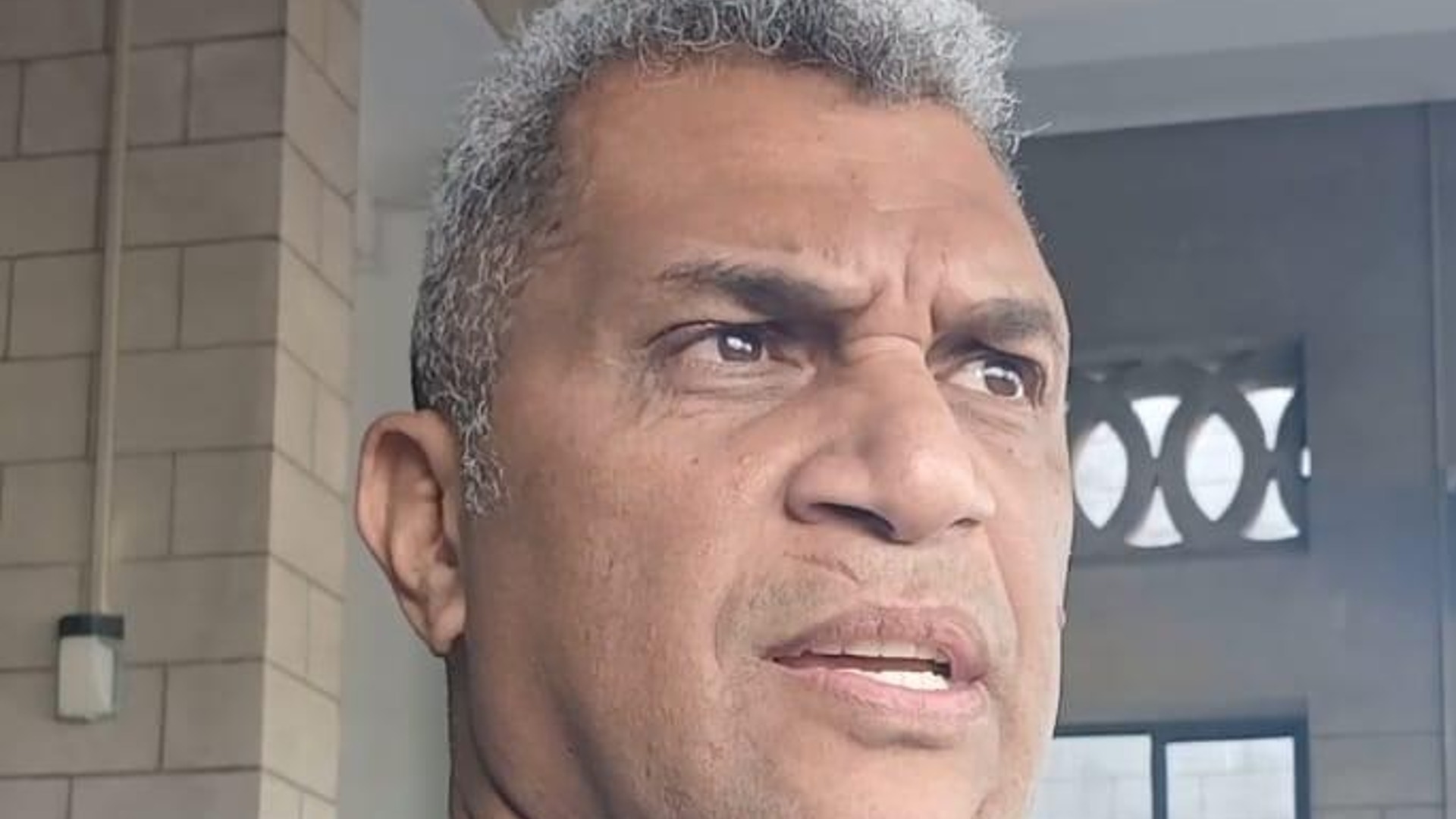
Education Minister Aseri Radrodro says retaining teachers remains an ongoing challenge as many continue to leave the profession for better opportunities both overseas and within Fiji.
Speaking to fijivillage News following the 2026/2027 National Budget announcement, Radrodro says the Ministry is doing its best to improve teachers' welfare within its available resources.
Following no increase in civil servants pay, Radrodro says he acknowledges calls by the Fiji Teachers Association and Fiji Teachers Union for a 20 percent salary increase.
The Minister says there will be no increase but also no salary decrease for civil servants.
The Minister says teacher retention continues to be affected by natural circumstances as well as employment opportunities abroad and locally.
https://www.fijivillage.com/indepth/2026-2027-national-budget-aca663/
Education Minister Aseri Radrodro says retaining teachers remains an ongoing challenge as many continue to leave the profession for better opportunities both overseas and within Fiji.
Speaking to fijivillage News following the 2026/2027 National Budget announcement, Radrodro says the Ministry is doing its best to improve teachers' welfare within its available resources.
Following no increase in civil servants pay, Radrodro says he acknowledges calls by the Fiji Teachers Association and Fiji Teachers Union for a 20 percent salary increase.
The Minister says there will be no increase but also no salary decrease for civil servants.
The Minister says teacher retention continues to be affected by natural circumstances as well as employment opportunities abroad and locally.
https://www.fijivillage.com/indepth/2026-2027-national-budget-aca663/
FCOSS stresses social welfare support must reach those who need it mostBy Mansi Chand 27/06/2026
The Fiji Council of Social Services says while the allocation of over $200 million for social welfare in the 2026/2027 National Budget is a positive step, the key issue remains ensuring the support reaches those who need it most.
Speaking to fijivillage News, FCOSS Executive Director Vani Catanasiga says one of the organisation’s ongoing advocacy priorities has been the protection and strengthening of social protection systems.
Catanasiga says if social welfare support is not positioned well, vulnerable groups may miss out.
Catanasiga further says FCOSS had raised the issue during submissions to the Fiscal Review Committee, stressing the need for social sector funding to be properly directed.
When asked about continuation of 22 zero-rated VAT items, Catanasiga says more support could have been considered for nutrition, especially as vegetables remain expensive for many families.
She says feedback from members has shown food security remains a top priority, with many saying they would prioritise food over travel or social functions if money was limited.
Catanasiga also raised concerns about rising fuel prices, saying the increased cost of transporting fresh produce to markets will likely be passed on to consumers.
Meanwhile, she is disappointed that apart from the budget mention on informal settlement relocation to be led by Habitat for Humanity, she doesn't see any other support.
Catanasiga says this is a red flag and could mean a significant portion of Fiji’s population is being left out.
https://www.fijivillage.com/indepth/2026-2027-national-budget-aca663/
The Fiji Council of Social Services says while the allocation of over $200 million for social welfare in the 2026/2027 National Budget is a positive step, the key issue remains ensuring the support reaches those who need it most.
Speaking to fijivillage News, FCOSS Executive Director Vani Catanasiga says one of the organisation’s ongoing advocacy priorities has been the protection and strengthening of social protection systems.
Catanasiga says if social welfare support is not positioned well, vulnerable groups may miss out.
Catanasiga further says FCOSS had raised the issue during submissions to the Fiscal Review Committee, stressing the need for social sector funding to be properly directed.
When asked about continuation of 22 zero-rated VAT items, Catanasiga says more support could have been considered for nutrition, especially as vegetables remain expensive for many families.
She says feedback from members has shown food security remains a top priority, with many saying they would prioritise food over travel or social functions if money was limited.
Catanasiga also raised concerns about rising fuel prices, saying the increased cost of transporting fresh produce to markets will likely be passed on to consumers.
Meanwhile, she is disappointed that apart from the budget mention on informal settlement relocation to be led by Habitat for Humanity, she doesn't see any other support.
Catanasiga says this is a red flag and could mean a significant portion of Fiji’s population is being left out.
https://www.fijivillage.com/indepth/2026-2027-national-budget-aca663/
We can't satisfy everyone, but we are doing what we can - ImmanuelBy Rashika Kumar 27/06/2026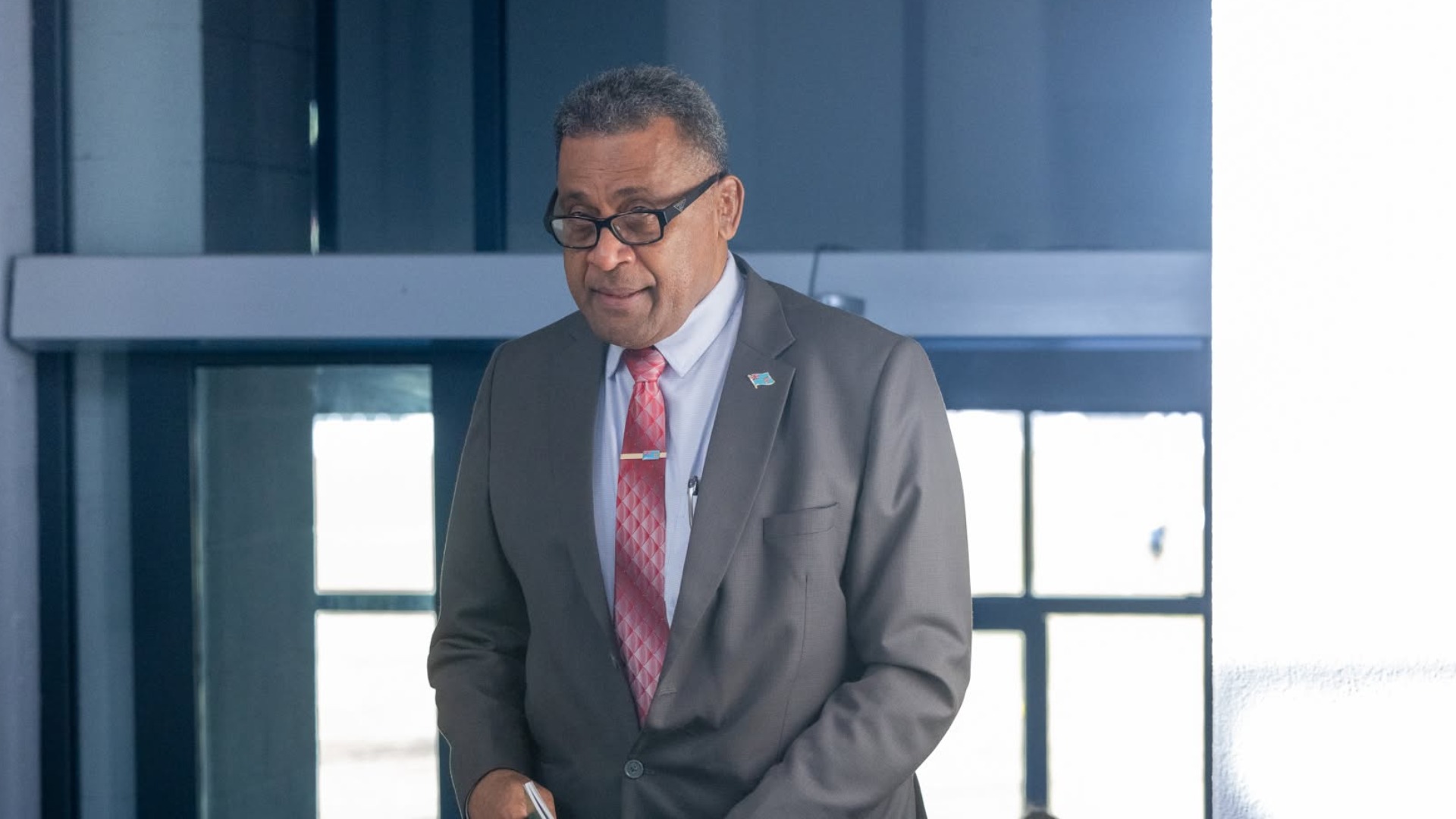 Minister for Finance Esrom Immanuel says the Government has provided the best support it can during the current economic crisis, but acknowledges it cannot satisfy everyone.
While responding to questions during the post 2026-2027 National Budget press conference about people's expectations for further relief measures to address the rising cost of living, Immanuel says some people may feel that what they are receiving is probably not sufficient.
He says this is a difficult crisis, and they have already provided the best that they can from the support that they have been provided.
Immanuel says the only thing the Government probably did not provide was a salary increase to cater for rising costs.
He says, on the flip side, the Government expects fuel prices to reduce from next week, which will ease the burden for people already receiving assistance.
Immanuel adds the Government is trying to stay in the middle to provide some comfort and ensure that we grow in the future.
https://www.fijivillage.com/indepth/2026-2027-national-budget-aca663/
https://www.fijivillage.com/indepth/2026-2027-national-budget-aca663/
More than 2,900 residential lots and 1,800 homes planned under 2026/2027 BudgetBy Priya Nand 27/06/2026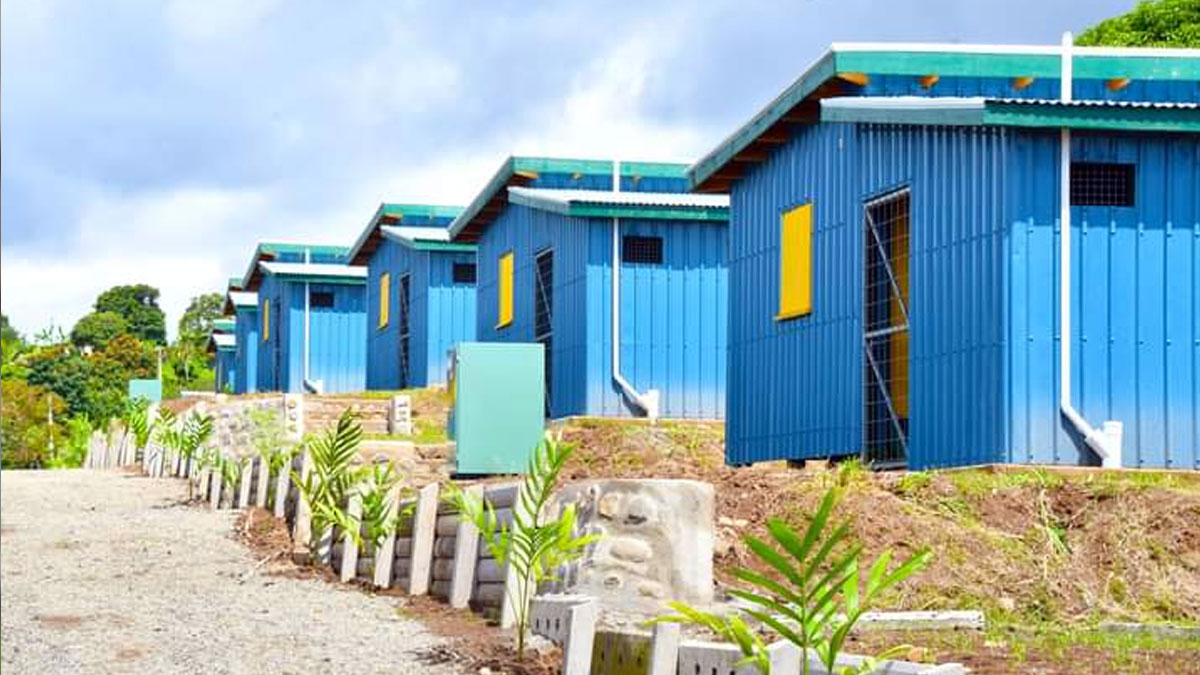 More than 2,900 residential lots and 1,800 houses are expected to be made available as Government moves to address housing challenges facing low and middle-income earners.
While delivering the 2026/2027 National Budget, Minister for Finance Esrom Immanuel said that access to housing remains a challenge, especially in Fiji’s major urban centres.
Immanuel says the Housing Authority is working towards providing more than 2,900 residential lots and around 1,800 complete houses for sale in Nepani, Wanibuku, Davuilevu, Tavakubu, Tavua, Wairabetia, Tacirua, Waqadra, Waila and Veikoba.
Immanuel says Government is also working together with PRB to invest in more low-cost housing projects.
He says that apart from Housing Authority and PRB, Government is also collaborating with other key partners like Habitat for Humanity, HART, Koroipita and other private sector partners to deliver affordable housing solutions.
He says Government is encouraging institutional investors like FNPF and Fijian Holdings to help increase the availability of affordable residential lots and housing in Fiji, while other private sector investors are also encouraged to come on board.
The Finance Minister says the tax incentive available for development of subdivisions has been extended and provides developer profit exemptions and customs duty concessions for land developers undertaking investment in residential subdivisions.
He says the low-interest rate environment remains conducive for housing finance, with home loans provided at just below 4 percent from commercial banks.
He says Government has also allowed the Fiji Development Bank to introduce housing loans on a small scale.
Immanuel says a sum of $3 million has also been allocated to support first home buyers in the 2026-2027 Budget, with Government approving a revised structure for the First Home Ownership Assistance Programme to enhance housing affordability for low and middle-income households.
He says under Category 1, households earning $30,000 or less, including those displaced from informal settlements such as Veidogo, Nabua Muslim League and Kilikali, will be eligible for grants of up to $40,000 for home construction and $30,000 for home purchase.
He says Category 2 has been revised to target households earning above $30,000 to $60,000, and under this category, the home purchase grant has been increased from $5,000 to $15,000, while the home construction grant remains at $20,000.
The Finance Minister says households earning above $60,000 will no longer be eligible for assistance, ensuring that Government resources are more effectively targeted towards those with the greatest housing needs.
He says in addition, a total of $10 million is provided for the formalisation of nine informal settlements in Tore, Field 4, Valewaquyaya, Sakoca, Vuniika, Nabare, Delaisaweni, Lovu seaside and Caubati.
He says around $1.3 million has also been allocated for the Relocation and Resettlement of Informal Settlements and $500,000 is allocated to Habitat for Humanity.
He adds that these projects will assist the Ministry of Housing to undertake civil works for the relocation and resettlement of 1,200 households from Veidogo, Nabua Muslim League and Kilikali to Koronivia and Mokosoi Greenfields.
https://www.fijivillage.com/indepth/2026-2027-national-budget-aca663/
https://www.fijivillage.com/indepth/2026-2027-national-budget-aca663/
FHTA rejects claims tourism industry backed 5% Tourism Services TaxBy Mansi Chand 28/06/2026
The Fiji Hotel and Tourism Association says the tourism industry did not propose, endorse or broadly agree to the Government's proposed 5 percent Tourism Services Tax or Service Turnover Tax announced in the 2026/2027 National Budget.
Association Chief Executive Officer Fantasha Lockington says any suggestion that the tourism industry supported the measure is misleading, stressing that while a few representatives may have expressed support during isolated discussions, they do not represent the wider industry.
She says the overwhelming majority of the Association members strongly oppose the tax in its current form and the lack of consultation before it was announced.
Lockington says while Fiji Airways is critical to the country's connectivity, tourism, trade, employment and national brand, support for the national carrier should come through a national fiscal response rather than being placed solely on the tourism sector.
She says tourism operators are already dealing with the COVID-era debt, rising wage costs, labour shortages and increasing compliance costs.
The Association says the proposed tax would apply regardless of whether businesses are making a profit and would ignore operating margins, debt levels, seasonal fluctuations and existing contractual obligations.
Lockington says operators cannot simply pass an additional five percent charge onto guests, travel agents or wholesalers for existing bookings, warning that doing so could lead to disputes, cancellations and damage Fiji's reputation as a tourism destination.
She says members have indicated they will pass the tax on to consumers because absorbing the additional cost is neither practical nor commercially sustainable.
The Association also warns that adding the new tax to the existing 12.5 percent VAT would result in a total tax burden of 17.5 percent on affected tourism services, before Fiji's $200 departure tax is taken into account.
The Association says this could reduce Fiji's competitiveness against other tourism destinations.
The Association says if the Government proceeds with the tax, it is calling for safeguards, including exempting existing contracted, deposited and fully paid bookings, ensuring the tax is not applied retrospectively, introducing a VAT-style input and output credit system to avoid cascading costs, and requiring the tax to be clearly identified.
The Association is also calling for a legislated sunset clause of no more than 12 months, with all revenue ring-fenced, independently audited and publicly reported.
It is further proposing that tourism service taxpayers be allowed to establish a Special Purpose Vehicle so their tax contributions can be converted into equity in Fiji Airways.
Lockington says support for Fiji Airways must be national, transparent, temporary, conditional and fair, and maintains that the tourism industry has not agreed to the proposed tax.
https://www.fijivillage.com/indepth/2026-2027-national-budget-aca663/
The Fiji Hotel and Tourism Association says the tourism industry did not propose, endorse or broadly agree to the Government's proposed 5 percent Tourism Services Tax or Service Turnover Tax announced in the 2026/2027 National Budget.
Association Chief Executive Officer Fantasha Lockington says any suggestion that the tourism industry supported the measure is misleading, stressing that while a few representatives may have expressed support during isolated discussions, they do not represent the wider industry.
She says the overwhelming majority of the Association members strongly oppose the tax in its current form and the lack of consultation before it was announced.
Lockington says while Fiji Airways is critical to the country's connectivity, tourism, trade, employment and national brand, support for the national carrier should come through a national fiscal response rather than being placed solely on the tourism sector.
She says tourism operators are already dealing with the COVID-era debt, rising wage costs, labour shortages and increasing compliance costs.
The Association says the proposed tax would apply regardless of whether businesses are making a profit and would ignore operating margins, debt levels, seasonal fluctuations and existing contractual obligations.
Lockington says operators cannot simply pass an additional five percent charge onto guests, travel agents or wholesalers for existing bookings, warning that doing so could lead to disputes, cancellations and damage Fiji's reputation as a tourism destination.
She says members have indicated they will pass the tax on to consumers because absorbing the additional cost is neither practical nor commercially sustainable.
The Association also warns that adding the new tax to the existing 12.5 percent VAT would result in a total tax burden of 17.5 percent on affected tourism services, before Fiji's $200 departure tax is taken into account.
The Association says this could reduce Fiji's competitiveness against other tourism destinations.
The Association says if the Government proceeds with the tax, it is calling for safeguards, including exempting existing contracted, deposited and fully paid bookings, ensuring the tax is not applied retrospectively, introducing a VAT-style input and output credit system to avoid cascading costs, and requiring the tax to be clearly identified.
The Association is also calling for a legislated sunset clause of no more than 12 months, with all revenue ring-fenced, independently audited and publicly reported.
It is further proposing that tourism service taxpayers be allowed to establish a Special Purpose Vehicle so their tax contributions can be converted into equity in Fiji Airways.
Lockington says support for Fiji Airways must be national, transparent, temporary, conditional and fair, and maintains that the tourism industry has not agreed to the proposed tax.
https://www.fijivillage.com/indepth/2026-2027-national-budget-aca663/
FTUC disappointed with 2026/2027 National BudgetBy Temalesi Vono 27/06/2026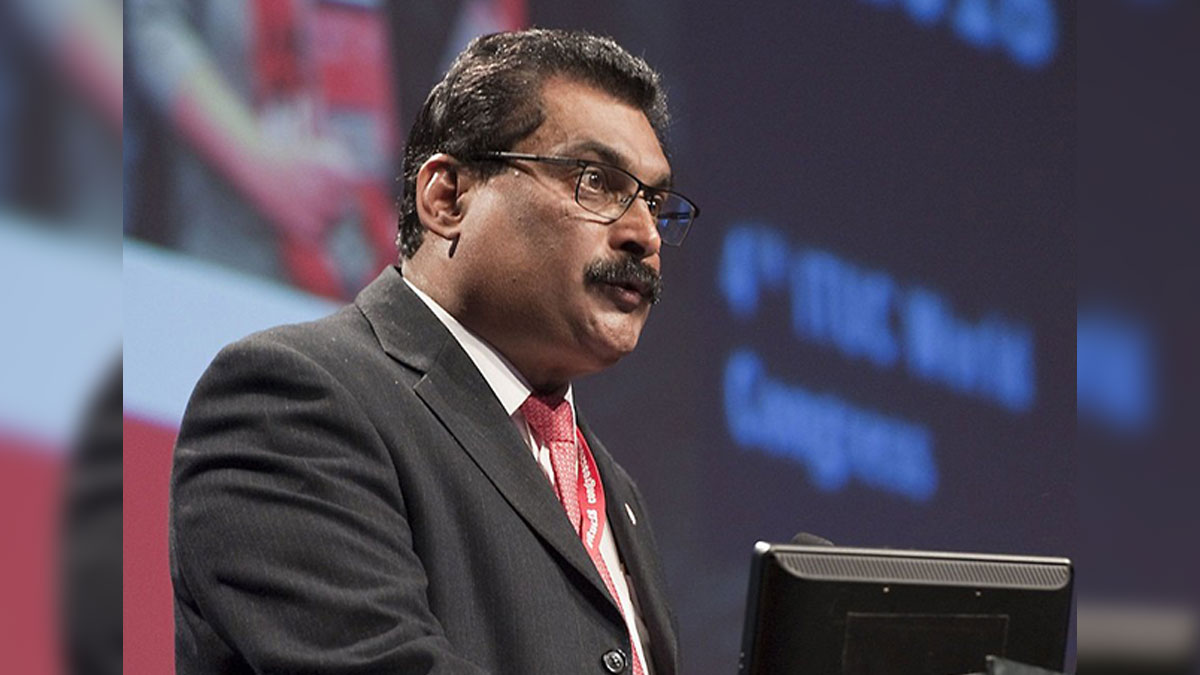
The Fiji Trades Union Congress says it is disappointed with the 2026/2027 National Budget, claiming it offers little new relief for workers grappling with the rising cost of living.
National Secretary Felix Anthony says the Budget places greater emphasis on supporting businesses than workers, with no increase in the national minimum wage despite ongoing financial pressures faced by many households.
Finance Minister Esrom Immanuel has announced that $100,000 has been allocated for reviewing and conducting further consultations on the minimum wage and fair wages during the next fiscal year.
Anthony says while $100,000 has been allocated for further consultations on the minimum wage next year, workers need immediate relief rather than more discussions.
He says the Government moved quickly to assist businesses affected by higher fuel costs but failed to provide comparable support for workers.
The Finance Minister also announced a temporary 2 percentage point reduction in the Fiji National Provident Fund (FNPF) employer contribution rate, effective from August 1st, 2026, where employer contributions will decrease from 10 percent to 8 percent, while employee contributions remain locked at 8 percent.
Anthony criticised this decision arguing that the move effectively amounts to a two percent pay cut for workers.
He claims the reduction will save the Government about $30 million while workers collectively stand to lose hundreds of millions of dollars in retirement savings at a time when many families are struggling to cope with the cost of living.
Anthony further expressed disappointment that the Government did not include funding to compensate former Water Authority of Fiji workers who were terminated in 2019.
He says the compensation was announced in the 2024/2025 National Budget but is yet to be delivered, describing the omission as a breach of the Government's commitment.
While welcoming investments in infrastructure, Anthony says the overall Budget favours state-owned enterprises and the private sector over workers and their families.
He says the assistance highlighted in the Budget largely consists of measures announced in previous years rather than new initiatives to address current economic challenges.
Anthony adds that workers cannot rely on past assistance to meet today's needs and says maintaining existing tax rates and previously announced support does not provide meaningful relief in the current economic climate.
The Fiji Trades Union Congress says it is disappointed with the 2026/2027 National Budget, claiming it offers little new relief for workers grappling with the rising cost of living.
National Secretary Felix Anthony says the Budget places greater emphasis on supporting businesses than workers, with no increase in the national minimum wage despite ongoing financial pressures faced by many households.
Finance Minister Esrom Immanuel has announced that $100,000 has been allocated for reviewing and conducting further consultations on the minimum wage and fair wages during the next fiscal year.
Anthony says while $100,000 has been allocated for further consultations on the minimum wage next year, workers need immediate relief rather than more discussions.
He says the Government moved quickly to assist businesses affected by higher fuel costs but failed to provide comparable support for workers.
The Finance Minister also announced a temporary 2 percentage point reduction in the Fiji National Provident Fund (FNPF) employer contribution rate, effective from August 1st, 2026, where employer contributions will decrease from 10 percent to 8 percent, while employee contributions remain locked at 8 percent.
Anthony criticised this decision arguing that the move effectively amounts to a two percent pay cut for workers.
He claims the reduction will save the Government about $30 million while workers collectively stand to lose hundreds of millions of dollars in retirement savings at a time when many families are struggling to cope with the cost of living.
Anthony further expressed disappointment that the Government did not include funding to compensate former Water Authority of Fiji workers who were terminated in 2019.
He says the compensation was announced in the 2024/2025 National Budget but is yet to be delivered, describing the omission as a breach of the Government's commitment.
While welcoming investments in infrastructure, Anthony says the overall Budget favours state-owned enterprises and the private sector over workers and their families.
He says the assistance highlighted in the Budget largely consists of measures announced in previous years rather than new initiatives to address current economic challenges.
Anthony adds that workers cannot rely on past assistance to meet today's needs and says maintaining existing tax rates and previously announced support does not provide meaningful relief in the current economic climate.
Budget delivers relief for businesses amid fuel crisis – FCEFBy Nilufa Buksh 28/06/2026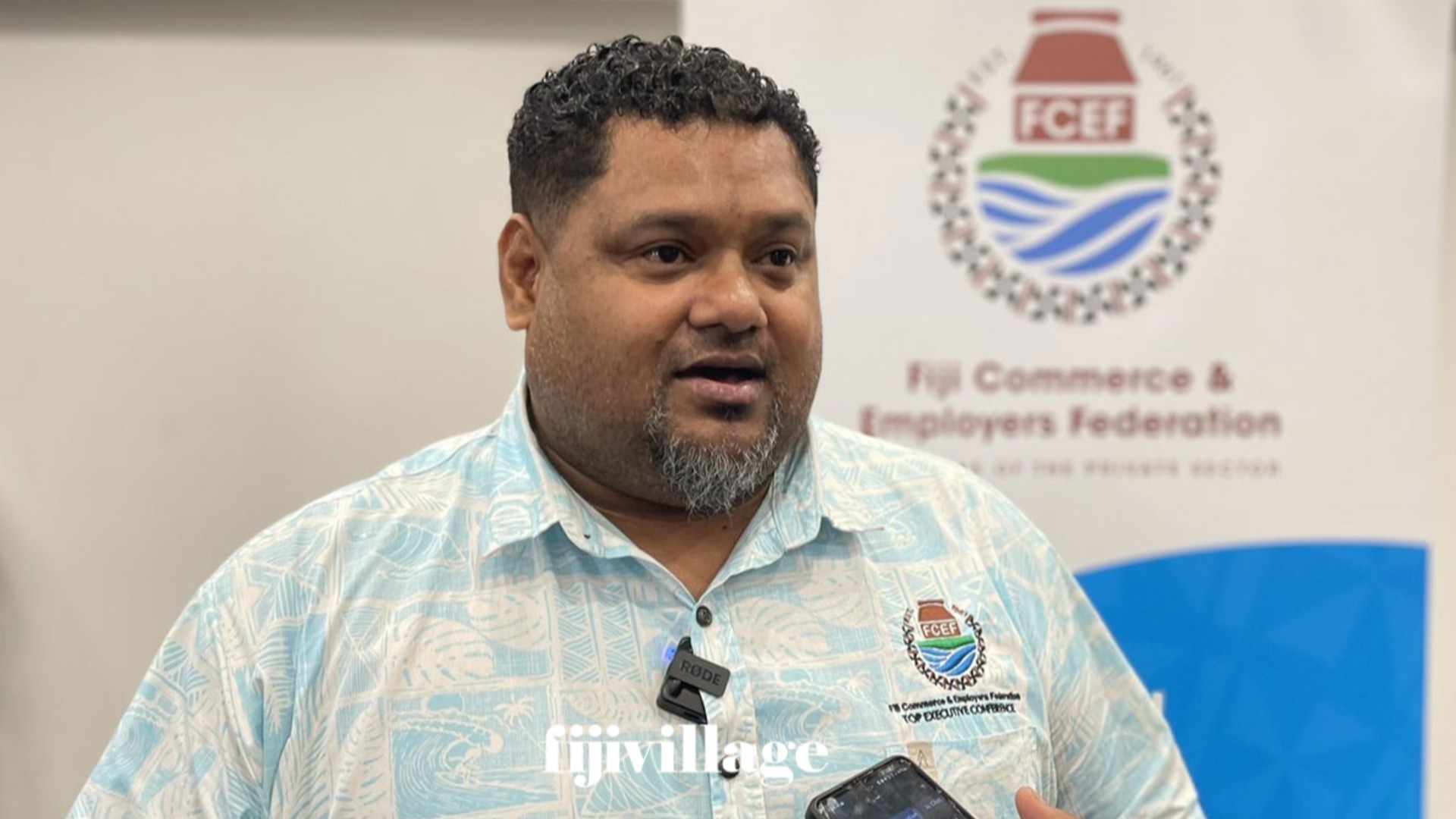
The 2026-2027 National Budget provides much-needed relief for businesses while balancing support for vulnerable Fijians despite the Government's limited fiscal space and the ongoing fuel crisis.
This has been highlighted by the Fiji Commerce and Employers Federation as they welcomed the 2026-2027 National Budget.
FCEF Chief Executive Officer Edward Bernard says the budget is not a typical election budget but instead delivers targeted support to key sectors of the economy while recognising the importance of a strong private sector.
Bernard says this is reflected in the Government's decision not to increase corporate tax, place emphasis on productivity-linked wage considerations and partially reinstate the employers' training levy.
He says businesses will benefit from measures aimed at easing the high cost of doing business, including the extension of fuel duty exemptions for hotels not connected to the Energy Fiji Limited grid, mining operations using fuel for power generation and manufacturers using boilers.
Bernard says diesel duty concessions for bus operators, shipping companies, Energy Fiji Limited, manufacturers, mining operations and eligible hotels generating their own power have also been extended until 31 October 2026.
He adds that the reduction of mandatory employer FNPF contributions from 10 percent to 8 percent from 1 August 2026 to 31 July 2027 is expected to save employers about $100 million, allowing businesses to support recovery, create jobs and invest.
Bernard says employers who voluntarily contribute above the mandatory 8 percent rate, up to 10 percent, will also qualify for a 150 percent tax deduction on the additional contribution.
The FCEF CEO says businesses across several sectors will also benefit from lower customs tariffs, with duties on aluminium structures and PVC boards reduced from 32 percent to 15 percent, surveillance cameras from 5 percent to zero, flavoured milk from 32 percent to 15 percent, plant-based food preparations from 5 percent to zero and passenger vans with seating capacity of 10 to 15 people reduced from 5 percent to zero.
Bernard says the budget also strengthens skills development through an increase in the Training Grant Scheme allocation from 0.1 percent to 0.5 percent, increasing funding from about $2.5 million to approximately $15 million.
He says 0.1 percent of the training levy has been allocated to the Fiji Learning Institute for Public Service, while businesses establishing training or technical centres will qualify for a 150 percent investment allowance.
He also says the Government has extended the 500 percent tax deduction for wages supporting apprenticeships, work placements and part-time employment until 31st December 2026, while the 400 percent tax deduction for employing people with disabilities has also been extended until the same date.
Bernard says the budget supports investment by introducing targeted tax holidays, including a 13-year tax holiday for cement mill investments of $20 million or more, a five-year tax holiday for mahogany sawmill investments of at least $5 million, and for joint ventures with at least 30 percent iTaukei shareholding in eco-tourism, culture and arts projects, a seven-year tax holiday for investments between $5 million and $10 million, and a 13-year tax holiday for investments above $10 million.
He says access to business finance will also improve through a five-year tax holiday for Peer-to-Peer Lending and Equity Crowdfunding platform providers, tax exemptions on interest income of up to $200,000 a year for investors in licensed Peer-to-Peer Lending platforms, tax incentives for institutional investors operating under the Access to Business Funding Act and an extension of the Capital Gains Tax exemption for the disposal of shares in listed companies undertaking transactions under the Act.
Bernard says FCEF looks forward to working closely with the Government to ensure the budget measures deliver real economic benefits for businesses, workers and communities across Fiji.
https://www.fijivillage.com/indepth/2026-2027-national-budget-aca663/
The 2026-2027 National Budget provides much-needed relief for businesses while balancing support for vulnerable Fijians despite the Government's limited fiscal space and the ongoing fuel crisis.
This has been highlighted by the Fiji Commerce and Employers Federation as they welcomed the 2026-2027 National Budget.
FCEF Chief Executive Officer Edward Bernard says the budget is not a typical election budget but instead delivers targeted support to key sectors of the economy while recognising the importance of a strong private sector.
Bernard says this is reflected in the Government's decision not to increase corporate tax, place emphasis on productivity-linked wage considerations and partially reinstate the employers' training levy.
He says businesses will benefit from measures aimed at easing the high cost of doing business, including the extension of fuel duty exemptions for hotels not connected to the Energy Fiji Limited grid, mining operations using fuel for power generation and manufacturers using boilers.
Bernard says diesel duty concessions for bus operators, shipping companies, Energy Fiji Limited, manufacturers, mining operations and eligible hotels generating their own power have also been extended until 31 October 2026.
He adds that the reduction of mandatory employer FNPF contributions from 10 percent to 8 percent from 1 August 2026 to 31 July 2027 is expected to save employers about $100 million, allowing businesses to support recovery, create jobs and invest.
Bernard says employers who voluntarily contribute above the mandatory 8 percent rate, up to 10 percent, will also qualify for a 150 percent tax deduction on the additional contribution.
The FCEF CEO says businesses across several sectors will also benefit from lower customs tariffs, with duties on aluminium structures and PVC boards reduced from 32 percent to 15 percent, surveillance cameras from 5 percent to zero, flavoured milk from 32 percent to 15 percent, plant-based food preparations from 5 percent to zero and passenger vans with seating capacity of 10 to 15 people reduced from 5 percent to zero.
Bernard says the budget also strengthens skills development through an increase in the Training Grant Scheme allocation from 0.1 percent to 0.5 percent, increasing funding from about $2.5 million to approximately $15 million.
He says 0.1 percent of the training levy has been allocated to the Fiji Learning Institute for Public Service, while businesses establishing training or technical centres will qualify for a 150 percent investment allowance.
He also says the Government has extended the 500 percent tax deduction for wages supporting apprenticeships, work placements and part-time employment until 31st December 2026, while the 400 percent tax deduction for employing people with disabilities has also been extended until the same date.
Bernard says the budget supports investment by introducing targeted tax holidays, including a 13-year tax holiday for cement mill investments of $20 million or more, a five-year tax holiday for mahogany sawmill investments of at least $5 million, and for joint ventures with at least 30 percent iTaukei shareholding in eco-tourism, culture and arts projects, a seven-year tax holiday for investments between $5 million and $10 million, and a 13-year tax holiday for investments above $10 million.
He says access to business finance will also improve through a five-year tax holiday for Peer-to-Peer Lending and Equity Crowdfunding platform providers, tax exemptions on interest income of up to $200,000 a year for investors in licensed Peer-to-Peer Lending platforms, tax incentives for institutional investors operating under the Access to Business Funding Act and an extension of the Capital Gains Tax exemption for the disposal of shares in listed companies undertaking transactions under the Act.
Bernard says FCEF looks forward to working closely with the Government to ensure the budget measures deliver real economic benefits for businesses, workers and communities across Fiji.
https://www.fijivillage.com/indepth/2026-2027-national-budget-aca663/
Govt to keep current Cabinet until election, and borrow $1.4B from local and overseas lenders for capital projectsBy Rashika Kumar 28/06/2026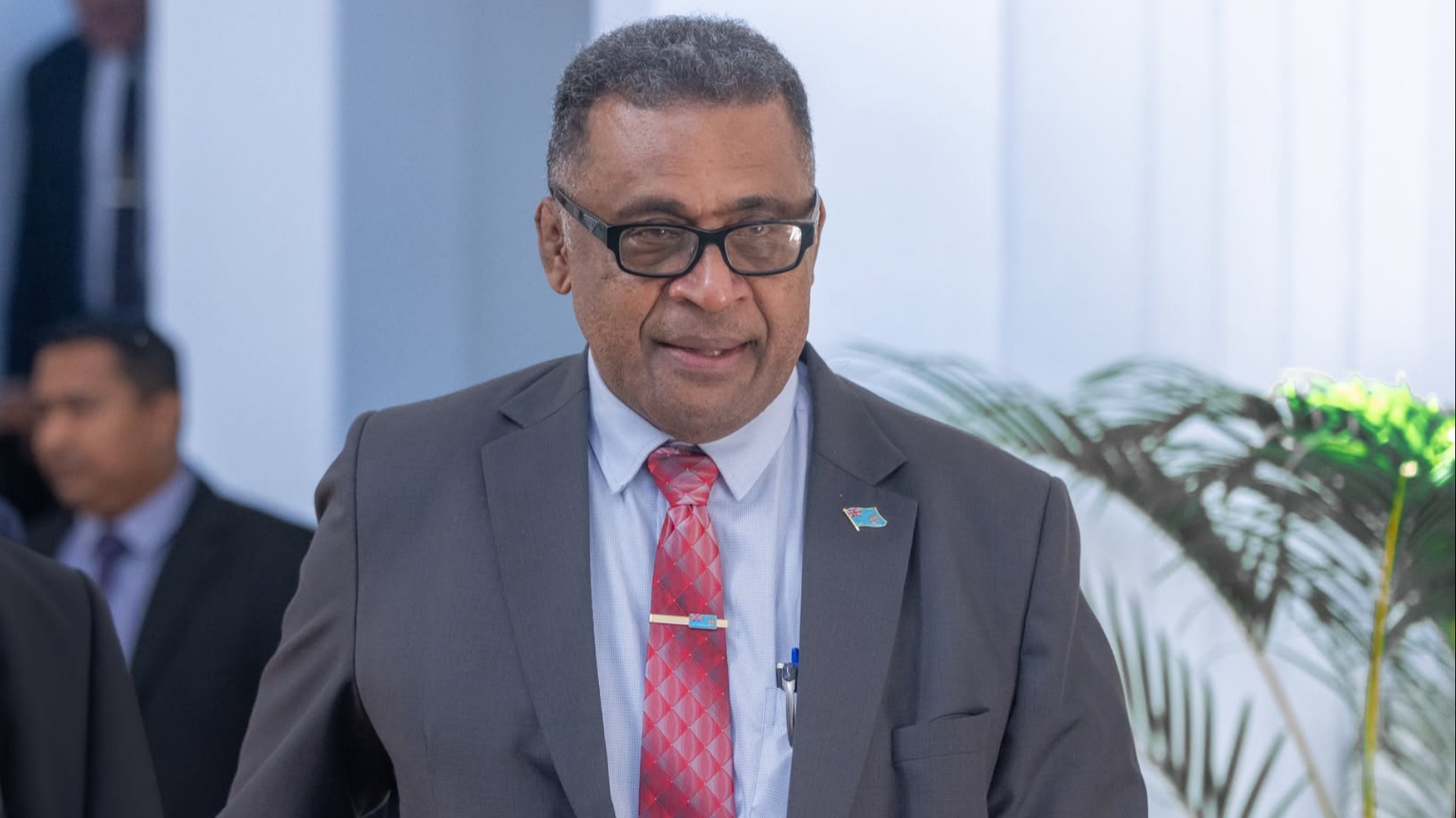 As concerns remain on government expenditure, Minister for Finance, Esrom Immanuel says the current size of the cabinet will remain until after the general elections which will happen very soon.
While responding to questions, Immanuel says other parliamentary committees will continue to operate because there is a strong need for them, with a number of bills and regulations still awaiting consideration, in addition to work on the Constitution and the referendum.
As Government expenditure is expected to exceed revenue by about $1 billion, Permanent Secretary for Finance Shiri Goundar says if revenue had not fallen by $200 million in the current financial year due to the fuel crisis and its impact on the economy, the budget deficit would have been below 5 percent.
He says the deficit will reduce once the economy starts to recover and they will not need to borrow a billion dollars.
Goundar says if the government revenue is about $300 million higher in the current financial year, deficit will eventually end at around 4 percent, however, the global situation is still evolving.
While responding to questions by fijivillage News on what portion of the borrowing is going to be local and external and what it will fund, Goundar says all borrowings will be for capital projects.
He says the government will borrow around $1.4 billion in the 2026-2027 financial year, $1 billion for the deficit financing, and around $440 million for the payment of principal debt.
Goundar says of this, around $600 million or so will come from external sources such as the Asian Development Bank, World Bank, Asian Infrastructure Investment Bank, JICA, and the remainder from domestic financing from FNPF.
The Permanent Secretary further says the government will need to take tough measures in the future to reduce the budget deficit to below 3 percent, but for now it has decided to maintain a 7 percent deficit because of the current economic crisis.
He says the budget has been prepared based on a worst-case scenario, assuming the economic slowdown continues and if conditions improve and tax revenue increases, the Government expects to borrow less and the deficit could be lower than projected.
Goundar also stresses that Government borrowing is mainly for capital projects such as infrastructure, not day-to-day operating costs, except during times of crisis.
https://www.fijivillage.com/indepth/2026-2027-national-budget-aca663/
https://www.fijivillage.com/indepth/2026-2027-national-budget-aca663/
RFMF says Fiji cannot afford to weaken fight against crime and drugsBy Alipate Narawa 28/06/2026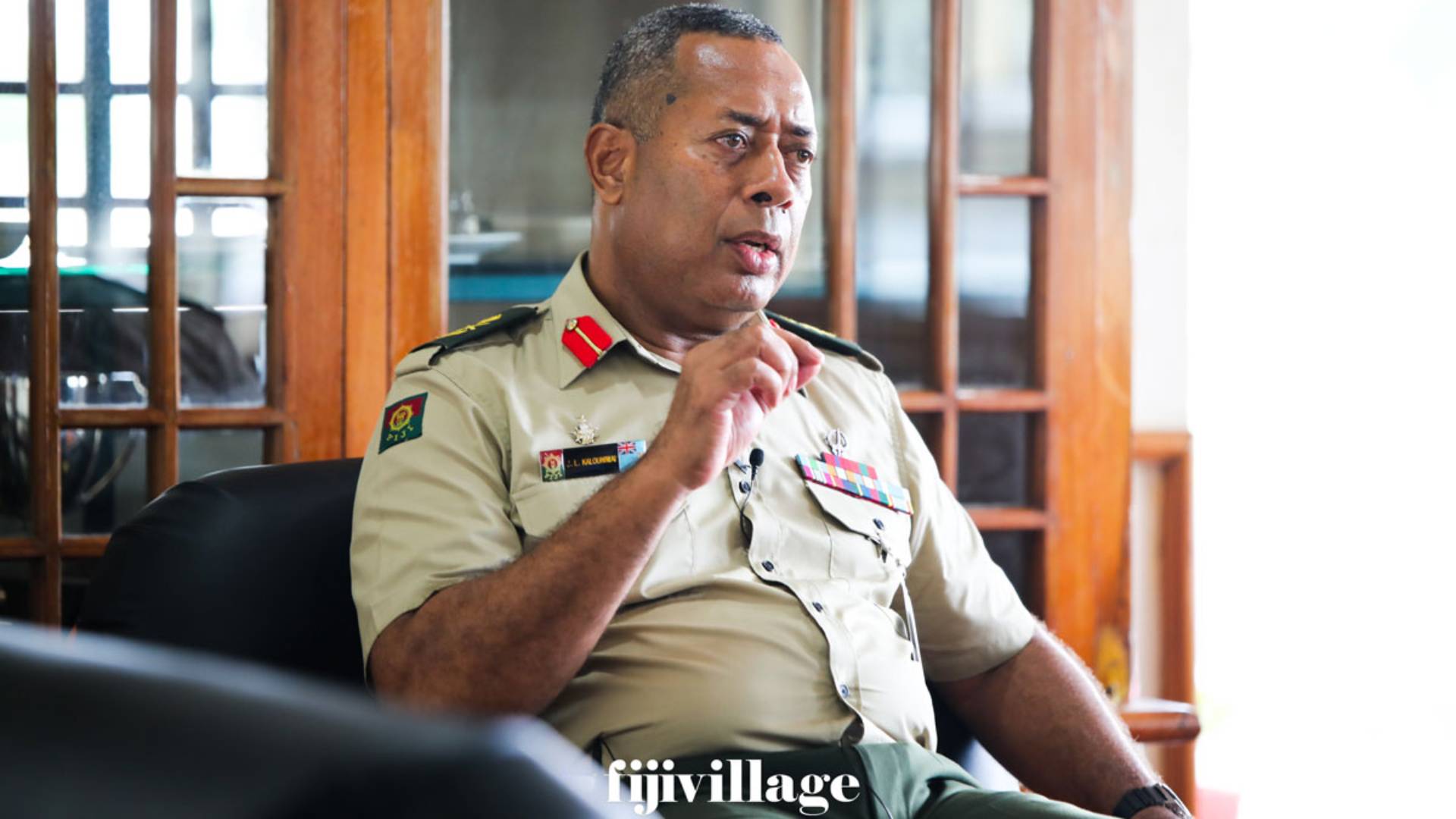 The Commander of the Republic of Fiji Military Forces, Major General Jone Kalouniwai says they would gently offer that a nation whose institutions are being hollowed out by corruption, whose communities are being poisoned by local peddlers offering narcotics, and whose children are being preyed upon by traffickers - is not a nation that can afford to reduce the reach of the few who are still fighting back.
Major General Kalouniwai says they acknowledge and genuinely respect the concerns raised in public commentary regarding national budget allocations - including the position that military spending should be reduced on the grounds that Fiji is not engaged in conventional warfare.
He says these are legitimate questions in any democracy, and their institution welcomes them asking those who hold this view to look again not at their budget line, but at their work, including the sailors operating in open seas in the Lau Group this week.
The Commander says look at the engineers who built a rural school and Community Hall last month with no press release.
He says look at the soldiers who distributed food rations during COVID while the rest of the country stayed home.
Major General Kalouniwai also highlighted the peacekeepers who carried Fiji's flag to the world's most dangerous places, at the cadets who are learning, right now, what it means to serve something larger than themselves.
He says the RFMF has always operated with the minimum of resources, and a reduced budget has never stopped a soldier from completing the mission.
The Commander says it will not stop them now.
He asks before reducing the capacity of the one institution still extending its reach into the grey zones of this crisis - consider what is left if they are not there.
Major General Kalouniwai says they share the belief that education, health, and welfare deserve every dollar they need, and they have never argued otherwise.
He says a reduced budget has never stopped a soldier from serving, and it will not stop them now.
The Commander says every sailor and soldier who wears the uniform took an oath not to a government, not to a budget line, but to this nation and its people.
He says they are taught from their earliest days in uniform that no soldier is indispensable.
Major General Kalouniwai says you fall today; someone rises tomorrow to take your place.
He says they do not mourn their fallen - they celebrate their courage, honour their sacrifice, and carry their mission forward.
The Commander says the RFMF will continue to serve Fiji.
The RFMF Budget for 2026-2027 is $152.6 million compared to $167.8 million in the 2025-2026 Budget.
https://www.fijivillage.com/indepth/2026-2027-national-budget-aca663/
https://www.fijivillage.com/indepth/2026-2027-national-budget-aca663/
Govt allocates $34.2 million to boost Early Childhood EducationBy Nilufa Buksh 29/06/2026 PC: Fiji Government
Thousands of young children across Fiji are expected to benefit from increased investment in Early Childhood Education, with the Government allocating $34.176 million to the sector in the 2026-2027 National Budget.
The announcement comes as Early Childhood Education (ECE) Week 2026 was officially launched, bringing together children, teachers, parents and education stakeholders to celebrate the importance of quality early learning.
Speaking at the launch, Minister for Education Aseri Radrodro says the early years of a child's life are critical to cognitive, social, emotional, physical and language development, laying the foundation for lifelong learning and future success.
This year's theme, Together for Every Child's First Step: Early Learning and Endless Possibilities, highlights the importance of ensuring every child has access to quality education before entering primary school.
Activities throughout the week will give young learners an opportunity to showcase their talents and creativity.
Radrodro also acknowledges the dedication of Fiji's 1,435 Early Childhood Education teachers for their commitment to nurturing young children across the country.
The Government has increased funding for Early Childhood Education from $32.336 million in the previous financial year to $34.176 million in the 2026-2027 National Budget.
The Ministry of Education says full salary payments for all Ministry of Education ECE teachers have been implemented under the approved full-day ECE programme since August 2025.
The Ministry will continue working with development partners, including the World Bank, UNICEF and tertiary institutions, to expand access to quality and inclusive early childhood education throughout Fiji.
Thousands of young children across Fiji are expected to benefit from increased investment in Early Childhood Education, with the Government allocating $34.176 million to the sector in the 2026-2027 National Budget.
The announcement comes as Early Childhood Education (ECE) Week 2026 was officially launched, bringing together children, teachers, parents and education stakeholders to celebrate the importance of quality early learning.
Speaking at the launch, Minister for Education Aseri Radrodro says the early years of a child's life are critical to cognitive, social, emotional, physical and language development, laying the foundation for lifelong learning and future success.
This year's theme, Together for Every Child's First Step: Early Learning and Endless Possibilities, highlights the importance of ensuring every child has access to quality education before entering primary school.
Activities throughout the week will give young learners an opportunity to showcase their talents and creativity.
Radrodro also acknowledges the dedication of Fiji's 1,435 Early Childhood Education teachers for their commitment to nurturing young children across the country.
The Government has increased funding for Early Childhood Education from $32.336 million in the previous financial year to $34.176 million in the 2026-2027 National Budget.
The Ministry of Education says full salary payments for all Ministry of Education ECE teachers have been implemented under the approved full-day ECE programme since August 2025.
The Ministry will continue working with development partners, including the World Bank, UNICEF and tertiary institutions, to expand access to quality and inclusive early childhood education throughout Fiji.
SPCA Fiji welcomes landmark Budget measures to boost animal welfareBy Mansi Chand 29/06/2026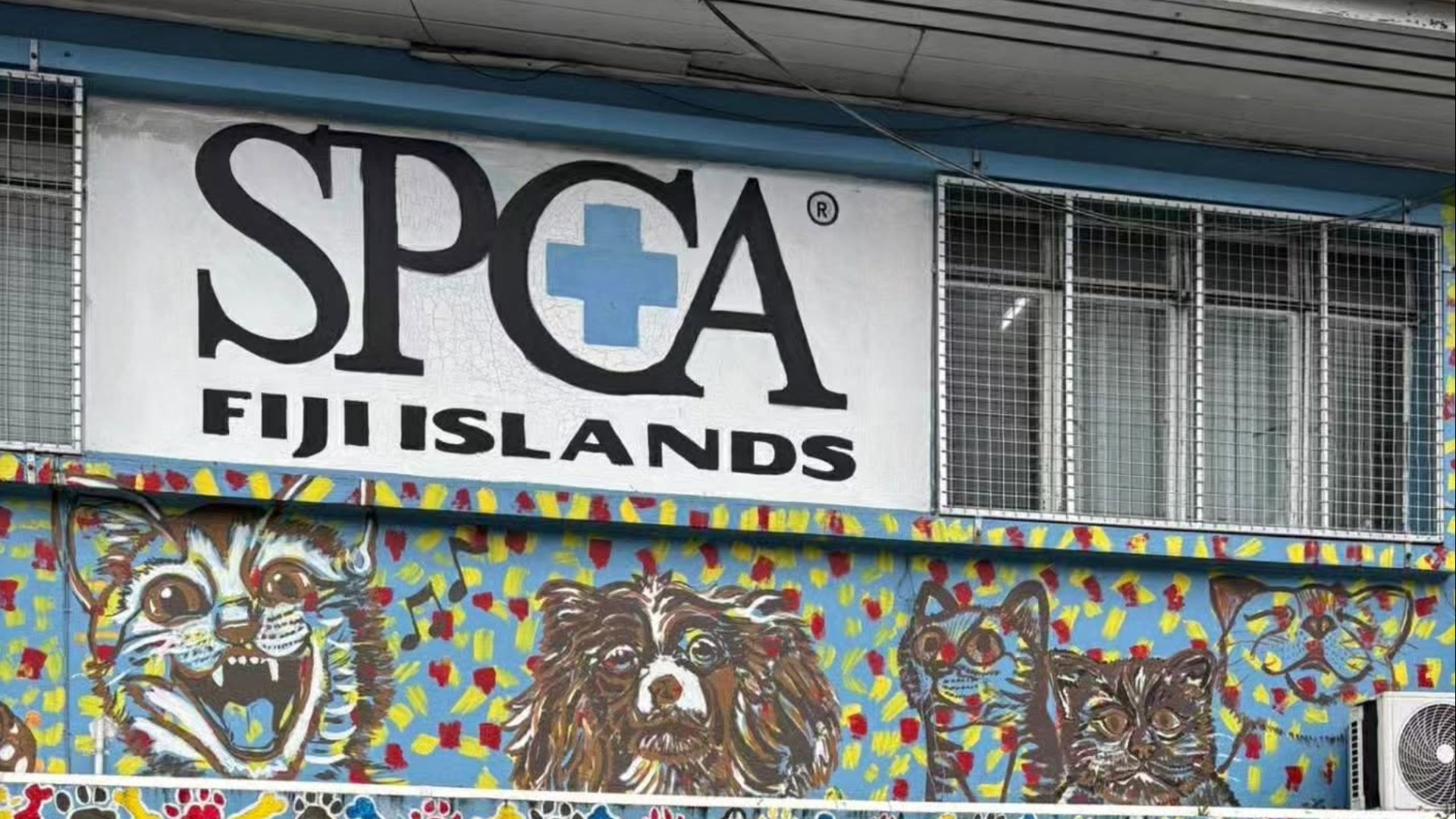 (Image: SPCA Facebook)The Society for the Prevention of Cruelty to Animals (SPCA) Fiji has welcomed the 2026/2027 National Budget, describing the newly announced animal welfare measures as groundbreaking and a major step forward for the care and protection of animals in the country.
SPCA Fiji says they are grateful that the Government has introduced a new incentive package to support the establishment of veterinary centres, animal sanctuaries and animal welfare facilities.
SPCA Fiji has also welcomed the introduction of a 200 percent tax deduction for donations made to qualifying animal welfare organisations, saying it will encourage more people and businesses to support animal welfare initiatives.
The organisation says the new measures will make essential veterinary care more accessible, support the creation of safe havens for animals in need and provide donors with a significant financial incentive to contribute to its lifesaving work.
SPCA Fiji says under the new tax incentive, a person who donates $100 to a qualifying animal welfare organisation will be able to claim $200 against their taxable income, effectively doubling the tax deduction available for donations.
They say it is excited by the Government's commitment to improving the well-being of animals and looks forward to working with authorities to maximise the opportunities created through the Budget.
SPCA Fiji is also calling on members of the public to support its mission through donations as it prepares for what it describes as a new era of animal care in Fiji.
WATCH: Minister for Finance Esrom Immanuel on fijivillage Straight TalkBy fijivillage 03/07/2026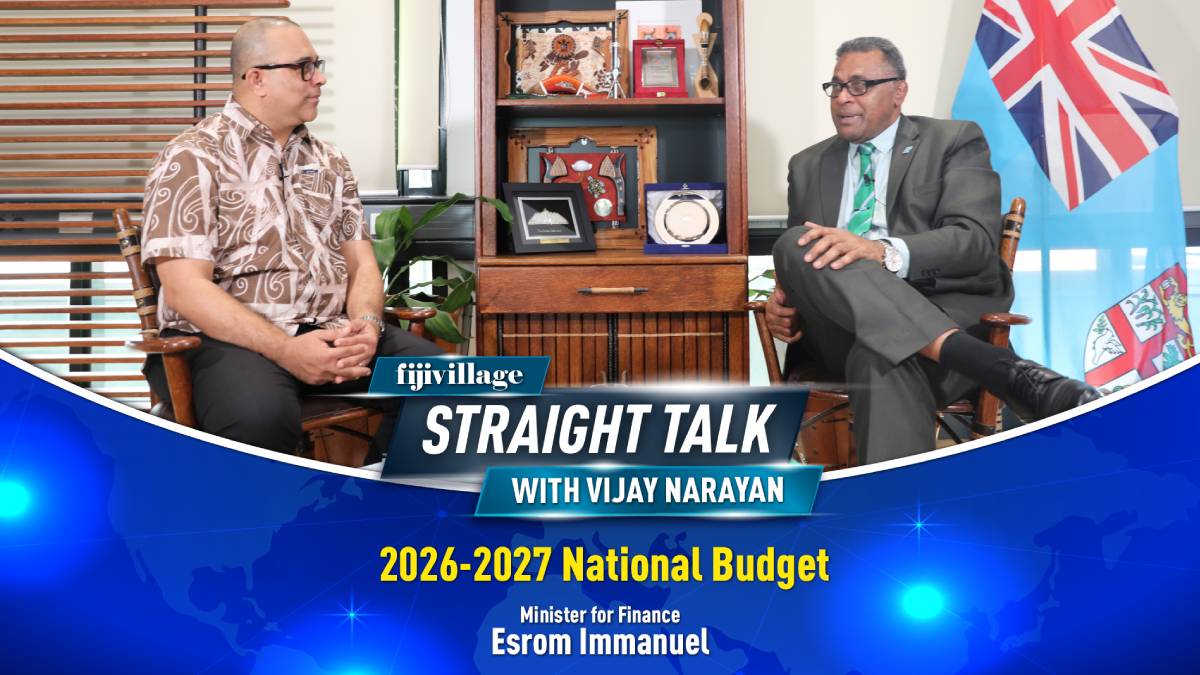
Minister for Finance, Esrom Immanuel on a special fijivillage Straight Talk With Vijay Narayan.
The show will focus on the 2026/2027 National Budget.
You can watch the show on our facebook page, YouTube channel, TikTok and X account, fijivillage.
You can also catch the podcast, fijivillage Straight Talk With Vijay Narayan on Spotify and Apple Podcasts.
Minister for Finance, Esrom Immanuel on a special fijivillage Straight Talk With Vijay Narayan.
The show will focus on the 2026/2027 National Budget.
You can watch the show on our facebook page, YouTube channel, TikTok and X account, fijivillage.
You can also catch the podcast, fijivillage Straight Talk With Vijay Narayan on Spotify and Apple Podcasts.
Reduced Police budget does not reflect lack of Govt commitment - PMBy Nilufa Buksh 30/06/2026
Prime Minister Sitiveni Rabuka says the reduced budget allocation for the Fiji Police Force does not mean there is a lack of Government commitment.
Responding to questions on whether the lower allocation for Police, particularly in relation to transnational crime, signals a lack of commitment from Government, Rabuka said it does not.
He says any gaps that may arise will be covered by Fiji's partners.
Rabuka says a lot of the gaps that are going to appear, will be covered by the country's partners.
His comments come after concerns were raised about the reduced allocation for the Fiji Police Force in the 2026-2027 National Budget and its potential impact on efforts to address transnational crime.
Meanwhile, $226.5 million has been allocated to the Fiji Police Force in the 2026/2027 National Budget, compared to $240.3 million allocated in the 2025/2026 National Budget.
Prime Minister Sitiveni Rabuka says the reduced budget allocation for the Fiji Police Force does not mean there is a lack of Government commitment.
Responding to questions on whether the lower allocation for Police, particularly in relation to transnational crime, signals a lack of commitment from Government, Rabuka said it does not.
He says any gaps that may arise will be covered by Fiji's partners.
Rabuka says a lot of the gaps that are going to appear, will be covered by the country's partners.
His comments come after concerns were raised about the reduced allocation for the Fiji Police Force in the 2026-2027 National Budget and its potential impact on efforts to address transnational crime.
Meanwhile, $226.5 million has been allocated to the Fiji Police Force in the 2026/2027 National Budget, compared to $240.3 million allocated in the 2025/2026 National Budget.
Lami residents question whether National Budget measures will ease cost of livingBy Temalesi Vono 30/06/2026 Taxi driver Gabriele Krishna and saleswoman Salaseini Poe
A taxi driver and a saleswoman from Lami have shared mixed views on the 2026/2027 National Budget, saying while some measures are welcomed, many people are still struggling with the high cost of living and want to see greater support for ordinary Fijians.
Taxi driver Gabriel Krishna, who has been in the industry for more than three decades, describes the Budget as "50-50", saying some initiatives were positive but questioned whether consumers would actually benefit from the removal of import duty on selected food items.
Krishna says although duties on some food products have been reduced to zero percent, he believes retailers may not pass the savings on to customers, instead citing freight costs and higher mark-ups to justify prices.
He says shoppers have seen prices fluctuate over the years, but many essential items remain expensive despite occasional reductions.
Krishna also expressed disappointment with the four-cent increase in taxi fares per 100 metres, saying it will do little to help drivers cope with rising operating costs.
Insert: Krishna - It's just 4 cents June 29
Krishna says taxi operators are also required to recalibrate their meters following the fare adjustment, a process that costs about $50.
Krishna believes the fare should have increased by at least 20 cents per 100 metres, while the flagfall charge should rise by $3 during the day and $4 at night.
He says he had hoped the Budget would include greater funding for the Fiji Roads Authority to improve roads, adding that traffic congestion has become a major challenge for taxi drivers.
According to Krishna, increasing vehicle numbers without corresponding investment in road infrastructure has resulted in significantly longer travel times, reducing the number of trips drivers can complete each day.
Insert: Krishna - Lots of traffic June 29
He says when he first started driving a taxi in 1980, trips between Lami and Suva took around 15 minutes, compared with 30 to 45 minutes today because of traffic congestion.
Krishna adds that despite higher fares today, taxi drivers are earning about the same as they did decades ago because there are fewer passengers and more time is spent in traffic.
Meanwhile, saleswoman and widow Salaseini Poe, who is raising three children, says she has not seen much difference from the Budget announcement.
Poe says wages have remained largely unchanged while the prices of many everyday items continue to fluctuate, depending on decisions made by individual shop owners.
Insert: Poe - Whatever we need, we have to buy June 29
She says regardless of price increases, families still have no choice but to purchase essential goods.
Speaking about education, Poe says she continues to support her children as best she can and is determined to keep moving forward despite the challenges of raising a family on her own.
She acknowledges that school levies remain in place at some schools and says their implementation depends on individual schools and government policy.
Poe says future budgets should place greater emphasis on addressing the needs of ordinary people.
She says the government should not only focus on itself but also ensure it looks after the people by providing the support they need.
A taxi driver and a saleswoman from Lami have shared mixed views on the 2026/2027 National Budget, saying while some measures are welcomed, many people are still struggling with the high cost of living and want to see greater support for ordinary Fijians.
Taxi driver Gabriel Krishna, who has been in the industry for more than three decades, describes the Budget as "50-50", saying some initiatives were positive but questioned whether consumers would actually benefit from the removal of import duty on selected food items.
Krishna says although duties on some food products have been reduced to zero percent, he believes retailers may not pass the savings on to customers, instead citing freight costs and higher mark-ups to justify prices.
He says shoppers have seen prices fluctuate over the years, but many essential items remain expensive despite occasional reductions.
Krishna also expressed disappointment with the four-cent increase in taxi fares per 100 metres, saying it will do little to help drivers cope with rising operating costs.
Insert: Krishna - It's just 4 cents June 29
Krishna says taxi operators are also required to recalibrate their meters following the fare adjustment, a process that costs about $50.
Krishna believes the fare should have increased by at least 20 cents per 100 metres, while the flagfall charge should rise by $3 during the day and $4 at night.
He says he had hoped the Budget would include greater funding for the Fiji Roads Authority to improve roads, adding that traffic congestion has become a major challenge for taxi drivers.
According to Krishna, increasing vehicle numbers without corresponding investment in road infrastructure has resulted in significantly longer travel times, reducing the number of trips drivers can complete each day.
Insert: Krishna - Lots of traffic June 29
He says when he first started driving a taxi in 1980, trips between Lami and Suva took around 15 minutes, compared with 30 to 45 minutes today because of traffic congestion.
Krishna adds that despite higher fares today, taxi drivers are earning about the same as they did decades ago because there are fewer passengers and more time is spent in traffic.
Meanwhile, saleswoman and widow Salaseini Poe, who is raising three children, says she has not seen much difference from the Budget announcement.
Poe says wages have remained largely unchanged while the prices of many everyday items continue to fluctuate, depending on decisions made by individual shop owners.
Insert: Poe - Whatever we need, we have to buy June 29
She says regardless of price increases, families still have no choice but to purchase essential goods.
Speaking about education, Poe says she continues to support her children as best she can and is determined to keep moving forward despite the challenges of raising a family on her own.
She acknowledges that school levies remain in place at some schools and says their implementation depends on individual schools and government policy.
Poe says future budgets should place greater emphasis on addressing the needs of ordinary people.
She says the government should not only focus on itself but also ensure it looks after the people by providing the support they need.
Tourism is once again being used as the easiest collection point - LockingtonFinance PS says Fiji Airways cannot absorb soaring fuel costs
By Priya Nand 01/07/2026
The Fiji Hotels and Tourism Association says tourism is once again being used as the easiest collection point, warning that the new 5 percent Tourism Services Tax announced in the 2026-2027 National Budget could become a technical, financial and commercial nightmare, while questioning how businesses will implement the tax from 1st September.
While speaking during the Dialogue Fiji National Budget Forum, FHTA CEO Fantasha Lockington stressed that while the industry fully agrees that Fiji Airways must be supported, tourism is once again being targeted to shoulder the burden.
Lockington says Fiji Airways is a national asset, not just a tourism asset, as the airline supports tourism, trade through imports and exports, education, medical travel, government travel, investment, global connectivity and branding.
She says the industry is struggling to understand how the tax will work in practice.
Lockington questioned whether it will apply only to international visitors and not locals, how businesses will differentiate between local and international guests through their online booking systems, whether hotels will have to ask customers for local ID when they buy coffee, meals or spa treatments, and how businesses will deal with contracted rates for holidays that were booked three to eighteen months ago.
She also questioned whether FRCS will require scanned passports or IDs to confirm exemptions and how hotels will separate taxable and non-taxable services when guests use multiple facilities.
She also questioned whether businesses can legally absorb the 5 percent tax.
INSERT: Lockington on tax 1st July
She also questioned whether this could become the Government's approach whenever one of its subsidiaries faces financial problems.
The FHTA CEO says tourism already contributes through VAT, corporate tax, employment, import duties, procurement, foreign exchange, community support, destination marketing, investment and branding.
She says national aviation resilience should be a national responsibility, not a targeted burden on the same industry already carrying fuel costs, labour shortages, compliance pressure and global price sensitivity.
She says tourism accepts the need for fiscal discipline, but the industry cannot keep being asked to carry more of the national burden while key reforms remain slow, partial, unfinished and incomplete.
She also warned that if the new tax fails to make a significant impact, it could increase costs for visitors, damage Fiji's reputation with wholesalers and travel agents, and ultimately hurt the wider economy.
Responding to those concerns, Permanent Secretary for Finance, Shiri Goundar says Government fully acknowledges tourism's critical role in Fiji's economy.
Goundar says the sector provides more than 25,000 jobs, supports almost 40 percent of the economy and brings close to $3 billion into the country each year.
However, he says the tourism industry also recognises that without Fiji Airways, Fiji would not have a tourism industry of its current size.
He says Fiji Airways had a fuel budget of about $500 million for 2025 before the recent fuel price increases.
However, with aviation fuel costs having doubled, the airline now faces an additional $500 million in fuel costs over the next 12 months.
He adds that the airline cannot absorb those costs without suffering major financial losses.
According to Goundar, if Government acted purely as the airline's shareholder, Fiji Airways would have two options, which is to either reduce flights by 15 percent or significantly increase airfares to recover the higher fuel costs.
INSERT: Goundar on options 1st July
Responding to calls for the wider economy to share the burden, Goundar says the new levy is effectively a return of the former Service Turnover Tax that applied to the sector for several years.
He says businesses can choose whether to pass the additional 5 percent on to customers or absorb it themselves.
He acknowledges that a turnover tax is not the best way to design a tax, but says the intention is to protect Fiji Airways and, in turn, protect tourism.
The Permanent Secretary says the Government is prepared to work with the tourism industry to resolve implementation issues, including how the tax will apply to customers who have already made bookings.
He says Government had already delayed the implementation date from 1st August to 1st September following discussions with the industry.
He says while there are operational details that still need to be worked through, Government believes the bigger issue is protecting the tourism industry during a period of unprecedented fuel costs.
However, representing the Nadi Chamber of Commerce, as well as being the Founder and Director of Masters Group of Companies, Dr Ahmed Shakeel Sharif questioned whether Fiji Airways had also taken sufficient steps to reduce its own costs.
Dr Sharif says the Tourism Services Tax has become a major topic of discussion in the West.
He says it would not be fair for one sector to shoulder the burden of supporting another without that organisation first helping itself.
In response, the Permanent Secretary highlighted that while the Tourism Services Tax has been introduced to support Fiji Airways, Government is also providing a $200 million guarantee for the airline's borrowings, funded by taxpayers, as well as relief through fees and charges paid by the national carrier.
He says Government has also been engaging directly with the Fiji Airways Board and management on additional cost-cutting measures as well as discussing Fiji Airways' investment in non-core assets.
The Fiji Hotels and Tourism Association says tourism is once again being used as the easiest collection point, warning that the new 5 percent Tourism Services Tax announced in the 2026-2027 National Budget could become a technical, financial and commercial nightmare, while questioning how businesses will implement the tax from 1st September.
While speaking during the Dialogue Fiji National Budget Forum, FHTA CEO Fantasha Lockington stressed that while the industry fully agrees that Fiji Airways must be supported, tourism is once again being targeted to shoulder the burden.
Lockington says Fiji Airways is a national asset, not just a tourism asset, as the airline supports tourism, trade through imports and exports, education, medical travel, government travel, investment, global connectivity and branding.
She says the industry is struggling to understand how the tax will work in practice.
Lockington questioned whether it will apply only to international visitors and not locals, how businesses will differentiate between local and international guests through their online booking systems, whether hotels will have to ask customers for local ID when they buy coffee, meals or spa treatments, and how businesses will deal with contracted rates for holidays that were booked three to eighteen months ago.
She also questioned whether FRCS will require scanned passports or IDs to confirm exemptions and how hotels will separate taxable and non-taxable services when guests use multiple facilities.
She also questioned whether businesses can legally absorb the 5 percent tax.
INSERT: Lockington on tax 1st July
She also questioned whether this could become the Government's approach whenever one of its subsidiaries faces financial problems.
The FHTA CEO says tourism already contributes through VAT, corporate tax, employment, import duties, procurement, foreign exchange, community support, destination marketing, investment and branding.
She says national aviation resilience should be a national responsibility, not a targeted burden on the same industry already carrying fuel costs, labour shortages, compliance pressure and global price sensitivity.
She says tourism accepts the need for fiscal discipline, but the industry cannot keep being asked to carry more of the national burden while key reforms remain slow, partial, unfinished and incomplete.
She also warned that if the new tax fails to make a significant impact, it could increase costs for visitors, damage Fiji's reputation with wholesalers and travel agents, and ultimately hurt the wider economy.
Responding to those concerns, Permanent Secretary for Finance, Shiri Goundar says Government fully acknowledges tourism's critical role in Fiji's economy.
Goundar says the sector provides more than 25,000 jobs, supports almost 40 percent of the economy and brings close to $3 billion into the country each year.
However, he says the tourism industry also recognises that without Fiji Airways, Fiji would not have a tourism industry of its current size.
He says Fiji Airways had a fuel budget of about $500 million for 2025 before the recent fuel price increases.
However, with aviation fuel costs having doubled, the airline now faces an additional $500 million in fuel costs over the next 12 months.
He adds that the airline cannot absorb those costs without suffering major financial losses.
According to Goundar, if Government acted purely as the airline's shareholder, Fiji Airways would have two options, which is to either reduce flights by 15 percent or significantly increase airfares to recover the higher fuel costs.
INSERT: Goundar on options 1st July
Responding to calls for the wider economy to share the burden, Goundar says the new levy is effectively a return of the former Service Turnover Tax that applied to the sector for several years.
He says businesses can choose whether to pass the additional 5 percent on to customers or absorb it themselves.
He acknowledges that a turnover tax is not the best way to design a tax, but says the intention is to protect Fiji Airways and, in turn, protect tourism.
The Permanent Secretary says the Government is prepared to work with the tourism industry to resolve implementation issues, including how the tax will apply to customers who have already made bookings.
He says Government had already delayed the implementation date from 1st August to 1st September following discussions with the industry.
He says while there are operational details that still need to be worked through, Government believes the bigger issue is protecting the tourism industry during a period of unprecedented fuel costs.
However, representing the Nadi Chamber of Commerce, as well as being the Founder and Director of Masters Group of Companies, Dr Ahmed Shakeel Sharif questioned whether Fiji Airways had also taken sufficient steps to reduce its own costs.
Dr Sharif says the Tourism Services Tax has become a major topic of discussion in the West.
He says it would not be fair for one sector to shoulder the burden of supporting another without that organisation first helping itself.
In response, the Permanent Secretary highlighted that while the Tourism Services Tax has been introduced to support Fiji Airways, Government is also providing a $200 million guarantee for the airline's borrowings, funded by taxpayers, as well as relief through fees and charges paid by the national carrier.
He says Government has also been engaging directly with the Fiji Airways Board and management on additional cost-cutting measures as well as discussing Fiji Airways' investment in non-core assets.
Immanuel defends Budget, says responsibility is about choices, not deficit figuresBy Priya Nand 02/07/2026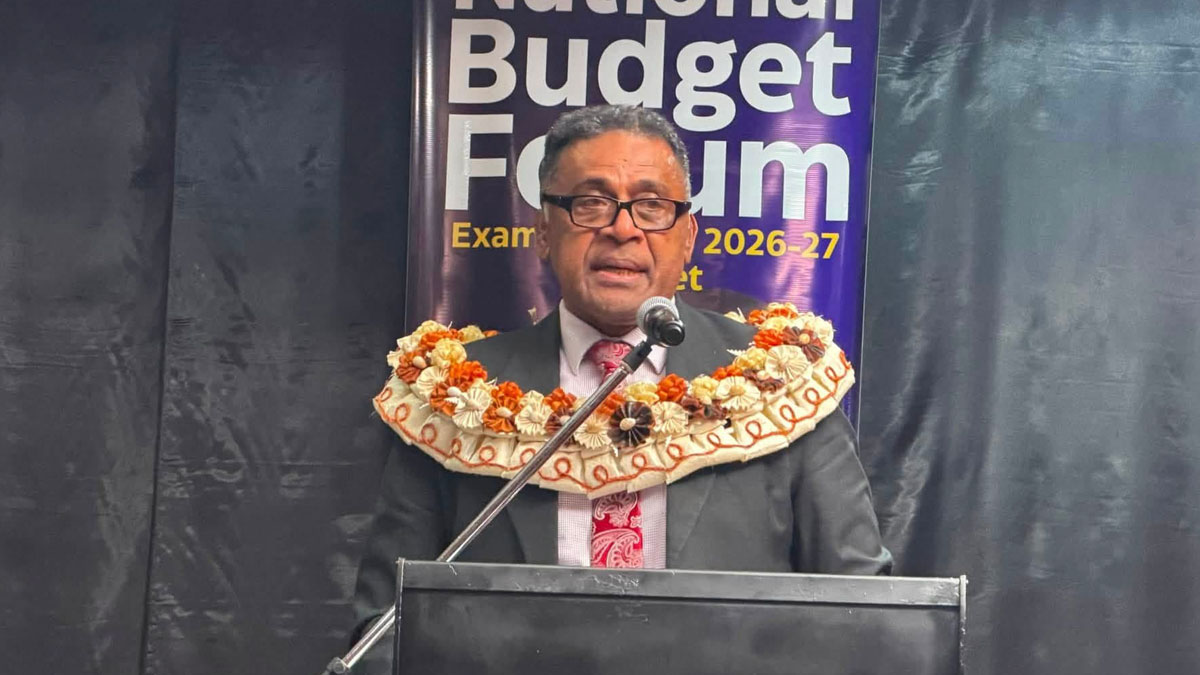 Minister for Finance Esrom Immanuel
Minister for Finance Esrom Immanuel says the 2026-2027 National Budget is a responsible Budget despite projecting a fiscal deficit of about $1 billion, or 7 percent of GDP, saying responsibility is defined by the choices Government makes during extraordinary circumstances rather than by deficit figures alone.
While speaking at the National Budget Forum organised by Dialogue Fiji, Immanuel acknowledged criticism from some commentators and politicians.
He says responsibility is not determined simply by numbers but by the decisions Government makes when faced with significant challenges.
He says total expenditure has largely been maintained at around the current year's level despite additional commitments.
The Finance Minister says if anyone believes Government should have produced a much smaller deficit, they should also tell the people of Fiji exactly what they would have cut, or what Government should cut in the middle of the crisis.
He asked whether Government should reduce civil service salaries affecting more than 42,000 public servants, cut social welfare allowances, remove the guaranteed $85 per tonne sugarcane price, abolish the $200 Back-to-School Assistance, reduce tertiary scholarships, remove free education, free medicine, free water or subsidised electricity for vulnerable households.
Immanuel also questioned whether critics were suggesting Government should increase VAT, impose VAT on the 22 zero-rated basic food items, raise income tax, corporate tax or increase duties on imported raw materials.
INSERT: Immanuel on responsible budget 2nd July
He says this is why Government believes the Budget is responsible.
The Finance Minister says transparency is a key feature of the Budget, and Government has openly acknowledged that almost 80 percent of expenditure is operational spending, amounting to nearly $4 billion annually.
He says Government requires about $9 million every working day simply to keep public services operating and acknowledges that this is not sustainable over the long term.
He says Government's long-term objective is to gradually shift expenditure towards productive capital investment while slowing the growth of recurrent spending.
Immanuel also responded to claims that Government lacks a long-term economic transformation strategy.
He highlighted four major infrastructure programmes covering health, roads, water and wastewater and flood alleviation worth more than $2 billion over the next four to five years, saying financing of about $1.5 billion has already been secured through development partners.
He says state-owned entities are also progressing major investments in renewable energy, port redevelopment and airport expansion, adding that together, these projects represent an investment of well over $5 billion in Fiji's future.
He adds that these are investments that will improve productivity, strengthen resilience, reduce business costs, create employment and lift long-term economic growth.
On the rising cost of living, the Finance Minister emphasised that Government acted proactively by immediately announcing it would absorb increases in bus fares and electricity tariffs for households earning below $30,000 annually and eligible small businesses after higher global fuel prices led to increased costs.
He also revealed that Government considered recommendations from the International Monetary Fund, including increasing VAT to 15 percent, but decided against raising VAT, income tax or corporate tax and also chose not to impose VAT on the 22 zero-rated basic food items.
He also defended the temporary Tourism Tax, saying it was introduced primarily to support Fiji Airways as the national airline faces significantly higher fuel costs.
He adds that reducing flights would hurt visitor arrivals and negatively affect hotels, restaurants, tour operators, transport providers and thousands of workers.
On public sector wages, Immanuel reminded that civil servants had received salary increases of between 10 and 23 percent over the last two Budgets after years of wage stagnation.
He says while countries such as New Zealand are reducing public sector jobs, Fiji has chosen not to cut salaries despite ongoing fiscal pressures.
He also announced that Cabinet has established a high-level Investment Facilitation Taskforce to fast-track major investment projects by improving coordination across Government agencies and resolving unnecessary bottlenecks.
Immanuel says the Budget has been prepared using a conservative, worst-case scenario, and if the global fuel crisis eases, tourism performs better and Government revenue recovers more strongly than expected, Fiji's fiscal outcome could improve significantly.
He acknowledged that no Budget is perfect and every Budget involves difficult trade-offs.
He says they welcome constructive debate, informed criticism and new ideas.
He says discussions should also recognise the realities facing Government and the difficult choices required to balance fiscal sustainability with protecting the people.
Minister for Finance Esrom Immanuel says the 2026-2027 National Budget is a responsible Budget despite projecting a fiscal deficit of about $1 billion, or 7 percent of GDP, saying responsibility is defined by the choices Government makes during extraordinary circumstances rather than by deficit figures alone.
While speaking at the National Budget Forum organised by Dialogue Fiji, Immanuel acknowledged criticism from some commentators and politicians.
He says responsibility is not determined simply by numbers but by the decisions Government makes when faced with significant challenges.
He says total expenditure has largely been maintained at around the current year's level despite additional commitments.
The Finance Minister says if anyone believes Government should have produced a much smaller deficit, they should also tell the people of Fiji exactly what they would have cut, or what Government should cut in the middle of the crisis.
He asked whether Government should reduce civil service salaries affecting more than 42,000 public servants, cut social welfare allowances, remove the guaranteed $85 per tonne sugarcane price, abolish the $200 Back-to-School Assistance, reduce tertiary scholarships, remove free education, free medicine, free water or subsidised electricity for vulnerable households.
Immanuel also questioned whether critics were suggesting Government should increase VAT, impose VAT on the 22 zero-rated basic food items, raise income tax, corporate tax or increase duties on imported raw materials.
INSERT: Immanuel on responsible budget 2nd July
He says this is why Government believes the Budget is responsible.
The Finance Minister says transparency is a key feature of the Budget, and Government has openly acknowledged that almost 80 percent of expenditure is operational spending, amounting to nearly $4 billion annually.
He says Government requires about $9 million every working day simply to keep public services operating and acknowledges that this is not sustainable over the long term.
He says Government's long-term objective is to gradually shift expenditure towards productive capital investment while slowing the growth of recurrent spending.
Immanuel also responded to claims that Government lacks a long-term economic transformation strategy.
He highlighted four major infrastructure programmes covering health, roads, water and wastewater and flood alleviation worth more than $2 billion over the next four to five years, saying financing of about $1.5 billion has already been secured through development partners.
He says state-owned entities are also progressing major investments in renewable energy, port redevelopment and airport expansion, adding that together, these projects represent an investment of well over $5 billion in Fiji's future.
He adds that these are investments that will improve productivity, strengthen resilience, reduce business costs, create employment and lift long-term economic growth.
On the rising cost of living, the Finance Minister emphasised that Government acted proactively by immediately announcing it would absorb increases in bus fares and electricity tariffs for households earning below $30,000 annually and eligible small businesses after higher global fuel prices led to increased costs.
He also revealed that Government considered recommendations from the International Monetary Fund, including increasing VAT to 15 percent, but decided against raising VAT, income tax or corporate tax and also chose not to impose VAT on the 22 zero-rated basic food items.
He also defended the temporary Tourism Tax, saying it was introduced primarily to support Fiji Airways as the national airline faces significantly higher fuel costs.
He adds that reducing flights would hurt visitor arrivals and negatively affect hotels, restaurants, tour operators, transport providers and thousands of workers.
On public sector wages, Immanuel reminded that civil servants had received salary increases of between 10 and 23 percent over the last two Budgets after years of wage stagnation.
He says while countries such as New Zealand are reducing public sector jobs, Fiji has chosen not to cut salaries despite ongoing fiscal pressures.
He also announced that Cabinet has established a high-level Investment Facilitation Taskforce to fast-track major investment projects by improving coordination across Government agencies and resolving unnecessary bottlenecks.
Immanuel says the Budget has been prepared using a conservative, worst-case scenario, and if the global fuel crisis eases, tourism performs better and Government revenue recovers more strongly than expected, Fiji's fiscal outcome could improve significantly.
He acknowledged that no Budget is perfect and every Budget involves difficult trade-offs.
He says they welcome constructive debate, informed criticism and new ideas.
He says discussions should also recognise the realities facing Government and the difficult choices required to balance fiscal sustainability with protecting the people.
Dr Hasmukh Lal welcomes Budget reforms to strengthen workforce trainingBy Rashika Kumar 03/07/2026 Oceania Education and Technology Solutions Founder, Group CEO and Managing Director Dr. Hasmukh Lal has welcomed the major progressive decision to revert 60 percent of the one percent training levy to its actual purpose.
He says an irrational legislative amendment made in the 2018-2019 Budget left only 10 percent of the one percent levy for national workforce productivity training, which he believes is one of the possible causes of the current skills crisis.
Another bold decision by the Government, which he has applauded, is the introduction of a 200 percent tax deduction for eligible training and upskilling expenditures by employers.
To incentivise private sector investment in training institutions, a 150 percent investment allowance will also be provided.
Dr. Lal says these measures will assist the private sector in improving the quality and relevance of training and graduates, which has become a perennial problem in the country.
He says these three decisions clearly demonstrate that training and development are strategic priorities for industries in the next financial year.
Dr. Lal thanked the Government for listening to the private sector and aligning its decisions with the National Skills Gap Survey Report, saying this is a sign of a healthy democracy.
Prior to 2010, the Training & Productivity Authority of Fiji (TPAF) managed the training levy funds before its functions were merged with the Fiji National University (FNU).
Dr. Lal says it was an ill-conceived national decision to also merge the collection and distribution of the one percent training levy, along with the regulatory administration of the National Apprenticeship Scheme, under FNU.
He says these functions should have remained independently managed to avoid conflicts of interest, monopolistic practices and ensure fairness for all training providers.
Dr. Lal says merging TPAF's training functions into FNU was appropriate if it was based on rationalising and harmonising courses and costs for a national TVET institution.
He also commended the Government, particularly the Minister for Finance, Commerce & Business Development and his team, for analysing the challenges faced by industry over the past nine years and making a progressive decision to restore greater support for employee skills development.
Dr. Lal has called on the Government to consider an interim arrangement during the 2026-2027 Budget debate, where approval of grant-claimable courses is handled by an independent body comprising the Higher Education Commission of Fiji (HECF), Fiji Commerce & Employers Federation (FCEF) and the Ministry of Civil Service or Public Service Commission.
He says this would ensure fairness and proper oversight of grant-claimable course accreditation for all training providers.
According to Dr. Lal, FNU, as the national training provider, should not approve grant-claimable courses for itself or for other providers.
He says the current arrangement is unfair to other providers and should be replaced with independent oversight.
Dr. Lal is also urging the Government to review and repeal Section 35A of the FNU Act relating to the university's regulatory responsibilities.
He thanked FNU for managing the regulatory function since 2010 but says those powers should never have been assigned to the institution.
Dr. Lal says training levy collections totalled around $30 million in 2024.
Based on the proposed distribution, he estimates $15 million would go to the private sector and other employees, $3 million to the Public Service Commission and $12 million to ACCF, after administration costs.
With the skills shortage continuing, Dr. Lal is calling for the establishment of a National Steering Committee on Skills Development to support private sector companies.
He says the committee should be led by the Minister for Finance, Commerce & Business Development and include relevant ministries, the Fiji Commerce & Employers Federation, Fiji Hotel & Tourism Association, Fiji Human Resources Institute, Higher Education Commission of Fiji, Tertiary Scholarships and Loans Service, Fiji National Provident Fund and training institutions.
Dr. Lal says the committee could review and improve policies and processes that are creating bottlenecks in Fiji's human capital development.
He says research shows investment in training and development can improve organisational productivity and innovation by between 20 and 30 percent, benefiting both Government and the private sector.
Dr. Lal also urged employers to engage only training providers recognised by the Higher Education Commission of Fiji or, in the case of international providers, recognised by their respective national training regulators.
He says this will ensure the credibility of qualifications awarded to employees and support pathways into further education.
As a former Chief Executive Officer of the Tertiary Scholarships and Loans Service (TSLS), Dr. Lal also welcomed the additional $7 million allocated for scholarships and student loan schemes.
Dr. Lal is the Founder and Group CEO of Oceania Education & Technology Solution, which owns the Oceania Institute of Technology (OIT). The institute operates a modern corporate training campus at Challenge Plaza in Namaka and is scheduled to open its Suva campus at Challenge Laqere in July 2026.
OIT is fully recognised and registered with the Higher Education Commission of Fiji.
Dr. Lal was also the founding Chief Executive Officer of Pacific Technical and Further Education (Pacific TAFE).
It should not take a crisis for Govt to remember the private sector - MaharajBy Priya Nand 03/07/2026 Omcore Technologies CEO and Founder Arvind Maharaj (Photo: Dialogue Fiji)
It should not take a crisis or a challenging economic environment for the Government to remember the private sector and the importance of the private sector.
That was the message from Omcore Technologies CEO and Founder Arvind Maharaj while speaking during a panel discussion at the National Budget Forum organised by Dialogue Fiji.
Maharaj says when the going is good, the private sector is squeezed from all angles, but when the going is tough, only then does the focus shift to support for the private sector.
He says, on balance, he would describe the Budget as responsible, stable and targeted.
He says it is not a giveaway Budget, which is important, and Government is clearly working within very limited fiscal space.
He says growth for 2026 has been revised down to 1.5 percent, the deficit is around 7 percent of GDP and debt is projected at around 85 percent of GDP.
Maharaj explains that, from a private sector perspective, the first positive is that the Budget recognises reality.
He says Fiji cannot tax, borrow or spend its way into sustainable growth, which has to come from productivity, investment and private sector activity.
He says the second positive is tax stability and that, for businesses, especially MSMEs, predictability and certainty matter the most.
Maharaj says the decision not to increase corporate tax is important because businesses are already facing higher fuel, freight, electricity, wage, rent and compliance costs.
He also highlighted the impact of wage increases.
INSERT: Maharaj on wage increase 3rd July
Maharaj says the temporary reduction in the employer FNPF contribution from 10 percent to 8 percent is also meaningful; for larger firms it is balance sheet relief, while for smaller firms it improves cash flow which may help retain staff, pay suppliers, manage overdrafts or reinvest in small upgrades.
He says the fuel duty concessions for key sectors, support around electricity surcharges, bus fare support and duty reductions on selected construction and consumer items all matter.
He adds that they may not remove the cost problem, but they show that Government understands that business costs are now one of the biggest threats to recovery.
Maharaj says the increase in the Training Grant Scheme allocation, the 150 percent investment allowance for businesses setting up training centres and the support for Peer-to-Peer lending and equity crowdfunding are also useful signals.
He says Fiji has a skills problem, a productivity problem and a capital access problem, and these measures point in the right direction.
He says for MSMEs, access to finance is often the difference between surviving and expanding.
He explains that many small businesses do not fail because the idea is bad; they fail because working capital is too tight, approvals are slow, compliance is heavy and formal lending is difficult.
He says any move that broadens funding channels is most welcome.
Maharaj says the broader direction towards infrastructure and private sector-led growth is also positive.
He says roads, water, energy, ports, airports and faster investment approvals are not abstract issues; they directly affect business productivity.
However, he stresses that the Budget itself does not create growth.
He says businesses create growth when they invest, employ, train, formalise, innovate and take risks.
He says the Government's role is to create an environment where the risk becomes worth taking.
Maharaj says that while he supports the broad direction of the Budget towards stability, private sector confidence, skills, finance and infrastructure, the real economic test will not be the Budget speech.
He says it will be whether MSMEs, the engine of economic growth and the golden goose for Government, feel the difference in cash flow, approvals, utilities, compliance and confidence over the next six to 12 months.
It should not take a crisis or a challenging economic environment for the Government to remember the private sector and the importance of the private sector.
That was the message from Omcore Technologies CEO and Founder Arvind Maharaj while speaking during a panel discussion at the National Budget Forum organised by Dialogue Fiji.
Maharaj says when the going is good, the private sector is squeezed from all angles, but when the going is tough, only then does the focus shift to support for the private sector.
He says, on balance, he would describe the Budget as responsible, stable and targeted.
He says it is not a giveaway Budget, which is important, and Government is clearly working within very limited fiscal space.
He says growth for 2026 has been revised down to 1.5 percent, the deficit is around 7 percent of GDP and debt is projected at around 85 percent of GDP.
Maharaj explains that, from a private sector perspective, the first positive is that the Budget recognises reality.
He says Fiji cannot tax, borrow or spend its way into sustainable growth, which has to come from productivity, investment and private sector activity.
He says the second positive is tax stability and that, for businesses, especially MSMEs, predictability and certainty matter the most.
Maharaj says the decision not to increase corporate tax is important because businesses are already facing higher fuel, freight, electricity, wage, rent and compliance costs.
He also highlighted the impact of wage increases.
INSERT: Maharaj on wage increase 3rd July
Maharaj says the temporary reduction in the employer FNPF contribution from 10 percent to 8 percent is also meaningful; for larger firms it is balance sheet relief, while for smaller firms it improves cash flow which may help retain staff, pay suppliers, manage overdrafts or reinvest in small upgrades.
He says the fuel duty concessions for key sectors, support around electricity surcharges, bus fare support and duty reductions on selected construction and consumer items all matter.
He adds that they may not remove the cost problem, but they show that Government understands that business costs are now one of the biggest threats to recovery.
Maharaj says the increase in the Training Grant Scheme allocation, the 150 percent investment allowance for businesses setting up training centres and the support for Peer-to-Peer lending and equity crowdfunding are also useful signals.
He says Fiji has a skills problem, a productivity problem and a capital access problem, and these measures point in the right direction.
He says for MSMEs, access to finance is often the difference between surviving and expanding.
He explains that many small businesses do not fail because the idea is bad; they fail because working capital is too tight, approvals are slow, compliance is heavy and formal lending is difficult.
He says any move that broadens funding channels is most welcome.
Maharaj says the broader direction towards infrastructure and private sector-led growth is also positive.
He says roads, water, energy, ports, airports and faster investment approvals are not abstract issues; they directly affect business productivity.
However, he stresses that the Budget itself does not create growth.
He says businesses create growth when they invest, employ, train, formalise, innovate and take risks.
He says the Government's role is to create an environment where the risk becomes worth taking.
Maharaj says that while he supports the broad direction of the Budget towards stability, private sector confidence, skills, finance and infrastructure, the real economic test will not be the Budget speech.
He says it will be whether MSMEs, the engine of economic growth and the golden goose for Government, feel the difference in cash flow, approvals, utilities, compliance and confidence over the next six to 12 months.
Fiji's economy is too important to be politicised - Dialogue Fiji Executive DirectorBy Priya Nand 05/07/2026 Dialogue Fiji Executive Director Nilesh Lal
Fiji's economy is simply too important to be politicised, and the objective should never be to defend economic policy but to get economic policy right, according to Dialogue Fiji Executive Director Nilesh Lal.
While speaking at the organisation's National Budget Forum, Lal emphasised that the budget does not belong to Government alone; it belongs to every Fijian.
He says the Finance Minister was refreshingly candid in his budget address, where he openly acknowledged the seriousness of Fiji's fiscal position and spoke honestly about the growth in public debt, the expansion of operating expenditure, the rising cost of the public service and the difficult choices now confronting the country.
He says he believes the turning point in Fiji's public discourse on the economy came during Dialogue Fiji's recent State of the Economy Dialogue, which brought together various technocrats, experts and commentators to examine the economy.
INSERT: Lal on economy 2nd July
Lal says the economy is simply too important for a developing country with limited resources like Fiji to be politicised and that unlike larger economies, we do not have the luxury of absorbing repeated policy mistakes and we cannot afford even one major economic policy error.
While commenting on the 2026-2027 National Budget, he highlighted that it represents an improvement in the Government's understanding of Fiji's fiscal challenges, saying the Minister correctly identifies that Fiji's principal problem is not simply revenue; it is the relentless growth in operating expenditure.
He says the Minister correctly argues that greater emphasis must be placed on productive infrastructure, and that long-term growth must be driven by the private sector rather than by ever-expanding government expenditure.
He says there is only so much that can be achieved through reducing travel, workshops, conferences and administrative expenses.
Lal says the Minister himself identified the real challenge, that Government now employs approximately 42,000 people, costing around $2.3 billion every year in wages and the support services required to sustain the public sector, equating to approximately $9 million every single day simply to keep the machinery of Government operating.
He says the public service has grown by roughly 4,500 employees over the past three years and questioned whether that expansion has translated into better productivity.
He adds that the reality is that unless the size and efficiency of the public sector are addressed, it will remain immensely difficult to contain operating expenditure in any meaningful way.
The Executive Director explains that the challenge before us is not simply reducing expenditure; it is improving productivity and ensuring that every dollar spent by Government delivers measurable value to the people of Fiji.
He also says the fiscal outlook remains challenging with the Budget projecting another year of substantial borrowing, and although Government aims to reduce the fiscal deficit over the medium term, debt will continue to rise in the short term.
He notes that economic growth has also been revised down to 1.5 percent this year and unless Fiji is able to achieve sustained higher rates of economic growth while simultaneously containing recurrent expenditure, reducing the debt burden will remain an uphill task.
Despite the challenges, Lal says there are positive elements in the Budget.
He welcomed the significant investments in health infrastructure, particularly the cancer treatment facility and primary healthcare upgrades, continued investment in education and funding for water, roads, bridges, renewable energy and port infrastructure.
INSERT: Lal on implementation 2nd July
He says these investments have the potential to lift Fiji's productive capacity.
Fiji's economy is simply too important to be politicised, and the objective should never be to defend economic policy but to get economic policy right, according to Dialogue Fiji Executive Director Nilesh Lal.
While speaking at the organisation's National Budget Forum, Lal emphasised that the budget does not belong to Government alone; it belongs to every Fijian.
He says the Finance Minister was refreshingly candid in his budget address, where he openly acknowledged the seriousness of Fiji's fiscal position and spoke honestly about the growth in public debt, the expansion of operating expenditure, the rising cost of the public service and the difficult choices now confronting the country.
He says he believes the turning point in Fiji's public discourse on the economy came during Dialogue Fiji's recent State of the Economy Dialogue, which brought together various technocrats, experts and commentators to examine the economy.
INSERT: Lal on economy 2nd July
Lal says the economy is simply too important for a developing country with limited resources like Fiji to be politicised and that unlike larger economies, we do not have the luxury of absorbing repeated policy mistakes and we cannot afford even one major economic policy error.
While commenting on the 2026-2027 National Budget, he highlighted that it represents an improvement in the Government's understanding of Fiji's fiscal challenges, saying the Minister correctly identifies that Fiji's principal problem is not simply revenue; it is the relentless growth in operating expenditure.
He says the Minister correctly argues that greater emphasis must be placed on productive infrastructure, and that long-term growth must be driven by the private sector rather than by ever-expanding government expenditure.
He says there is only so much that can be achieved through reducing travel, workshops, conferences and administrative expenses.
Lal says the Minister himself identified the real challenge, that Government now employs approximately 42,000 people, costing around $2.3 billion every year in wages and the support services required to sustain the public sector, equating to approximately $9 million every single day simply to keep the machinery of Government operating.
He says the public service has grown by roughly 4,500 employees over the past three years and questioned whether that expansion has translated into better productivity.
He adds that the reality is that unless the size and efficiency of the public sector are addressed, it will remain immensely difficult to contain operating expenditure in any meaningful way.
The Executive Director explains that the challenge before us is not simply reducing expenditure; it is improving productivity and ensuring that every dollar spent by Government delivers measurable value to the people of Fiji.
He also says the fiscal outlook remains challenging with the Budget projecting another year of substantial borrowing, and although Government aims to reduce the fiscal deficit over the medium term, debt will continue to rise in the short term.
He notes that economic growth has also been revised down to 1.5 percent this year and unless Fiji is able to achieve sustained higher rates of economic growth while simultaneously containing recurrent expenditure, reducing the debt burden will remain an uphill task.
Despite the challenges, Lal says there are positive elements in the Budget.
He welcomed the significant investments in health infrastructure, particularly the cancer treatment facility and primary healthcare upgrades, continued investment in education and funding for water, roads, bridges, renewable energy and port infrastructure.
INSERT: Lal on implementation 2nd July
He says these investments have the potential to lift Fiji's productive capacity.
We must learn to live within our means - RabukaBy Rashika Kumar 13/07/2026 Prime Minister Sitiveni Rabuka says the 2026-2027 National Budget is for discipline, as we must learn to live within our means and the government recognises that the road ahead will not be easy.
While contributing to the budget debate, Rabuka says the budget is also about compassion because families should not face global shocks alone, adding the is for growth because jobs and investment are the foundation of lasting prosperity.
He says it sees the world as it is, protects people where needed and reforms where Government must do better, adding they always try to improve on what they receive.
Rabuka stresses that it is for fairness because the tax system must protect those with less and ask more of those with greater capacities.
INSERT: Rabuka on budget 13 Jul
He says Opposition Leader Inia Seruiratu highlighted the growth in Fiji's debt but failed to mention its relationship to GDP, adding that the country's development on the ground reflects how the borrowed funds have been used.
Rabuka explains that the budget provides targeted support to assist households through measures such as fuel duty concessions, electricity subsidies, transport assistance, zero-rate VAT on essential items, free water concessions for eligible households, and targeted duty reductions.
He says relief is necessary, but relief alone is not a development strategy and Fiji must grow and invest.
The Prime Minister highlights that Fiji must produce and create jobs where investment Fiji is facilitating 254 active projects worth $8.6 billion and of those, 107 are under construction and expected to become operational within three years, with a further 95 percent in advanced pre-development.
He says a Task Force on Investment Approval Process comprising ministries and agencies and headed by the Office of the Prime Minister is facilitating projects to help them start.
Rabuka confirms significant investments are currently underway with consultations and preliminary feasibility studies being carried out to determine their economic viability, structural design and long-term benefits.
He says these projects include major port developments, maritime infrastructure, aimed at supporting Fiji's regional maritime hub status.
Rabuka says these mega-investment projects will significantly improve trade efficiency, enhance logistics capability, and support the growth of the blue economy.
He says it is envisioned that these projects will create thousands of employment opportunities, attract billions in foreign investment and greatly boost our investment-to-GDP ratio.
He says these are necessary investments to inject liquidity into critical sectors across our economy.
Rabuka further says national development must ensure every community participates meaningfully in economic growth, including greater iTaukei participation and socio-economic development.
He says as custodians of the country's largest land and cultural assets, iTaukei communities must be empowered to turn ownership into sustainable economic opportunities, employment and prosperity for future generations.
The Prime Minister says the Government has directed its legislation subcommittee to fast-track laws incorporating the United Nations Declaration on the Rights of Indigenous Peoples and ILO Convention 169.
He says the budget also introduces tax incentives for companies with at least 30 percent iTaukei shareholding investing in ecotourism, culture and arts businesses, including a seven-year tax holiday for investments between $5 million and $10 million, and a 13-year tax holiday for investments above that amount.
Rabuka says this is more than a tax measure, describing it as a commitment to ensuring indigenous participation is built into national development rather than treated as an afterthought.
He says when iTaukei communities become economically stronger, Fiji becomes stronger, adding that empowering landowners to become entrepreneurs will strengthen tourism and boost confidence in the economy.
Rabuka also highlights that public safety remains a priority, with the budget supporting duty reductions on surveillance cameras for the Suva to Nausori CCTV corridor and providing additional funding for specialised police drug operations.
He says tackling the drug crisis will require stronger law enforcement, international cooperation, rehabilitation and closer partnerships with families, churches, schools, traditional leaders and communities.
Rabuka adds Fiji has faced difficult times before and its people have always shown resilience, but the country must continue to plan, reform, invest and act with discipline to build a stronger future.
Rabuka stresses that it is for fairness because the tax system must protect those with less and ask more of those with greater capacities.
INSERT: Rabuka on budget 13 Jul
He says Opposition Leader Inia Seruiratu highlighted the growth in Fiji's debt but failed to mention its relationship to GDP, adding that the country's development on the ground reflects how the borrowed funds have been used.
Seruiratu calls for end to school levies and return of TELSBy Navitalai Naivalurua 13/07/2026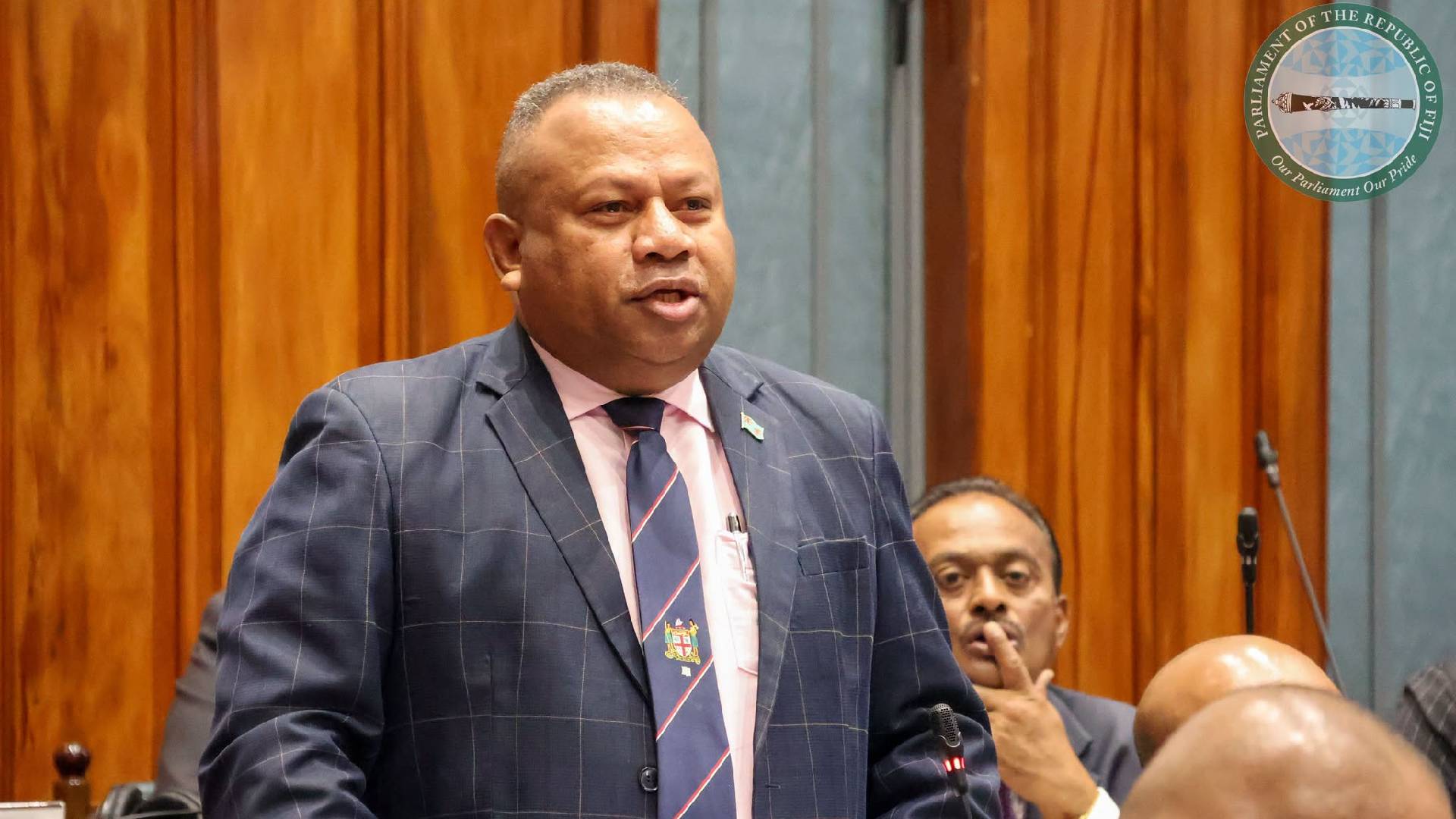 [Image: Parliament of Fiji]Leader of Opposition Inia Seruiratu is calling on the government to remove provisions that allow schools to collect funds from students, saying they place an unnecessary burden on school children and their families.
While opposing the 2026/2027 National Budget in Parliament, Seruiratu says the practice should be abolished because it places an unsustainable financial strain on low-income families.
He says one of the positives in the Budget is the government's continued investment in education.
He says funding for free education, student transport assistance, scholarships and school infrastructure reflects a commitment to ensuring all children have access to learning opportunities.
Seruiratu says education remains the foundation of long-term growth and prosperity for any nation.
The Opposition Leader also called for the reintroduction of the Tertiary Education Loan Scheme (TELS), saying it would provide a financial lifeline for students who do not qualify for scholarships and cannot afford to pay university fees.
He says this would help create a level playing field for students to pursue their preferred fields of study.
Seruiratu also says the government should formally integrate civic education into the early stages of the school curriculum to foster responsible citizenship from a young age.
He says this could also help address issues such as drug abuse and crime involving young people.
On the skills shortage, Seruiratu says private sector companies are facing productivity challenges that are affecting growth, expansion and diversification, ultimately limiting economic growth.
He says labour migration has become one of the defining features of Fiji's economy.
Seruiratu says they have seen an increasing number of Fijians taking up employment opportunities in Australia and New Zealand through seasonal worker programmes, bilateral labour agreements and direct recruitment into sectors such as agriculture, meat processing, health, education, construction and hospitality.
He says remittances are projected to reach $1.5 billion by next year, providing valuable foreign exchange, strengthening household incomes and helping to support the economy during periods of uncertainty.
On the rising cost of living, Seruiratu says it remains one of the most important issues facing the country.
He says while economic indicators point to growth and recovery, the real measure of success is whether ordinary people can afford the basic necessities of life.
Seruiratu says while the Budget includes programmes aimed at supporting households, they do not address the underlying causes of the rising cost of living.
He says the most sustainable solution is to build a stronger and more productive economy.
The Opposition Leader also says no discussion about Fiji's future can ignore the growing challenges posed by drugs and crime.
He says the National Budget must address the social impacts of drug abuse and crime because they have direct consequences for economic growth, community safety and national well-being.
Seruiratu says the economic cost of drugs and crime is substantial, and the increasing prevalence of illicit drugs and drug-related offences is a matter of national concern.
He says these issues not only destroy lives but also place increasing pressure on the healthcare system, law enforcement agencies and social services.
Seruiratu says achieving the Budget's vision will require addressing drugs and crime with determination and compassion.
He says combining strong civic education, effective law enforcement and rehabilitation programmes will help protect communities and secure a better future for Fiji's children.
On national debt, Seruiratu says public debt is projected to reach $12.6 billion by mid-2027.
He says this figure includes budget deficits but does not account for contingent liabilities, which currently stand at $1.1 billion.
Seruiratu says nearly four years on, the coalition government's promise to reduce debt remains unfulfilled.
He says instead, the government projects total debt will reach $12.58 billion by the end of the 2026/2027 financial year.
The Opposition Leader says it took about 15 years, up to the 2021/2022 financial year, for public debt to increase by around $3.48 billion.
By comparison, he says the current government is projected to accumulate almost the same amount of additional debt in just four years.
Opposition MP Kumar questions how Budget can be called responsible as debt risesBy Temalesi Vono 13/07/2026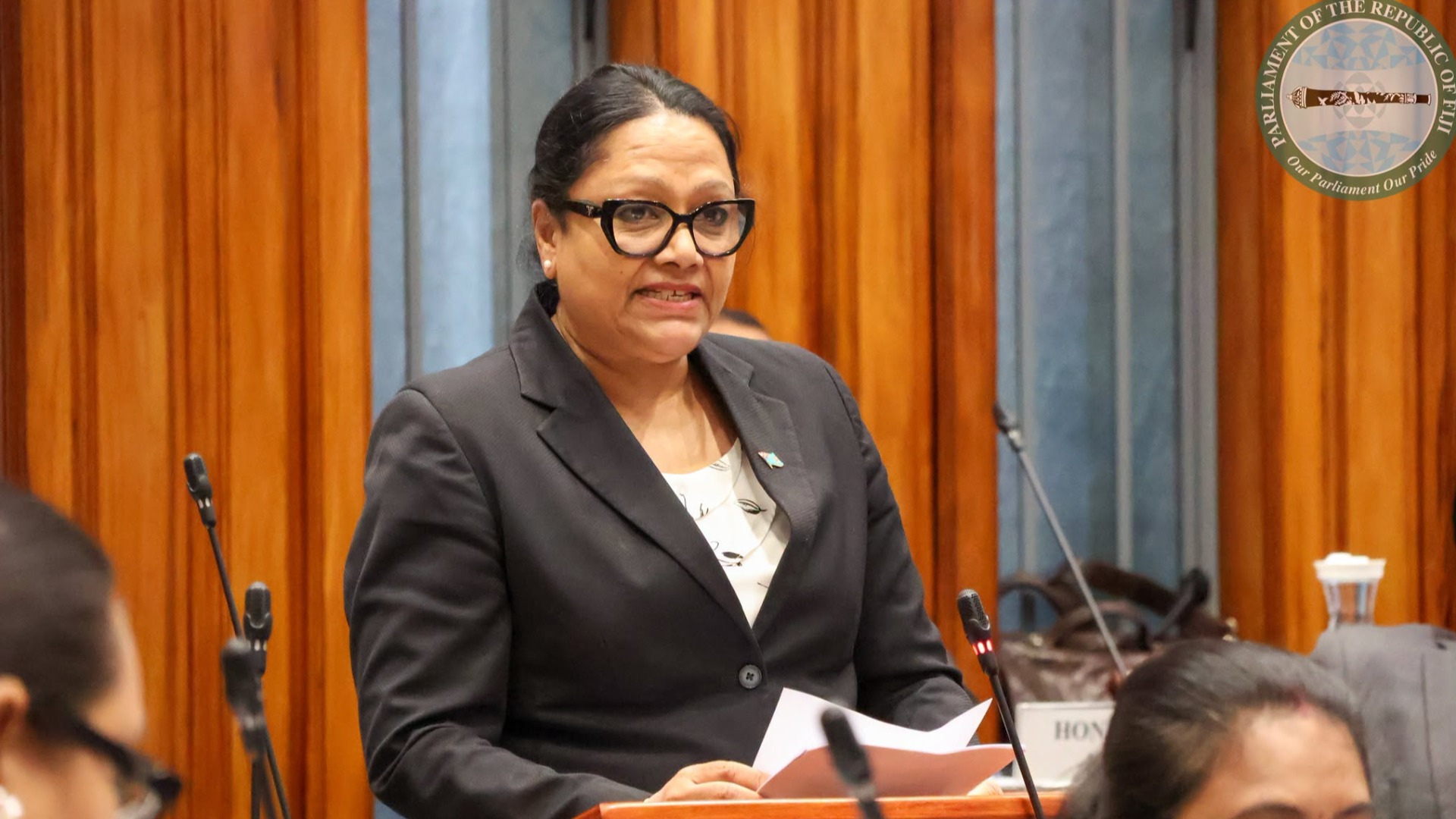 Picture: Fiji Parliament
Opposition Member of Parliament Premila Kumar has criticised the 2026-2027 National Budget, claiming the Government’s fiscal strategy has resulted in rising debt, higher interest costs and slower economic growth.
Speaking during the 2026/2027 National Budget debate in Parliament, Kumar says the Budget cannot be considered “responsible” based on its financial figures, despite being labelled a “responsible budget for a sustainable future” by the Minister for Finance Esrom Immanuel.
Insert: Kumar - this budget is irresponsible July 13
She questioned the Government’s decision to increase borrowing while allocating a larger share of expenditure towards operational costs rather than capital investment.
Kumar says the projected budget deficit of 7 percent of GDP for the 2026-2027 financial year raised concerns, noting that the figure had previously been projected at 4 percent before being revised to 5 percent.
Kumar also raised concerns about public debt, saying the Government was projected to add around $3.4 billion to Fiji’s national debt by the end of its term.
She says debt servicing costs had increased significantly, reaching $1.481 billion compared with $743.5 million in the 2022-2023 financial year.
She criticised the allocation of government expenditure, saying 82 percent was directed towards salaries, wages, utilities and the day-to-day running of government, while only 18 percent was allocated for capital investment.
Kumar says this limited the Government’s ability to deliver essential infrastructure such as schools, roads, electricity and bridges.
She also questioned the Government’s economic growth projections, saying growth had slowed despite repeated claims of an $8.9 billion investment pipeline.
Kumar says the Government must explain why promised investments had not translated into stronger economic performance after more than three years in office.
She further criticised the expansion of the public service, saying the civil service had grown by 50 percent under the Coalition Government, creating additional pressure on the wage bill.
Kumar also raised concerns over Government policies including the write-off of student debt and the expansion of tertiary scholarships, questioning whether such initiatives were financially sustainable amid increasing public debt.
She acknowledged the work of the Reserve Bank of Fiji and Fiji Revenue and Customs Service in maintaining monetary policy and collecting revenue but said the responsibility for the country’s fiscal position rested with political leadership.
She also challenged the Government’s position on Fiji’s debt-to-GDP ratio, saying a lower ratio did not necessarily mean debt had been reduced.
Kumar says the ratio could decline when economic growth outpaced debt growth, but that did not mean the Government had repaid its borrowings.
Opposition Member of Parliament Premila Kumar has criticised the 2026-2027 National Budget, claiming the Government’s fiscal strategy has resulted in rising debt, higher interest costs and slower economic growth.
Speaking during the 2026/2027 National Budget debate in Parliament, Kumar says the Budget cannot be considered “responsible” based on its financial figures, despite being labelled a “responsible budget for a sustainable future” by the Minister for Finance Esrom Immanuel.
Insert: Kumar - this budget is irresponsible July 13
She questioned the Government’s decision to increase borrowing while allocating a larger share of expenditure towards operational costs rather than capital investment.
Kumar says the projected budget deficit of 7 percent of GDP for the 2026-2027 financial year raised concerns, noting that the figure had previously been projected at 4 percent before being revised to 5 percent.
Kumar also raised concerns about public debt, saying the Government was projected to add around $3.4 billion to Fiji’s national debt by the end of its term.
She says debt servicing costs had increased significantly, reaching $1.481 billion compared with $743.5 million in the 2022-2023 financial year.
She criticised the allocation of government expenditure, saying 82 percent was directed towards salaries, wages, utilities and the day-to-day running of government, while only 18 percent was allocated for capital investment.
Kumar says this limited the Government’s ability to deliver essential infrastructure such as schools, roads, electricity and bridges.
She also questioned the Government’s economic growth projections, saying growth had slowed despite repeated claims of an $8.9 billion investment pipeline.
Kumar says the Government must explain why promised investments had not translated into stronger economic performance after more than three years in office.
She further criticised the expansion of the public service, saying the civil service had grown by 50 percent under the Coalition Government, creating additional pressure on the wage bill.
Kumar also raised concerns over Government policies including the write-off of student debt and the expansion of tertiary scholarships, questioning whether such initiatives were financially sustainable amid increasing public debt.
She acknowledged the work of the Reserve Bank of Fiji and Fiji Revenue and Customs Service in maintaining monetary policy and collecting revenue but said the responsibility for the country’s fiscal position rested with political leadership.
She also challenged the Government’s position on Fiji’s debt-to-GDP ratio, saying a lower ratio did not necessarily mean debt had been reduced.
Kumar says the ratio could decline when economic growth outpaced debt growth, but that did not mean the Government had repaid its borrowings.
This is not an election budget - KamikamicaBy Navitalai Naivalurua 13/07/2026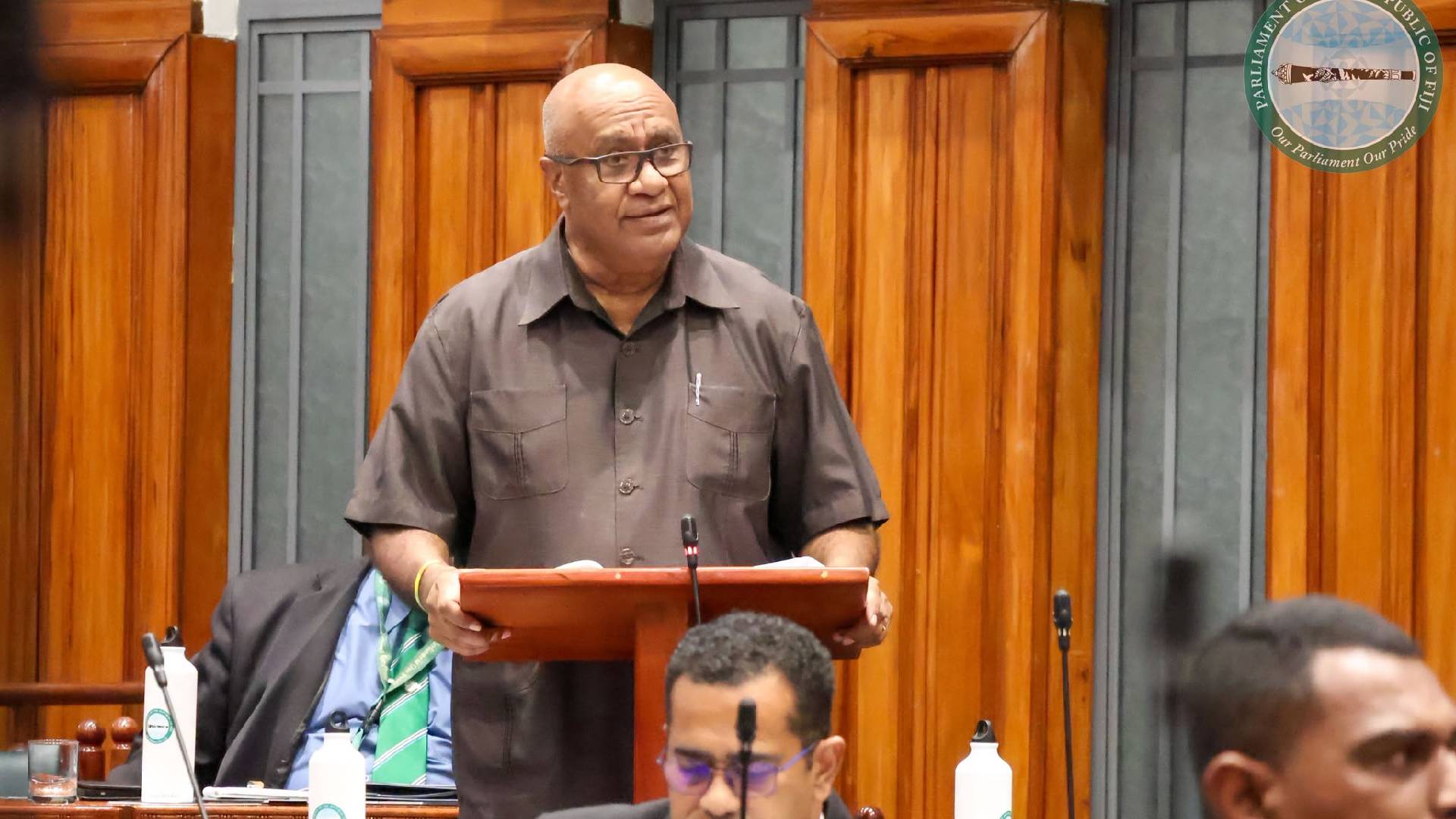 [Image: Parliament of Fiji]Former Deputy Prime Minister and Member of Parliament Manoa Kamikamica says this is not an election budget but one that addresses the nation's key challenges, provides relief to cushion the impact of the global economic climate, and shifts focus to the private sector to drive growth and investment in productive infrastructure.
While supporting the 2026/2027 National Budget in Parliament, Kamikamica says much has been said about Fiji's debt, noting that according to the latest International Monetary Fund (IMF) Article IV Consultation Report, released in May 2026, Fiji's public debt remains sustainable, although debt vulnerabilities are assessed as moderate.
He says Fiji's challenge is that economic growth is still not strong enough, and the country must work together to expand the economy.
Kamikamica's message to the people is that there is no need to panic.
Insert: Manoa no need to panic – 13 July 2026
Kamikamica says when the coalition government came into office, it inherited a system that was "akin to the Nabukalou Creek", arguing that the democracy that existed since 2014 was a mirage.
He says the Public Accounts Committee hopes to complete its review and parliamentary debate of all government audit reports up to 2024 by the end of this year, bringing scrutiny of government accounts up to date.
Kamikamica also voiced support for the 5 percent tourism levy, saying it will help support Fiji Airways and ensure the national airline remains financially strong.
He reminded the tourism industry that it previously paid the Environmental and Climate Adaptation Levy (ECAL) and service turnover tax, which together amounted to about 15 percent, with little public opposition.
The former Deputy Prime Minister says the levy is only being imposed for one year, which he believes is reasonable.
He adds that while difficult decisions will need to be made over the next four years, he is confident the coalition government is up to the task.
$4B worth of illicit drugs circulating in Fiji over 3 years - NaivaluruaBy Temalesi Vono 14/07/2026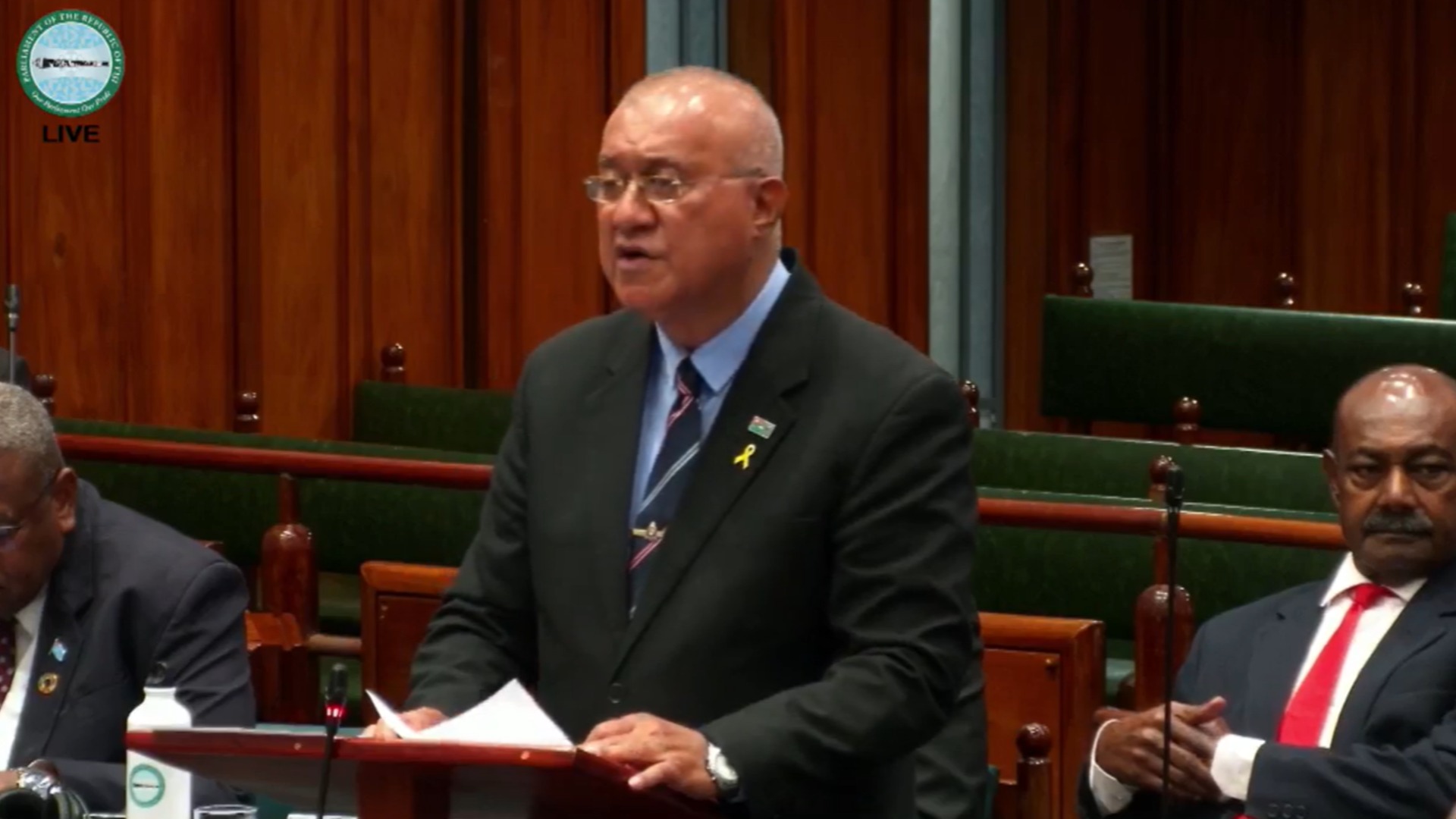 Screengrab from Fiji Parliament live video session
With more than $4 billion worth of illicit drugs circulating in Fiji over the past three years, Minister for Policing and Communications Ioane Naivalurua has highlighted his support for the allocation of $1.6 million, saying that this will help strengthen the country's counter-narcotics capability in the 2026-2027 National Budget.
While speaking during the Budget debate in parliament this morning, Naivalurua says the investment will support the continued establishment of the Counter-Narcotics Bureau, the recruitment of specialised personnel and the development of the Counter-Narcotics Bill to provide the bureau with a strong legal foundation.
Naivalurua says the Government remains committed to combating illicit drugs and transnational organised crime, noting that more than 2,400 drug-related cases were recorded last year alone.
He says joint operations coordinated through the National Joint Enforcement Centre, with support from the Republic of Fiji Military Forces, have already produced positive results, with illicit drug cases dropping by 30 percent and overall crime falling by 18 percent during the first quarter of the 2025-2026 financial year.
The Minister stresses that enforcement alone will not solve the country's drug problem, saying the budget also supports prevention, rehabilitation and greater coordination across Government to make Fiji a safer place to live, work and invest.
Naivalurua also highlighted the Government's commitment to digital transformation, announcing a $17 million allocation for the Digital Transformation Office and Communications portfolio.
He says the funding will modernise Government services, strengthen national connectivity and support the country's transition to a digital economy.
He says Government has identified 788 critical services across ministries, with 385 expected to be digitised by 2030 through initiatives including a whole-of-government chatbot, the Unified Service Portal and the Government Data Exchange Platform.
He says consultations on the National ID Card Bill have been completed and the legislation will soon be tabled in Parliament, while work is also progressing on a National Artificial Intelligence Framework and National Cloud Policy to promote the responsible use of emerging technologies.
The Minister says efforts to improve digital access will continue, with 50 satellite broadband community Wi-Fi sites already operational and more than 300 additional communities expected to be connected under the next phase of the programme.
He further says continued rollout of 5G services and new telecentres in Taveuni, Lau and Ra will further strengthen connectivity nationwide.
Naivalurua also welcomed the $226.5 million allocation for the Fiji Police Force, saying although it is lower than last year's allocation, it will not affect the force's commitment to maintaining public safety and security.
Insert: Naivalurua - It does not diminish FPF commitment July 14
He says the professionalism and integrity of police officers, rather than the size of the budget, defines the strength of the institution.
Addressing recent reports of police misconduct, Naivalurua says a professional police force is one that confronts problems honestly, investigates them fairly and takes action when standards are not met.
He says increased accountability should strengthen public confidence in the Fiji Police Force because it demonstrates that integrity matters and that no one is above the law.
With more than $4 billion worth of illicit drugs circulating in Fiji over the past three years, Minister for Policing and Communications Ioane Naivalurua has highlighted his support for the allocation of $1.6 million, saying that this will help strengthen the country's counter-narcotics capability in the 2026-2027 National Budget.
While speaking during the Budget debate in parliament this morning, Naivalurua says the investment will support the continued establishment of the Counter-Narcotics Bureau, the recruitment of specialised personnel and the development of the Counter-Narcotics Bill to provide the bureau with a strong legal foundation.
Naivalurua says the Government remains committed to combating illicit drugs and transnational organised crime, noting that more than 2,400 drug-related cases were recorded last year alone.
He says joint operations coordinated through the National Joint Enforcement Centre, with support from the Republic of Fiji Military Forces, have already produced positive results, with illicit drug cases dropping by 30 percent and overall crime falling by 18 percent during the first quarter of the 2025-2026 financial year.
The Minister stresses that enforcement alone will not solve the country's drug problem, saying the budget also supports prevention, rehabilitation and greater coordination across Government to make Fiji a safer place to live, work and invest.
Naivalurua also highlighted the Government's commitment to digital transformation, announcing a $17 million allocation for the Digital Transformation Office and Communications portfolio.
He says the funding will modernise Government services, strengthen national connectivity and support the country's transition to a digital economy.
He says Government has identified 788 critical services across ministries, with 385 expected to be digitised by 2030 through initiatives including a whole-of-government chatbot, the Unified Service Portal and the Government Data Exchange Platform.
He says consultations on the National ID Card Bill have been completed and the legislation will soon be tabled in Parliament, while work is also progressing on a National Artificial Intelligence Framework and National Cloud Policy to promote the responsible use of emerging technologies.
The Minister says efforts to improve digital access will continue, with 50 satellite broadband community Wi-Fi sites already operational and more than 300 additional communities expected to be connected under the next phase of the programme.
He further says continued rollout of 5G services and new telecentres in Taveuni, Lau and Ra will further strengthen connectivity nationwide.
Naivalurua also welcomed the $226.5 million allocation for the Fiji Police Force, saying although it is lower than last year's allocation, it will not affect the force's commitment to maintaining public safety and security.
Insert: Naivalurua - It does not diminish FPF commitment July 14
He says the professionalism and integrity of police officers, rather than the size of the budget, defines the strength of the institution.
Addressing recent reports of police misconduct, Naivalurua says a professional police force is one that confronts problems honestly, investigates them fairly and takes action when standards are not met.
He says increased accountability should strengthen public confidence in the Fiji Police Force because it demonstrates that integrity matters and that no one is above the law.
Years of accumulated neglect have affected Fiji's diplomatic properties overseas - DitokaBy Priya Nand 14/07/2026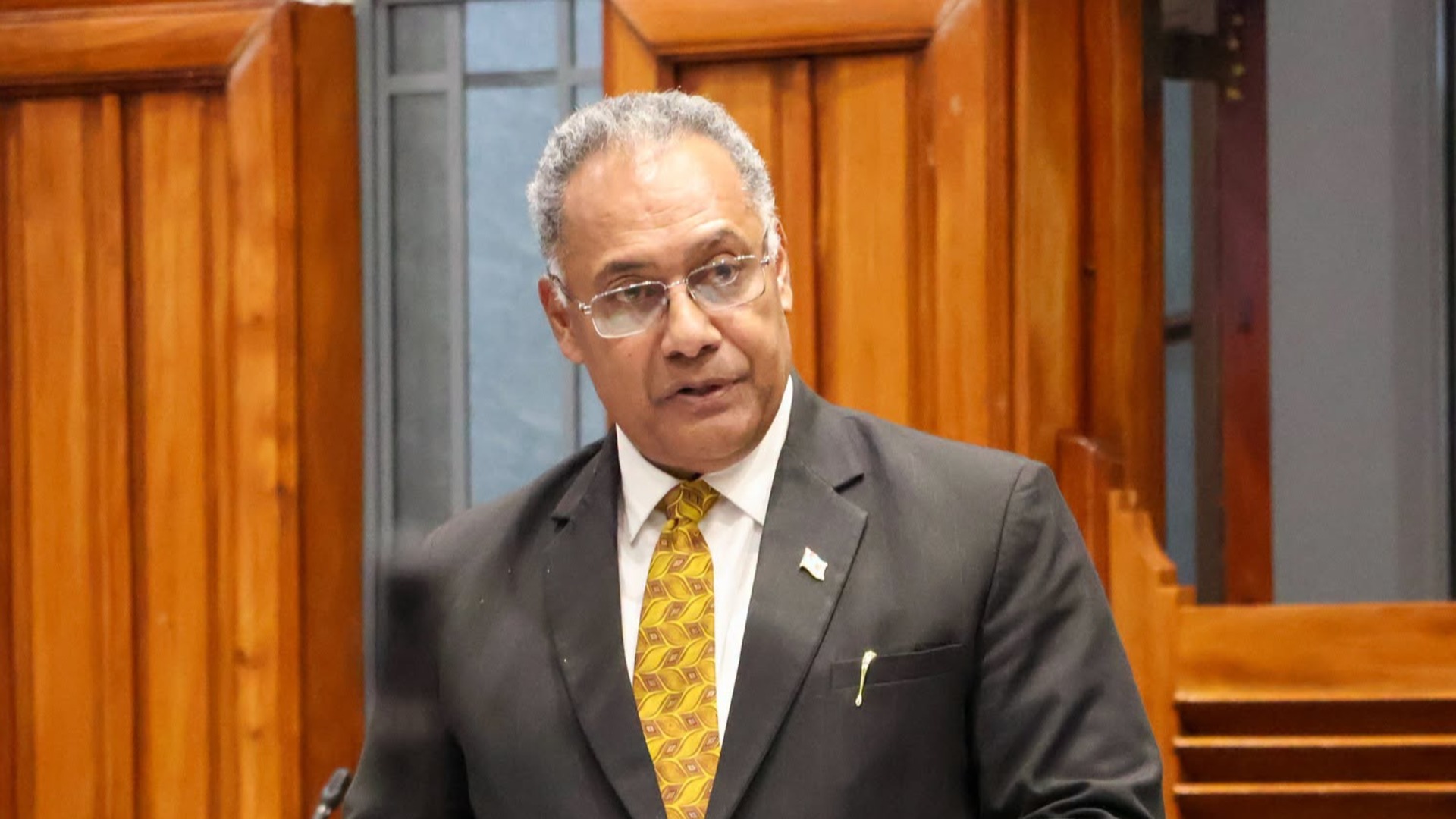 Minister for Foreign Affairs and External Trade, Sakiasi Ditoka (Photo: Parliament of the Republic of Fiji)
Minister for Foreign Affairs and External Trade Sakiasi Ditoka says years of neglect have affected Fiji's diplomatic properties overseas, and restoring them now comes at a greater cost.
While supporting the 2026-2027 National Budget, Ditoka says when the government assumed office, it inherited not only economic challenges but also years of accumulated neglect across many areas of government.
He says this neglect was visible not only in Fiji's hospitals, health centres, government quarters and public infrastructure, but also in Fiji's diplomatic properties abroad.
INSERT: Ditoka on neglect 13th July
The Minister says the government has now begun restoring Fiji's chanceries and official residences overseas, describing them as strategic national assets that Fiji has a responsibility to preserve.
He says the Opposition often speaks about the size of the national debt but seldom acknowledges why some of today's expenditure has become necessary.
He says had these assets been properly maintained during their years in office, taxpayers would not now be carrying the much greater cost of restoring them.
On the 2026-2027 National Budget, Ditoka says the $56.6 million allocation for the Ministry of Foreign Affairs and External Trade is a strategic investment in Fiji's sovereignty, economic resilience and global voice.
He says this is not an easy budget; the economic ground is undulating and opportunities are unequal.
However, he says the budget aspires to ensure that this government continues to invest in our people, strengthen essential public services, and lay the foundations for long-term economic resilience.
Ditoka says Fiji's foreign policy must deliver practical benefits for its people.
He says every market we open, all the investors we try to attract, every development partnership we secure and every Fijian we assist overseas, strengthens our sovereignty, our security and our prosperity.
He says Fiji cannot afford to be a passive observer in an increasingly uncertain world.
Ditoka says the budget will also support the reopening of Fiji's diplomatic mission in Brussels and the mission in Jerusalem with a budget allocation of $6.3 million.
He says that when global decisions are made about global agendas such as trade, security, and climate, Fiji is not merely waiting for the aftermath, but we are actively at the table protecting our national interests.
He says Fiji's overseas missions are the face of the country, and every visa facilitated, development partnership secured and citizen assisted contributes directly to national development.
He says the Budget includes initiatives to modernise Fiji’s overseas infrastructure, ensuring diplomats have the resources needed to carry out their work effectively.
Ditoka is calling on diplomats to bring back the return on investment that Fiji expects of them for the benefit of its people.
He says that while the Ministry will operate within tighter expenditure limits, its core responsibility of protecting Fiji’s national interests abroad will not be compromised.
Minister for Foreign Affairs and External Trade Sakiasi Ditoka says years of neglect have affected Fiji's diplomatic properties overseas, and restoring them now comes at a greater cost.
While supporting the 2026-2027 National Budget, Ditoka says when the government assumed office, it inherited not only economic challenges but also years of accumulated neglect across many areas of government.
He says this neglect was visible not only in Fiji's hospitals, health centres, government quarters and public infrastructure, but also in Fiji's diplomatic properties abroad.
INSERT: Ditoka on neglect 13th July
The Minister says the government has now begun restoring Fiji's chanceries and official residences overseas, describing them as strategic national assets that Fiji has a responsibility to preserve.
He says the Opposition often speaks about the size of the national debt but seldom acknowledges why some of today's expenditure has become necessary.
He says had these assets been properly maintained during their years in office, taxpayers would not now be carrying the much greater cost of restoring them.
On the 2026-2027 National Budget, Ditoka says the $56.6 million allocation for the Ministry of Foreign Affairs and External Trade is a strategic investment in Fiji's sovereignty, economic resilience and global voice.
He says this is not an easy budget; the economic ground is undulating and opportunities are unequal.
However, he says the budget aspires to ensure that this government continues to invest in our people, strengthen essential public services, and lay the foundations for long-term economic resilience.
Ditoka says Fiji's foreign policy must deliver practical benefits for its people.
He says every market we open, all the investors we try to attract, every development partnership we secure and every Fijian we assist overseas, strengthens our sovereignty, our security and our prosperity.
He says Fiji cannot afford to be a passive observer in an increasingly uncertain world.
Ditoka says the budget will also support the reopening of Fiji's diplomatic mission in Brussels and the mission in Jerusalem with a budget allocation of $6.3 million.
He says that when global decisions are made about global agendas such as trade, security, and climate, Fiji is not merely waiting for the aftermath, but we are actively at the table protecting our national interests.
He says Fiji's overseas missions are the face of the country, and every visa facilitated, development partnership secured and citizen assisted contributes directly to national development.
He says the Budget includes initiatives to modernise Fiji’s overseas infrastructure, ensuring diplomats have the resources needed to carry out their work effectively.
Ditoka is calling on diplomats to bring back the return on investment that Fiji expects of them for the benefit of its people.
He says that while the Ministry will operate within tighter expenditure limits, its core responsibility of protecting Fiji’s national interests abroad will not be compromised.
Keep harvesting despite low cane price - Viam PillayBy Antornette Vuniuca 14/07/2026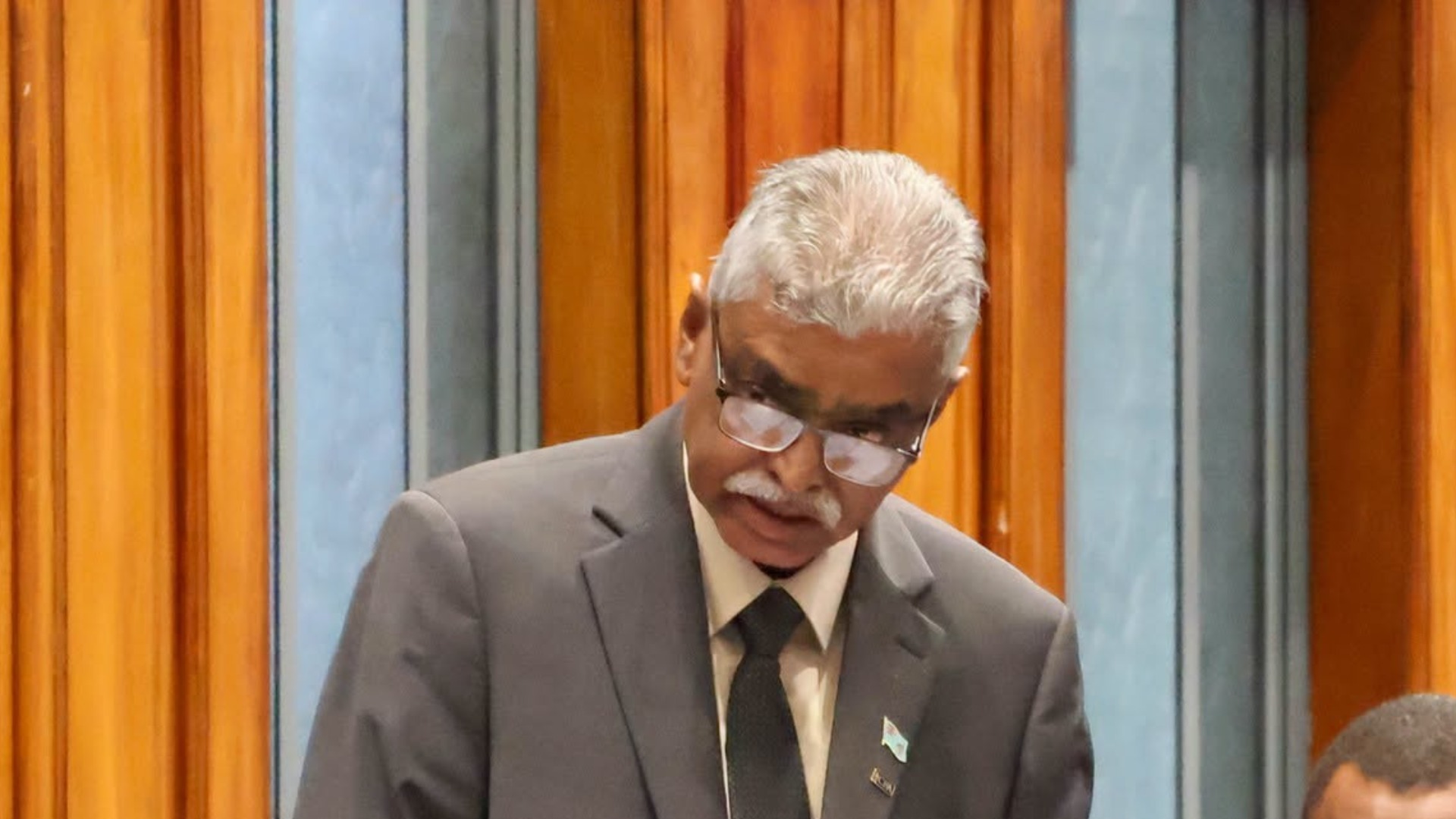 Opposition MP Viam Pillay says the Government's guaranteed cane price of $85 per tonne is no longer enough to cover the cost of growing and harvesting sugar cane, leaving many farmers operating at a loss, however, he is urging cane growers to continue harvesting this season as boycott would only hurt farmers and their families.
While opposing the 2026/2027 National Budget in Parliament, Pillay says although the Government's fuel subsidy is welcomed, it does not fully cover farmers' costs, particularly for those in remote areas.
He says after paying for harvesting, farm inputs, land preparation and lease costs, farmers are left with very little before they even pay to transport their cane to the mills.
Pillay says once transport costs are added, many farmers are left with little or no profit.
Insert:Pillay on sugarcane famers
He says this season has been made even more difficult by lower cane production, caused by factors such as bad weather and poor infrastructure.
He is calling on the Government to review the guaranteed cane price and provide greater support for farmers.
Pillay also called for a special audit of the Fiji Sugar Corporation, claiming there is a need for greater accountability and lower operating costs.
While opposing the 2026/2027 National Budget in Parliament, Pillay says although the Government's fuel subsidy is welcomed, it does not fully cover farmers' costs, particularly for those in remote areas.
He says after paying for harvesting, farm inputs, land preparation and lease costs, farmers are left with very little before they even pay to transport their cane to the mills.
Pillay says once transport costs are added, many farmers are left with little or no profit.
Insert:Pillay on sugarcane famers
He says this season has been made even more difficult by lower cane production, caused by factors such as bad weather and poor infrastructure.
He is calling on the Government to review the guaranteed cane price and provide greater support for farmers.
Pillay also called for a special audit of the Fiji Sugar Corporation, claiming there is a need for greater accountability and lower operating costs.
It is an irresponsible budget from an oversized cabinet in an overspending Government - Opposition MP SharmaBy Temalesi Vono 14/07/2026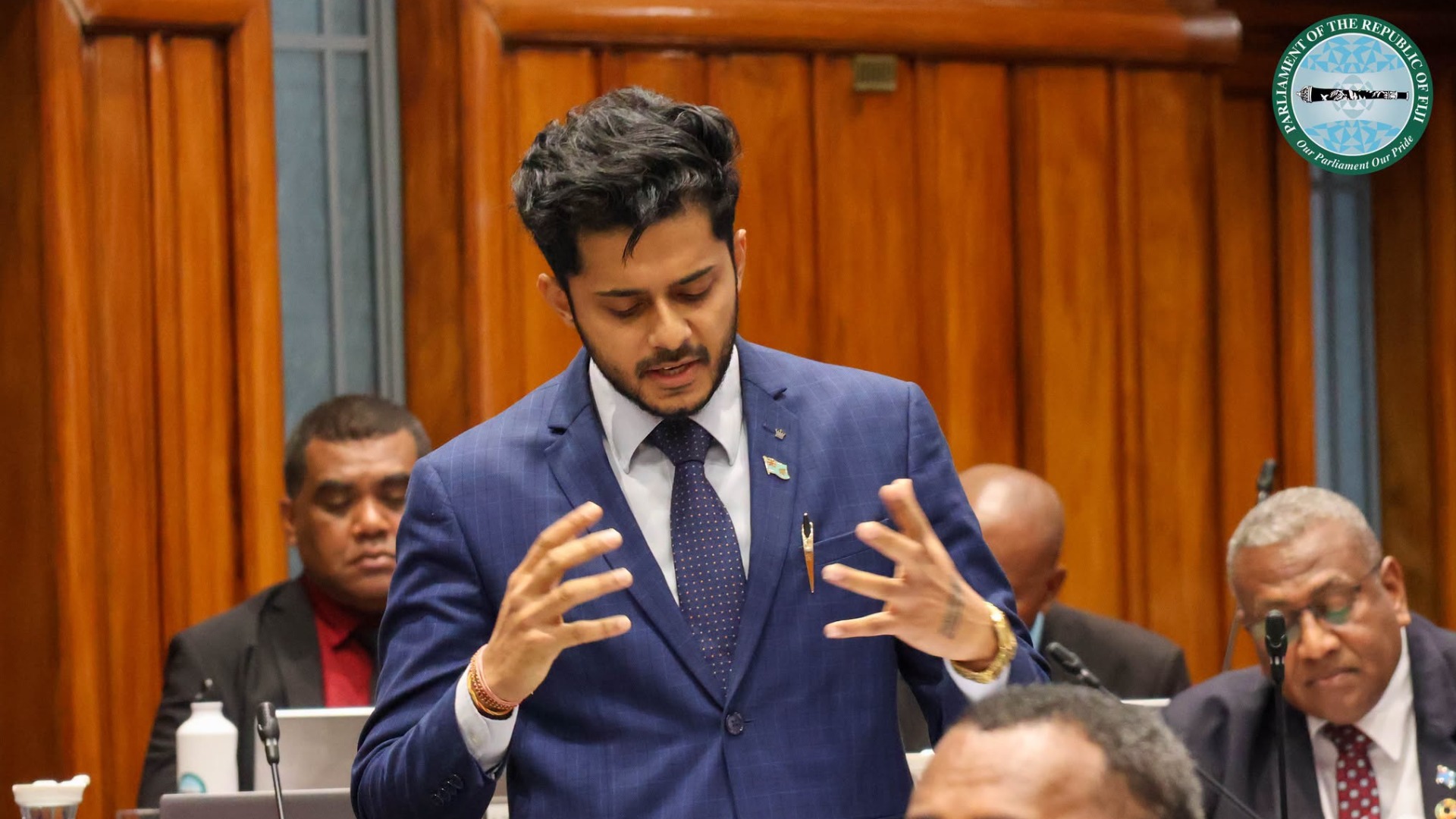 Picture: Fiji Parliament
The 2026-2027 National Budget is an irresponsible budget from an oversized Cabinet in an overspending Government.
This has been stated by Opposition Member of Parliament Rinesh Sharma this morning in parliament during the Budget debate.
Sharma criticised the Coalition Government’s fiscal strategy, questioning its decision to describe the Budget as a responsible budget while highlighting the projected deficit, rising debt and increased government expenditure.
Sharma says the Budget is weak fiscal management, pointing to the Government’s projected revenue of $3.8 billion and expenditure of $4.8 billion, resulting in a $1 billion deficit.
He says when debt repayments of $436 million are included, the gross deficit rises to $1.4 billion.
He questioned how the Government can claim fiscal responsibility while continuing to borrow, saying borrowing should focus on capital projects that generate returns rather than supporting operational costs.
Insert: Sharma - Wake them up to reality July 14
He further says the Government must focus on creating opportunities for young Fijians through better education pathways, affordable housing and stronger support for businesses.
Sharma proposed a Government-supported affordable housing model aimed at helping young families and first-time home buyers access housing while the State retains ownership of land.
He also called for greater youth involvement in national decision-making, saying young people should have a meaningful role in shaping Fiji’s future.
The 2026-2027 National Budget is an irresponsible budget from an oversized Cabinet in an overspending Government.
This has been stated by Opposition Member of Parliament Rinesh Sharma this morning in parliament during the Budget debate.
Sharma criticised the Coalition Government’s fiscal strategy, questioning its decision to describe the Budget as a responsible budget while highlighting the projected deficit, rising debt and increased government expenditure.
Sharma says the Budget is weak fiscal management, pointing to the Government’s projected revenue of $3.8 billion and expenditure of $4.8 billion, resulting in a $1 billion deficit.
He says when debt repayments of $436 million are included, the gross deficit rises to $1.4 billion.
He questioned how the Government can claim fiscal responsibility while continuing to borrow, saying borrowing should focus on capital projects that generate returns rather than supporting operational costs.
Insert: Sharma - Wake them up to reality July 14
He further says the Government must focus on creating opportunities for young Fijians through better education pathways, affordable housing and stronger support for businesses.
Sharma proposed a Government-supported affordable housing model aimed at helping young families and first-time home buyers access housing while the State retains ownership of land.
He also called for greater youth involvement in national decision-making, saying young people should have a meaningful role in shaping Fiji’s future.
Diaspora Policy to strengthen ties with Fijians overseas - QereqeretabuaBy Rashika Kumar 14/07/2026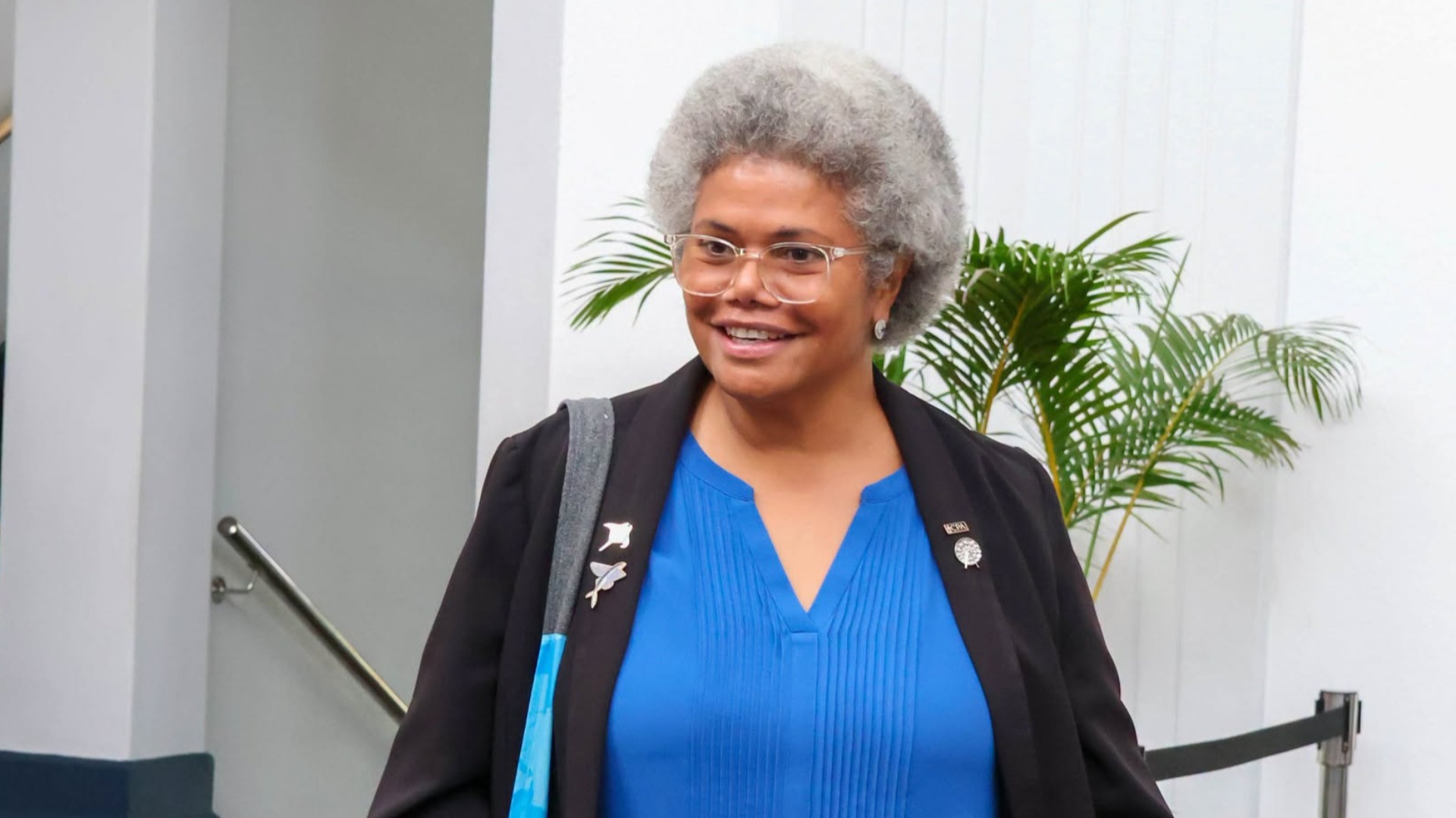 The Government will implement Fiji's Diaspora Policy in the new financial year to strengthen engagement with Fijians living overseas, improve consular services and encourage investment and skills exchange, following a $56.6 million allocation to the Ministry of Foreign Affairs and External Trade in the 2026/2027 National Budget.
Speaking in support of the 2026-2027 National Budget, Assistant Minister for Foreign Affairs Lenora Qereqeretabua says the policy recognises that Fijians living, working and studying abroad remain an important part of the country's national development.
The Assistant Minister says through the development and implementation of the Diaspora Policy, the Government will foster stronger connections with overseas communities, improve consular and outreach services, encourage knowledge and skills exchange, and create greater opportunities for diaspora investment and partnerships.
She says by harnessing the expertise, networks and contributions of Fijians abroad, Fiji can further advance its economic, social and national development objectives, adding that the Ministry will begin work on the policy's implementation plan during the upcoming financial year.
The Assistant Minister also says the Ministry has been allocated $6.3 million to operationalise Fiji's new diplomatic mission in Jerusalem and reopen Fiji's Embassy in Brussels, expanding the country's diplomatic reach and strengthening key international partnerships.
Qereqeretabua further says strengthening bilateral cooperation will remain a priority, with the Ministry focusing in the new financial year on enhancing international cooperation and technical assistance around HIV/AIDS and drugs to support the agencies responsible for addressing those issues.
She says every dollar allocated to the Ministry will be linked to measurable outcomes, with overseas missions assessed on their ability to secure foreign development assistance, open new export markets for Fijian products, improve investor visa processing and provide streamlined consular services to Fijians living overseas.
Education Ministry reviewing yellow card bus subsidy after excessive claimsBy Priya Nand 14/07/2026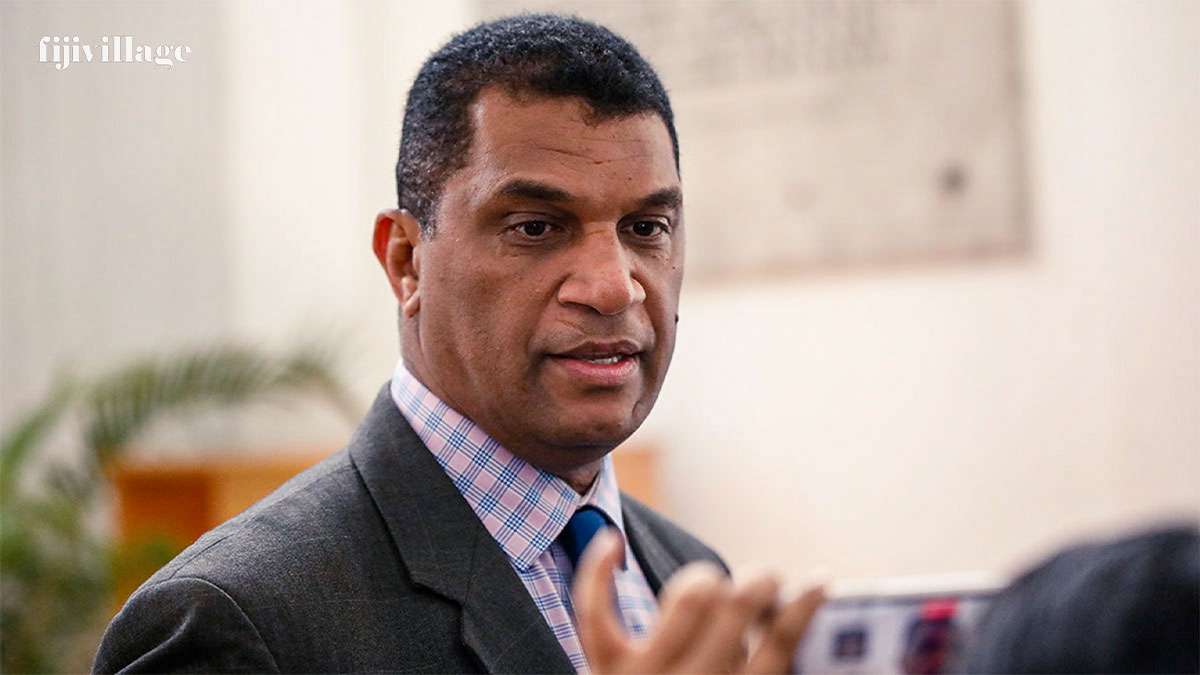
Minister for Education Aseri Radrodro says the Ministry is reviewing expenditure under the yellow card bus fare subsidy after notable excessive claims by bus companies, with some claims appearing to exceed the number of students recorded by the Ministry of Education.
While supporting the 2026-2027 National Budget in Parliament, Radrodro highlighted that the Government has allocated $54 million for student transport assistance, which will benefit 114,738 students across the country.
He says the funding will assist 70,550 students using blue cards and 44,178 students receiving Rural Service Licence (RSL) vouchers.
He says about 46,995 yellow card users currently benefit from the Government's 50 percent bus fare subsidy, which costs an average of $535,000 per month.
However, Radrodro says the Ministry is reviewing expenditure under the yellow card subsidy as part of measures to strengthen fiscal discipline.
INSERT: Radrodro on subsidy 14th July
He says the Ministry is reviewing the Student Transport Assistance Policy to strengthen administration, improve accountability and ensure assistance continues to reach students who need it most.
He adds that the review will also consider the circumstances of students travelling long distances, particularly those living in remote and maritime communities served by Fiji's 684 Rural Service Licence providers.
On teachers, Radrodro acknowledged ongoing payroll issues, saying there have been cases where teachers have not received their salaries and allowances despite already being in schools.
He says this includes delays in the payment of acting allowances due to HR and finance processing within the Ministry.
He says the Ministry has struggled with questionable appointments and possible abuse of the system, and warned that the issue will continue if it is not addressed and the right people are not put in place to curb leakages and mismanagement at the Ministry's headquarters.
Radrodro says the Ministry has now been tasked with working with the Ministry of Civil Service and the Ministry of Finance to formalise the anomalies and discrepancies that have affected the education sector over recent years.
He also says the Ministry, through its divisional education officers, is reviewing the deployment of teachers across schools.
He says while teacher shortages are often raised, audits have shown that some schools have sufficient teachers but are not utilising them properly, adding that these issues are being addressed with school heads.
The Minister says the Government continues to support boarding schools through the Per Capita Boarding Grant, with $391,304 allocated for eligible primary boarding schools and $349,239 for eligible secondary boarding schools.
Radrodro says the Government has allocated $630,000 for the Menstrual Hygiene Management Programme which will supports the health and well-being of female students and help remove barriers that may affect regular school attendance and participation.
He says $5.3 million has been allocated for Technical and Vocational Education and Training (TVET), which will provide students with practical skills, create employment opportunities and support national economic development by producing graduates who are ready to enter the workforce.
Radrodro says it has been the greatest honour and a privilege to serve the nation as he approaches the end of his tenure as Education Minister.
He thanked teachers, the two teacher unions and school administrators for their dedication to the education sector.
He also acknowledged students, parents, guardians and everyone who supports the education sector.
Radrodro thanked the staff and support team of the Ministry of Education for their commitment and endurance throughout his tenure.
He says he will always look back on his time leading the Ministry with gratitude, adding that the experience has been one of growth and service.
Minister for Education Aseri Radrodro says the Ministry is reviewing expenditure under the yellow card bus fare subsidy after notable excessive claims by bus companies, with some claims appearing to exceed the number of students recorded by the Ministry of Education.
While supporting the 2026-2027 National Budget in Parliament, Radrodro highlighted that the Government has allocated $54 million for student transport assistance, which will benefit 114,738 students across the country.
He says the funding will assist 70,550 students using blue cards and 44,178 students receiving Rural Service Licence (RSL) vouchers.
He says about 46,995 yellow card users currently benefit from the Government's 50 percent bus fare subsidy, which costs an average of $535,000 per month.
However, Radrodro says the Ministry is reviewing expenditure under the yellow card subsidy as part of measures to strengthen fiscal discipline.
INSERT: Radrodro on subsidy 14th July
He says the Ministry is reviewing the Student Transport Assistance Policy to strengthen administration, improve accountability and ensure assistance continues to reach students who need it most.
He adds that the review will also consider the circumstances of students travelling long distances, particularly those living in remote and maritime communities served by Fiji's 684 Rural Service Licence providers.
On teachers, Radrodro acknowledged ongoing payroll issues, saying there have been cases where teachers have not received their salaries and allowances despite already being in schools.
He says this includes delays in the payment of acting allowances due to HR and finance processing within the Ministry.
He says the Ministry has struggled with questionable appointments and possible abuse of the system, and warned that the issue will continue if it is not addressed and the right people are not put in place to curb leakages and mismanagement at the Ministry's headquarters.
Radrodro says the Ministry has now been tasked with working with the Ministry of Civil Service and the Ministry of Finance to formalise the anomalies and discrepancies that have affected the education sector over recent years.
He also says the Ministry, through its divisional education officers, is reviewing the deployment of teachers across schools.
He says while teacher shortages are often raised, audits have shown that some schools have sufficient teachers but are not utilising them properly, adding that these issues are being addressed with school heads.
The Minister says the Government continues to support boarding schools through the Per Capita Boarding Grant, with $391,304 allocated for eligible primary boarding schools and $349,239 for eligible secondary boarding schools.
Radrodro says the Government has allocated $630,000 for the Menstrual Hygiene Management Programme which will supports the health and well-being of female students and help remove barriers that may affect regular school attendance and participation.
He says $5.3 million has been allocated for Technical and Vocational Education and Training (TVET), which will provide students with practical skills, create employment opportunities and support national economic development by producing graduates who are ready to enter the workforce.
Radrodro says it has been the greatest honour and a privilege to serve the nation as he approaches the end of his tenure as Education Minister.
He thanked teachers, the two teacher unions and school administrators for their dedication to the education sector.
He also acknowledged students, parents, guardians and everyone who supports the education sector.
Radrodro thanked the staff and support team of the Ministry of Education for their commitment and endurance throughout his tenure.
He says he will always look back on his time leading the Ministry with gratitude, adding that the experience has been one of growth and service.
Tikoduadua says Fiji's military must never again enter politics as Govt strengthens civilian controlBy Pita Toganivalu 14/07/2026 Source: Fiji Government
Defence Minister Pio Tikoduadua says Fiji's military must never again become involved in politics, stressing that its role is to serve the people and protect democracy, not govern the country.
While supporting the 2026/2027 National Budget in Parliament, Tikoduadua says Fiji's history has shown that military intervention in politics weakens democratic institutions, damages economic confidence, divides communities and erodes public trust.
He says the Coalition Government has chosen to confront that history rather than ignore it, emphasising that professional soldiers protect the constitutional system through which the people choose their leaders.
The Minister says one of the Government's biggest achievements has been restoring defence to its proper place in a constitutional democracy by ensuring the military remains under lawful civilian control.
Insert: Tikoduadua on Protecting the Law 14th July 26
Tikoduadua says the Government has completed the National Security and Defence Review and adopted the National Security Strategy 2025-2029, which places the safety and wellbeing of Fijians at the centre of national security.
He says national security is not only about the military or police, but also about protecting democracy, strengthening the economy, safeguarding the environment, promoting social cohesion and maintaining public confidence in institutions.
He says the Fiji Police Force will continue to be the country's primary law enforcement agency, while the Republic of Fiji Military Forces will only provide support when lawfully authorised.
Tikoduadua says the Government has also strengthened efforts to combat drug trafficking, organised crime and other transnational threats by improving coordination between agencies and enhancing maritime surveillance across Fiji's 1.3 million square kilometre Exclusive Economic Zone.
He says work is also underway to review laws governing the RFMF, develop Fiji's first National Peacekeeping Strategy, advance the Maritime Security Strategy, strengthen search and rescue capabilities and prepare a Defence Cyber Security Strategy.
The Minister says Fiji's peacekeepers continue to earn international respect through more than four decades of service in some of the world's most challenging environments.
He also highlighted progress in advancing the Women, Peace and Security agenda by identifying barriers faced by women in the RFMF and Fiji Police Force and creating greater opportunities for leadership and participation.
Tikoduadua says veteran welfare remains a priority, with the Government continuing to review support arrangements for former servicemen and women and recognising the sacrifices made by them and their families.
He says the Coalition Government's most significant achievement has been placing democracy, accountability, human rights and the rule of law at the centre of Fiji's national security policy.
Tikoduadua adds that Fiji's lasting security will depend on strong institutions that remain accountable to the people, regardless of who is in government.
Defence Minister Pio Tikoduadua says Fiji's military must never again become involved in politics, stressing that its role is to serve the people and protect democracy, not govern the country.
While supporting the 2026/2027 National Budget in Parliament, Tikoduadua says Fiji's history has shown that military intervention in politics weakens democratic institutions, damages economic confidence, divides communities and erodes public trust.
He says the Coalition Government has chosen to confront that history rather than ignore it, emphasising that professional soldiers protect the constitutional system through which the people choose their leaders.
The Minister says one of the Government's biggest achievements has been restoring defence to its proper place in a constitutional democracy by ensuring the military remains under lawful civilian control.
Insert: Tikoduadua on Protecting the Law 14th July 26
Tikoduadua says the Government has completed the National Security and Defence Review and adopted the National Security Strategy 2025-2029, which places the safety and wellbeing of Fijians at the centre of national security.
He says national security is not only about the military or police, but also about protecting democracy, strengthening the economy, safeguarding the environment, promoting social cohesion and maintaining public confidence in institutions.
He says the Fiji Police Force will continue to be the country's primary law enforcement agency, while the Republic of Fiji Military Forces will only provide support when lawfully authorised.
Tikoduadua says the Government has also strengthened efforts to combat drug trafficking, organised crime and other transnational threats by improving coordination between agencies and enhancing maritime surveillance across Fiji's 1.3 million square kilometre Exclusive Economic Zone.
He says work is also underway to review laws governing the RFMF, develop Fiji's first National Peacekeeping Strategy, advance the Maritime Security Strategy, strengthen search and rescue capabilities and prepare a Defence Cyber Security Strategy.
The Minister says Fiji's peacekeepers continue to earn international respect through more than four decades of service in some of the world's most challenging environments.
He also highlighted progress in advancing the Women, Peace and Security agenda by identifying barriers faced by women in the RFMF and Fiji Police Force and creating greater opportunities for leadership and participation.
Tikoduadua says veteran welfare remains a priority, with the Government continuing to review support arrangements for former servicemen and women and recognising the sacrifices made by them and their families.
He says the Coalition Government's most significant achievement has been placing democracy, accountability, human rights and the rule of law at the centre of Fiji's national security policy.
Tikoduadua adds that Fiji's lasting security will depend on strong institutions that remain accountable to the people, regardless of who is in government.
Ro Filipe defends infrastructure spending and $12.5B debtBy Pita Toganivalu 15/07/2026 Source: Fiji Government
The Government has defended its record spending on roads, bridges and water infrastructure, saying the 2026/2027 National Budget will deliver safer transport links, more reliable water supplies and stronger public infrastructure while rejecting Opposition claims that the country's growing debt reflects poor financial management.
Speaking in support of the 2026/2027 National Budget in Parliament, Minister for Public Works, Meteorological Services and Transport Ro Filipe Tuisawau says his Ministry has been allocated $820.8 million, comprising $282.3 million for operating expenditure and $538.5 million for capital expenditure, to strengthen Fiji's critical infrastructure and improve service delivery across the country.
Ro Filipe says the allocation includes $370 million for the Fiji Roads Authority (FRA), $291 million for the Water Authority of Fiji (WAF), $39 million for the Land Transport Authority and $9 million for the Maritime Safety Authority of Fiji.
He says this level of investment demonstrates the Coalition Government's commitment to supporting economic growth while improving the quality of life for Fijians through better roads, water, transport and other essential services.
The Minister highlighted several achievements delivered by the Fiji Roads Authority during the 2025/2026 financial year despite adverse weather, emergency responses and ageing infrastructure.
He says FRA managed an infrastructure budget of $129 million, achieving an 89 percent utilisation rate, while its road, bridge and jetty maintenance programme exceeded expectations with a 112 percent utilisation rate.
Ro Filipe says major bridge projects continued across the country, including the Waidalice Bay Bridge, the JICA-funded Tamavua-i-Wai Bridge and the Balili bridges in Taveuni.
He says preparatory work has also been completed for bridge replacements in Serua, Laselase and Rabi Island, while contracts are expected to be awarded soon.
The Minister says FRA also completed planning for the installation of 20 new box culvert crossings across Viti Levu, Ovalau and the Northern Division to improve flood resilience and ensure rural communities remain connected during bad weather.
Looking ahead, Ro Filipe says FRA has been allocated $369 million for the new financial year, with $108 million specifically set aside for maintaining Fiji's existing road network and $8.5 million for road safety improvements.
He says about $21.6 million has been allocated to refurbish or replace 13 priority bridges, including Koronivia, Waidalice, Balili, Soqulu and Nalele bridges.
Ro Filipe says upgrading Koronivia Bridge will be treated as a priority because it serves as a critical access route into Suva.
He says work will also continue on the rehabilitation of Savusavu and Ellington jetties and the construction of the Vunikura Jetty, while community infrastructure projects such as bus shelters, school access roads and village road improvements will continue.
The Minister says Government has also allocated $2 million for coastal protection works and $3 million for coastal road extension projects to protect vulnerable road corridors from coastal erosion.
He adds that the People's Republic of China-funded road project worth about $300 million is currently in the contract bidding stage and is expected to significantly improve transport connectivity.
Turning to the water sector, Ro Filipe says the Water Authority of Fiji has been allocated $291 million for 2026/2027 to continue improving water security and wastewater services.
He says $81.3 million has been allocated to upgrade water treatment plants, pipelines and distribution networks across the country.
Among the key projects are the $18 million Suva Water Mains Upgrade, $2 million for the design of Stage Two of the Rewa River Water Supply Scheme, $10 million for rural water projects, $8 million for emergency works and $2.7 million to reduce water losses through leak detection and network improvements.
Ro Filipe says an additional $15.6 million has been allocated for wastewater projects, including $6 million for infrastructure upgrades at Denarau.
He also highlighted achievements by the Water Authority during the past financial year, including 4,947 new water connections, 241 new wastewater connections, and the launch of an apprenticeship programme in partnership with Fiji National University involving 86 apprentices, including 30 women.
Insert: Tuisawau on Development 14th July 26
Responding to criticism from the Opposition, Ro Filipe rejected claims that the Coalition Government has created Fiji's debt problem.
He says around 50 percent of the country's 68 percent current overseas loans were initiated under the previous government and those loans continue to fund ongoing development projects.
Ro Filipe says debt should be viewed in the context of investing in national development rather than simply focusing on the headline figures.
He says Fiji's debt increased from $2.8 billion in 2006 to $9.7 billion in 2022 under the previous administration, while under the Coalition Government it has increased from $9.7 billion to $12.5 billion.
The Minister says debt as a percentage of GDP has fallen from 91.8 percent in 2022 to about 82 percent, while Government has also recorded stronger revenue collection and lower principal loan repayments, which he says reflects prudent financial management.
Ro Filipe also defended the Government’s decision to write off student debt, saying he could not understand why the Opposition would want graduates to continue repaying those loans.
He also accused the Opposition of misleading the public over Government finances and said many of the legal costs currently being paid by Government stem from decisions made under the previous administration.
The Government has defended its record spending on roads, bridges and water infrastructure, saying the 2026/2027 National Budget will deliver safer transport links, more reliable water supplies and stronger public infrastructure while rejecting Opposition claims that the country's growing debt reflects poor financial management.
Speaking in support of the 2026/2027 National Budget in Parliament, Minister for Public Works, Meteorological Services and Transport Ro Filipe Tuisawau says his Ministry has been allocated $820.8 million, comprising $282.3 million for operating expenditure and $538.5 million for capital expenditure, to strengthen Fiji's critical infrastructure and improve service delivery across the country.
Ro Filipe says the allocation includes $370 million for the Fiji Roads Authority (FRA), $291 million for the Water Authority of Fiji (WAF), $39 million for the Land Transport Authority and $9 million for the Maritime Safety Authority of Fiji.
He says this level of investment demonstrates the Coalition Government's commitment to supporting economic growth while improving the quality of life for Fijians through better roads, water, transport and other essential services.
The Minister highlighted several achievements delivered by the Fiji Roads Authority during the 2025/2026 financial year despite adverse weather, emergency responses and ageing infrastructure.
He says FRA managed an infrastructure budget of $129 million, achieving an 89 percent utilisation rate, while its road, bridge and jetty maintenance programme exceeded expectations with a 112 percent utilisation rate.
Ro Filipe says major bridge projects continued across the country, including the Waidalice Bay Bridge, the JICA-funded Tamavua-i-Wai Bridge and the Balili bridges in Taveuni.
He says preparatory work has also been completed for bridge replacements in Serua, Laselase and Rabi Island, while contracts are expected to be awarded soon.
The Minister says FRA also completed planning for the installation of 20 new box culvert crossings across Viti Levu, Ovalau and the Northern Division to improve flood resilience and ensure rural communities remain connected during bad weather.
Looking ahead, Ro Filipe says FRA has been allocated $369 million for the new financial year, with $108 million specifically set aside for maintaining Fiji's existing road network and $8.5 million for road safety improvements.
He says about $21.6 million has been allocated to refurbish or replace 13 priority bridges, including Koronivia, Waidalice, Balili, Soqulu and Nalele bridges.
Ro Filipe says upgrading Koronivia Bridge will be treated as a priority because it serves as a critical access route into Suva.
He says work will also continue on the rehabilitation of Savusavu and Ellington jetties and the construction of the Vunikura Jetty, while community infrastructure projects such as bus shelters, school access roads and village road improvements will continue.
The Minister says Government has also allocated $2 million for coastal protection works and $3 million for coastal road extension projects to protect vulnerable road corridors from coastal erosion.
He adds that the People's Republic of China-funded road project worth about $300 million is currently in the contract bidding stage and is expected to significantly improve transport connectivity.
Turning to the water sector, Ro Filipe says the Water Authority of Fiji has been allocated $291 million for 2026/2027 to continue improving water security and wastewater services.
He says $81.3 million has been allocated to upgrade water treatment plants, pipelines and distribution networks across the country.
Among the key projects are the $18 million Suva Water Mains Upgrade, $2 million for the design of Stage Two of the Rewa River Water Supply Scheme, $10 million for rural water projects, $8 million for emergency works and $2.7 million to reduce water losses through leak detection and network improvements.
Ro Filipe says an additional $15.6 million has been allocated for wastewater projects, including $6 million for infrastructure upgrades at Denarau.
He also highlighted achievements by the Water Authority during the past financial year, including 4,947 new water connections, 241 new wastewater connections, and the launch of an apprenticeship programme in partnership with Fiji National University involving 86 apprentices, including 30 women.
Insert: Tuisawau on Development 14th July 26
Responding to criticism from the Opposition, Ro Filipe rejected claims that the Coalition Government has created Fiji's debt problem.
He says around 50 percent of the country's 68 percent current overseas loans were initiated under the previous government and those loans continue to fund ongoing development projects.
Ro Filipe says debt should be viewed in the context of investing in national development rather than simply focusing on the headline figures.
He says Fiji's debt increased from $2.8 billion in 2006 to $9.7 billion in 2022 under the previous administration, while under the Coalition Government it has increased from $9.7 billion to $12.5 billion.
The Minister says debt as a percentage of GDP has fallen from 91.8 percent in 2022 to about 82 percent, while Government has also recorded stronger revenue collection and lower principal loan repayments, which he says reflects prudent financial management.
Ro Filipe also defended the Government’s decision to write off student debt, saying he could not understand why the Opposition would want graduates to continue repaying those loans.
He also accused the Opposition of misleading the public over Government finances and said many of the legal costs currently being paid by Government stem from decisions made under the previous administration.
We can't tax tourism industry to support another industry - KoyaBy Navitalai Naivalurua 15/07/2026 [Image: Parliament of Fiji]
Opposition MP Faiyaz Koya has questioned why the government has imposed a 5 percent Tourism Service Tax on the tourism sector to support another industry.
While opposing the 2026/2027 National Budget, Koya says there are other ways the government could address the issue, and that meaningful dialogue with all stakeholders would help.
Insert: Koya on why tax tourism – 15 July 2026
He further says transparent communication, proper planning and genuine consultation with all stakeholders, including landowners, farmers and institutions such as the iTaukei Land Trust Board (iTLTB), are essential to rebuild trust and secure long-term land arrangements and investment stability across all sectors, whether tourism or sugar.
He also called on Parliamentarians to show respect to the sugar industry as it was once a cornerstone of the economy.
Koya says there are budgets that simply manage governments, and there are budgets that change the course of a nation.
He says the true measure of a national budget is not how much it spends, how many announcements it contains, or how loudly it is applauded on Budget Day.
Instead, he says it should be judged on whether it leaves the nation more prosperous than it found it.
He adds that a successful budget should create opportunities where there was once uncertainty, inspire confidence where there was once hesitation, and expand the productive capacity of the economy so future generations inherit greater opportunity rather than greater obligation.
Koya says the challenges facing the country are significant, and believes this budget is ultimately disappointing because it lacks both good intentions and a coherent strategy to transform the productive capacity of the Fijian economy.
Opposition MP Faiyaz Koya has questioned why the government has imposed a 5 percent Tourism Service Tax on the tourism sector to support another industry.
While opposing the 2026/2027 National Budget, Koya says there are other ways the government could address the issue, and that meaningful dialogue with all stakeholders would help.
Insert: Koya on why tax tourism – 15 July 2026
He further says transparent communication, proper planning and genuine consultation with all stakeholders, including landowners, farmers and institutions such as the iTaukei Land Trust Board (iTLTB), are essential to rebuild trust and secure long-term land arrangements and investment stability across all sectors, whether tourism or sugar.
He also called on Parliamentarians to show respect to the sugar industry as it was once a cornerstone of the economy.
Koya says there are budgets that simply manage governments, and there are budgets that change the course of a nation.
He says the true measure of a national budget is not how much it spends, how many announcements it contains, or how loudly it is applauded on Budget Day.
Instead, he says it should be judged on whether it leaves the nation more prosperous than it found it.
He adds that a successful budget should create opportunities where there was once uncertainty, inspire confidence where there was once hesitation, and expand the productive capacity of the economy so future generations inherit greater opportunity rather than greater obligation.
Koya says the challenges facing the country are significant, and believes this budget is ultimately disappointing because it lacks both good intentions and a coherent strategy to transform the productive capacity of the Fijian economy.
Explain where Opposition would cut $1B in govt expenditure - Prof. PrasadBy Navitalai Naivalurua 15/07/2026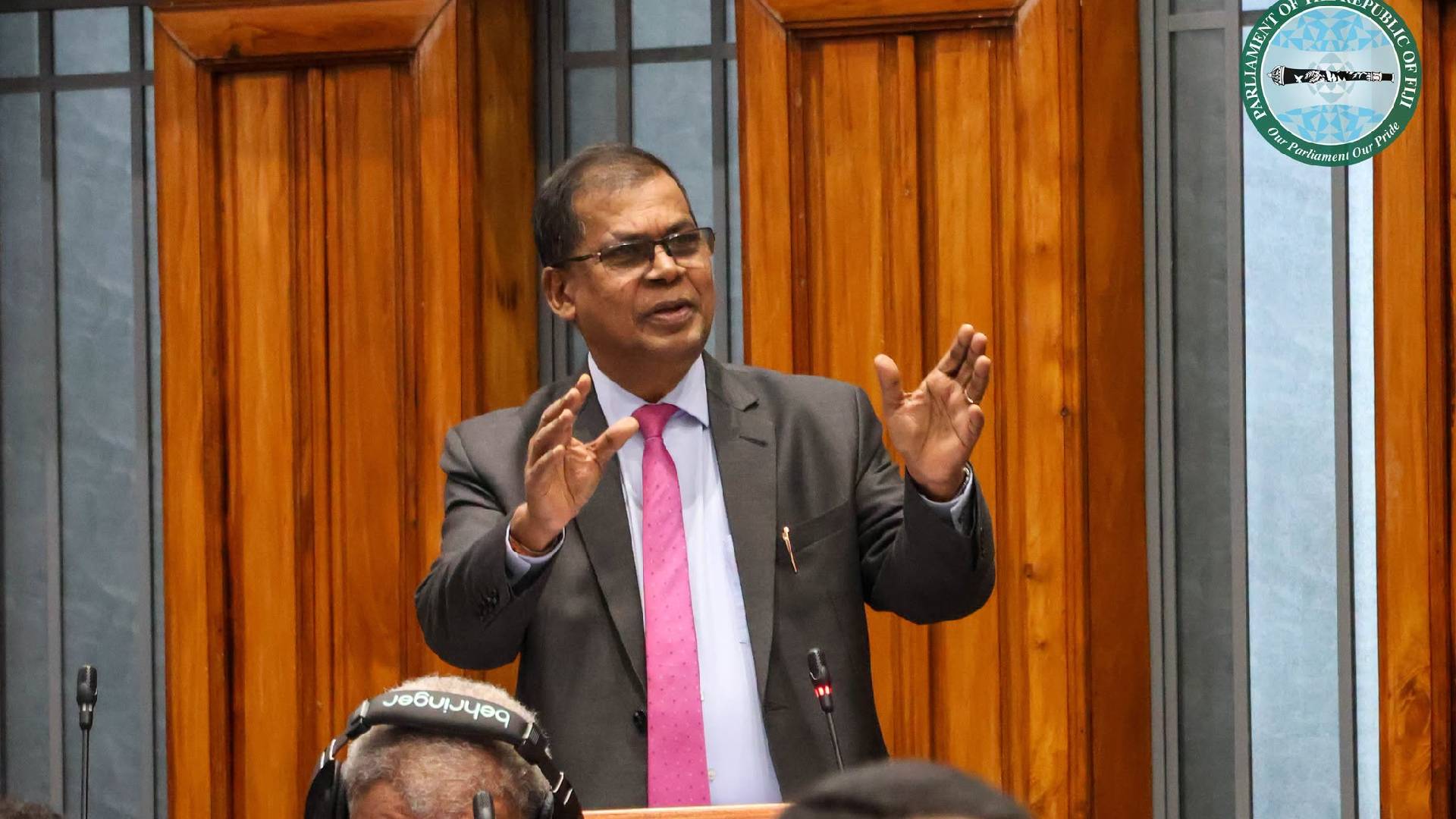 [Image: Parliament of Fiji]Former Deputy Prime Minister and Member of Parliament Professor Biman Prasad has challenged the Opposition to explain where it would cut $1 billion in government expenditure after repeatedly calling for spending to be reduced by that amount.
Speaking in support of the 2026/2027 National Budget, Professor Prasad says the Opposition should recognise that Fiji is operating in the midst of a challenging global economic environment.
Insert: Prof. Prasad on where – 15 July 2026
Professor Prasad says there was also a suggestion that the government should revalue the Fiji dollar, describing it as the "weirdest" proposal he has ever heard from an economist when assessing a national budget.
He says when a government inherits significant challenges, it takes time to address them, adding that four years is not enough to undo years of accumulated problems.
Speaking on the sugar industry, Professor Prasad reminded Parliament that the industry's decline began in 2007.
He says sugar production has fallen from around 310,000 tonnes, while the number of growers has declined from about 18,000 to fewer than 12,000.
He attributes the decline to the dismantling of key sugar industry institutions, weakened governance and monitoring mechanisms, and the loss of $350 million in European Union funding that was intended to help restructure the industry.
The former Finance Minister says it is the current government that restored the Parliamentary Sugar Committee, which has been conducting consultations around the country to address the concerns of sugarcane farmers.
He also says many farmers have rejected calls for a boycott by what he described as a politician seeking to revive his political fortunes in the sugar belt.
Professor Prasad says sugarcane farmers have already begun harvesting their cane.
He adds that the Parliamentary Sugar Committee, which also includes Opposition Leader Inia Seruiratu and Opposition MP Praveen Bala, will travel to the North to meet with farmers and other stakeholders.
Professor Prasad says the government will consider providing further assistance where necessary and where it is able to support sugarcane farmers.
A responsible Budget must do more - UsamateBy Mikaele Liga 15/07/2026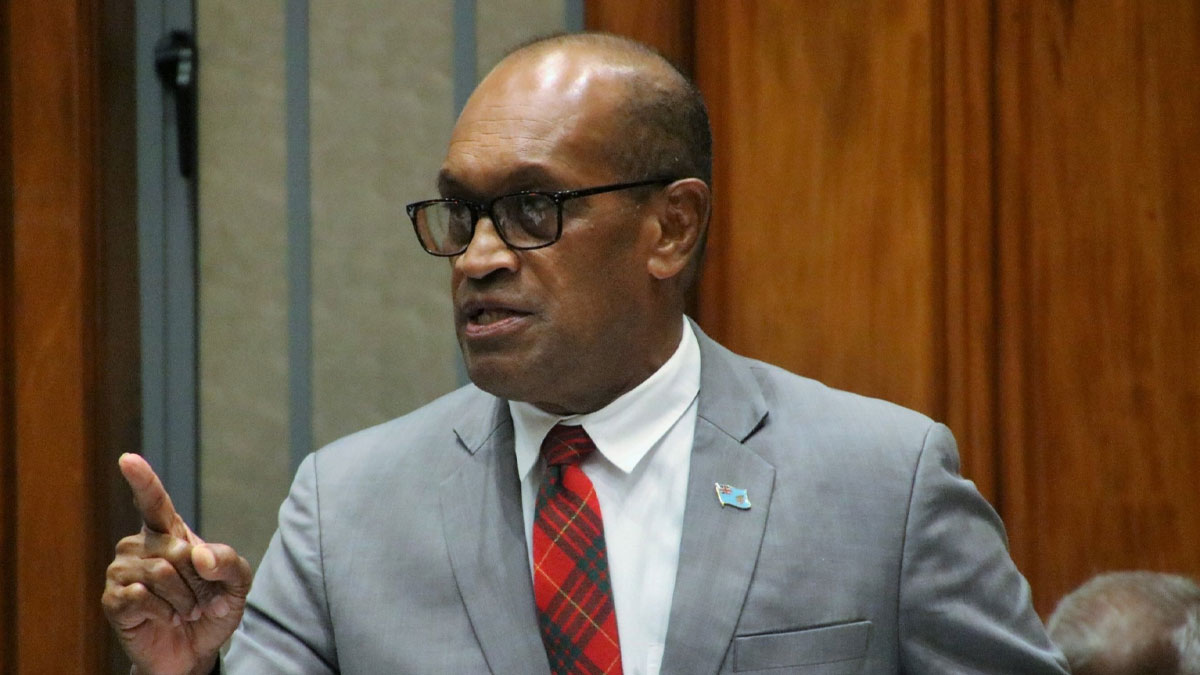 While the 2026 2027 National Budget includes some positive initiatives but it doesn't meet the standards it claims.This was highlighted by Opposition MP Jone Usamate while opposing the 2026-2027 National Budget in Parliament today.He says Fiji is facing serious financial challenges, and this budget does not make the difficult decisions needed to secure the country's long-term future.
Usamate says the biggest concern is our growing debt, and the government's borrowing continues to rise while revenue is declining.
He says we are borrowing more simply to maintain current spending levels rather than investing in future growth, and if this trend continues, Fiji will face increasing difficulty financing its obligations and responding to future economic shocks.
Usamate says a truly responsible budget should not only acknowledge these problems, adding it should address them and it should reduce unnecessary spending, create room for investment, and strengthen the country's financial position for future generations, but unfortunately, this budget does not go far enough.
The MP says he acknowledges several positive aspects where the Budget Supplement provides a transparent assessment of Fiji's economic challenges.
He says he also welcomes the recognition that fiscal discipline is essential and that government cannot continue relying on borrowing to fund expanding expenditure.
However, he says good intentions alone are not enough.
Usamate says the greatest weakness of this budget is the structure of government spending.
He says reducing waste would create more resources for investments that generate economic growth and improve public services, and the government must also examine its own size and operating costs.
Usamate adds that a leaner and more efficient public sector would help reduce pressure on public finances while improving accountability and service delivery.
He says leadership is demonstrated not by assigning blame but by making difficult decisions and delivering results.
Usamate says the biggest concern is our growing debt, and the government's borrowing continues to rise while revenue is declining.
He says we are borrowing more simply to maintain current spending levels rather than investing in future growth, and if this trend continues, Fiji will face increasing difficulty financing its obligations and responding to future economic shocks.
Usamate says a truly responsible budget should not only acknowledge these problems, adding it should address them and it should reduce unnecessary spending, create room for investment, and strengthen the country's financial position for future generations, but unfortunately, this budget does not go far enough.
The MP says he acknowledges several positive aspects where the Budget Supplement provides a transparent assessment of Fiji's economic challenges.
He says he also welcomes the recognition that fiscal discipline is essential and that government cannot continue relying on borrowing to fund expanding expenditure.
However, he says good intentions alone are not enough.
Usamate says the greatest weakness of this budget is the structure of government spending.
He says reducing waste would create more resources for investments that generate economic growth and improve public services, and the government must also examine its own size and operating costs.
Usamate adds that a leaner and more efficient public sector would help reduce pressure on public finances while improving accountability and service delivery.
He says leadership is demonstrated not by assigning blame but by making difficult decisions and delivering results.
Bainivalu challenges Opposition to identify who would lose jobs under proposed civil service cutsBy Temalesi Vono 16/07/2026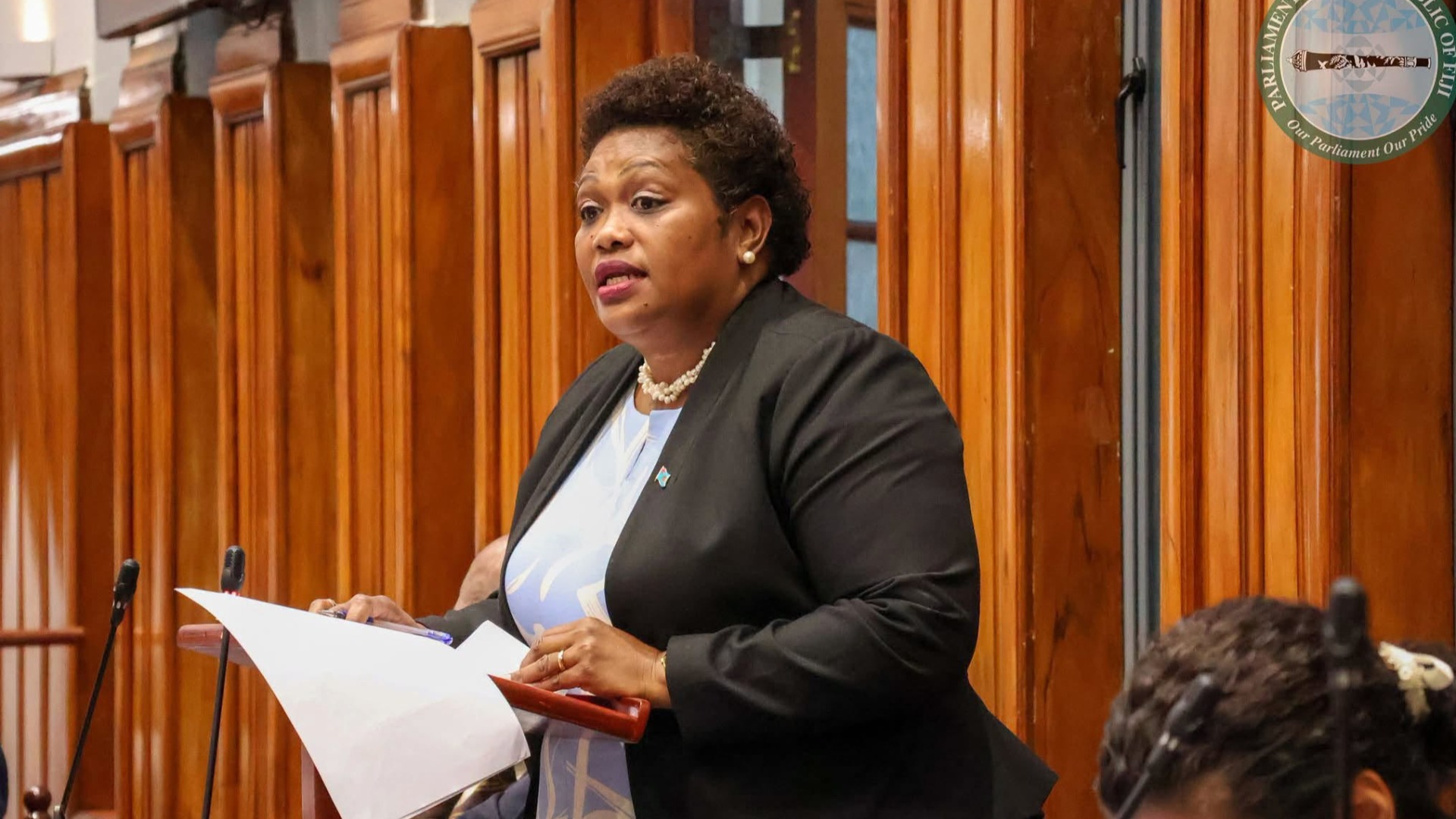 Picture: Fiji Parliament
Minister for Fisheries and Forestry Alitia Bainivalu has challenged the Opposition to explain who would lose their jobs if its proposal to reduce Fiji's civil service were implemented, arguing that such calls create uncertainty for teachers, families and communities that rely on public services.
Responding to calls by Opposition Members of Parliament and Opposition Leader Inia Seruiratu for a reduction in the size of the civil service, Bainivalu says behind any proposal to cut public sector jobs are "real people, real families and real communities".
Bainivalu questions whether the Opposition had considered the impact such a move would have on essential services.
She singled out teachers as an example, asking whether the proposed cuts would affect those who leave their families to serve in rural and maritime schools under often difficult conditions.
She says teachers dedicate themselves to preparing lessons, guiding children and ensuring every child in Fiji has access to education, while many also sacrifice time with their own families.
The Minister says in many villages and remote islands, teachers serve not only as educators but also as mentors and role models who provide children with hope and opportunity.
She questioned which schools would lose teachers, which children would receive less support and which communities would see a reduction in education services if the civil service were downsized.
Bainivalu says it is easy to speak about reducing public sector numbers, but far more difficult to explain such decisions to the families, parents and children who would be directly affected.
She says teachers and other public servants make daily sacrifices to serve communities across the country and deserved respect and support.
Bainivalu says the Government will continue to stand with teachers and hardworking public servants who keep the country functioning, adding that Fiji needs leadership that strengthens essential services rather than creating uncertainty for those who deliver them.
Minister for Fisheries and Forestry Alitia Bainivalu has challenged the Opposition to explain who would lose their jobs if its proposal to reduce Fiji's civil service were implemented, arguing that such calls create uncertainty for teachers, families and communities that rely on public services.
Responding to calls by Opposition Members of Parliament and Opposition Leader Inia Seruiratu for a reduction in the size of the civil service, Bainivalu says behind any proposal to cut public sector jobs are "real people, real families and real communities".
Bainivalu questions whether the Opposition had considered the impact such a move would have on essential services.
She singled out teachers as an example, asking whether the proposed cuts would affect those who leave their families to serve in rural and maritime schools under often difficult conditions.
She says teachers dedicate themselves to preparing lessons, guiding children and ensuring every child in Fiji has access to education, while many also sacrifice time with their own families.
The Minister says in many villages and remote islands, teachers serve not only as educators but also as mentors and role models who provide children with hope and opportunity.
She questioned which schools would lose teachers, which children would receive less support and which communities would see a reduction in education services if the civil service were downsized.
Bainivalu says it is easy to speak about reducing public sector numbers, but far more difficult to explain such decisions to the families, parents and children who would be directly affected.
She says teachers and other public servants make daily sacrifices to serve communities across the country and deserved respect and support.
Bainivalu says the Government will continue to stand with teachers and hardworking public servants who keep the country functioning, adding that Fiji needs leadership that strengthens essential services rather than creating uncertainty for those who deliver them.
Fijian dollar will not be devalued - ImmanuelBy Rashika Kumar 16/07/2026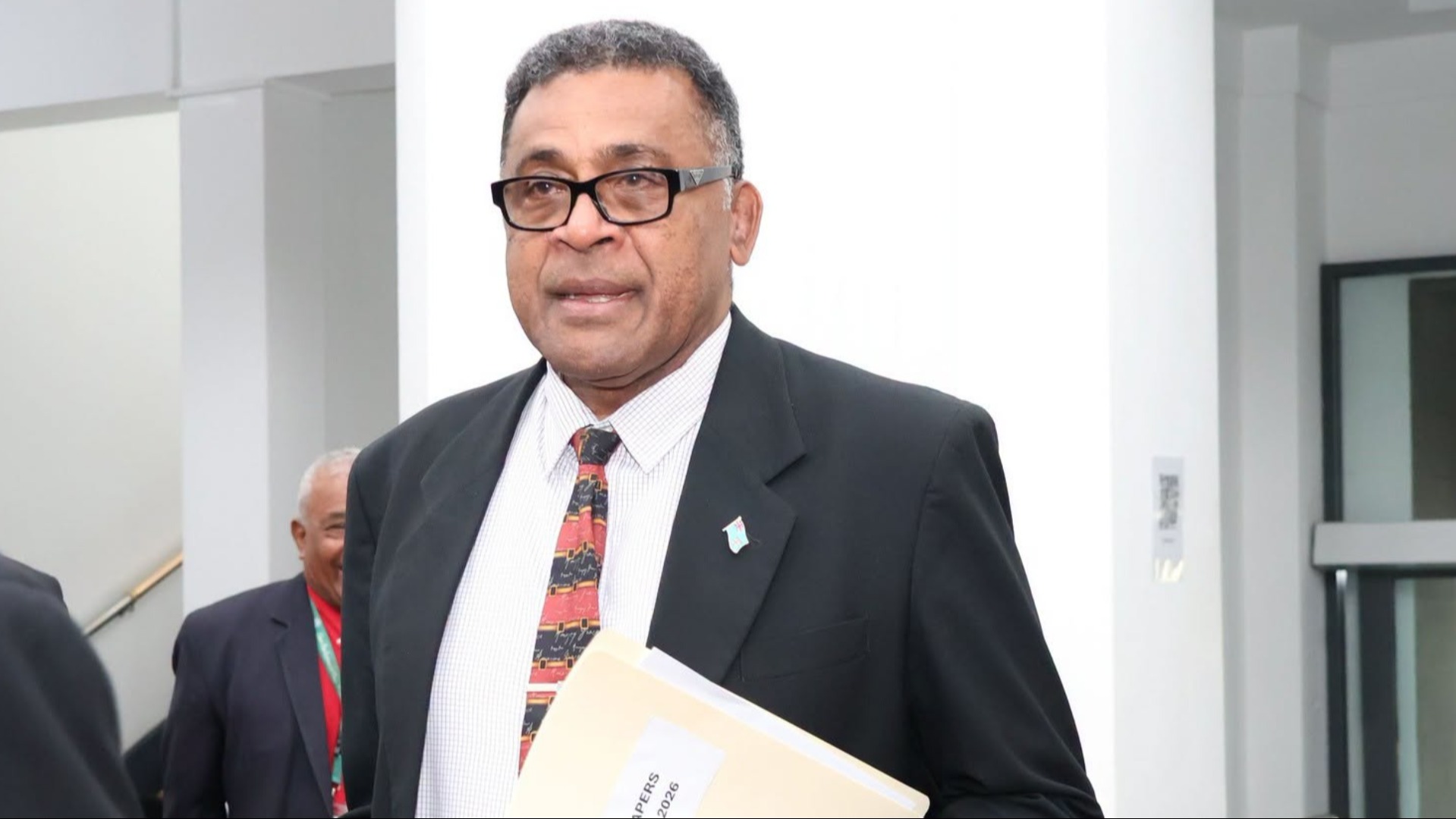 We will not have any devaluations and public comments of this nature should be made carefully and responsibly.
This has been highlighted by Minister for Finance Esrom Immanuel in his right of reply during the debate on 2026-2027 National Budget.
While responding to Leader of Opposition Inia Seruiratu's comments on the possibility of the Fiji dollar being devalued, Immanuel stresses speculation regarding exchange rate adjustments can unnecessarily create uncertainty for businesses, investors and financial markets.
The Minister says these matters should always be guided by careful economic analysis rather than political commentary.
He explains that given the current high level of foreign reserves, there is no possibility of a devaluation in the horizon.
Immanuel says it is easy to stand outside Government and call for a lower deficit and suggest politically convenient measures like reducing Cabinet size and salaries which will just save us a few million, but this Government made a conscious decision and chose to protect the people while continuing the path of fiscal consolidation.
Immanuel says several commentators have suggested that Government should have reduced the fiscal deficit much more aggressively.
He has questioned how the Opposition would cut government spending, asking whether it would reduce public servant salaries, social welfare, support for sugarcane farmers, abolished the $200 Back-to-School Assistance, reduce scholarships, or funding for hospitals, schools and policing.
The Minister also asks whether they would delay General Election or the Constitutional Referendum, or instead raise taxes such as VAT, income tax, corporate tax or customs duties or impose VAT on zero-rated basic food items.
Immanuel says these are not theoretical questions but are the real policy choices confronting every Minister for Finance.
He stresses it is much harder to explain which services should be reduced, which taxes should be increased or which families should receive less support.
The Minister has also rejected suggestions that the Government is not doing enough to reduce its own expenditure before asking the nation to make sacrifices.
Immanuel explain the government has already taken significant steps to reduce its own spending, including cutting operational costs, official travel, workshops, communications, and funding for vacant positions.
He also says recruitment has been limited to essential roles, grants have been reviewed, and Ministers and MPs continue to take salary cuts, showing the government is leading by example before asking others to make sacrifices.
Immanuel also agreed with Seruiratu regarding delays in implementing capital projects.
He highlights that many of their major infrastructure projects are currently completing feasibility studies, engineering designs, procurement processes and financing arrangements.
The Minister says these are large and technically complex investments and requires proper preparation before construction begins.
He says as these projects move into full implementation over the coming years, capital expenditure will increase significantly.
Immanuel agreed with Seruiratu that project implementation must improve and adds that That is why they continue strengthening project management across Government and why implementation performance forms an important part of accountability for heads of ministries and agencies.
Immanuel further agrees that Fiji must maintain a credible medium-term fiscal strategy and strengthen public financial management.
He says the government is implementing reforms, including a Functional Review, improving procurement systems, strengthening project implementation and gradually rebuilding fiscal buffers.
Immanuel also says the government aims to steadily reduce public debt while continuing to support economic growth.
Immanuel says the government agrees the civil service should be more efficient, which is why a Functional Review is underway to build a modern, productive public service rather than simply reducing staff numbers.
He also agrees on the need to support private sector growth, highlighting the establishment of the Investment Facilitation Taskforce, ongoing reviews of investment processes and better coordination across government agencies to improve the investment climate.
Immanuel says the government agrees the civil service should be more efficient, which is why a Functional Review is underway to build a modern, productive public service rather than simply reducing staff numbers.
He also agrees on the need to support private sector growth, highlighting the establishment of the Investment Facilitation Taskforce, ongoing reviews of investment processes and better coordination across government agencies to improve the investment climate.
Immanuel adds the Government has chosen realism over optimism for optimism’s sake and if global economic conditions improve, then growth will improve.
Opposition question Govt if $600,000 budgeted for JP allowances is enough to cater for 763 JPsBy Priya Nand 16/07/2026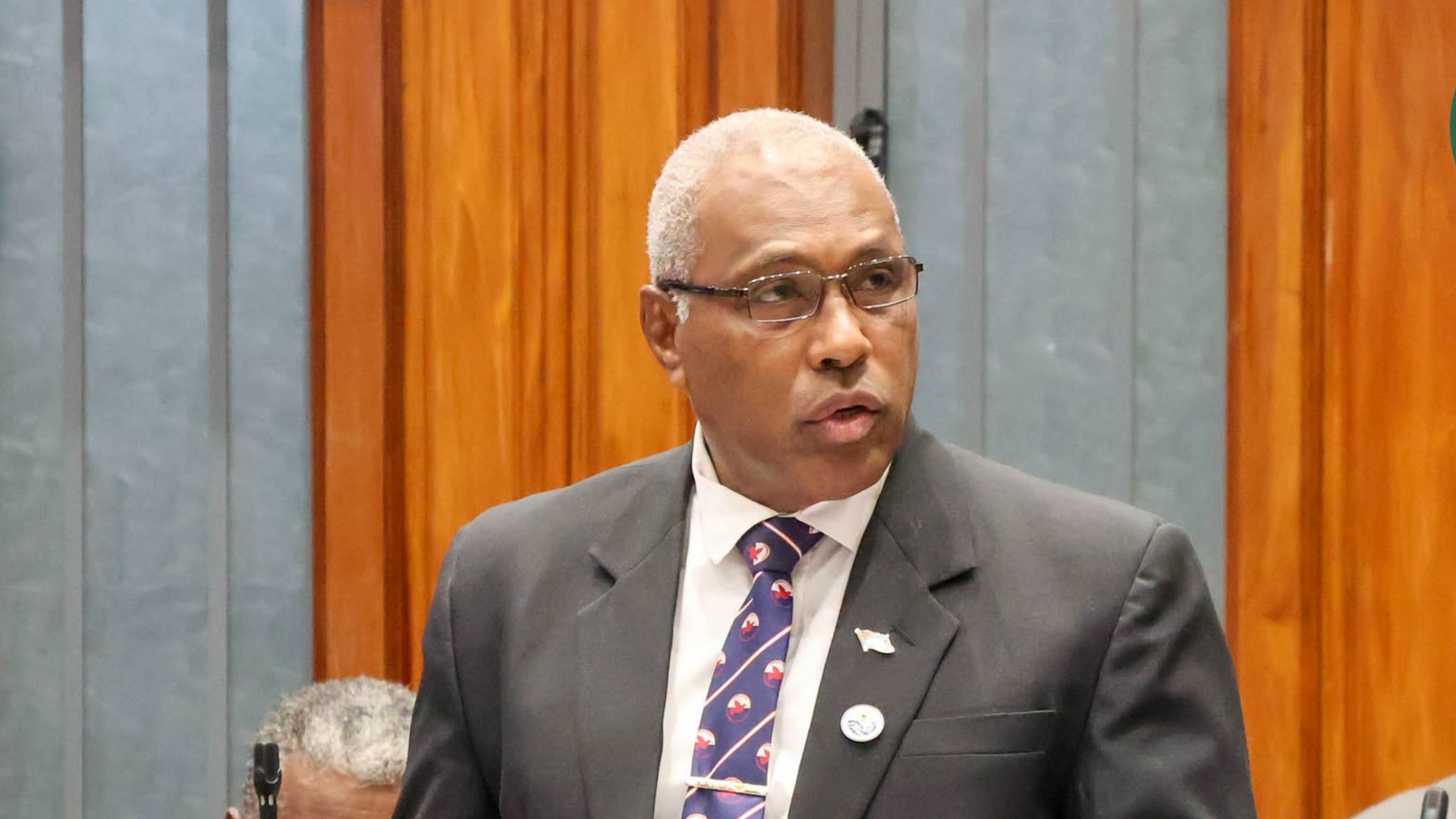 Minister for Justice, Siromi Turaga (Photo: Parliament of the Republic of Fiji)
Concerns were raised in Parliament over whether the Ministry of Justice's 2026/2027 National Budget allocation of $600,000 for Justice of the Peace allowances is enough to cover the JPs in the country.
During the Committee of Supply on the Ministry of Justice's budget estimates, Opposition MP Hem Chand asked how many JPs receive the allowance and whether they are paid annually or quarterly.
Minister for Justice, Siromi Turaga responded that JPs are paid monthly, while Assistant Minister for Justice, Josaia Niudamu confirmed that there are 763 JPs for the current financial year.
Opposition MP Alvick Maharaj urged the Ministry to ensure JPs are paid on time, saying many have complained about delays.
Opposition MP Premila Kumar then questioned whether the allocation was sufficient, saying 763 JPs receiving $100 a month would require about $915,600 a year, which is more than the amount budgeted.
Turaga says payments are made according to the reporting process, with allowances paid only after JPs submit their reports.
Niudamu stressed that the Ministry is reviewing its records and inactive JPs will be removed from the list.
Opposition MP Vijay Nath claimed a JP at Nausori Market told him she had submitted the required report but had not received her allowance.
He says that this is a failure of the Ministry.
Turaga responded by asking Nath to provide the details.
Concerns were raised in Parliament over whether the Ministry of Justice's 2026/2027 National Budget allocation of $600,000 for Justice of the Peace allowances is enough to cover the JPs in the country.
During the Committee of Supply on the Ministry of Justice's budget estimates, Opposition MP Hem Chand asked how many JPs receive the allowance and whether they are paid annually or quarterly.
Minister for Justice, Siromi Turaga responded that JPs are paid monthly, while Assistant Minister for Justice, Josaia Niudamu confirmed that there are 763 JPs for the current financial year.
Opposition MP Alvick Maharaj urged the Ministry to ensure JPs are paid on time, saying many have complained about delays.
Opposition MP Premila Kumar then questioned whether the allocation was sufficient, saying 763 JPs receiving $100 a month would require about $915,600 a year, which is more than the amount budgeted.
Turaga says payments are made according to the reporting process, with allowances paid only after JPs submit their reports.
Niudamu stressed that the Ministry is reviewing its records and inactive JPs will be removed from the list.
Opposition MP Vijay Nath claimed a JP at Nausori Market told him she had submitted the required report but had not received her allowance.
He says that this is a failure of the Ministry.
Turaga responded by asking Nath to provide the details.
Walesi investigation remains with FICAC - NaivaluruaBy Temalesi Vono 16/07/2026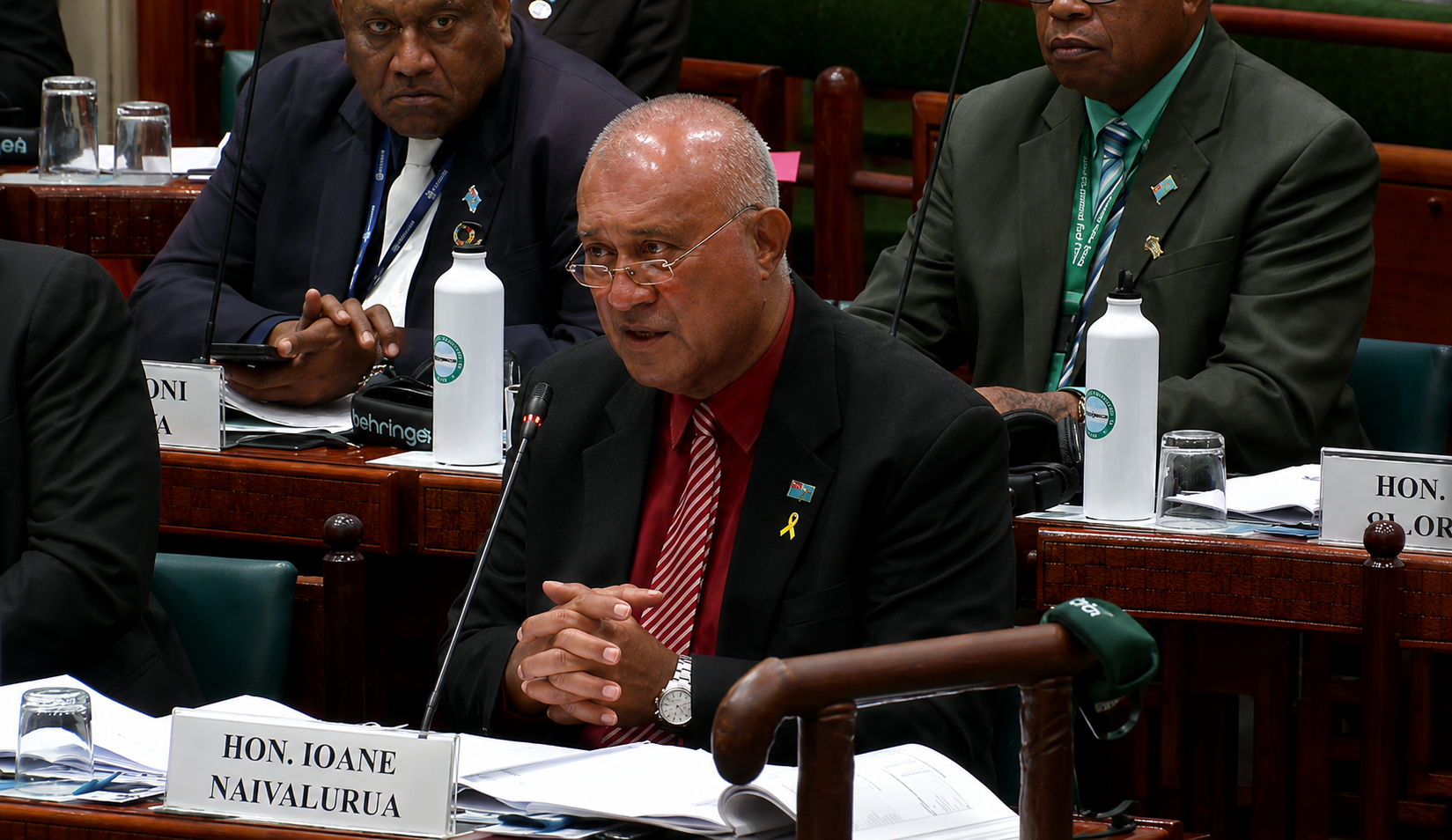 Picture: Fiji Parliament
The investigation into Walesi remains with the Fiji Independent Commission Against Corruption (FICAC).
Minister for Policing and Communications Ioane Naivalurua told Parliament this morning during the Committee of Supply debate on the 2026-2027 Appropriation Bill
Naivalurua provided the update after Opposition Leader Inia Seruiratu questioned the progress of the investigation, raising concerns over continued government funding towards Walesi operations and the need for accountability over taxpayers’ money.
Seruiratu asked whether the investigation, which was previously called for by former Communications Minister and Deputy Prime Minister Manoa Kamikamica, was still ongoing or had been shelved.
Naivalurua responded that the matter remains with FICAC.
Meanwhile, during the debate, Opposition MP Premila Kumar questioned the reduction in funding for narcotics operations, which has decreased from $1.95 million in the previous financial year to $1.6 million.
Kumar asked how the Ministry would maintain its efforts to combat the country’s growing drug problem with a reduced allocation.
Naivalurua says the $1.6 million allocation was sufficient to support the establishment and initial operations of the Counter Narcotic Bureau.
He says the previous year’s allocation included the purchase of equipment for the Bureau, while ongoing narcotics operations would continue under the broader policing operations budget.
Naivalurua says there will be a gradual transition towards the Counter Narcotics Bureau taking full ownership of drug-related operations.
Kumar also questioned the allocation of $56,250 for the Police Act review, noting that the legislation is already before the Parliamentary Standing Committee on Justice, Law and Human Rights.
Naivalurua says the funding will not only support the review process but also assist with the implementation of the Act once it is passed.
On cyber security, Naivalurua explained that the $1.1 million allocation under a Japan International Cooperation Agency (JICA) programme will support training and capacity building for critical infrastructure operators in Fiji and other Pacific Island countries.
He says the programme, which is expected to begin in September, will be coordinated with the Police Force and held under the Ministry of Finance.
The Minister also explained that $900,000 allocated for hosting and online subscriptions will maintain infrastructure and hosting services for key government applications, including the Register of Companies and Digital Fiji Stack.
Meanwhile, the $4 million allocation for ease of doing business will support the continued implementation of the Business Now project.
Naivalurua says the funding will assist with the completion and deployment of the building permits and approvals subsystem across six agencies and 13 councils, as well as improvements to the starting-a-business subsystem.
He says the digitalisation project will improve transparency, accountability and support economic growth.
Kumar questioned whether the previous $4.3 million allocation for the project had been fully utilised and when the project would be completed, noting it had been ongoing for almost five years.
Naivalurua says the Ministry would ideally require more funding but will work within the allocation provided, adding that the project’s intended timeline was two to three years, with a full appraisal expected in 2030.
On telecentres, the Minister says three new centres are planned for the year, with the allocated $202,500 considered sufficient to support the programme.
The debate also covered maritime security and IT infrastructure.
Naivalurua says $200,000 allocated for a feasibility study on shore-based facilities will support the Maritime Safety Authority of Fiji and the Fiji Navy in assessing upgrades to maritime vessels, radio communication and other systems that support maritime security.
Responding to concerns from Seruiratu about Fiji’s vulnerability during disasters, particularly communication breakdowns experienced during Cyclone Winston, Naivalurua says the $1 million allocation for IT infrastructure and storage capacity will support network infrastructure and hosting environments.
He also highlighted the Government’s Starlink rollout, saying Phase One involved 117 sites, with 50 already completed and Phase Two expected to begin in August.
Naivalurua says the Ministry, through the ITC Steering Committee, is closely monitoring equipment needs across government agencies to strengthen communication resilience.
The Ministry of Policing and Communications' $34.2 million budget allocation for the 2026-2027 financial year was unanimously approved in parliament.
The investigation into Walesi remains with the Fiji Independent Commission Against Corruption (FICAC).
Minister for Policing and Communications Ioane Naivalurua told Parliament this morning during the Committee of Supply debate on the 2026-2027 Appropriation Bill
Naivalurua provided the update after Opposition Leader Inia Seruiratu questioned the progress of the investigation, raising concerns over continued government funding towards Walesi operations and the need for accountability over taxpayers’ money.
Seruiratu asked whether the investigation, which was previously called for by former Communications Minister and Deputy Prime Minister Manoa Kamikamica, was still ongoing or had been shelved.
Naivalurua responded that the matter remains with FICAC.
Meanwhile, during the debate, Opposition MP Premila Kumar questioned the reduction in funding for narcotics operations, which has decreased from $1.95 million in the previous financial year to $1.6 million.
Kumar asked how the Ministry would maintain its efforts to combat the country’s growing drug problem with a reduced allocation.
Naivalurua says the $1.6 million allocation was sufficient to support the establishment and initial operations of the Counter Narcotic Bureau.
He says the previous year’s allocation included the purchase of equipment for the Bureau, while ongoing narcotics operations would continue under the broader policing operations budget.
Naivalurua says there will be a gradual transition towards the Counter Narcotics Bureau taking full ownership of drug-related operations.
Kumar also questioned the allocation of $56,250 for the Police Act review, noting that the legislation is already before the Parliamentary Standing Committee on Justice, Law and Human Rights.
Naivalurua says the funding will not only support the review process but also assist with the implementation of the Act once it is passed.
On cyber security, Naivalurua explained that the $1.1 million allocation under a Japan International Cooperation Agency (JICA) programme will support training and capacity building for critical infrastructure operators in Fiji and other Pacific Island countries.
He says the programme, which is expected to begin in September, will be coordinated with the Police Force and held under the Ministry of Finance.
The Minister also explained that $900,000 allocated for hosting and online subscriptions will maintain infrastructure and hosting services for key government applications, including the Register of Companies and Digital Fiji Stack.
Meanwhile, the $4 million allocation for ease of doing business will support the continued implementation of the Business Now project.
Naivalurua says the funding will assist with the completion and deployment of the building permits and approvals subsystem across six agencies and 13 councils, as well as improvements to the starting-a-business subsystem.
He says the digitalisation project will improve transparency, accountability and support economic growth.
Kumar questioned whether the previous $4.3 million allocation for the project had been fully utilised and when the project would be completed, noting it had been ongoing for almost five years.
Naivalurua says the Ministry would ideally require more funding but will work within the allocation provided, adding that the project’s intended timeline was two to three years, with a full appraisal expected in 2030.
On telecentres, the Minister says three new centres are planned for the year, with the allocated $202,500 considered sufficient to support the programme.
The debate also covered maritime security and IT infrastructure.
Naivalurua says $200,000 allocated for a feasibility study on shore-based facilities will support the Maritime Safety Authority of Fiji and the Fiji Navy in assessing upgrades to maritime vessels, radio communication and other systems that support maritime security.
Responding to concerns from Seruiratu about Fiji’s vulnerability during disasters, particularly communication breakdowns experienced during Cyclone Winston, Naivalurua says the $1 million allocation for IT infrastructure and storage capacity will support network infrastructure and hosting environments.
He also highlighted the Government’s Starlink rollout, saying Phase One involved 117 sites, with 50 already completed and Phase Two expected to begin in August.
Naivalurua says the Ministry, through the ITC Steering Committee, is closely monitoring equipment needs across government agencies to strengthen communication resilience.
The Ministry of Policing and Communications' $34.2 million budget allocation for the 2026-2027 financial year was unanimously approved in parliament.
Concerns raised over menstrual hygiene funding and voucher delaysBy Nilufa Buksh 16/07/2026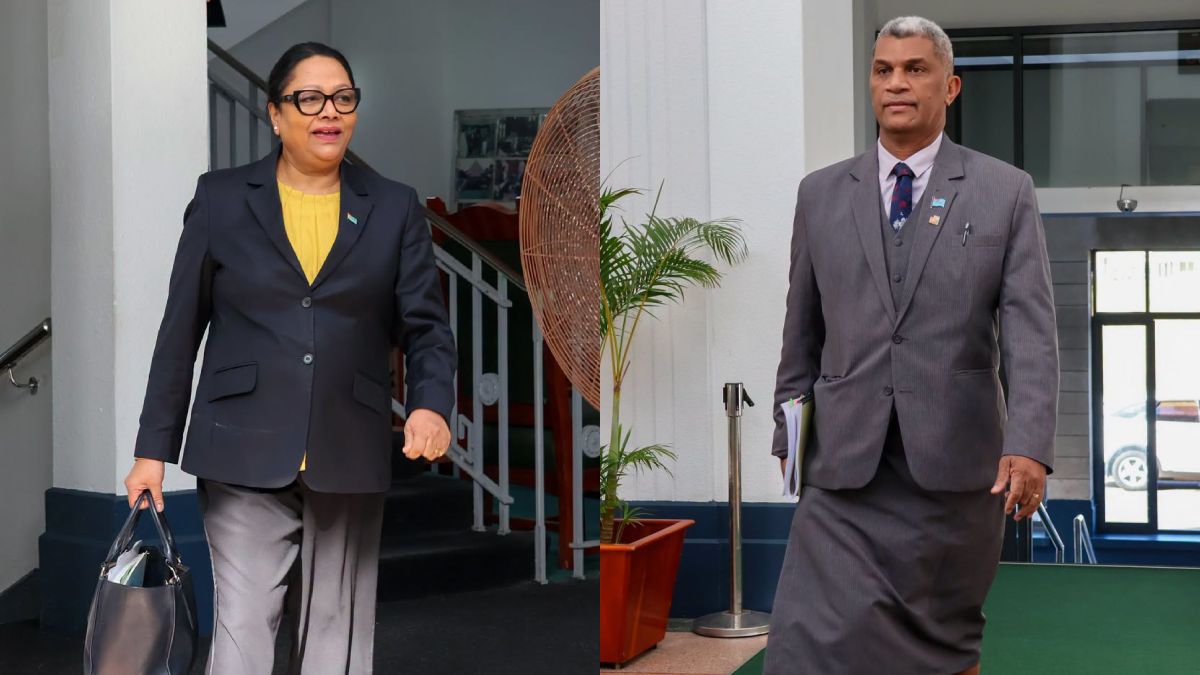
Concerns have been raised over delays in the distribution of menstrual hygiene vouchers and reduced funding for the programme, with warnings that girls could miss school if they do not receive sanitary products on time.
This was raised by Opposition MP Premila Kumar during the Committee of Supply debate on the Education Ministry's 2026/2027 Budget, where she questioned the reduction in funding for the Menstrual Hygiene Management Programme.
Kumar says students have told her they have been waiting for menstrual hygiene vouchers, but they have not been issued on time, adding the programme was introduced to ensure no girl misses school because she cannot afford menstrual hygiene products, while also promoting dignity, improving school attendance and reducing stigma.
Insert:Kumar on funding 16th july
In response, Education Minister Aseri Radrodro says the Ministry is working with the Ministry of Finance to make the vouchers available at more outlets instead of the limited number currently participating, while also improving the utilisation of the allocated funds.
Meanwhile, Opposition MP Vijay Nath questioned the reduction in the grant allocation for Pacific Polytech to which Education Minister Aseri Radrodro says allocations for higher education institutions under Programme 8 are based on the grant formula used by the Higher Education Commission.
He says the formula takes into account information provided by each institution, including student enrolment, the number of graduates and the number of graduates who are employable.
Kumar also questioned the level of Government assistance provided to students attending non-government boarding schools, stressing that children attending non-government boarding schools should not receive less Government support simply because of the type of school they attend.
Radrodro responds that the boarding per capita grant is provided to students in 40 operational registered non-government boarding secondary schools.
Opposition MP Jone Usamate also questioned the $1 million allocation for the Moodle Learning Management System.
In response, Radrodro says the allocation is for the rollout of the Moodle Programme following its pilot during the 2025/2026 financial year.
He says the programme will be implemented in 11 secondary schools, including Queen Victoria School, Adi Cakobau School, Sila Central High School, Suva Grammar School, Nasinu Secondary School, Natabua High School, Ratu Kadavulevu School, St Joseph's Secondary School, Lelean Memorial School and Ratu Sukuna Memorial School.
Concerns have been raised over delays in the distribution of menstrual hygiene vouchers and reduced funding for the programme, with warnings that girls could miss school if they do not receive sanitary products on time.
This was raised by Opposition MP Premila Kumar during the Committee of Supply debate on the Education Ministry's 2026/2027 Budget, where she questioned the reduction in funding for the Menstrual Hygiene Management Programme.
Kumar says students have told her they have been waiting for menstrual hygiene vouchers, but they have not been issued on time, adding the programme was introduced to ensure no girl misses school because she cannot afford menstrual hygiene products, while also promoting dignity, improving school attendance and reducing stigma.
Insert:Kumar on funding 16th july
In response, Education Minister Aseri Radrodro says the Ministry is working with the Ministry of Finance to make the vouchers available at more outlets instead of the limited number currently participating, while also improving the utilisation of the allocated funds.
Meanwhile, Opposition MP Vijay Nath questioned the reduction in the grant allocation for Pacific Polytech to which Education Minister Aseri Radrodro says allocations for higher education institutions under Programme 8 are based on the grant formula used by the Higher Education Commission.
He says the formula takes into account information provided by each institution, including student enrolment, the number of graduates and the number of graduates who are employable.
Kumar also questioned the level of Government assistance provided to students attending non-government boarding schools, stressing that children attending non-government boarding schools should not receive less Government support simply because of the type of school they attend.
Radrodro responds that the boarding per capita grant is provided to students in 40 operational registered non-government boarding secondary schools.
Opposition MP Jone Usamate also questioned the $1 million allocation for the Moodle Learning Management System.
In response, Radrodro says the allocation is for the rollout of the Moodle Programme following its pilot during the 2025/2026 financial year.
He says the programme will be implemented in 11 secondary schools, including Queen Victoria School, Adi Cakobau School, Sila Central High School, Suva Grammar School, Nasinu Secondary School, Natabua High School, Ratu Kadavulevu School, St Joseph's Secondary School, Lelean Memorial School and Ratu Sukuna Memorial School.
Civil Service Functional Review may include right-sizing - PMBy Priya Nand 16/07/2026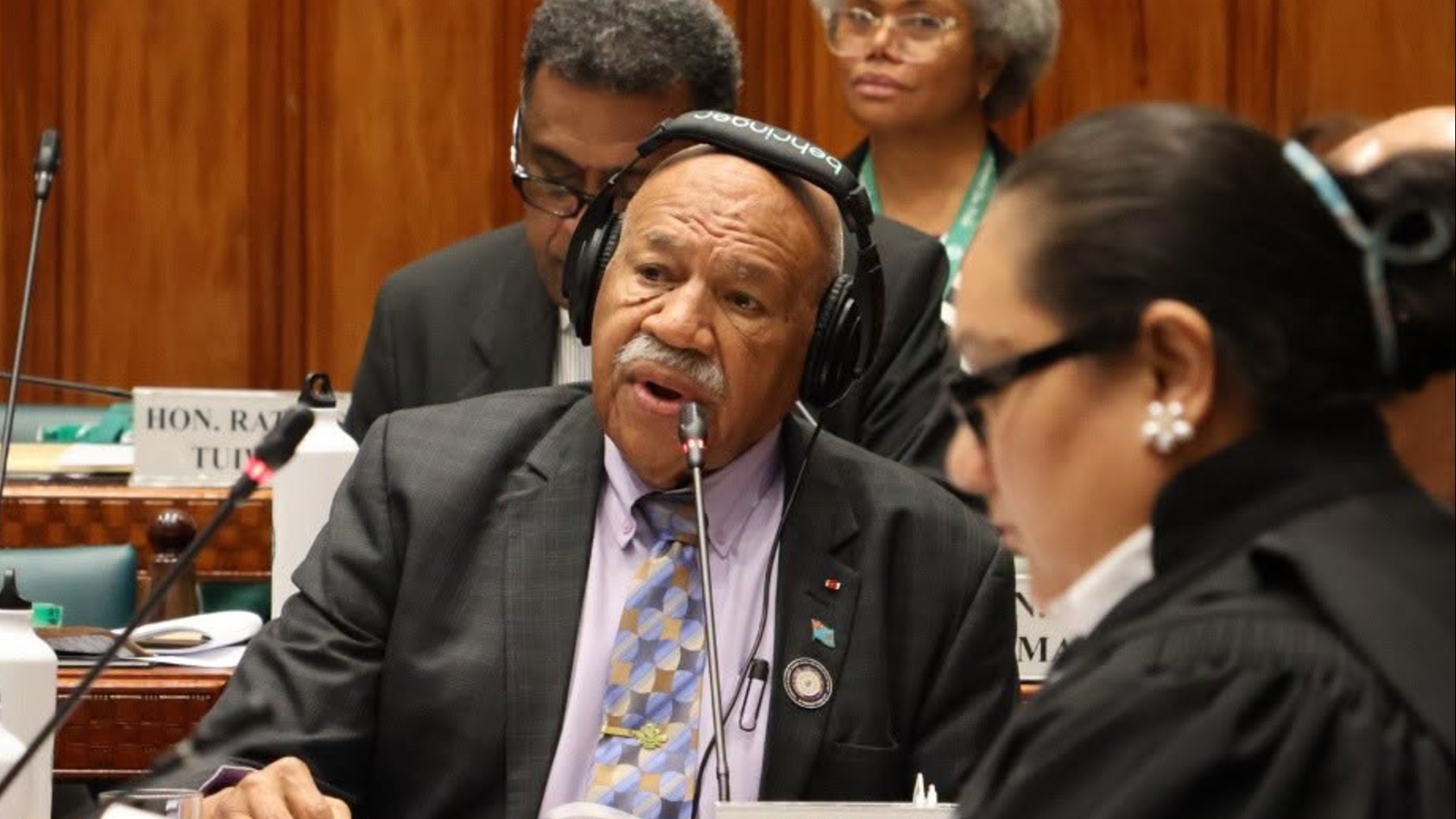 Photo: Parliament of the Republic of Fiji
Prime Minister Sitiveni Rabuka says the Functional Review of the Civil Service could include right-sizing as the Government continues efforts to modernise the public service.
During the Committee of Supply debate on the Ministry of Civil Service's 2026-2027 National Budget, Opposition MP Jone Usamate questioned the $400,000 allocated for the Functional Review of the Civil Service.
Rabuka says in response to the various comments and observations made by the Members of the Opposition, the Ministry continues to listen to them, and they continue to try to adjust the civil service to the budget and also to the evolution of the civil service.
He says the Fiji Learning Institute for Public Service is also being used to make recommendations.
When Usamate asked whether the review could include suggestions of right-sizing the civil service, Rabuka responded that this is one of its objectives.
Minister for Finance Esrom Immanuel has earlier clarified that the objective is not simply to reduce numbers, it is to build a modern, efficient and productive public service, capable of delivering better outcomes for the people of Fiji.
Opposition MP Premila Kumar also questioned why the review of the Civil Service Guidelines had not been completed.
Rabuka says the review is an ongoing process being undertaken by the Permanent Secretary and the Fiji Learning Institute for Public Service.
Opposition MP Hem Chand then asked when the functional review would be completed and whether additional funding would be required.
Rabuka says the review should be seen as an ongoing process because the civil service continues to evolve with the introduction of technology, adding that some work currently carried out by civil servants could eventually be undertaken by machines and computers.
Opposition MP Premila Kumar then questioned whether the Government has developed an Artificial Intelligence (AI) policy for the civil service or plans to introduce one that would apply across all ministries.
She asked whether such a policy was already in place or whether the Government intended to adopt one for the entire public service.
Immanuel clarified that AI forms part of the Ministry of Communications' strategy.
Leader of the Opposition Inia Seruiratu also sought clarification on Australia's role in supporting the functional review, noting that assistance had been announced in the 2025-2026 National Budget.
Rabuka confirmed that Australia continues to assist the review and provides support through self-funded initiatives while cooperation between the two governments continues.
Prime Minister Sitiveni Rabuka says the Functional Review of the Civil Service could include right-sizing as the Government continues efforts to modernise the public service.
During the Committee of Supply debate on the Ministry of Civil Service's 2026-2027 National Budget, Opposition MP Jone Usamate questioned the $400,000 allocated for the Functional Review of the Civil Service.
Rabuka says in response to the various comments and observations made by the Members of the Opposition, the Ministry continues to listen to them, and they continue to try to adjust the civil service to the budget and also to the evolution of the civil service.
He says the Fiji Learning Institute for Public Service is also being used to make recommendations.
When Usamate asked whether the review could include suggestions of right-sizing the civil service, Rabuka responded that this is one of its objectives.
Minister for Finance Esrom Immanuel has earlier clarified that the objective is not simply to reduce numbers, it is to build a modern, efficient and productive public service, capable of delivering better outcomes for the people of Fiji.
Opposition MP Premila Kumar also questioned why the review of the Civil Service Guidelines had not been completed.
Rabuka says the review is an ongoing process being undertaken by the Permanent Secretary and the Fiji Learning Institute for Public Service.
Opposition MP Hem Chand then asked when the functional review would be completed and whether additional funding would be required.
Rabuka says the review should be seen as an ongoing process because the civil service continues to evolve with the introduction of technology, adding that some work currently carried out by civil servants could eventually be undertaken by machines and computers.
Opposition MP Premila Kumar then questioned whether the Government has developed an Artificial Intelligence (AI) policy for the civil service or plans to introduce one that would apply across all ministries.
She asked whether such a policy was already in place or whether the Government intended to adopt one for the entire public service.
Immanuel clarified that AI forms part of the Ministry of Communications' strategy.
Leader of the Opposition Inia Seruiratu also sought clarification on Australia's role in supporting the functional review, noting that assistance had been announced in the 2025-2026 National Budget.
Rabuka confirmed that Australia continues to assist the review and provides support through self-funded initiatives while cooperation between the two governments continues.
Improved stock monitoring and training will help reduce medicine shortages - Dr LalabalavuLabasa Hospital's new CT scan to be commissioned in August
By Rashika Kumar 16/07/2026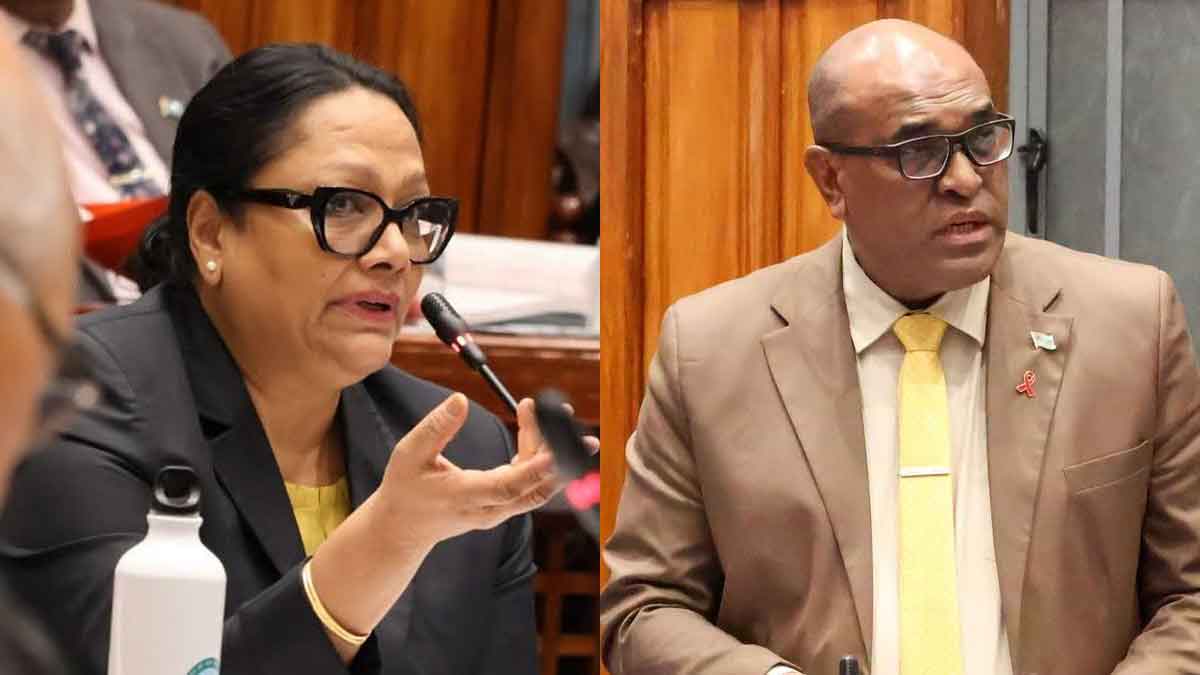 Photo(s): Parliament of the Republic of Fiji
Following questions by the Opposition on medicine shortage being faced by patients despite a $31.8 million allocation in the 2026-2027 National Budget, Minister for Health Doctor Ratu Atonio Lalabalavu says improved stock monitoring and training will help address medicine shortages.
While debating the Health Ministry's allocation in the 2026-2027 National Budget, Opposition MP Premila Kumar says they often hear that the hospitals run out of medications, and patients are given a list to go and buy with their own money, despite $31.8 million being allocated for consumables and medicines.
While responding, Dr Lalabalavu says the shortages are caused by a number of factors, including global shortages of certain medicines and operational issues where staff at health facilities fail to update medicine stock levels.
He says the Ministry's supply system is now connected online across all health facilities in Fiji, allowing staff to update medicine stocks electronically.
The Minister says the Ministry has also strengthened the department through additional staffing in the last budget, while delivery teams now verify medicine stock levels during deliveries and train nurses and doctors at nursing stations, health centres and subdivisional hospitals on how to properly update their stock records.
Dr Lalabalavu says these are the two main issues the Ministry is addressing to help reduce medicine shortages.
Kumar also raised concerns regarding the cleanliness of CWM Hospital, with complaints about dirty wards and unhygienic conditions continuing despite a $2.7 million allocation for outsourced cleaning services.
Dr Lalabalavu says contractors can be penalised if they fail to meet the required standards.
However, when asked whether any action had ever been taken against the contractor, the Minister said he would have to come back with that information.
Opposition MP Ketan Lal also questioned whether funding had been allocated to address the power supply issues that had prevented the X-ray machine at Labasa Hospital from operating and also asked why there was no specific allocation for the installation of a three-phase power supply for the hospital's new CT scan.
Dr Lalabalavu clarified that the budget allocation was for interior upgrade works at Labasa Hospital and confirmed that the three-phase power supply has already been completed.
He says the hospital is now awaiting the arrival of the CT scan supplier in August to commission the new machine.
Following questions by the Opposition on medicine shortage being faced by patients despite a $31.8 million allocation in the 2026-2027 National Budget, Minister for Health Doctor Ratu Atonio Lalabalavu says improved stock monitoring and training will help address medicine shortages.
While debating the Health Ministry's allocation in the 2026-2027 National Budget, Opposition MP Premila Kumar says they often hear that the hospitals run out of medications, and patients are given a list to go and buy with their own money, despite $31.8 million being allocated for consumables and medicines.
While responding, Dr Lalabalavu says the shortages are caused by a number of factors, including global shortages of certain medicines and operational issues where staff at health facilities fail to update medicine stock levels.
He says the Ministry's supply system is now connected online across all health facilities in Fiji, allowing staff to update medicine stocks electronically.
The Minister says the Ministry has also strengthened the department through additional staffing in the last budget, while delivery teams now verify medicine stock levels during deliveries and train nurses and doctors at nursing stations, health centres and subdivisional hospitals on how to properly update their stock records.
Dr Lalabalavu says these are the two main issues the Ministry is addressing to help reduce medicine shortages.
Kumar also raised concerns regarding the cleanliness of CWM Hospital, with complaints about dirty wards and unhygienic conditions continuing despite a $2.7 million allocation for outsourced cleaning services.
Dr Lalabalavu says contractors can be penalised if they fail to meet the required standards.
However, when asked whether any action had ever been taken against the contractor, the Minister said he would have to come back with that information.
Opposition MP Ketan Lal also questioned whether funding had been allocated to address the power supply issues that had prevented the X-ray machine at Labasa Hospital from operating and also asked why there was no specific allocation for the installation of a three-phase power supply for the hospital's new CT scan.
Dr Lalabalavu clarified that the budget allocation was for interior upgrade works at Labasa Hospital and confirmed that the three-phase power supply has already been completed.
He says the hospital is now awaiting the arrival of the CT scan supplier in August to commission the new machine.
Parliament passes 2026/2027 National BudgetBy Navitalai Naivalurua 16/07/2026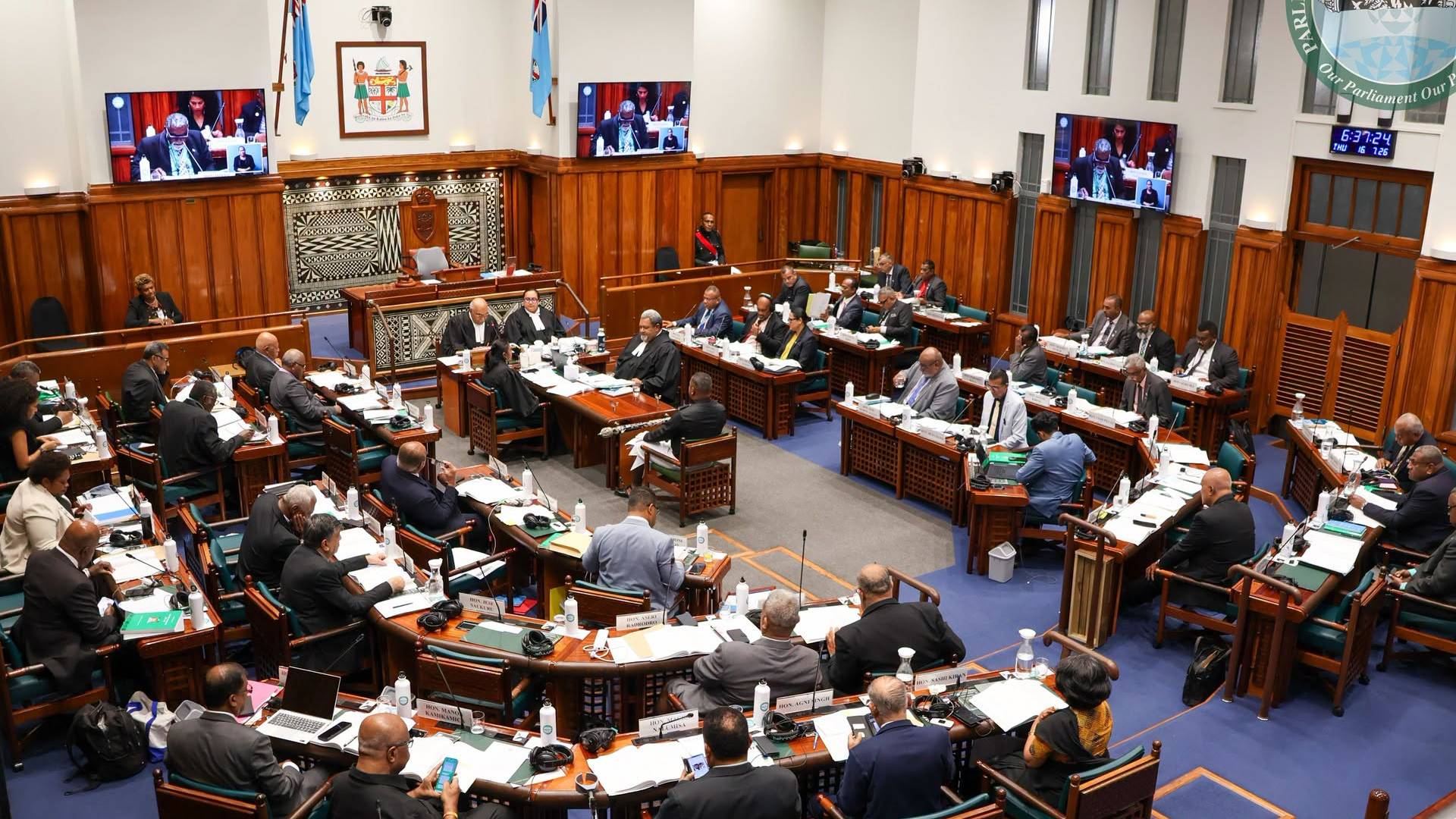 The 2026/2027 National Budget has been passed by Parliament.
This means the Bill to appropriate $4.237 billion for the ordinary services of Government for the financial year ending 31 July 2027 has been approved.
A total of 35 Members of Parliament voted in favour of the budget, while 10 voted against it and 10 abstained.
Govt to review Police and RFMF civilian staff payBy Temalesi Vono 17/07/2026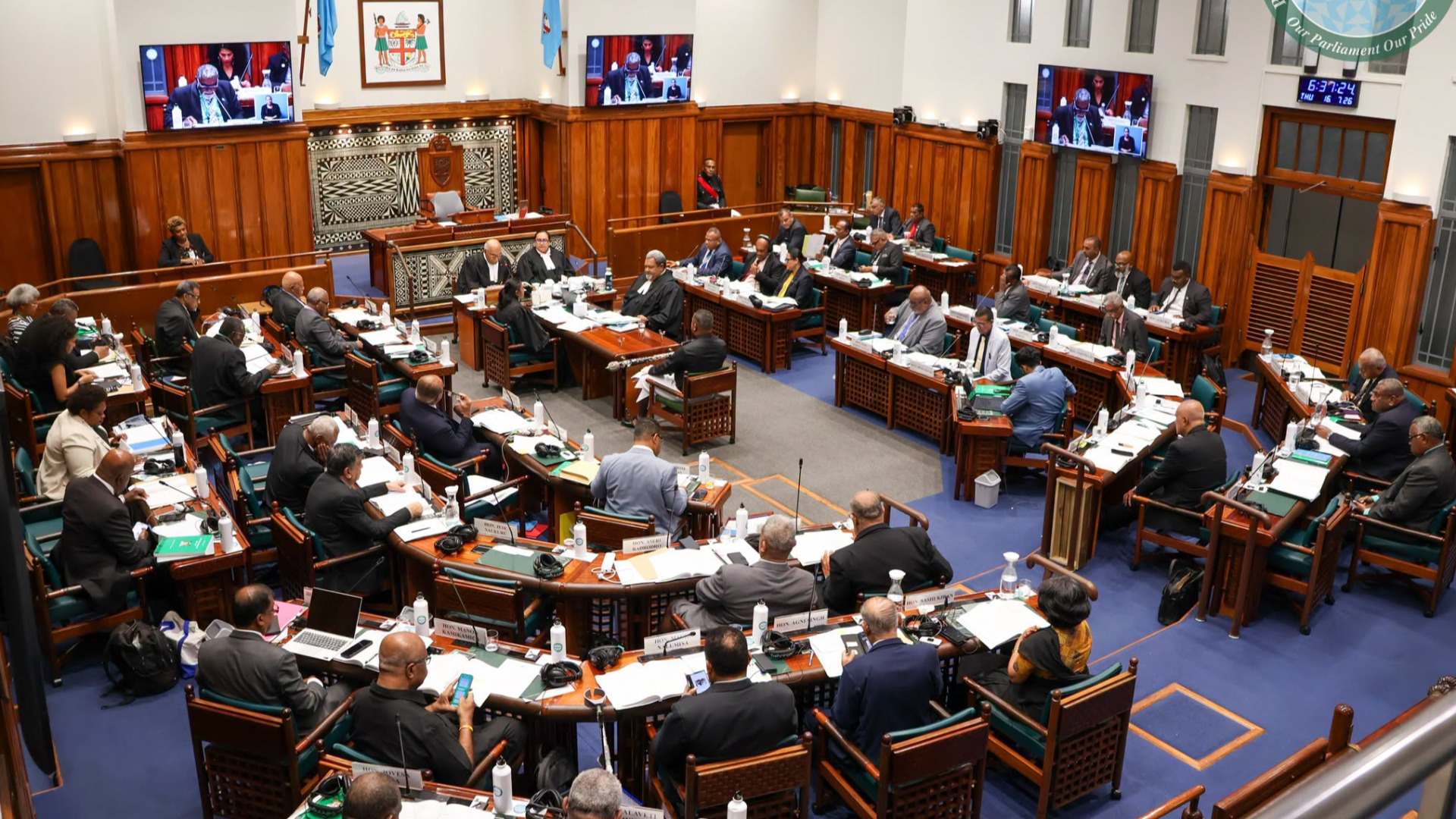 Picture: Fiji ParliamentThe Government will review the salary structure affecting civilian staff working within the Fiji Police Force and Republic of Fiji Military Forces (RFMF), following concerns raised that some employees were excluded from recent salary adjustments.
During the debate on the 2026-2027 National Budget, Opposition Leader Inia Seruiratu questioned why civilian employees within the disciplined services were not included in the recent 3 percent salary increase awarded to other civil servants.
Seruiratu says these workers are “falling within the cracks” whenever salary adjustments were made for service personnel and civil servants.
He urged the Government to use available funds, including the $5 million salary adjustment allocation.
Minister for Finance Esrom Immanuel says the difference in pay structures is due to civilian staff within the Fiji Police Force and RFMF operating under different salary progression systems compared with the wider civil service.
He explained that while civil servants are generally limited to progression up to Step 4 within a salary band, civilian staff within the security institutions may progress further depending on their structure.
Immanuel says the Government will look into the matter in the next financial year, including through a possible job evaluation process to find a long-term solution.
However, Opposition MP Jone Usamate argued that the explanation did not fully address the concern, saying workers performing duties under the same civil service salary scale should also benefit when adjustments are made.
Seruiratu maintained that the affected employees are losing out because the 3 percent salary increase applied across the civil service and should have included them.
Meanwhile, the Budget debate also highlighted several allocations for the Ministry of Defence and Ministry for Policing.
Defence Minister Pio Tikoduadua confirmed that the $2.5 million allocation for the new Republic of Fiji Military Forces (RFMF) Joint Logistics Command Warehouse was the first phase of a project estimated to cost $41 million.
The facility, to be built at Bayview Heights in Suva, will centralise procurement and distribution for RFMF operations, joint operations and humanitarian assistance and disaster response activities in the Central and Eastern divisions.
Tikoduadua says the $1.5 million allocated for the Maritime Surveillance Centre will cover operational expenses for the facility, which supports vessel monitoring, disaster monitoring, search and rescue planning, illegal fishing monitoring and border security efforts.
In the policing portfolio, Minister for Policing Ioane Naivalurua says the Government had a coordinated plan for the installation of CCTV cameras, including working with municipal councils and communities to connect monitoring systems.
However, Opposition MP Premila Kumar questioned whether Fiji had a national CCTV policy to address privacy concerns and ensure a coordinated approach.
Naivalurua says he has yet to see such a policy but acknowledges that it is an area that can be worked on.
Meanwhile, the 2026/2027 National Budget has been passed by Parliament.
A total of 35 Members of Parliament voted in favour of the budget, while 10 voted against it and 10 abstained.
During the debate on the 2026-2027 National Budget, Opposition Leader Inia Seruiratu questioned why civilian employees within the disciplined services were not included in the recent 3 percent salary increase awarded to other civil servants.
Seruiratu says these workers are “falling within the cracks” whenever salary adjustments were made for service personnel and civil servants.
He urged the Government to use available funds, including the $5 million salary adjustment allocation.
Minister for Finance Esrom Immanuel says the difference in pay structures is due to civilian staff within the Fiji Police Force and RFMF operating under different salary progression systems compared with the wider civil service.
He explained that while civil servants are generally limited to progression up to Step 4 within a salary band, civilian staff within the security institutions may progress further depending on their structure.
Immanuel says the Government will look into the matter in the next financial year, including through a possible job evaluation process to find a long-term solution.
However, Opposition MP Jone Usamate argued that the explanation did not fully address the concern, saying workers performing duties under the same civil service salary scale should also benefit when adjustments are made.
Seruiratu maintained that the affected employees are losing out because the 3 percent salary increase applied across the civil service and should have included them.
Meanwhile, the Budget debate also highlighted several allocations for the Ministry of Defence and Ministry for Policing.
Defence Minister Pio Tikoduadua confirmed that the $2.5 million allocation for the new Republic of Fiji Military Forces (RFMF) Joint Logistics Command Warehouse was the first phase of a project estimated to cost $41 million.
The facility, to be built at Bayview Heights in Suva, will centralise procurement and distribution for RFMF operations, joint operations and humanitarian assistance and disaster response activities in the Central and Eastern divisions.
Tikoduadua says the $1.5 million allocated for the Maritime Surveillance Centre will cover operational expenses for the facility, which supports vessel monitoring, disaster monitoring, search and rescue planning, illegal fishing monitoring and border security efforts.
In the policing portfolio, Minister for Policing Ioane Naivalurua says the Government had a coordinated plan for the installation of CCTV cameras, including working with municipal councils and communities to connect monitoring systems.
However, Opposition MP Premila Kumar questioned whether Fiji had a national CCTV policy to address privacy concerns and ensure a coordinated approach.
Naivalurua says he has yet to see such a policy but acknowledges that it is an area that can be worked on.
Meanwhile, the 2026/2027 National Budget has been passed by Parliament.
A total of 35 Members of Parliament voted in favour of the budget, while 10 voted against it and 10 abstained.
Maharaj questions continued funding for Truth and Reconciliation CommissionBy Mansi Chand 17/07/2026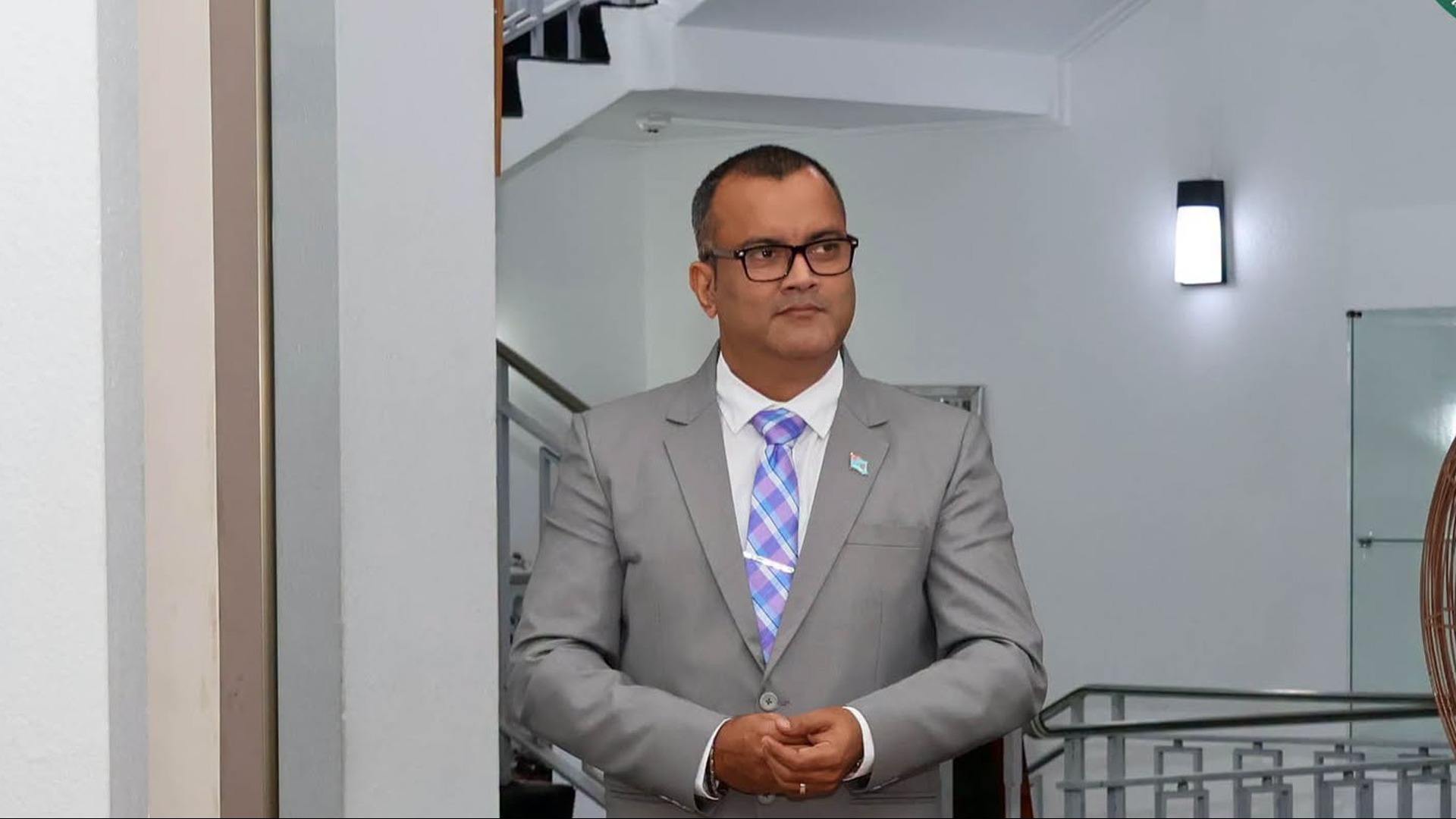 Fiji Parliament
Opposition MP Alvick Maharaj has questioned the continued funding for the Truth and Reconciliation Commission, saying it appeared to have become an ongoing programme after completing a full budget cycle.
Minister for Women, Children and Social Protection Sashi Kiran says consultations are expected to conclude around October or November, after which the Commission will begin drafting its report.
Kiran adds that the final report is expected to be submitted to the President between November and January.
Meanwhile, Opposition MPs also sought clarification on increased funding for the Fijian Competition and Consumer Commission, reduced funding for the Online Safety Commission, and the progress of the Truth and Reconciliation Commission.
Opposition MP Premila Kumar questioned why the FCCC's budget had increased and how the funding would be used.
Minister of Finance Esrom Immanuel says the FCCC's budget had increased by about $149,000.
He says the additional funding will cater for increased travel, subsistence, communication, vehicle maintenance and operations, as well as capital purchases for information technology.
Immanuel says that while there were reductions in some expenditure areas, the net increase for the FCCC was $149,000.
Opposition MP Faiyaz Koya also questioned the $362,000 reduction in the Online Safety Commission's budget, in light of what's happening nowadays.
Immanuel says the reductions are in marketing, public relations and awareness programmes, capital construction and capital purchases.
The Finance Minister says some of those capital costs would instead be paid for in the current financial year.
Opposition MP Alvick Maharaj has questioned the continued funding for the Truth and Reconciliation Commission, saying it appeared to have become an ongoing programme after completing a full budget cycle.
Minister for Women, Children and Social Protection Sashi Kiran says consultations are expected to conclude around October or November, after which the Commission will begin drafting its report.
Kiran adds that the final report is expected to be submitted to the President between November and January.
Meanwhile, Opposition MPs also sought clarification on increased funding for the Fijian Competition and Consumer Commission, reduced funding for the Online Safety Commission, and the progress of the Truth and Reconciliation Commission.
Opposition MP Premila Kumar questioned why the FCCC's budget had increased and how the funding would be used.
Minister of Finance Esrom Immanuel says the FCCC's budget had increased by about $149,000.
He says the additional funding will cater for increased travel, subsistence, communication, vehicle maintenance and operations, as well as capital purchases for information technology.
Immanuel says that while there were reductions in some expenditure areas, the net increase for the FCCC was $149,000.
Opposition MP Faiyaz Koya also questioned the $362,000 reduction in the Online Safety Commission's budget, in light of what's happening nowadays.
Immanuel says the reductions are in marketing, public relations and awareness programmes, capital construction and capital purchases.
The Finance Minister says some of those capital costs would instead be paid for in the current financial year.