Convictions for minor offences should be expunged to give young people a fair chance at employment and a fresh start.
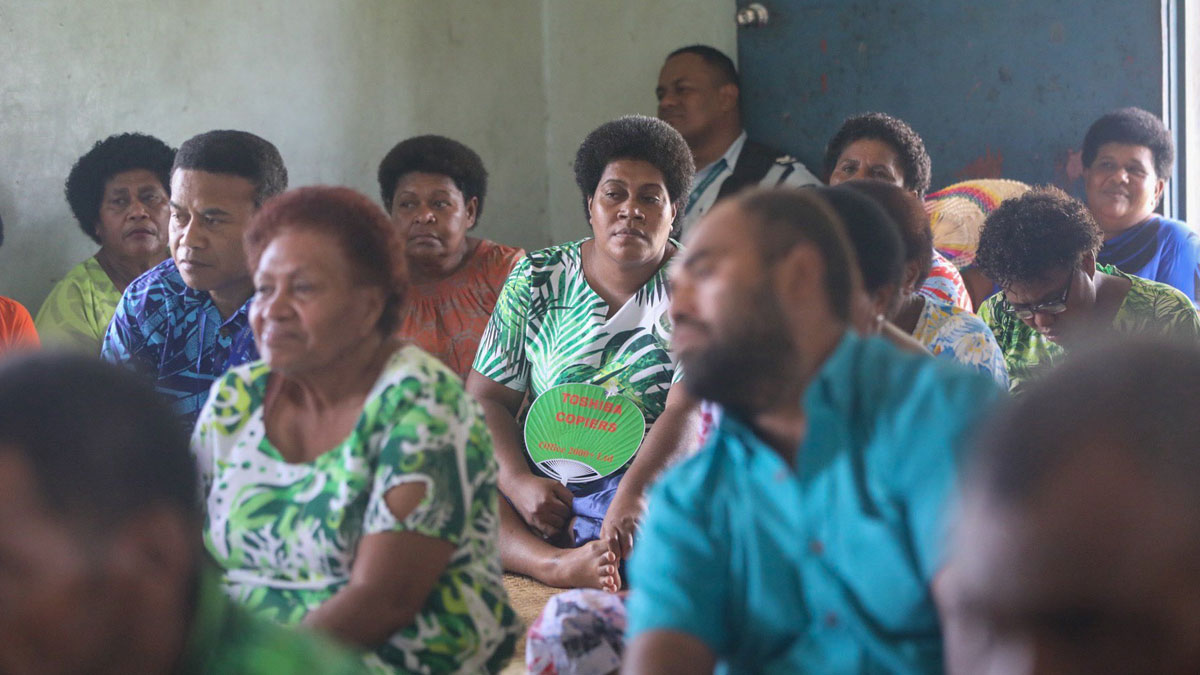
This was a request by the villagers in Galoa and Korovisilou in Serua to the Parliamentary Standing Committee on Justice, Law and Human Rights during consultations on the Criminal Records Bill.
Villagers from both communities voiced strong support for the expungement of certain historical convictions, saying criminal records for offences such as theft or trespassing continue to prevent many youths from securing jobs even after serving their sentences.
They told the Committee that the lack of employment opportunities often leaves young people idle in their communities, contributing to social problems and limiting their ability to rebuild their lives.
Villagers say their request is not about excusing crime, but about allowing those who have already served their punishment an opportunity to move forward and contribute positively to society.
Parliamentary Standing Committee Chair Ratu Rakuita Vakalalabure acknowledged the concerns raised, saying the submissions had been noted as part of the consultation process.
However, he stressed that serious offences such as rape and murder would not be considered for expungement under the law.
The calls come as provisions under the Criminal Records Bill allow certain historical convictions to be removed through a formal application process.
Under section 28 of the Bill, a person convicted of a historical offence, or a family member if the person is deceased, may apply to the Permanent Secretary responsible for Justice to have the conviction expunged.
Applications must be submitted in an approved form and include identifying information, details of the conviction and any supporting evidence.
The Permanent Secretary may request further information under section 29 and must consider investigation records, court proceedings and written evidence before making a determination, as outlined in section 30.
The Bill also sets specific tests for certain offences.
Under section 32, historical homosexual offences may be expunged if the conduct would no longer be considered an offence under current law and other legal tests are satisfied, including considerations around consent and age.
Under section 33, some historical larceny offences may be expunged where the offence occurred in the exercise of customary rights within traditional land, sea or waterways.
If approved, a conviction is expunged 28 days after the decision under section 35.
Applicants whose requests are refused may apply to the Mercy Commission for a review under section 37.
The Bill further states under section 44 that expungement does not entitle a person to compensation for prosecution, conviction or sentencing related to the historical offence.

Stay tuned for the latest news on our radio stations