A proposed electricity tariff increase could worsen Fiji’s growing social crisis, including rising crime, drug abuse, and poverty.
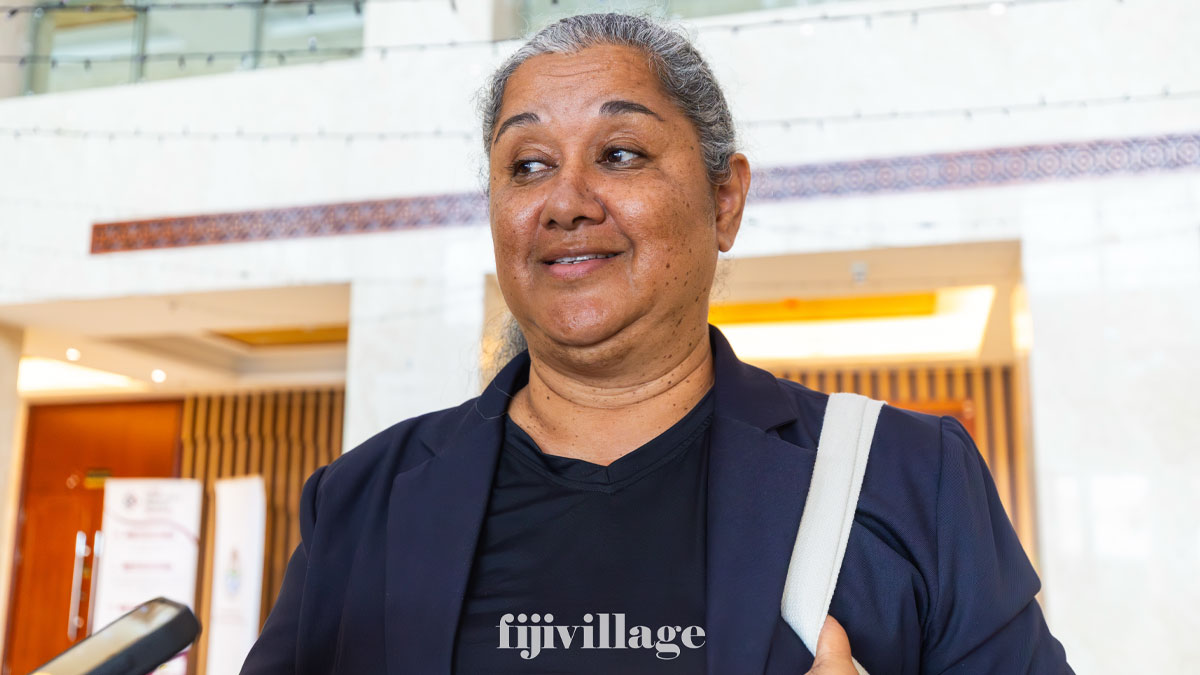
This concern was raised by Noleen Billings, a Project Consultant and member of the MSME Council, who attended the Fiji Commerce and Employers Federation’s submission on the proposed electricity tariff increase.
Speaking to fijivillage News, Billings warned that higher electricity costs would have far-reaching consequences beyond businesses, placing additional strain on hospitals, manufacturing operations, and the prison system.
INSERT: Billings on social crisis 10th Jan
Billings says the timing of the proposed increase is particularly concerning, coming shortly after a national wage increase, while many companies are still under financial pressure.
She stresses this could deepen poverty and contribute to higher crime rates.
Billings also challenged claims that electricity demand is being driven by development.
She questioned whether there is genuinely more construction and housing, or if it is simply increased use of appliances and phones that is pushing up power consumption.
She says that as a government-linked entity, Energy Fiji Limited has a responsibility to prioritise public welfare.
Billings also raised concerns over the lack of public inclusion in renewable energy planning, saying communities should be given opportunities to participate directly.
She adds that there is a lot of iTaukei land that could be used for solar farms, as well as rooftops where households could generate power.
When questioned on the consultation process, Billings says the engagement period appeared limited and may not have reached rural communities.
She believes broader and more meaningful public consultation is needed before decisions with significant social and economic impacts are finalised.