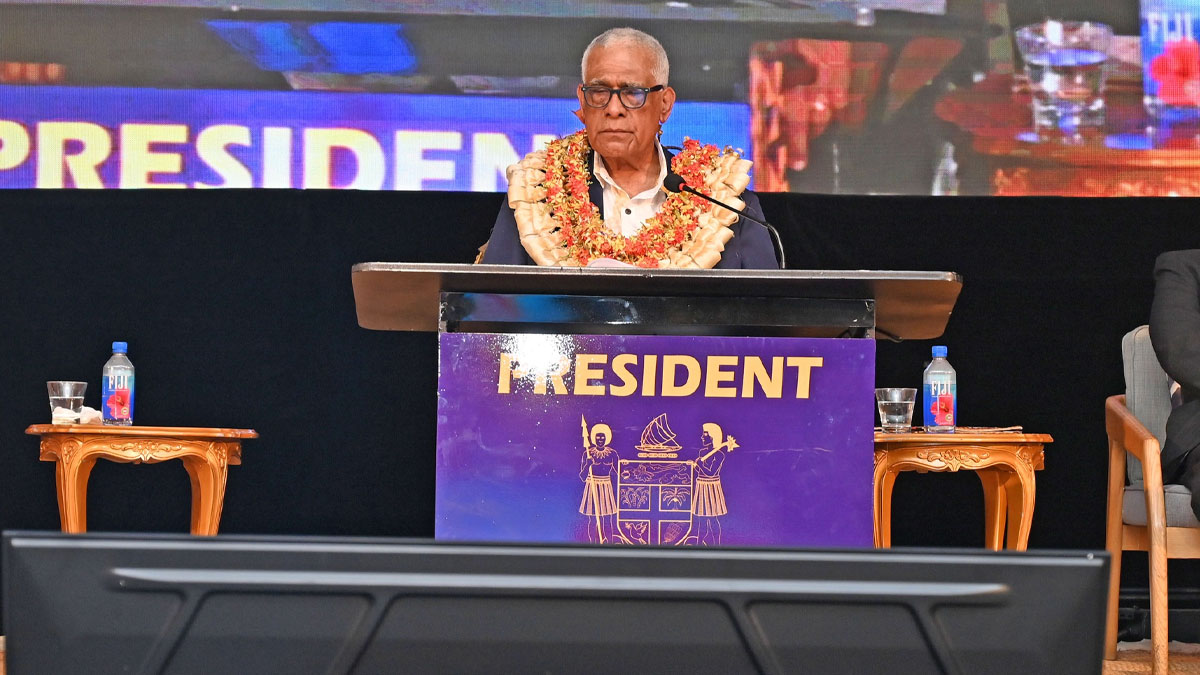
The principle of free, prior, informed consent or the requirement for effective consultations is crucial to the reform of our laws on native land and the Attorney General must work closely with the Great Council of Chiefs in this regard.
That is the comment of President, Ratu Naiqama Lalabalavu at the Attorney General's Conference at the Sheraton Hotel in Denarau.
Ratu Naiqama says a major topic in the conference program is Native Land Law — a legal framework that has facilitated national development of our major industries.
He says the law on native land is essential to our economically productive sectors including tourism, sugar and agriculture as well as the establishment of our cities and towns and the release of land for homes and communities.
The President says all over the world, land is deeply tied to identity, heritage, wellbeing and national development.
He says the examination of colonial legacies, institutional mandates, reversion principles, lease arrangements, and economic realities is to be commended.
Ratu Naiqama says the responsibility is to ensure a governance framework that protects customary ownership of land, and the prosperity and participation of landowners, while enabling all communities, and the nation to prosper.
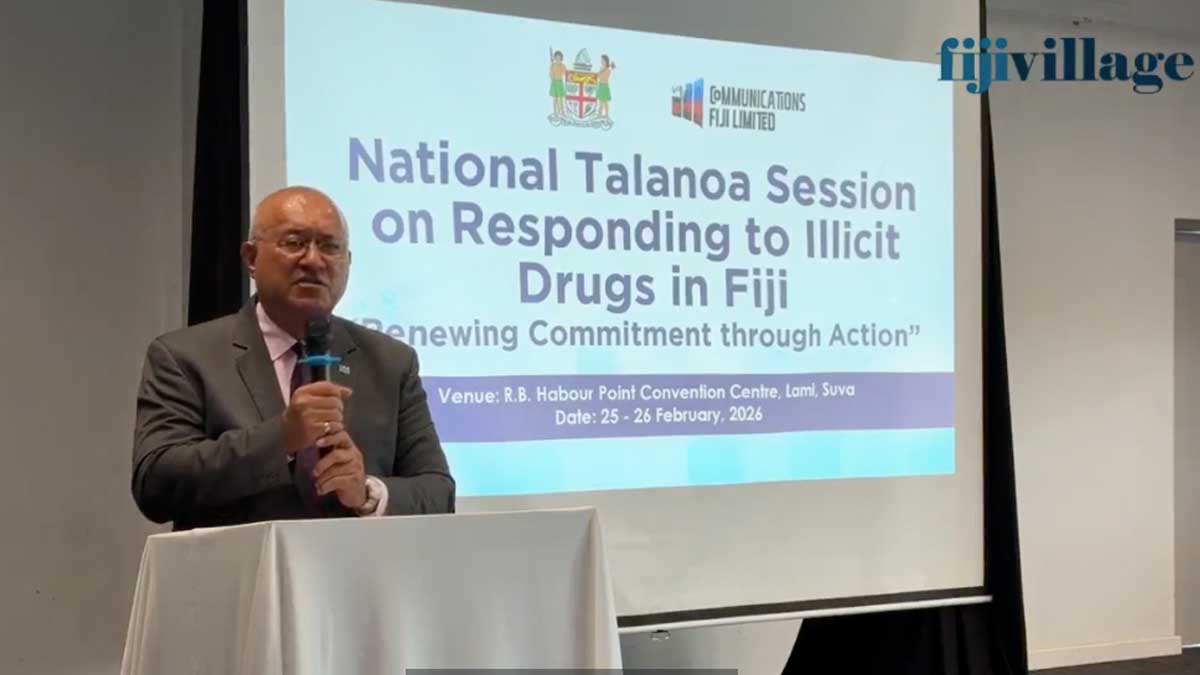
He adds the widespread use of illicit drugs particularly methamphetamine is now a national emergency.
Ratu Naiqama says the consequences are deeply felt in families, communities, and across society - it is now fueling an epidemic of HIV cases across the nation.
He says strengthening maritime surveillance, modernising enforcement tools, enhancing asset recovery laws, and fostering regional cooperation are all essential components of our national response to transnational crime.
The President says transnational crime is more than a policing issue — it is a direct threat to sovereignty, stability, and the rule of law and we face the possibility of an entire generation being lost to Drugs, HIV and AIDS.
He adds that Fiji must strengthen its legislation, build digital forensic capacity, expand international cooperation, enhance public digital literacy, and fortify national cyber infrastructure
to defend against these threats.