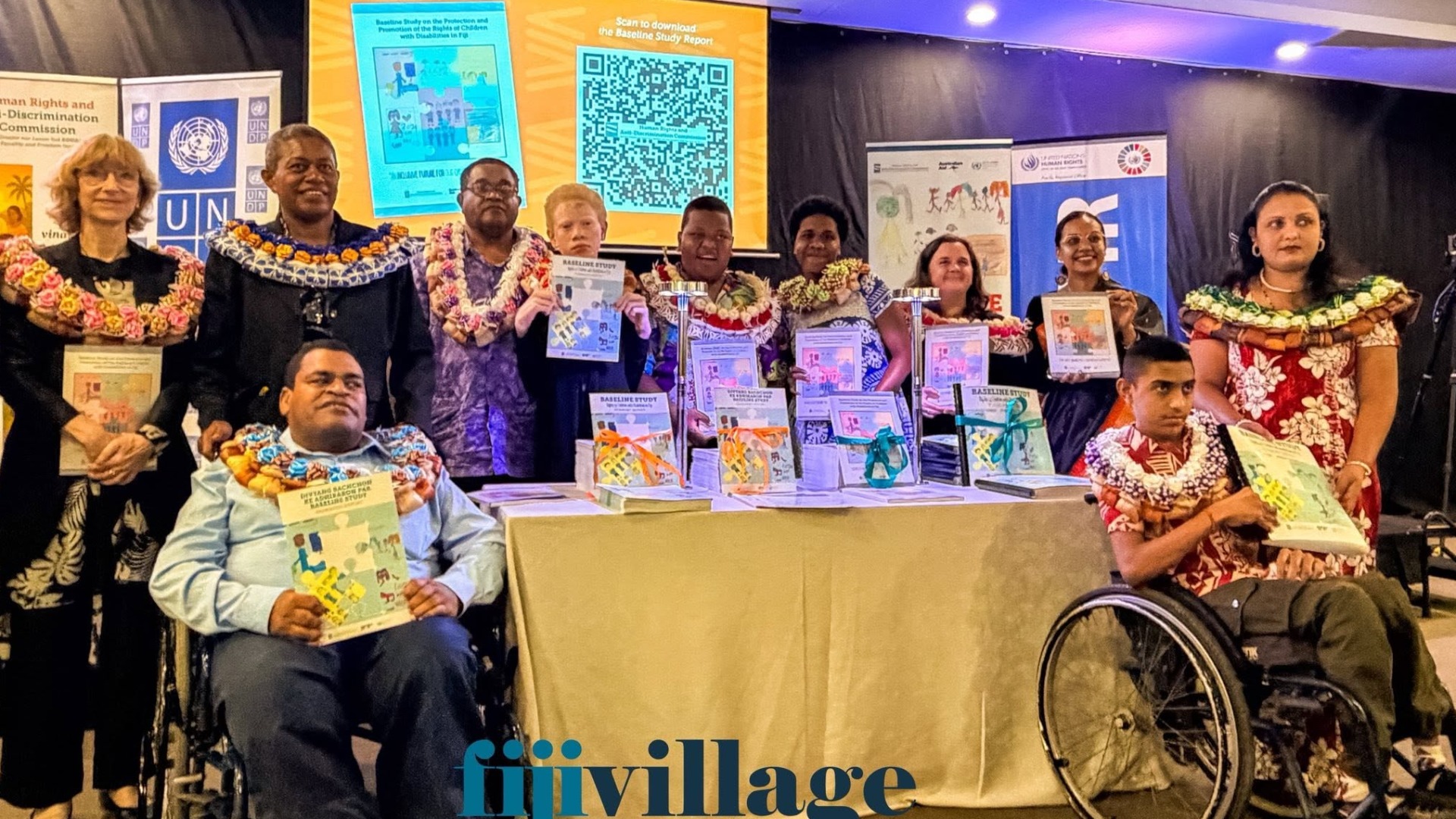
The Fiji Human Rights and Anti-Discrimination Commission launched the country's first national baseline study on the rights of children with disabilities, drawing on the experiences of children, their parents and caregivers to help guide future policies and services.
Speaking at the launch, Acting Permanent Secretary for the Ministry of Women, Children and Social Protection Selina Kuruleca says the report is about recognising children whose voices have too often gone unheard.
She says children with disabilities continue to face barriers such as inaccessible schools, limited transport, health services, stigma and discrimination, preventing them from participating fully in everyday life.
Kuruleca says the report goes beyond statistics because it captures the real stories of children and their families, giving the Government a better understanding of the challenges they face and helping shape policies and services that respond to their needs.
She says the findings will also help guide Fiji's National Action Plan to End Violence Against Children, ensuring children with disabilities are not left behind.
Human Rights Commissioner Veena Singh says while Fiji has made progress through legislation and awareness programmes, many children with disabilities still struggle to access education, healthcare and other essential services.
She says the report contains 24 recommendations covering education, health, social protection and justice, providing a roadmap to improve the lives of children with disabilities.
Singh also highlighted that the report has been translated into iTaukei, Hindi and Braille to ensure it is accessible to more people.
United Nations Pacific Regional Representative Heike Alefsen says the study should be used as a tool for action rather than becoming just another report, stressing that every child deserves the opportunity to participate fully in society.
Australian Government Counsellor for Human Development Emeline Cammack says the study reinforces the importance of ensuring children with disabilities can access education, healthcare and community life so they can reach their full potential.