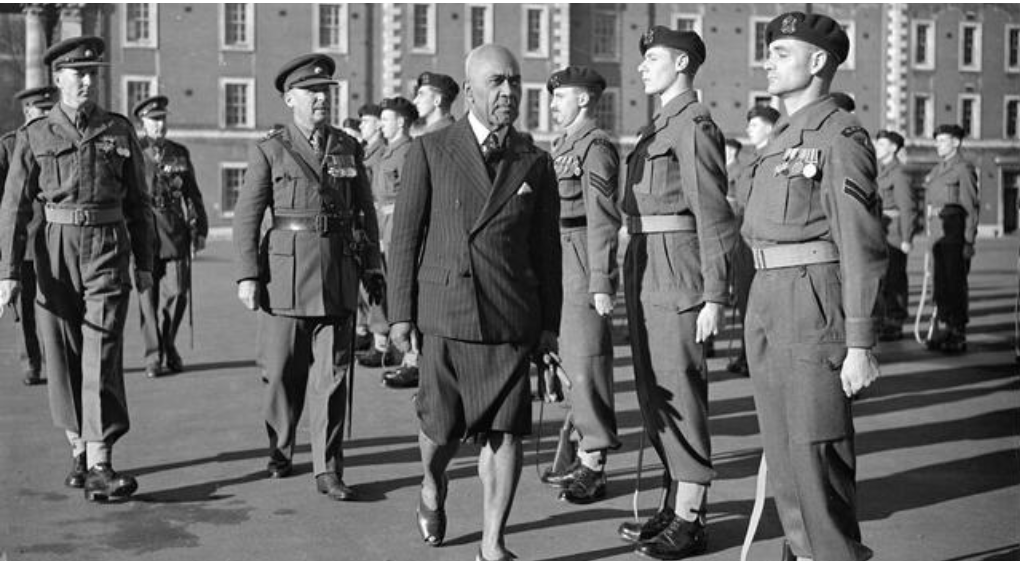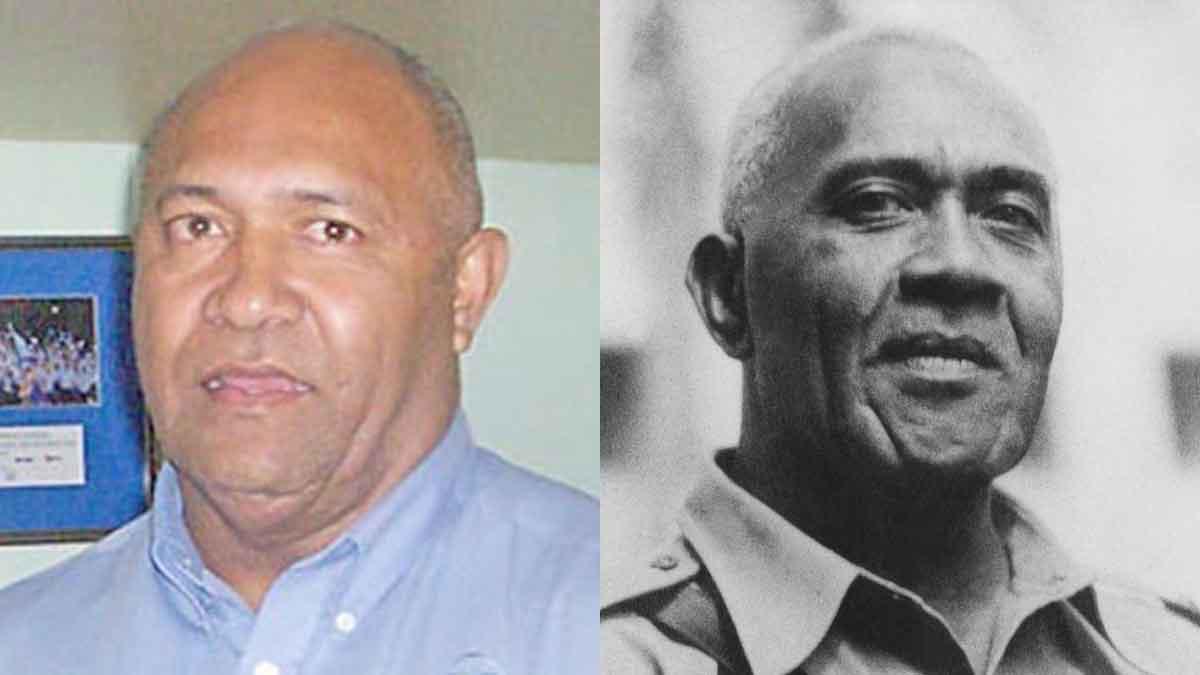
Few names in Fiji’s history command as much respect and admiration as Ratu Sir Josefa Lalabalavu Vana’ali’ali Sukuna. Ratu Sukuna is widely regarded as one of the principal architects of modern Fiji. His vision, intellect and leadership laid the foundations for the political, social and cultural structures that continue to shape the nation today.
As Fiji reflects on its identity, its unity and its future, the legacy of Ratu Sukuna remains not only relevant, but essential. One may well ask why a high chief, although well-educated, who lived and served in the colonial era should have any relevance to Fiji in the second decade of the twenty-first century? An age in which hierarchy and social class have been increasingly replaced by more horizontal and democratic societal structures. It is clear from Ratu Sir Lala’s writings that he was a fervent believer in the traditional system as the vehicle for delivering development for the iTaukei.
Ratu Sukuna was the best equipped Fijian leader in the 20th century. He was born a chief of the royal household of Bau. His grandfather Ratu Mara Kapaiwai was first cousins with Ratu Seru Cakobau. His mother was the eldest child of Tui Nayau paramount chief of Lau. As vasu levu of Lau his chiefly status was greatly enhanced.
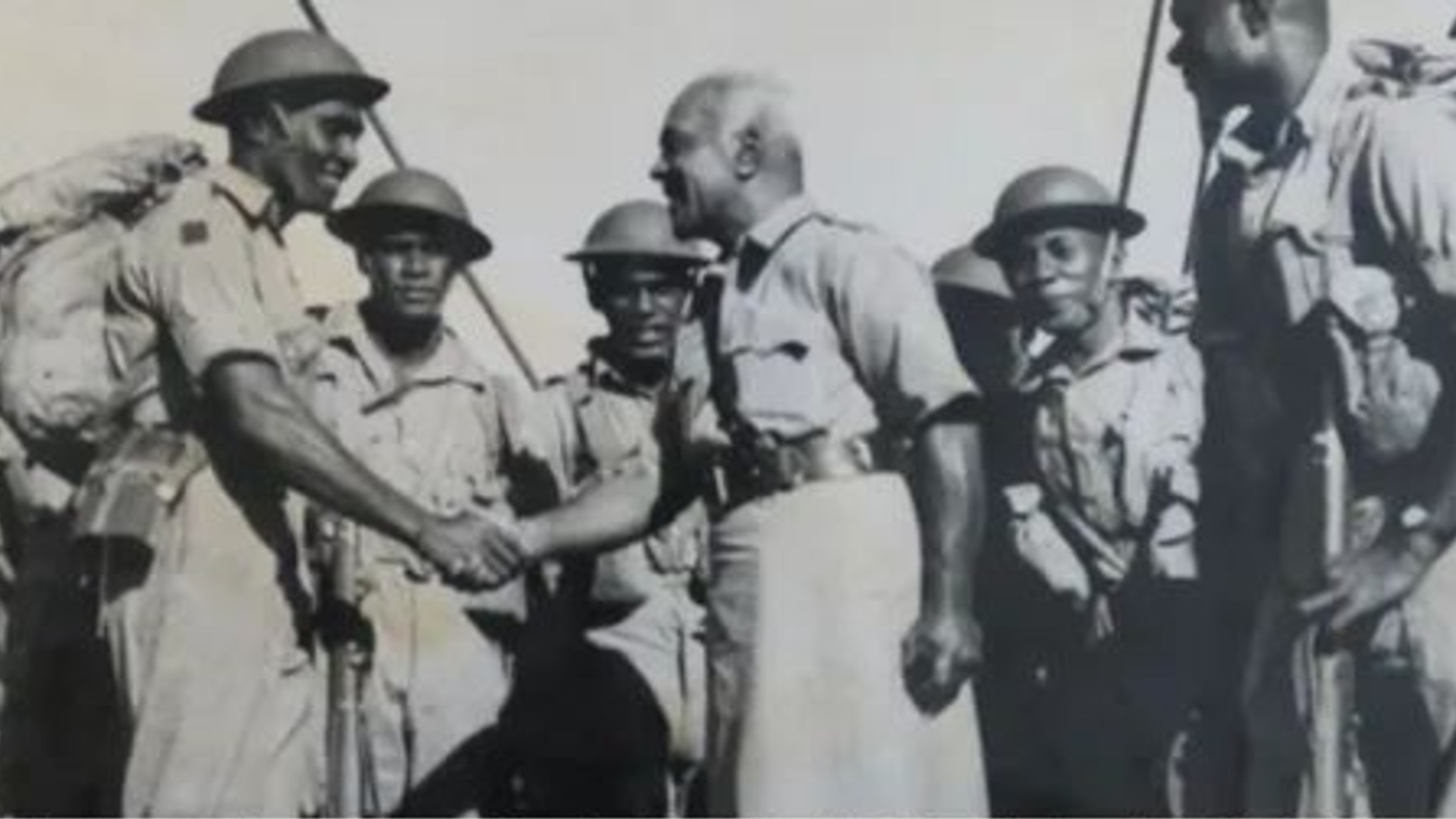
His work in the Native Lands Commission gave him unique insight into all the land owning Mataqali and Yavusa and he became the authority to all matters Fijian. He identified and groomed former late leaders like Ratu Edward Cakobau, Ratu Sir Kamisese Mara, Ratu Penaia Ganilau, and Ratu George Cakobau.
In scholarship Ratu Sukuna was primus inter pares or first among equals. He graduated from Wadham College, Oxford and was a barrister at law at the Middle Temple London. His studies were interrupted by the first world war. Notwithstanding this he crossed the English Channel and joined the French Foreign Legion where he was awarded the Medaille Militaire.
He was a man of noble birth, soldier of heroic deeds and a scholar of at world renowned university. He proved to be in his later career a renowned civil servant, a politician and ultimately as Speaker of the Legislative Council. Ratu Sukuna has been described as a man of two cultures. He acted as translator and intercessor in his life of these cultures.
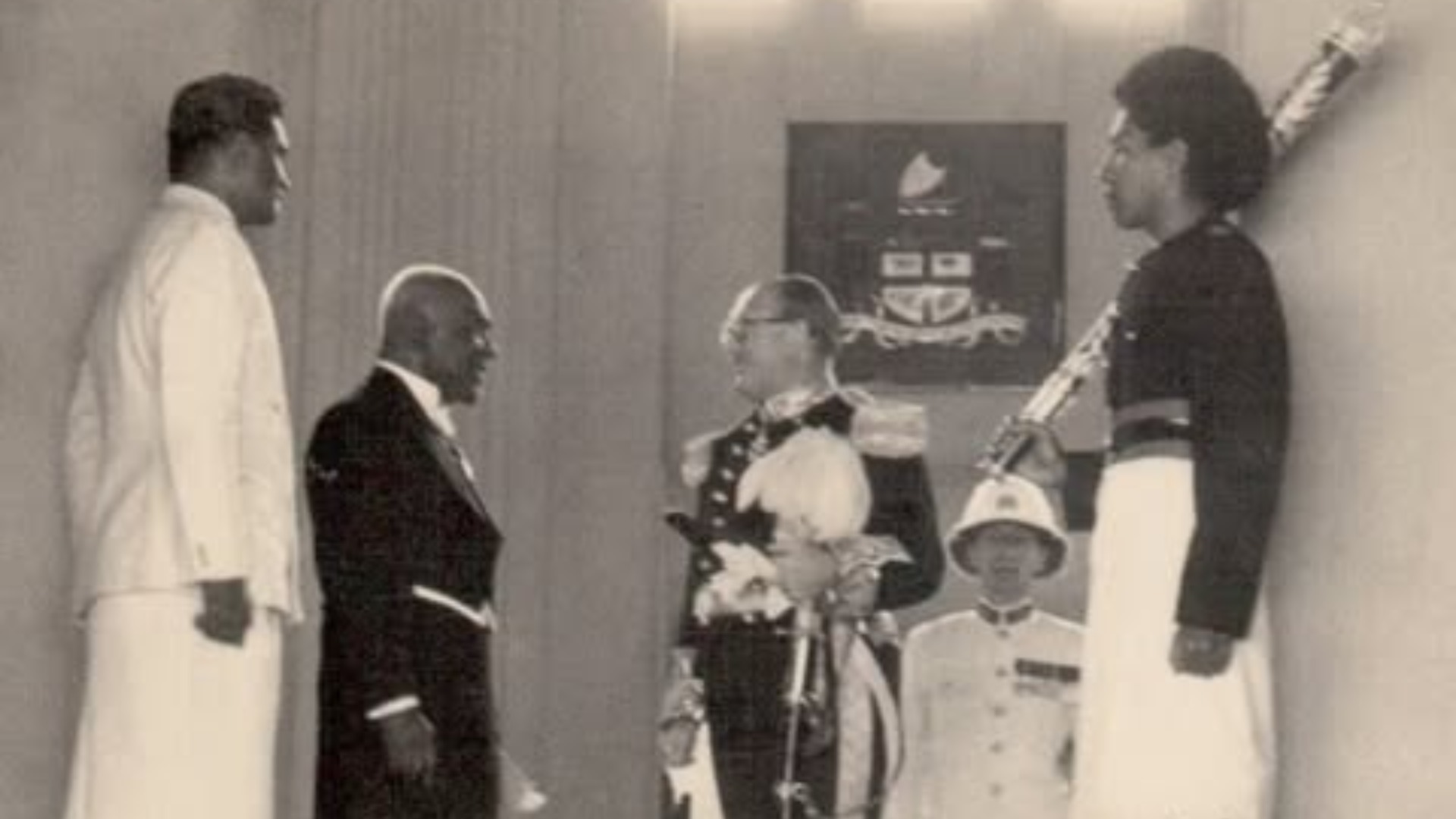
Born on April 22, 1888, on the chiefly island of Bau, Ratu Sukuna came from a distinguished lineage connected to both Bau and Lau. From an early age, it was evident that he possessed extraordinary intelligence and leadership qualities. He began his education at Wairuku Indian School in Ra before later attending Whanganui Collegiate School in New Zealand, where he excelled academically and in sports.
At a time when very few indigenous Fijians had access to overseas education, Ratu Sukuna broke barriers. He later studied at Wadham College, Oxford University, and eventually qualified as a barrister at the Middle Temple in London, becoming the first iTaukei Fijian university graduate and one of the earliest Pacific Islanders to receive formal legal training abroad.
Yet his greatness was not merely in academic achievement. It was his deep commitment to service that defined his life.
During the First World War, Ratu Sukuna sought to enlist in the British Army but was initially rejected because colonial authorities did not permit indigenous Fijians to serve in combat roles. Determined to contribute, he joined the French Foreign Legion and served courageously in Europe, where he was wounded and later awarded the prestigious Médaille Militaire for bravery.
His wartime experiences profoundly shaped his worldview. They exposed him to international politics, leadership and governance, while strengthening his understanding of discipline, sacrifice and nationhood.
Upon returning to Fiji, Ratu Sukuna entered public service and quickly emerged as a central figure in colonial administration. At a time of immense social and political transition, he became the bridge between indigenous Fijians and the colonial government. He understood both worlds deeply, the traditions and customs of the Vanua, and the complexities of modern governance.
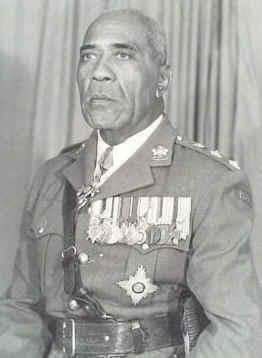
One of Ratu Sukuna’s greatest achievements was his role in the establishment of the Native Land Trust Board (NLTB) in 1940, now known as the iTaukei Land Trust Board.
It has been questioned in some quarters as hindering the development of land given the powers it has over a large portion of the country. Advocates of the free market object to those constraints as hindering investment and the ability of private enterprise to take initiatives in relation to land. The Board was established for the purpose of making land available for economic purposes, particularly for the growing of sugarcane, while safeguarding iTaukei ownership. At the time of its enactment in 1944, the legislation establishing the Board was hailed as a milestone in the history of the country: for the first time it made large tracts of land readily available for lease from one entity, a situation which had been previously unattainable. That it may, for various reasons, not have readily adjusted to changing economic circumstances as shrewdly as might have been hoped is not Ratu Sir Lala’s fault. Those are challenges for his current successors.
At the time, most indigenous land in Fiji was communally owned by the Mataqali, while increasing numbers of Indo-Fijian farmers required agricultural land for cultivation. Land leases were negotiated individually, often inconsistently and inefficiently. Ratu Sukuna recognised that without reform, tensions over land could threaten Fiji’s social stability and economic development.
His solution was revolutionary.
Through the NLTB system, indigenous ownership of land was protected while allowing land to be leased fairly and systematically for national development. This delicate balance preserved iTaukei identity and ancestral rights while supporting agriculture and economic growth for all communities.
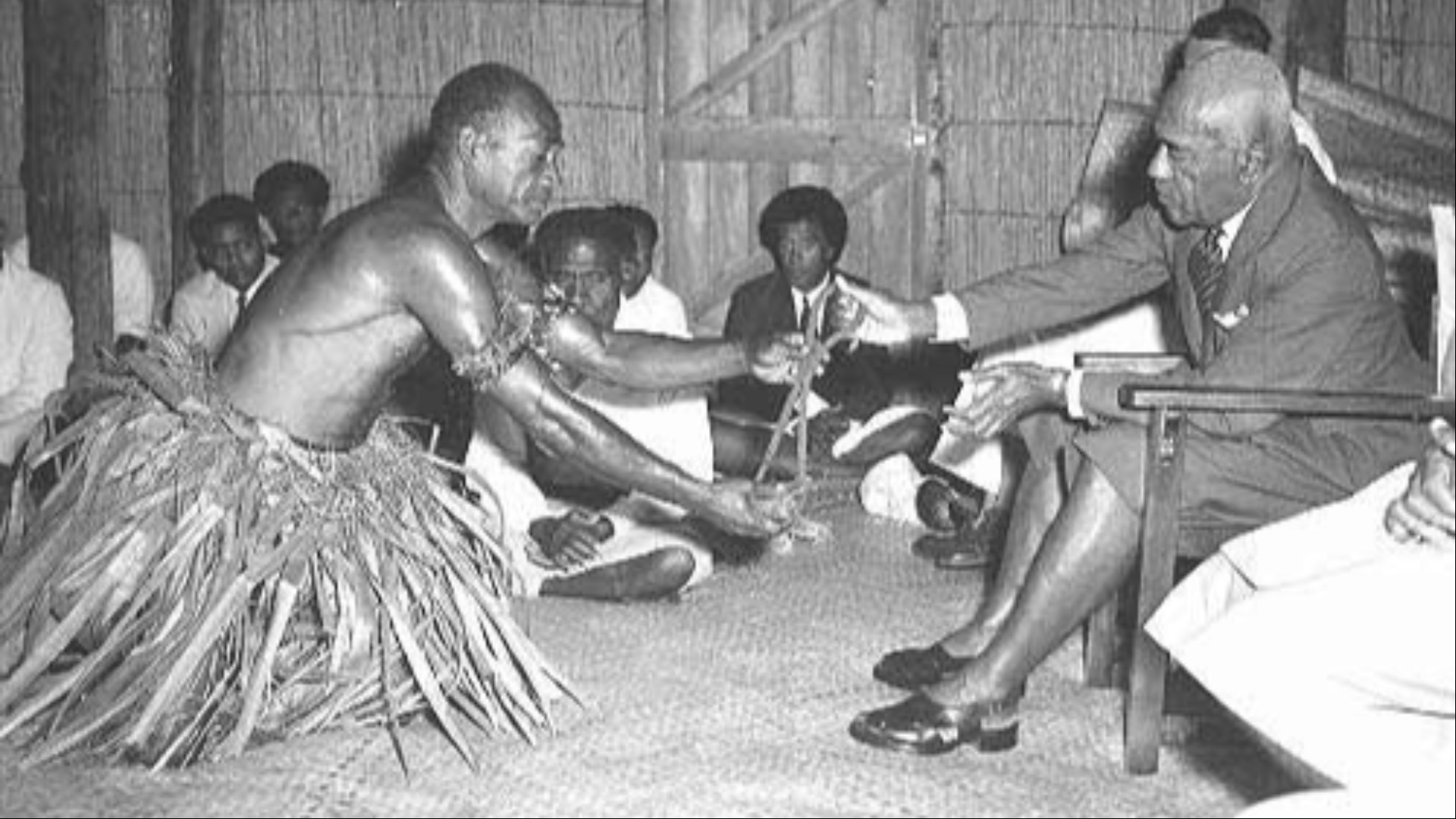
Importantly, persuading chiefs and landowning Mataqali to place their land under centralized administration was not easy. Ratu Sukuna personally travelled throughout Fiji explaining the proposal village by village. His credibility, chiefly standing and ability to communicate with ordinary people enabled him to secure trust and acceptance.
Many historians consider this one of the most important political achievements in Fiji’s history because it prevented widespread land alienation while ensuring national stability.
Ratu Sukuna also played a major role in strengthening indigenous administration and governance. He helped rebuild and modernize the Fijian Affairs system and re-established the Native Regulations Board, later known as the Fijian Affairs Board.
His leadership style combined traditional chiefly authority with strategic foresight. He believed that Fiji’s future depended on balancing modern development with cultural preservation. Unlike many leaders of his time, he did not see tradition and progress as enemies. Instead, he believed they could strengthen each other.
This philosophy remains one of his most enduring lessons for Fiji today.
In 1954, Ratu Sukuna became the first native-born Speaker of the Legislative Council, a historic milestone in Fiji’s political development. Though the Legislative Council had limited powers under colonial rule, it became an important training ground for future national leaders.
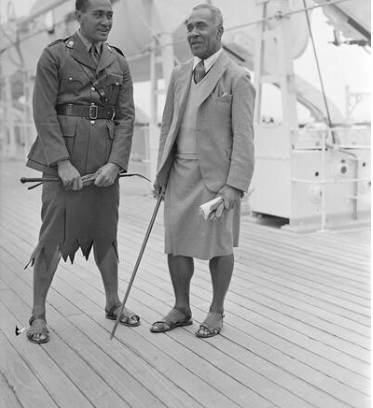
He also encouraged the formation of the Fijian Association in 1956, one of the earliest political organizations in Fiji and a precursor to modern political movements.
Beyond politics, Ratu Sukuna was a passionate advocate for education. He believed that the future of the Fijian people depended on knowledge, discipline and unity. Throughout his life he encouraged young Fijians to pursue education while remaining grounded in their culture and identity.
His own life was an example of that principle. Despite studying overseas and interacting with global powers, he remained deeply connected to the Vanua and to the responsibilities of traditional leadership.
Ratu Sukuna was eventually awarded numerous honours for his service, including a knighthood in 1946 and later the title of Knight Commander of the Order of St Michael and St George (KCMG).
But perhaps his greatest honour was the respect he earned from ordinary Fijians across all communities.
Even decades after his passing on May 30, 1958, Ratu Sukuna continues to be remembered as a leader who placed the interests of the nation above personal ambition. His name remains synonymous with integrity, wisdom, sacrifice and service.
Today, Fiji faces many challenges, economic pressures, social change, youth unemployment, migration, rising costs of living and growing concerns over national unity. In such times, the legacy of Ratu Sukuna offers important lessons.
What is compelling about this man is his sense of rectitude and probity. In over four decades of public service, no scandal ever touched his name. He died with very little to his name. In his dealings with people, he was courteous and respectful, irrespective of who or what they were.
One of his virtues was his accessibility to people. However, it ought to be remembered that these qualities were practiced in an environment where Ratu Sir Lala Sukuna was very much in control. In a very real sense, he could afford to be the genial and affable host. But it also bears remembering that almost none of those I know of, who knew him intimately and well, have ever described him as being either arrogant, conceited or opinionated.
He taught that leadership must be grounded in service.
He demonstrated that unity requires dialogue, understanding and mutual respect.
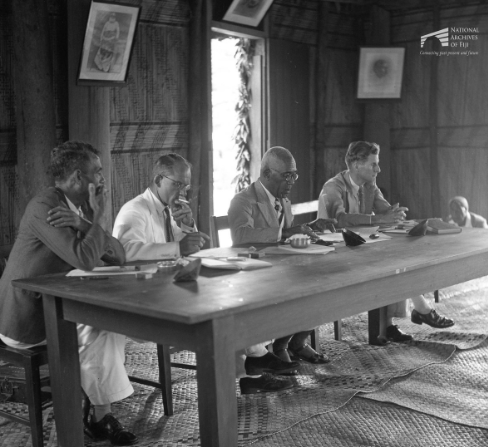
He showed that protecting culture and embracing progress can go hand in hand. Most importantly, he believed that Fiji’s strength lies in its people, their resilience, their values and their shared future.
What was his relationship with other communities like? It was generally good at a personal and individual level. He was somewhat guarded with some of the Indo-Fijian leaders like AD Patel and Swami Rudrananda and was close to others like SB Patel and Pandit Visnu Deo. B Raghvanand was a very close personal friend whom he appointed to the Native Lands Commission.
Modern Fiji, with all its diversity and complexity, still stands upon many of the foundations he helped build. From land administration to governance structures, from education to public service, the imprint of Ratu Sir Lala Sukuna remains deeply woven into the nation’s story.
As younger generations seek to understand the leaders who shaped Fiji, Ratu Sukuna’s life serves as a powerful reminder that true greatness is measured not by status or power, but by one’s contribution to the people and the nation.
More than a chief, he was a nation builder.
More than a statesman, he was a visionary.
And more than sixty years after his passing, the legacy of Ratu Sir Lala Sukuna continues to guide Fiji forward.