The show will focus on the work of the Commission, the processes involved, their timeline and issues surrounding concerns regarding the process of getting nationwide consultations, the submissions being received, and what are the most contentious issues amongst other matters.
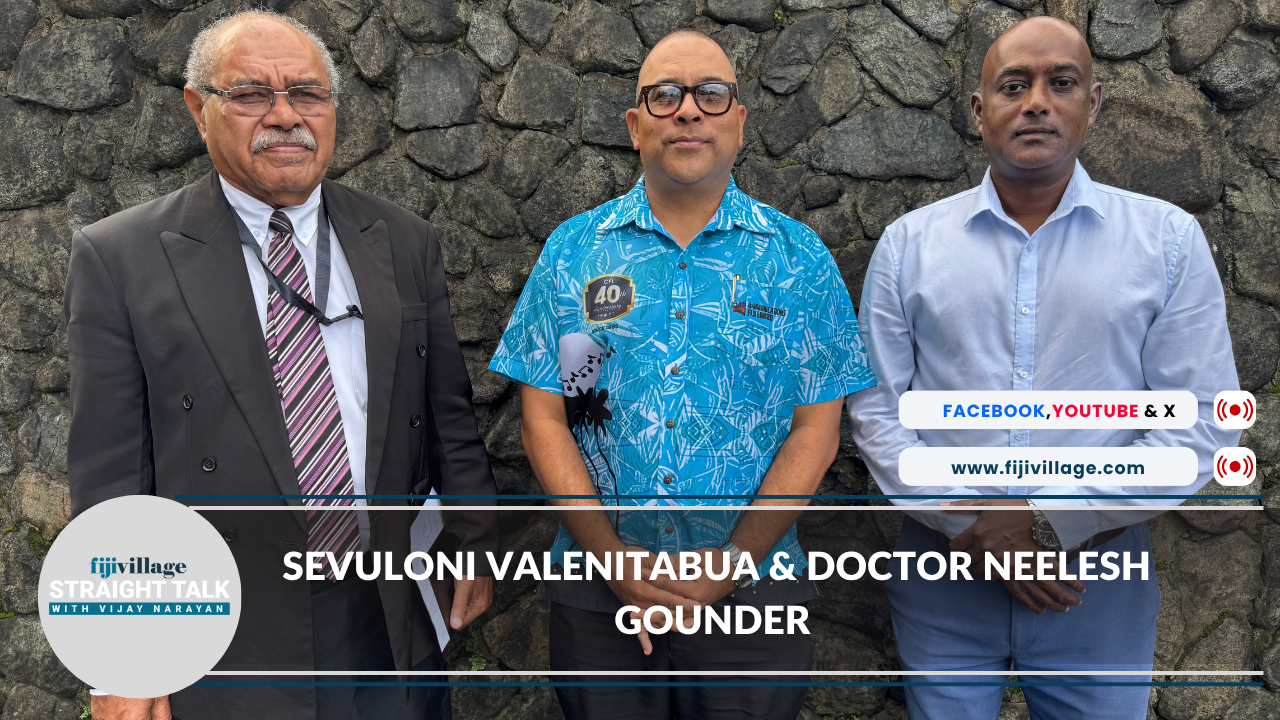
Valenitabua and Dr Gounder appear on fijivillage Straight TalkBy fijivillage 22/05/2026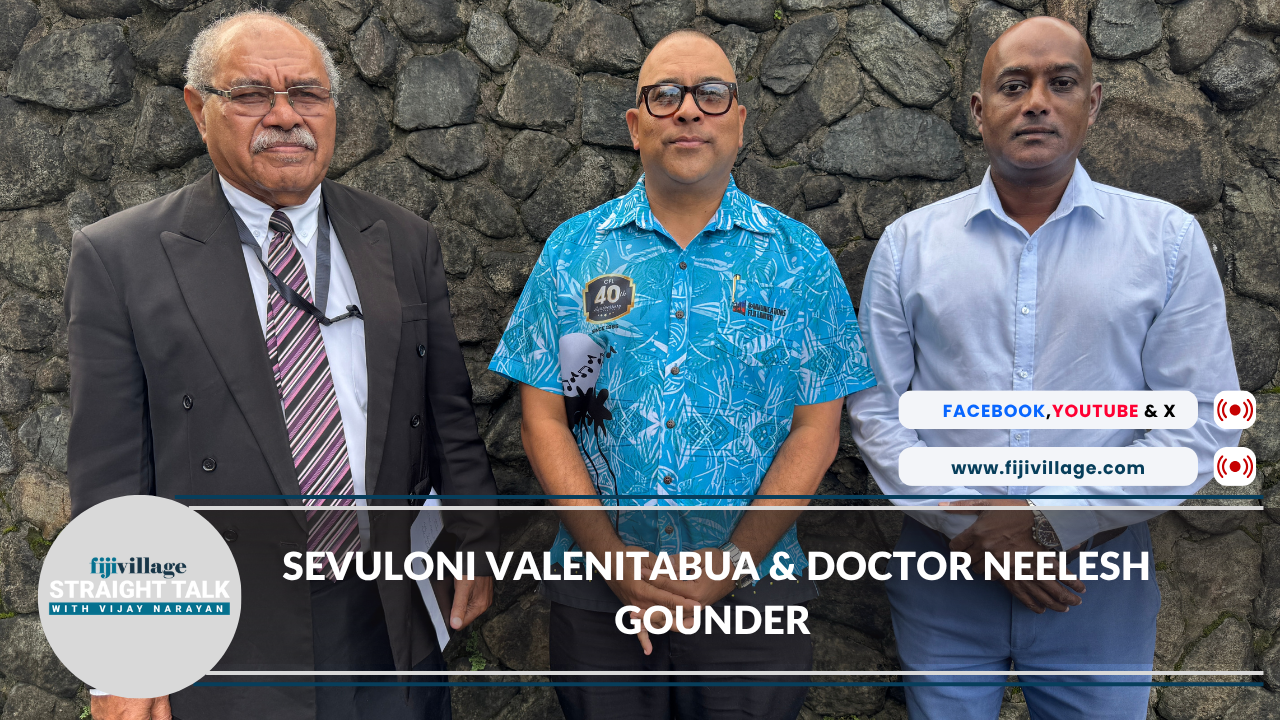 Chairman of the Constitution Review Commission, Sevuloni Valenitabua and Commission member, Doctor Neelesh Gounder, will appear on fijivillage Straight Talk With Vijay Narayan at 7 tonight.
The show will focus on the work of the Commission, the processes involved, their timeline and issues surrounding concerns regarding the process of getting nationwide consultations, the submissions being received, and what are the most contentious issues amongst other matters.
You can watch the show on our facebook page, YouTube channel, TikTok and X account, fijivillage at 7 tonight.
You can also catch the podcast, fijivillage Straight Talk With Vijay Narayan on Spotify and Apple Podcasts.
Number of submissions will not automatically decide constitutional changes - Constitution Review CommissionBy Priya Nand 21/05/2026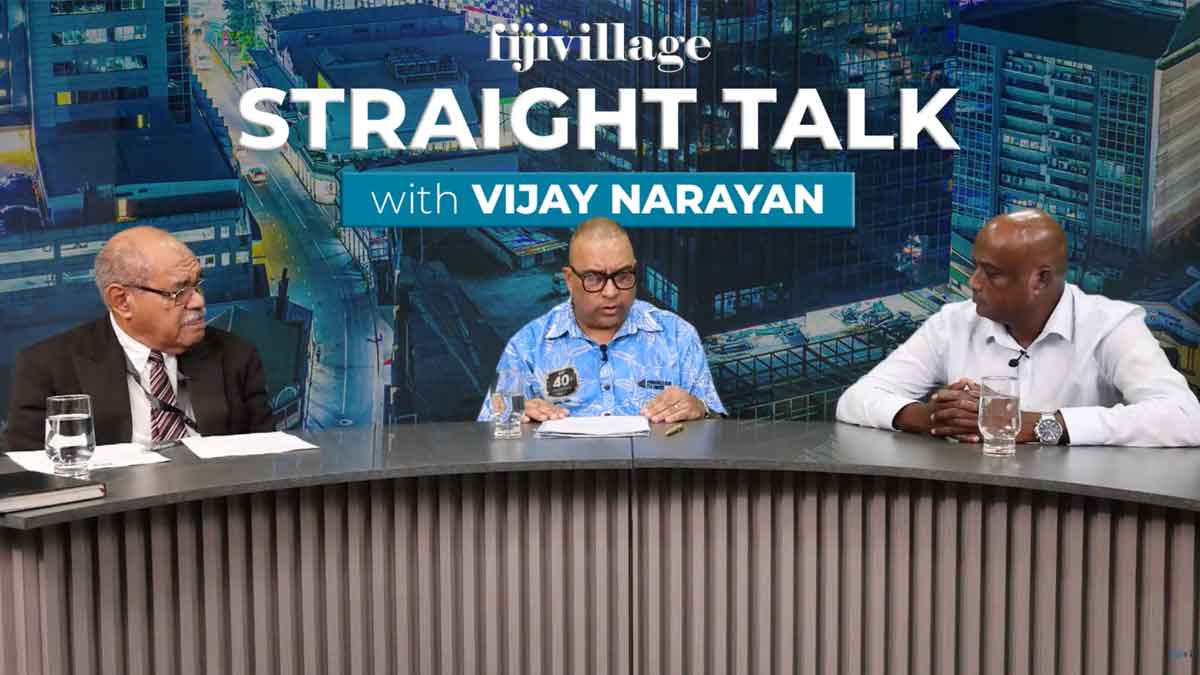 The Constitution Review Commission says the number of submissions received on a particular issue will not necessarily determine whether it will be recommended for change in the Constitution.
The clarification comes as the Commission travels around the country gathering views from Fijians on possible changes to the 2013 Constitution.
The review process was initiated after Government’s attempt to amend the Constitution failed in Parliament, and following the opinion of the Supreme Court, the Commission was appointed to carry out a review.
While answering questions on fijivillage Straight Talk with Vijay Narayan, Commission member, Dr Neelesh Gounder highlighted that analysing submissions is one of the most difficult tasks in the review process.
Dr Goundar says that if an issue has been highlighted by many people, it does not necessarily mean that the recommendation should dominate those issues.
He says they are guided by certain fundamental principles, and one of those is that the Constitution must focus on democratic governance.
He says if there are issues around reversing democratic governance, then they certainly cannot consider that.
Dr Gounder says the Commission will not simply collect submissions, but will carry out a deeper analysis on the logic behind each submission and how it fits into the future of Fiji.
He adds that factors such as separation of powers, social cohesion and national unity will also be considered.
INSERT: Dr Goundar on submissions 7th May
Chairman Sevuloni Valenitabua says the Commission has already begun collecting recommendations, views and suggestions through consultations across the country, and so far about 24 consultations have been carried out with targeted groups.
Valenitabua says all submissions, whether they are recommendations, views or general thoughts, will be collected and assessed.
He says these will later be compiled and used to formulate a document containing recommendations for amendments.
He stresses that the Commission’s role is to review the Constitution and recommend amendments, not to produce a new Constitution.
Valenitabua says after the analysis, the recommendations will be turned into a draft amendment Bill with the help of an overseas constitutional lawyer and legal drafter.
He adds that the Commission has six months to complete its work and submit its report to the President by 31st August, which will mark the end of the Commission’s work.
Concerns raised on whether constitution review process is being rushedBy Priya Nand 21/05/2026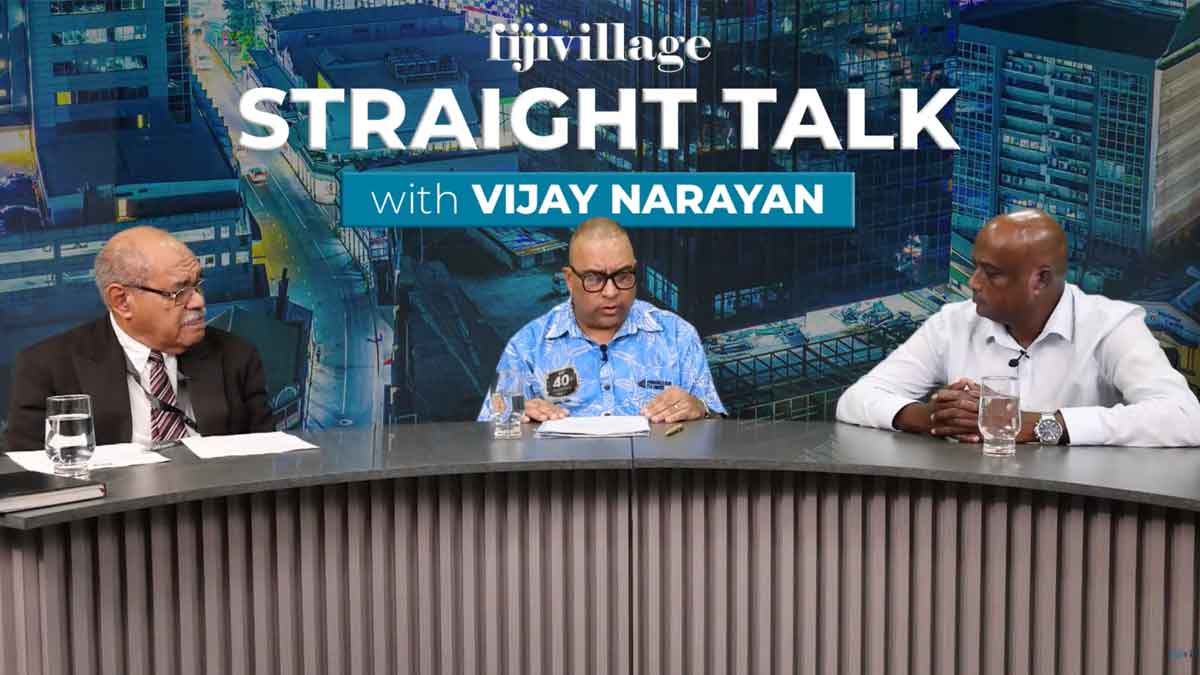
Concerns have been raised on whether Fiji’s Constitution review process is being rushed, as the Constitution Review Commission confirms it has six months to complete nationwide consultations and deliver its report and draft Bill.
The Commission was established to gather views from Fijians on possible changes to the 2013 Constitution.
The review process was initiated after Government’s attempt to amend the Constitution failed in Parliament, and following the opinion of the Supreme Court, the Commission was appointed to carry out a review.
Speaking on fijivillage Straight Talk with Vijay Narayan, Commission member Dr Neelesh Goundar says while concerns have been raised about time constraints, the Commission is working within its six-month mandate.
Dr Goundar says comparisons with previous constitutional processes are not the same as the current exercise as ethnic divide was really big at that time and a lot of effort was needed to be done in terms of public consultation and work around education and awareness.
INSERT: Goundar on amendment time 10th May
He says while more time would always be beneficial, the Commission is supported by a strong secretariat handling submissions, analysis and public awareness.
Dr Goundar says the process is also being made inclusive, with consultations held in both rural and urban areas to ensure broad participation.
Constitution Review Commission Chairperson Sevuloni Valenitabua says they have already conducted around 24 consultations so far, including targeted groups and public engagements.
He says the process is now moving into nationwide consultations across the islands and this month and next month, they are travelling throughout the country.
He says two teams have been deployed, supported by staff including Hansard reporters, IT officers and policy officers who will compile all submissions.
Valenitabua says once consultations are completed, the Commission will have the next two months to analyse submissions and prepare its report which needs to be submited to the President by 31st August, marking the end of the Commission’s work.
Concerns were also raised on staying politically neutral as the Commission operates from the same building that houses the Office of the Attorney-General and the Office of the Solicitor General.
In response, Valenitabua says the Commission operates as a fully independent body.
INSERT: Valenitabua on Commission's operation 10th May
Valenitabua says seconded officers from various ministries are working under the Commission, but all decisions are made internally.
Dr Goundar reinforces that position, saying the Commission's daily work is not directed by Government and decisions on consultation venues, stakeholder engagement and media interaction are all made by the Commission itself.
He says political neutrality also extends to analysis of submissions, where the Commission must assess ideas on merit rather than political influence or numbers alone.
The clarification comes as the Commission travels around the country gathering views from Fijians on possible changes to the 2013 Constitution.
The review process was initiated after Government’s attempt to amend the Constitution failed in Parliament, and following the opinion of the Supreme Court, the Commission was appointed to carry out a review.
While answering questions on fijivillage Straight Talk with Vijay Narayan, Commission member, Dr Neelesh Gounder highlighted that analysing submissions is one of the most difficult tasks in the review process.
Dr Goundar says that if an issue has been highlighted by many people, it does not necessarily mean that the recommendation should dominate those issues.
He says they are guided by certain fundamental principles, and one of those is that the Constitution must focus on democratic governance.
He says if there are issues around reversing democratic governance, then they certainly cannot consider that.
Dr Gounder says the Commission will not simply collect submissions, but will carry out a deeper analysis on the logic behind each submission and how it fits into the future of Fiji.
He adds that factors such as separation of powers, social cohesion and national unity will also be considered.
Chairman Sevuloni Valenitabua says the Commission has already begun collecting recommendations, views and suggestions through consultations across the country, and so far about 24 consultations have been carried out with targeted groups.
Valenitabua says all submissions, whether they are recommendations, views or general thoughts, will be collected and assessed.
He says these will later be compiled and used to formulate a document containing recommendations for amendments.
He stresses that the Commission’s role is to review the Constitution and recommend amendments, not to produce a new Constitution.
Valenitabua says after the analysis, the recommendations will be turned into a draft amendment Bill with the help of an overseas constitutional lawyer and legal drafter.
He adds that the Commission has six months to complete its work and submit its report to the President by 31st August, which will mark the end of the Commission’s work.
Concerns raised on whether constitution review process is being rushedBy Priya Nand 21/05/2026Concerns have been raised on whether Fiji’s Constitution review process is being rushed, as the Constitution Review Commission confirms it has six months to complete nationwide consultations and deliver its report and draft Bill.
The Commission was established to gather views from Fijians on possible changes to the 2013 Constitution.
The review process was initiated after Government’s attempt to amend the Constitution failed in Parliament, and following the opinion of the Supreme Court, the Commission was appointed to carry out a review.
Speaking on fijivillage Straight Talk with Vijay Narayan, Commission member Dr Neelesh Goundar says while concerns have been raised about time constraints, the Commission is working within its six-month mandate.
Dr Goundar says comparisons with previous constitutional processes are not the same as the current exercise as ethnic divide was really big at that time and a lot of effort was needed to be done in terms of public consultation and work around education and awareness.
INSERT: Goundar on amendment time 10th May
He says while more time would always be beneficial, the Commission is supported by a strong secretariat handling submissions, analysis and public awareness.
Dr Goundar says the process is also being made inclusive, with consultations held in both rural and urban areas to ensure broad participation.
Constitution Review Commission Chairperson Sevuloni Valenitabua says they have already conducted around 24 consultations so far, including targeted groups and public engagements.
He says the process is now moving into nationwide consultations across the islands and this month and next month, they are travelling throughout the country.
He says two teams have been deployed, supported by staff including Hansard reporters, IT officers and policy officers who will compile all submissions.
Valenitabua says once consultations are completed, the Commission will have the next two months to analyse submissions and prepare its report which needs to be submited to the President by 31st August, marking the end of the Commission’s work.
Concerns were also raised on staying politically neutral as the Commission operates from the same building that houses the Office of the Attorney-General and the Office of the Solicitor General.
In response, Valenitabua says the Commission operates as a fully independent body.
INSERT: Valenitabua on Commission's operation 10th May
Valenitabua says seconded officers from various ministries are working under the Commission, but all decisions are made internally.
Dr Goundar reinforces that position, saying the Commission's daily work is not directed by Government and decisions on consultation venues, stakeholder engagement and media interaction are all made by the Commission itself.
He says political neutrality also extends to analysis of submissions, where the Commission must assess ideas on merit rather than political influence or numbers alone.
Concerns have been raised on whether Fiji’s Constitution review process is being rushed, as the Constitution Review Commission confirms it has six months to complete nationwide consultations and deliver its report and draft Bill.
The Commission was established to gather views from Fijians on possible changes to the 2013 Constitution.
The review process was initiated after Government’s attempt to amend the Constitution failed in Parliament, and following the opinion of the Supreme Court, the Commission was appointed to carry out a review.
Speaking on fijivillage Straight Talk with Vijay Narayan, Commission member Dr Neelesh Goundar says while concerns have been raised about time constraints, the Commission is working within its six-month mandate.
Dr Goundar says comparisons with previous constitutional processes are not the same as the current exercise as ethnic divide was really big at that time and a lot of effort was needed to be done in terms of public consultation and work around education and awareness.
INSERT: Goundar on amendment time 10th May
He says while more time would always be beneficial, the Commission is supported by a strong secretariat handling submissions, analysis and public awareness.
Dr Goundar says the process is also being made inclusive, with consultations held in both rural and urban areas to ensure broad participation.
Constitution Review Commission Chairperson Sevuloni Valenitabua says they have already conducted around 24 consultations so far, including targeted groups and public engagements.
He says the process is now moving into nationwide consultations across the islands and this month and next month, they are travelling throughout the country.
He says two teams have been deployed, supported by staff including Hansard reporters, IT officers and policy officers who will compile all submissions.
Valenitabua says once consultations are completed, the Commission will have the next two months to analyse submissions and prepare its report which needs to be submited to the President by 31st August, marking the end of the Commission’s work.
Concerns were also raised on staying politically neutral as the Commission operates from the same building that houses the Office of the Attorney-General and the Office of the Solicitor General.
In response, Valenitabua says the Commission operates as a fully independent body.
INSERT: Valenitabua on Commission's operation 10th May
Valenitabua says seconded officers from various ministries are working under the Commission, but all decisions are made internally.
Dr Goundar reinforces that position, saying the Commission's daily work is not directed by Government and decisions on consultation venues, stakeholder engagement and media interaction are all made by the Commission itself.
He says political neutrality also extends to analysis of submissions, where the Commission must assess ideas on merit rather than political influence or numbers alone.