The iTaukei Land Trust Board has rolled out a dedicated low-interest financial facility to help iTaukei landowners break through long-standing barriers to agricultural financing, as communal land ownership continues to lock many farmers out of commercial bank loans.
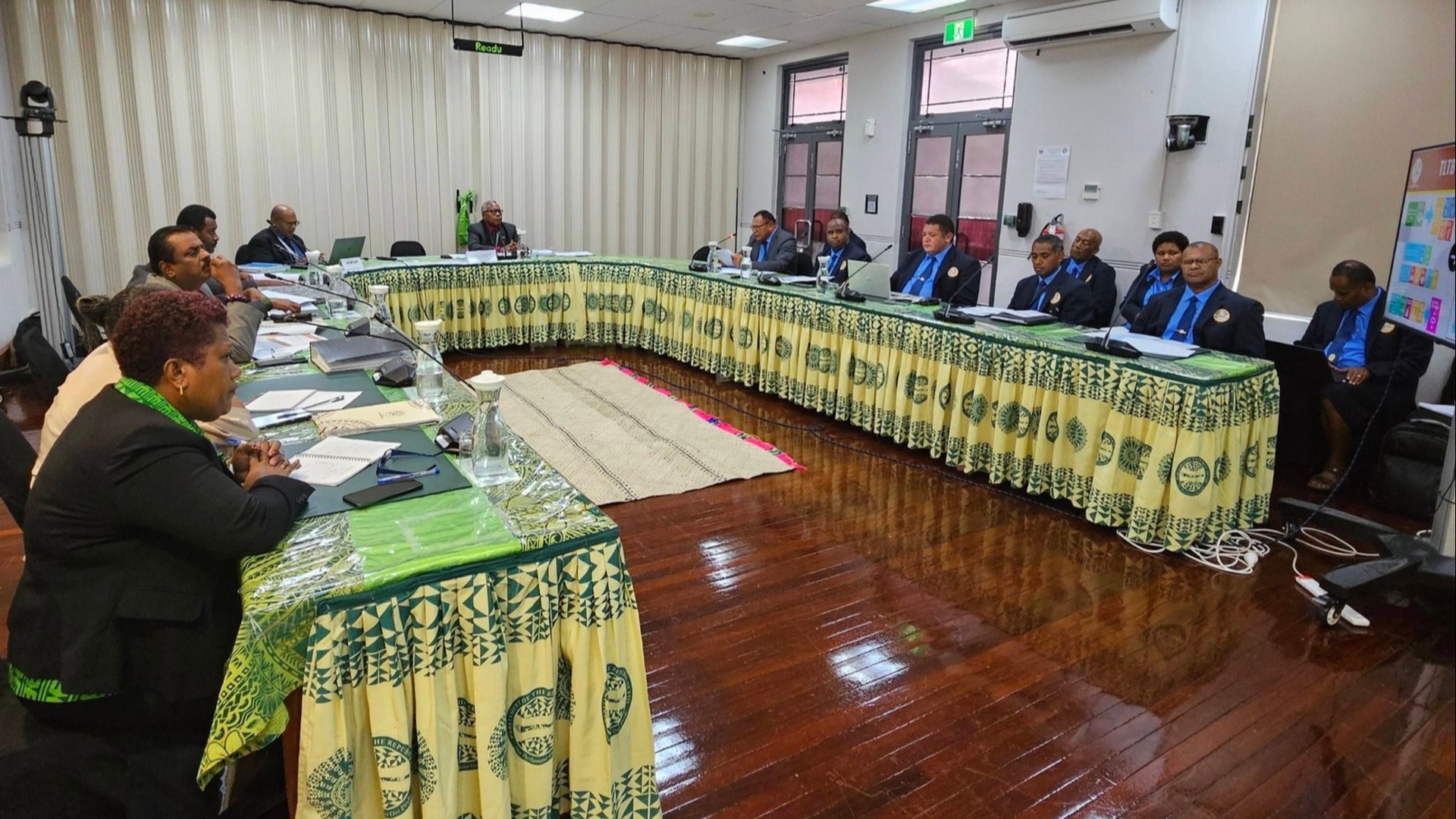
Appearing before the Parliamentary Standing Committee on Social Affairs, TLTB CEO Solomone Nata says the initiative, established at the end of 2023, is already delivering tangible results for mataqali and individual landowners seeking to expand into large-scale livestock farming and agriculture.
Standing Committee chair Iliesa Vanawalu highlighted the core challenge facing iTaukei farmers; that most native land is communally owned by mataqali within a yavusa, making it impossible for individuals to use land as collateral.
In response, Nata confirmed it has ring-fenced 10 percent of all lease income received by the Board from 1 January 2024 to fund the new facility.
Nata says to date, nearly $5 million has been distributed to landowners who are unable to access commercial banking services.
He acknowledged that strict lending requirements imposed by banks have historically excluded many iTaukei landowners.
Under the Board’s scheme, Nata says assistance is offered at a concessional interest rate of 2.5 percent, with no deposit required.
While security is still mandated by law, he says TLTB has adopted flexible mechanisms, including direct deductions from lease income or the use of lease titles as security.
Nata expalined that the facility is open to three categories of applicants: individual iTaukei landowners; collective landowning units such as mataqali, tokatoka or yavusa through their trustees or business arms; and registered cooperatives representing groups of landowners.
He told the committee that the programme has already supported around 120 landowners, particularly in the dairy sector.
Assistance has included funding for cattle purchases, fencing, and modern equipment such as automated electric milking machines in areas including Tailevu and Naitasiri.
Nata adds that of the $5 million disbursed so far, approximately $1 million has already been recovered through repayments, indicating what he describes as a positive uptake and encouraging repayment performance.

Stay tuned for the latest news on our radio stations