Minister for Information Lynda Tabuya says Fiji urgently needs skilled graduates to help address rising social challenges, including increasing HIV cases, youth drug addiction, untreated trauma, high rates of violence, and more than 80 recent suicides.
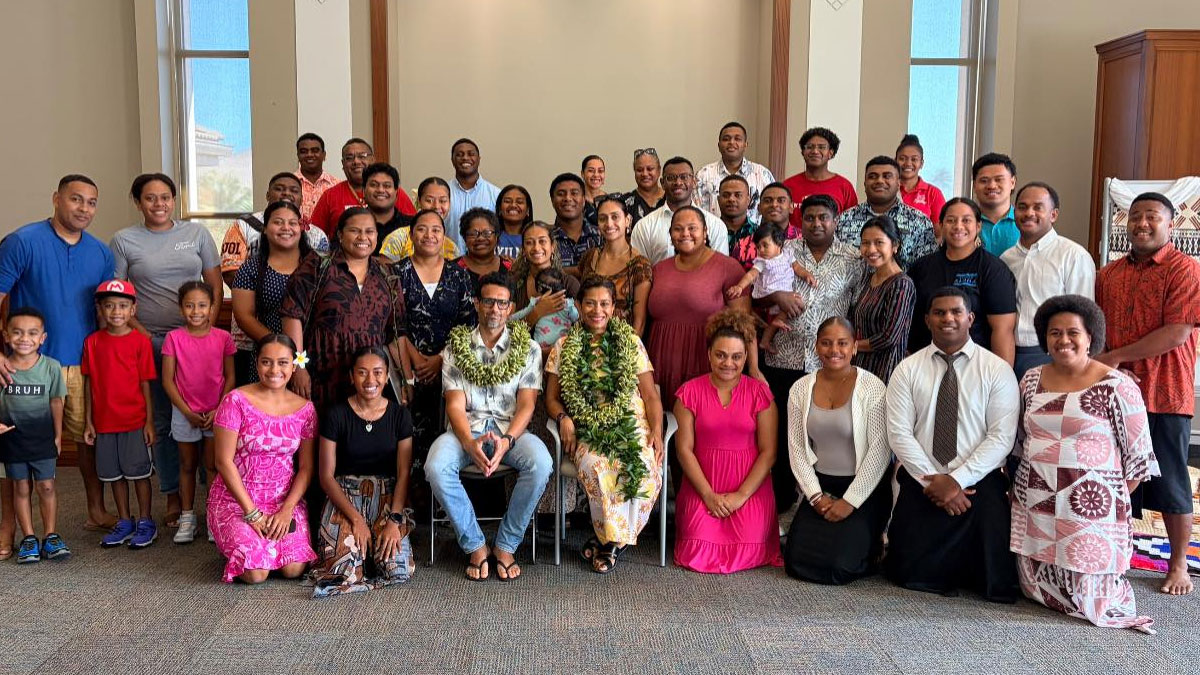
While speaking to Fijian students at Brigham Young University (BYU) in Laie, Hawaii, Tabuya says there is a growing shortage of psychologists, social workers, and trauma-informed practitioners in the country.
She says policies like the Child Justice Act are also increasing demand for culturally and spiritually sensitive professionals in the justice and social protection sectors.
She also highlighted a major industry gap in skilled trades, with critical shortages of electricians, plumbers, carpenters, painters, and joiners.


Tabuya says there is also strong demand for project managers, engineers, safety officers, and quality assurance specialists.
She says gaps remain in fields like accounting, auditing, marketing, and digital skills, while growth areas include digital marketing, AI and technology integration, and agriculture—supported by tax incentives and duty-free imports.
Tabuya adds that large-scale developments such as a national rugby stadium, cultural facilities, and new resort projects are expected to create more employment opportunities, especially in tourism and infrastructure.
She says what sets BYU Hawaii graduates apart is their debt-free education combined with work experience, strong work ethic, reliability, international exposure, technological skills, and faith-based values.
The Minister shared the example of her eldest daughter, Mercedes Swann, who now runs a commercial farm in Fiji supplying major supermarkets—showing the potential of returning graduates.
Tabuya says key advice for students includes punctuality, consistency, relevant work experience, and developing digital, marketing, and AI skills.
She adds the government is committed to expanding internship and graduate pathways within ministries and statutory bodies and encouraged students to coordinate through their leadership or reach out directly to government offices.
She also acknowledged the financial realities of overseas study where earnings from student employment—supported by family and the university—help cover education costs while building skills in discipline, accountability, service, and time management.
She also highlighted that between 2020 and 2025, 506 Fijian students enrolled at BYU Hawaii, with 67 graduates so far and over 100 students enrolling in a single year after COVID.
Fields of study include psychology, political science, social work, business, tourism, construction, and facilities management.
Student Vika Ratuvukivuki spoke about the I-WORK programme, which allows students to work up to 20 hours a week during the semester and 40 hours during the summer, mostly at the Polynesian Cultural Center or on-campus.
Students also shared some of the challenges they face, including balancing work and studies, coping with homesickness, and managing childcare responsibilities as student parents.
Tabuya acknowledged the students for hosting the talanoa session at the Polynesian Cultural Centre, with special appreciation to Fiji Club President Mosese Veilesiyaki and Fijivillage Manager Kali Volavola.

Stay tuned for the latest news on our radio stations