The National Referendum Bill risks undermining democracy by criminalising political expression, enabling state overreach and excluding young people from decision-making.
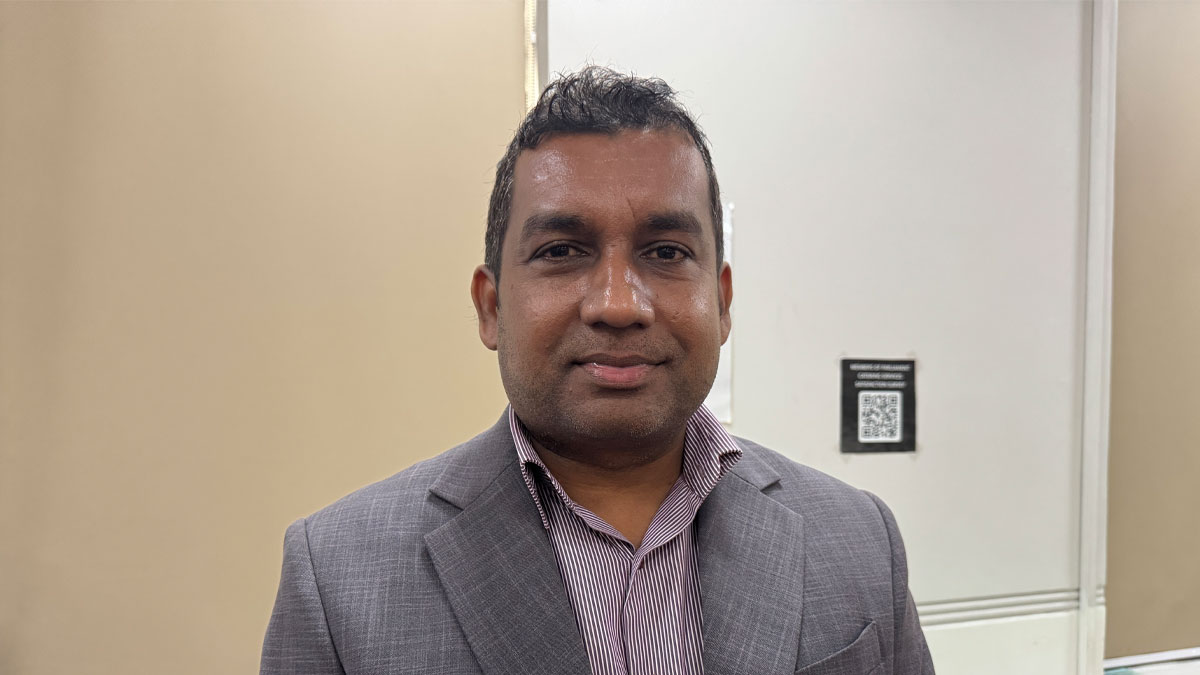
This has been highlighted by Dialogue Fiji Executive Director Nilesh Lal during his submission on the Bill before the Standing Committee on Justice, Law and Human Rights.
Speaking to fijivillage News, Lal says there are numerous issues with the Bill, warning that, taken together, they create a severe democratic deficit in the referendum process.
Lal explained that Sections 22 and 23 effectively criminalise all forms of expression relating to referendums before, during and after the voting period, while granting the Supervisor of Elections exclusive authority to disseminate referendum-related information.
Section 22(1) of the Bill states that no person other than the Supervisor must make, print, publish, distribute, put up, wear, use, carry or display any badge, symbol, favour, set of colours, flag, banner, advertisement, handbill placard or poster or any replica of a ballot paper in connection
with any referendum at any time either before, during or after any such referendum.
According to Section 22 (2)(3) police officers can arrest someone without a warrant if they see the offence being committed and anyone who breaks this law can be fined up to $1,000 or jailed for up to one year.
Section 23 (1)states that no person must by word, message, writing or in any other manner endeavour to
persuade any person to give or dissuade any person from giving his or her vote at a referendum; or
visit a voter at his or her home or place of work for any purpose in connection with a referendum.
According to Section 23 (2) any person who contravenes this section commits an offence and is liable on
conviction to a fine not exceeding $1,000 or to a term of imprisonment not exceeding one year.
He says the Bill contains no safeguards against State overreach or against the State advancing propaganda and illicitly influencing referendum outcomes.
Lal also raised serious concerns about Section 27, which excludes anyone under the age of 18 from participating in referendums.
INSERT: Lal on age restrictions 19th Jan
He stressed that referendums could lead to constitutional change, making the exclusion of young people particularly troubling.
When asked about proposed amendments, Lal says Dialogue Fiji has recommended the removal of Sections 22 and 23, or alternatively limiting restrictions to a clearly defined blackout period.
He says this would prevent a permanent ban on such activities, adding that the display of banners, badges and symbols should only be restricted during the blackout period.
He adds that any prohibition on canvassing for votes should likewise be confined to a short blackout period, such as 24, 36 or 48 hours before polling day.
The Executive Director says Dialogue Fiji has also proposed removing the restriction imposed by Section 27 and introducing clear campaign finance rules to allow legitimate referendum campaigns while preventing undue influence.
He says a legitimate referendum cannot take place without campaigns by different interest groups and political parties.
He also emphasised that spending must be regulated, with clear spending limits in place to ensure that no single side, including the State, has the capacity to unduly influence voters.
Lal says Dialogue Fiji has further recommended increasing approval thresholds for constitutional amendments to better protect minority rights.
He says he does not believe a simple majority adequately ensures the protection of minority rights and interests.
Lal also raised concerns about the absence of provisions for an independent body to frame referendum questions, warning that biased wording could distort outcomes.
He says that for referendum questions to be framed objectively, a competent and independent body must be responsible for the process.
Lal also noted that many citizens and civil society groups share serious concerns about the Bill and expressed confidence that Parliament would act responsibly.
INSERT: Lal on passing bill 19th Jan
While welcoming the consultation process, Lal expressed disappointment at the low public turnout at the hearings.
He stressed the need for civic education to help the public better understand the Bill and its implications.
The Standing Committee on Justice, Law and Human Rights will continue consultations in other parts of the country before reporting back to Parliament.
Fiji Labour Party says Referendum Bill too restrictiveBy Priya Nand 20/01/2026
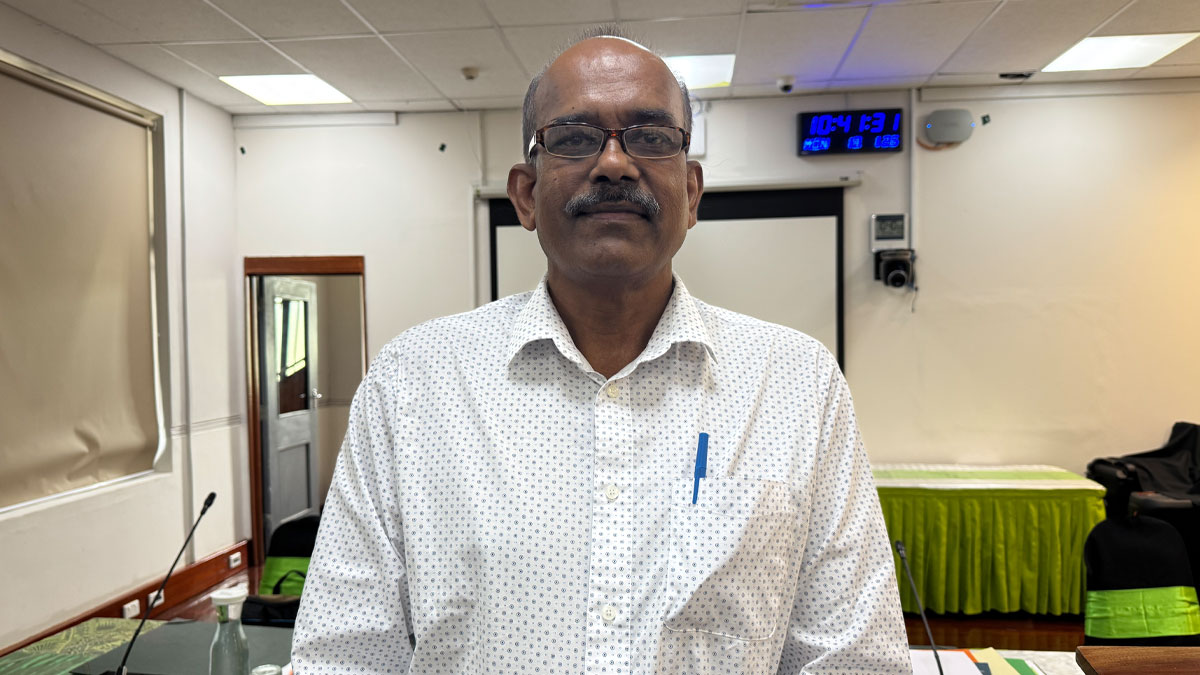
Fiji Labour Party representative Dr Sunil Kumar
The Fiji Labour Party says the current National Referendum Bill is too restrictive and fails to meet accepted democratic standards, calling for several clauses to be removed to allow a freer and fairer process.
This was highlighted by Fiji Labour Party representative Dr Sunil Kumar during his submission on the Bill before the Parliamentary Standing Committee on Justice, Law and Human Rights.
Speaking to fijivillage News, Dr Kumar stressed that the party has been highly critical of the Bill, particularly Clauses 22, 23, 27 and Clause 11, which he says place serious limits on how a referendum would be conducted.
He says the Fiji Labour Party's position is that the Bill is unconstitutional and undemocratic as it denies governmental freedom and political rights.
He says Clause 22 also allows arrest without warrant for display of materials, and police can arrest based on their own view which creates a chilling environment against political parties, particularly small ones.
He says a constitutional referendum must enable open debate and informed consent.
He says the Fiji Labour Party is urging the Government to follow international standards, including the Venice Commission norms, particularly the latest 2022 guidelines, when shaping the referendum framework.
Dr Kumar says there are also concerns about how referendum questions would be framed and administered.
He says the process should involve independent expertise and broader consultation.
Dr Kumar further warned against the role of the state in influencing referendum outcomes, saying there must be clauses that restrict how the state conducts itself during the referendum process.
He says the way the state spends, propagates, or creates narratives to achieve outcomes it favours can be biased and detrimental to communities and future generations.
INSERT: Kumar on Bill 19th January
Dr Kumar says there must be more time and space for discussion and public engagement before any referendum is held.
He stresses that information must be disseminated at the community level because, ultimately, it is the people who matter.
The Fiji Labour Party has called for broader national discussion before the Referendum Bill is finalised.
Public consultations continue at the Parliament Complex today.
Naidu warns clauses in Referendum Bill restrict freedom of expression and political rightsBy Priya Nand 20/01/2026
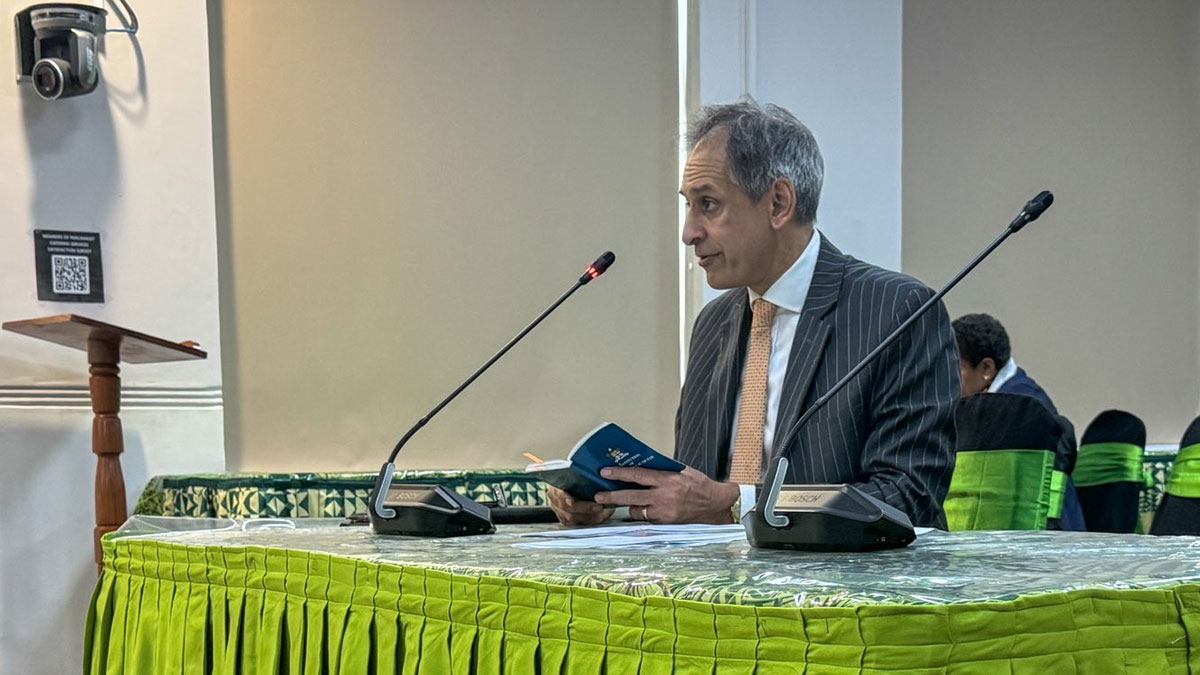
Prominent lawyer Richard Naidu has strongly objected to clauses 22, 23 and 27 of the National Referendum Bill, arguing that they unjustifiably restrict freedom of expression and political rights guaranteed under the Constitution.
While making his submission to the Parliamentary Standing Committee on Justice, Law and Human Rights during consultations on the Bill, Naidu has warned that the Bill’s attempt to regulate “misleading and deceptive” material risks criminalising legitimate political opinion.
Focusing on clause 23, Naidu says the provision fails to recognise the subjective nature of political debate, particularly in a referendum that is not about political parties but about competing ideas and causes.
He questions why the Bill appears to restrict basic campaign activities such as door-to-door canvassing.
He says home visits are a fundamental part of democratic participation.
INSERT: Naidu on voting 20th Jan
Naidu also criticised clause 27, which limits the involvement of people under 18 years in referendum-related activities.
He questions why children cannot be taught about how democracy works in practice.
Naidu expresses concern that, despite objections being raised publicly and during the consultation process, the government continues to defend the clauses.
He says the government has not really explained why these clauses are there and that, when objections were raised, instead of saying they had been noted, the government appeared to double down and justify why the clauses existed.
Naidu rejected the government’s claim that the provisions reflect international best practice, particularly comparisons with Singapore, saying that similar clauses in Singapore’s referendum law date back to 1961.
He says Singapore is hardly a model of freedom of expression, adding that international rankings place Fiji ahead of Singapore on civil and political rights.
He says the law is 65 years old and does not make sense in 2025 or 2026.
Despite his criticism, Naidu says he supports the need for a referendum law, noting that the Supreme Court has made it clear that constitutional change must be approved by referendum.
He says there needs to be a Bill, but in the course of preparing a document that may not be perfect, clauses that restrict people’s fundamental rights, such as clauses 22, 23 and 27, should not be included.
Naidu told the committee that the three clauses are unnecessary and that the legislation would remain workable and intact without them.
Public consultations on the National Referendum Bill continue at the Parliament Complex.
Prime Minister, Sitiveni Rabuka is yet to say anything relating to the comments made to The Australian by Diala-Dump founder Ian Malouf who is spearh...
43 minutes ago
Hindus across Fiji are joining devotees around the world in celebrating Hanuman Jayanti, the birth anniversary of Lord Hanuman, today.Hanuman Jayanti ...
3 hours ago
The defence lawyer for former Health Minister, Doctor Neil Sharma, Wylie Clarke has told former Procurement Officer at the Fiji Pharmaceutical and ...
11 hours ago
Minister for Finance Esrom Immanuel says the Government has four levels of intervention with respect to the fuel crisis and we are at the first ...
11 hours ago
My advice is not to remove the fuel tax now as the government will lose about $150 million which can be used to provide urgent relief to the most ...
12 hours ago
A grieving family continues to endure unimaginable pain as they wait for the chance to lay their 13-year-old son to rest with the dignity he deserves ...
16 hours ago
I was invited to travel to New Zealand by the Fiji Sports Council for a grassroots 7s tournament in 2024, I travelled business class but it was ...
27 days ago
The illicit drug situation in Fiji has been described as a national emergency, with 2,400 drug-related cases recorded in 2025. Minister for Policing ...
34 days ago