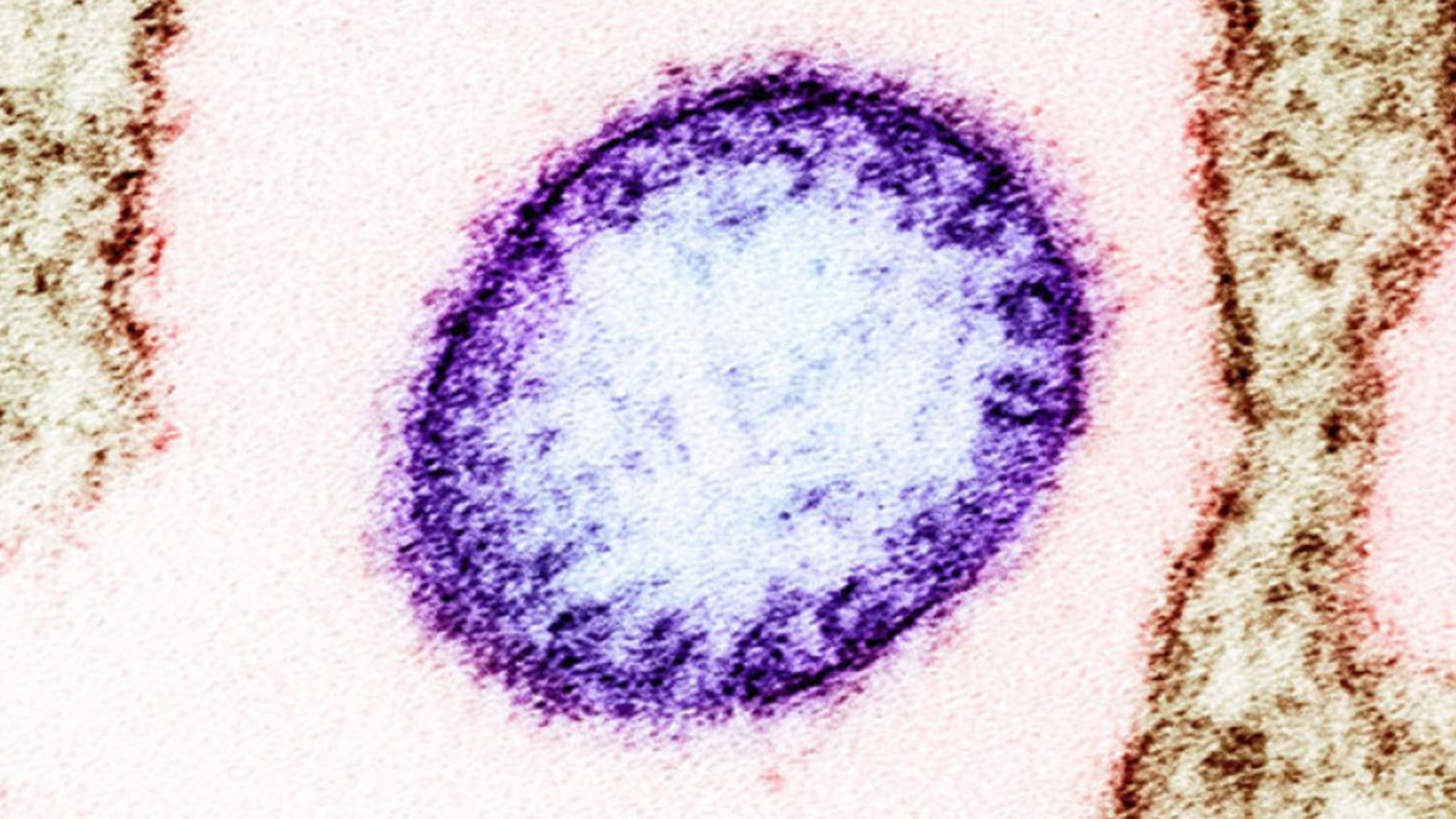
Questions are being asked on what Fiji's Centre for Disease Control is doing at a time when the world is facing renewed outbreaks of the highly lethal Nipah virus.
Outbreaks of Nipah virus infections have been reported in India, Bangladesh and China with confirmed cases and heightened surveillance measures introduced across the region. Countries in Asia have reintroduced COVID-style airport health checks and quarantine protocols, reflecting the seriousness of the threat.
The Nipah virus can be transmitted from animals, like pigs and fruit bats, to humans.
It can also spread person-to-person through contaminated food.
The World Health Organization has described Nipah in its top ten priority diseases, along with pathogens like Covid-19 and Zika, because of its potential to trigger an epidemic.
The incubation period ranges from four to 14 days.
People who contract the virus show a wide range of symptoms, or sometimes, none at all.
Initial symptoms may include fever, headaches, muscle pain, vomiting and sore throat.
In some people, these may be followed by drowsiness, altered consciousness, and pneumonia.
Encephalitis, a sometimes-fatal condition that causes inflammation of the brain, may occur in severe cases.
To date, no drugs of vaccines have been approved to treat the disease.
Dialogue Fiji executive director Nilesh Lal says if a pathogen with a mortality rate approaching 75 percent enters a country with limited ICU capacity and surveillance infrastructure, the consequences could be catastrophic.
Dialogue Fiji is also questioning why Fiji’s CDC remains largely invisible to the public.
Lal says unlike CDCs in other countries, Fiji’s CDC does not maintain a public website, does not issue regular advisories, and does not even have a social media page to inform citizens about health risks.
He says in today’s digital era, a national disease control agency without a public information platform is institutionally moribund.
He says public health communication is not optional but rather is a core function of CDCs.
Dialogue Fiji says that during last year’s major dengue outbreak, there were no regular public epidemiological updates despite dengue causing severe illness and deaths in Fiji.
They say to date, there have been no visible efforts to procure dengue vaccines for high-risk populations, despite increasing incidence and adverse outcomes.
They also say that similarity, there is no publicly accessible COVID-19 surveillance dashboard or routine reporting, nor have updated bivalent vaccines been offered to the public.
Lal says also, there is a lack of public communication on circulating respiratory viruses such as influenza A and RSV, despite these viruses posing serious risks to children, the elderly, and immunocompromised populations.
He says public health is built on transparency, surveillance, and trust and without real-time information, people cannot make informed decisions, and institutions lose credibility.
Lal says travellers from recognised Nipah hotspots such as Bangladesh, India, and China continue to enter Fiji daily, yet there is no publicly communicated screening, surveillance, or preparedness strategy.
He says the absence of visible border health protocols for a virus with pandemic potential is troubling.
The Executive Director says Fiji must not repeat the mistakes of the COVID-19 era, where institutional opacity undermined public confidence.
Dialogue Fiji is calling on the Ministry of Health and the Government of Fiji to urgently revitalise the CDC, establish a transparent public disease surveillance platform, and proactively communicate health risks to the public.
Lal says a credible and functional CDC is a cornerstone of national security and social trust.
He hopes the CDC can once again become a viable institution that Fijians can rely on for timely information and guidance.
Questions have been sent to the Ministry of Health.