The government will have to consider investor concerns, while also assessing its ability to fund the proposed $8 per hour national living wage, as it considers the Fiji Trades Union Congress campaign.
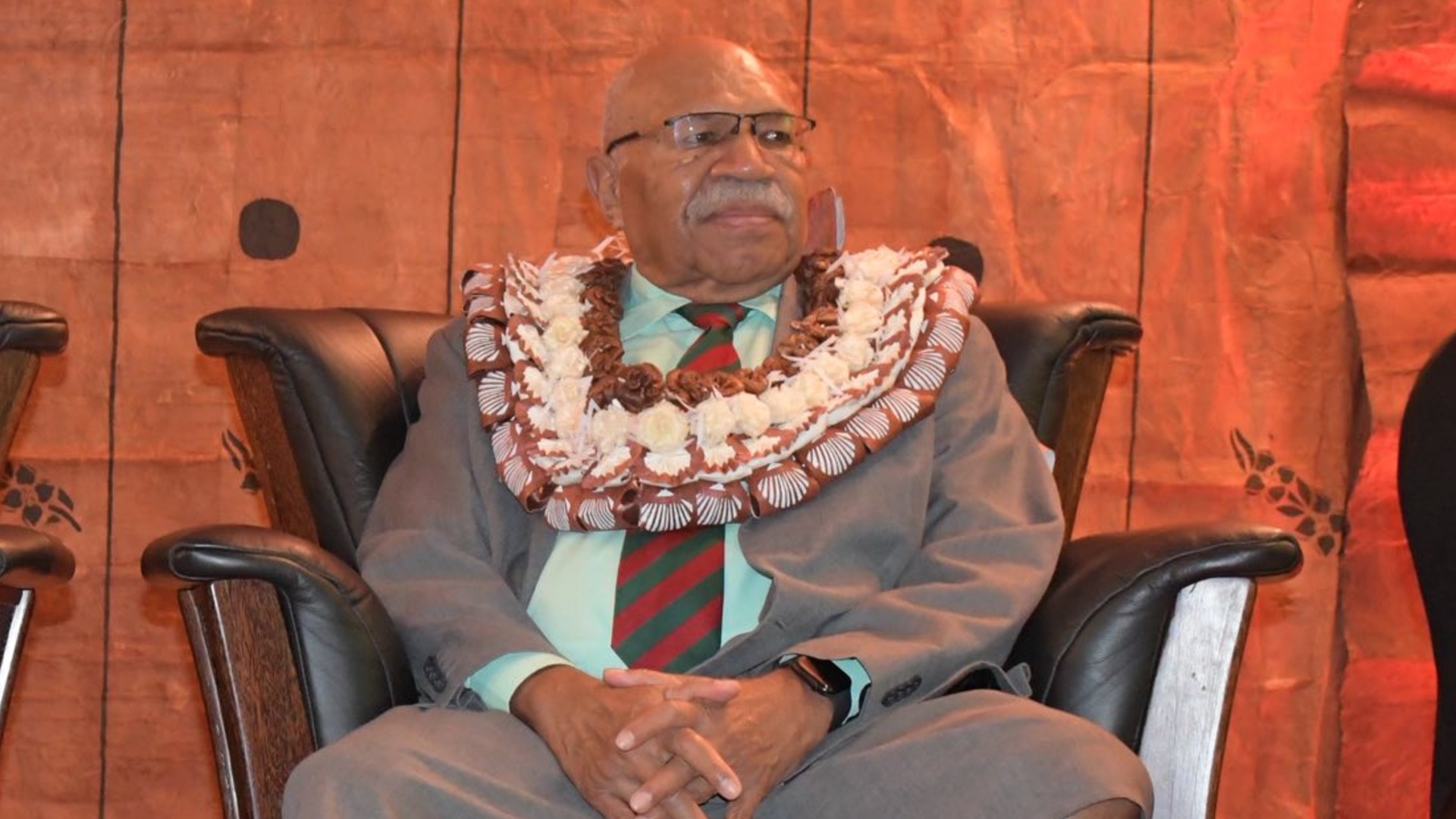
This has been stated by Prime Minister Sitiveni Rabuka in response to questions from the media regarding reactions from Cabinet, including comments made by Minister for Information Lynda Tabuya.
Rabuka says there is no reason why the proposal should not be considered or even passed, but it must be incorporated into budget planning.
Following the call made by the FTUC for the living wage to be increased to $8 an hour, the Fiji Commerce and Employers Federation Chief Executive, Edward Bernard said that demanding a new wages system in an economic climate where businesses and even the Government are trying to survive and continue to employ workers is not in good faith on the part of the FTUC.
Bernard says decent work, including fair wages, contributes to progressive improvements in workers’ living standards, enterprise sustainability and economic prosperity.
He says FTUC’s call for an $8 per hour living wage must be evidenced and balanced against Fiji’s unique challenges such as low productivity, widening skills gaps, high youth unemployment and rising costs of freight and production inputs.
He says the World Bank has warned that Fiji’s economic growth could slow below 3 percent unless the country urgently strengthens reforms, improves productivity and rebuilds fiscal discipline.