The Fijian Competition and Consumer Commission has strongly advised people that storing fuel at personal residences above certain quantities is in violation of the Petroleum Act and offenders potentially face fines, imprisonment, or both.
FCCC CEO, Senikavika Jiuta says Section 7 of the Petroleum Act prohibits the storage and keeping of petroleum in a manner that is not in accordance with the Act.
Based on our assessment of the Act, fijivillage News can confirm that only four gallons of petroleum is allowed in houses and buildings that are not licensed to keep fuel at their premises.
Jiuta adds that panic buying can also create unnecessary pressure on local supply systems.
She says when people purchase fuel far beyond their immediate needs, it accelerates the drawdown of available supply at service stations and can create artificial shortages that affect other consumers.
Beyond the legal implications and impact on supply, improper storage of petroleum products at residences also creates serious safety hazards.
Jiuta says service stations operate with professional infrastructure and strict safety controls.
She says storing a significant quantity of fuel at home does not make your household more secure but introduces substantial risks to families, neighbours, and surrounding communities.
FCCC stresses that consumers should refrain from panic buying and stockpiling fuel.
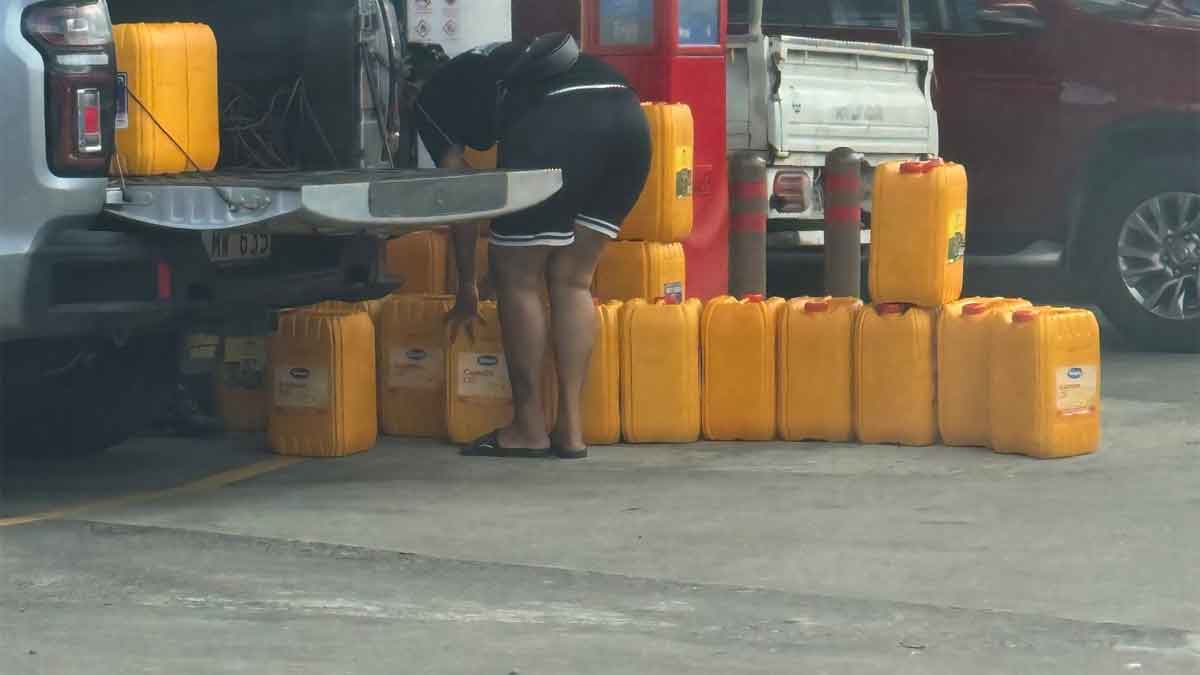
As noted in recent observations and reports, individuals are arriving at service stations with drums, gallons, and other containers to store fuel in large quantities.
FCCC stresses that fuel supply remains stable and such unnecessary actions result in the very shortages that people fear.
You are urged to purchase only the fuel required for normal and immediate use, not to store fuel in drums, gallons, or other unapproved containers at residential properties, avoid panic buying, which can create unnecessary pressure on supply systems, and report any suspected price gouging or unfair trading practices to the FCCC.