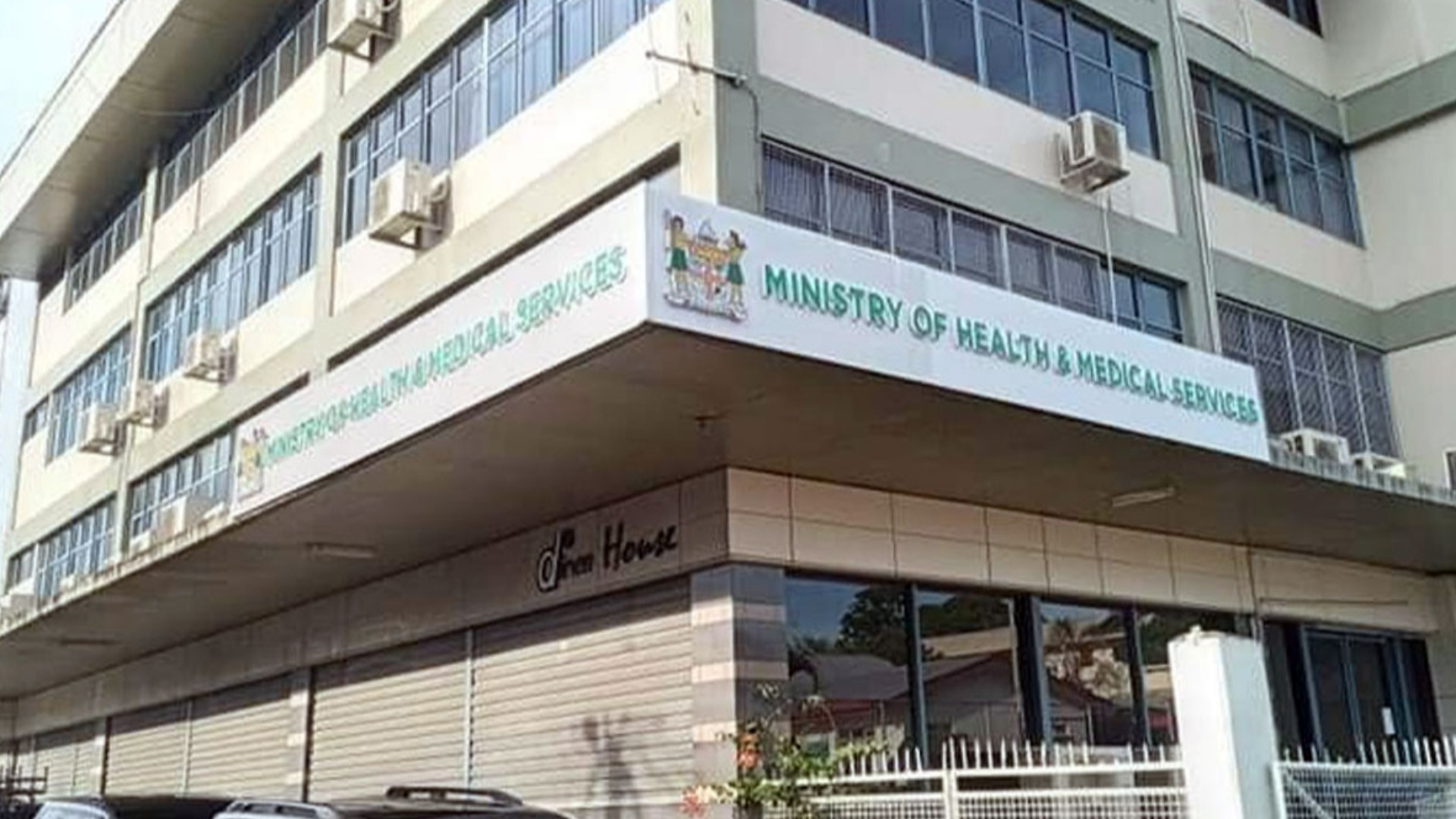
Following disruption in services due to a suspected case of meningococcal earlier today, the Nuffield Health Centre has reopened with full services.
The Health Ministry says the health centre activated precautionary measures earlier today due to a patient presenting with signs and symptoms of meningococcal disease.
They say the patient has no history of recent international travel.
The Ministry says as meningococcal disease is a bacterial infection, health staff followed standard infection-control protocols which included the use of personal protective equipment (masks, gowns, gloves).
They say to allow the team to respond appropriately and safely, services were temporarily disrupted at the health centre.
They say at this stage, the case remains suspected, awaiting confirmation of laboratory results.
The Ministry stresses appropriate medical investigation and management were initiated and the patient is receiving the necessary care and follow-up.
They have highlighted that while the Ministry normally records up to 10 meningococcal cases a year, they urge the public to be aware of their symptoms and present early to a health facility.
They say early treatment is critical for better outcome.
Meningococcal disease is a rare but life-threatening bacterial infection caused by Neisseria meningitidis. It can lead to meningitis (infection of the brain lining), bloodstream infection, or both, and can be fatal without urgent treatment. Fiji records about 0–10 cases each year. A meningococcal C outbreak in 2018 was controlled through nationwide vaccination, and no cases of that strain have been detected since 2020.
Early medical treatment is critical. The disease is treated with specialised antibiotics in hospital. While most treated patients recover, about 10–15 percent may still die and around 20 percent may suffer permanent disabilities. Symptoms usually appear 3–7 days after exposure.
Common symptoms in older children and adults include sudden fever, vomiting, headache, stiff neck or back pain, nausea, sensitivity to light, confusion, and a red or purple rash. In babies, signs may include high fever, unusual crying, refusal to feed, vomiting, drowsiness, seizures, changes in sleep patterns, or rash.
The disease spreads through saliva, such as coughing, kissing, or sharing drinks and utensils. Young children, especially under five, are at higher risk because they often put objects in their mouths. About 10 percent of people may carry the bacteria without symptoms.
Anyone can be affected, but children aged 1–19 years are most at risk. Transmission is more likely in close living settings such as households and boarding schools, and among people with weakened immune systems.
Prevention includes vaccination and good hygiene practices, such as covering coughs and sneezes, washing hands regularly, and avoiding sharing drinks, utensils, cigarettes, or kava bowls.