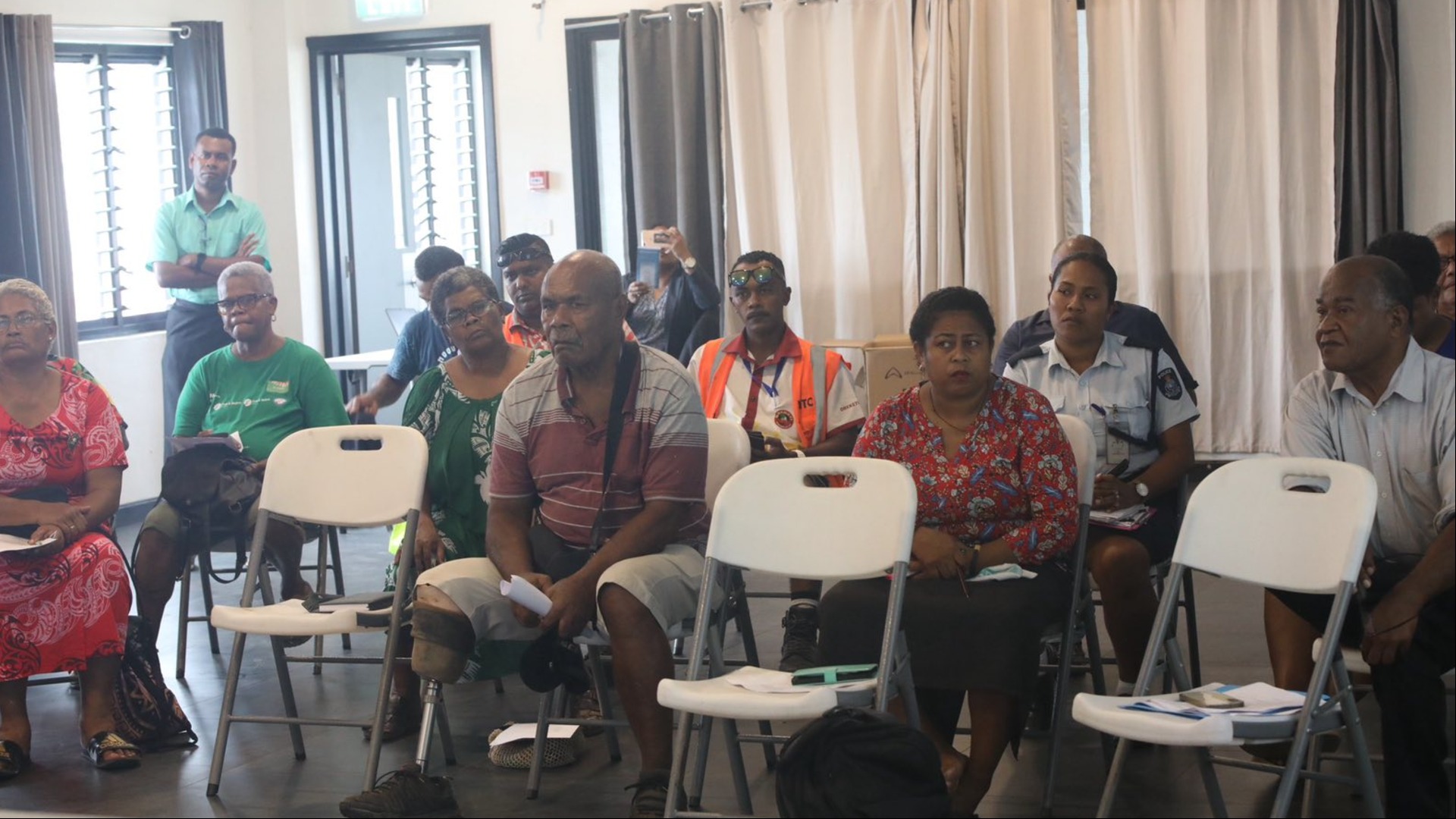
A stronger, community-driven approach to protecting villages and schools from drugs rooted in prevention and early intervention is being pushed during the Counter Narcotics Bill Consultation in Nausori.
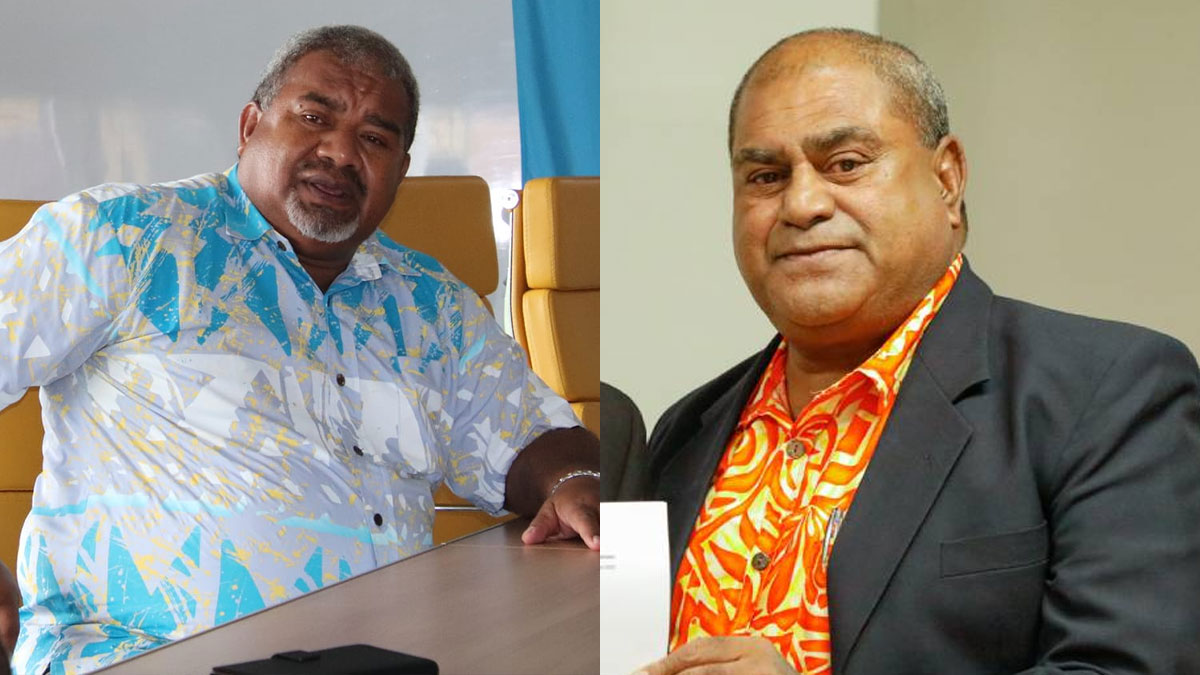
President of Stand With Niko Advocacy, Niko Nawaikula, stresses that draft laws must go beyond legislation and prioritise the protection of communities.
He says there is an urgent need for village-based mechanisms to drive prevention, monitoring and intervention not just in villages, but also in schools stressing children are often first exposed to drugs within their own villages.
With immigrant families also living as part of these communities, he says drug activity can quietly take root and spread, making community-level systems even more critical.
He proposes that all schools — especially those in rural and village areas — be designated as narcotics protection zones.
Nawaikula also supports the establishment of a dedicated narcotics court, saying a focused approach to drug-related offences requires a specialised judicial process adding it is fair, reasonable and necessary.
Meanwhile, House of Sarah’s Monitoring, Evaluation and Learning Officer, Josefata Waqalala, raises concerns about wider issues linked to drugs, including HIV/AIDS.
Waqalala questions whether a prevention model can be created to focus on eradication, rather than just demand reduction.
He says discussion about reduction only looks at reducing the number of drugs coming in adding if one wants to eradicate drugs, then a prevention model is needed to explore other solutions.
Waqalala also points to recent village by-laws, referencing news reports where communities have removed homes where drugs were found.
He says simply removing people from their homes will not solve the problem, as drug users or traffickers will likely continue the activity elsewhere stressing efforts must focus on identifying the root causes of drug use stressing that while poverty and unemployment are contributing factors, they are not the core issue.
He says there are other means for people to survive without turning to drugs, and solutions must go deeper than relocation alone.

Stay tuned for the latest news on our radio stations