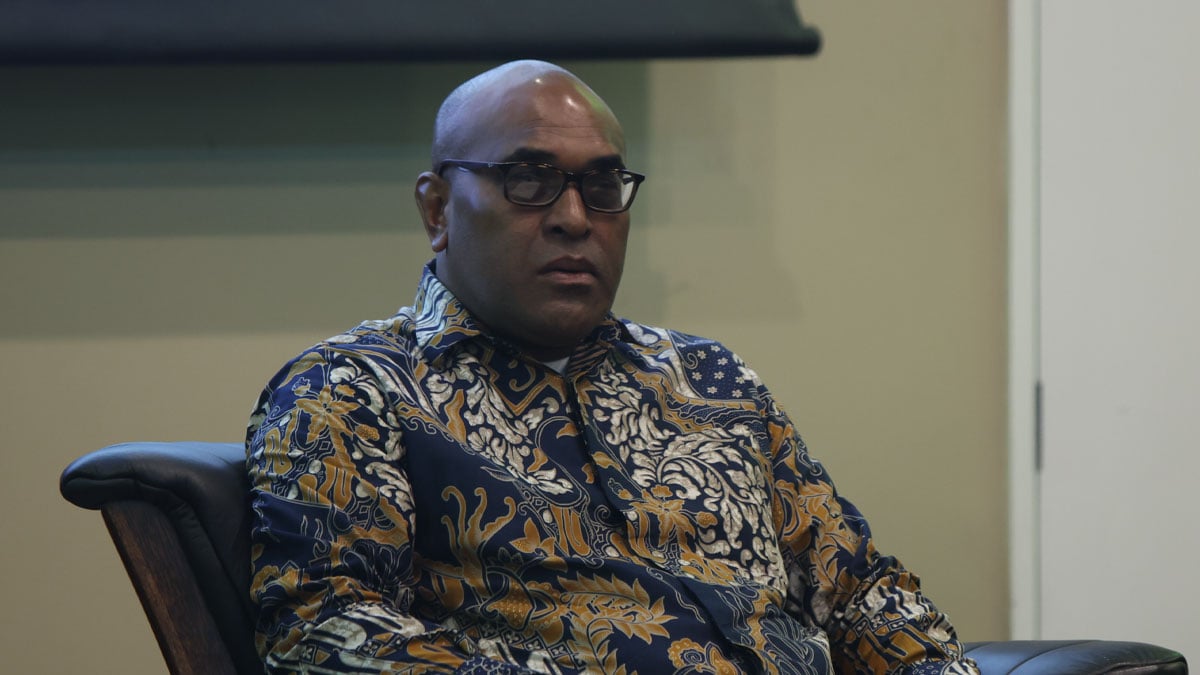
Dr Ratu Atonio Lalabalavu at he lauch of Fiji’s 2025 World Health Organization STEPwise Survey (STEPS) at GPH yesterday.
Young people must learn from the mistakes of their elders or face continuing Fiji’s growing non-communicable disease (NCD) crisis.
This stark warning was delivered by Minister for Health Ratu Atonio Lalabalavu as new national data revealed the scale of the country’s worsening health challenges.
Speaking during the launch of Fiji’s 2025 World Health Organization STEPwise Survey (STEPS) at the Grand Pacific Hotel, Dr Lalabalavu urged young Fijians to take seriously the rising impact of NCDs, which continue to claim lives at increasingly younger ages.
Dr Lalabalavu says the survey shows that nearly two out of every three families in Fiji are affected by at least one NCD, with many individuals living with multiple conditions such as diabetes and hypertension.
He says the mistakes young people make are inactivity, smoking, eating unhealthy foods and drinking unhealthy drinks.
He warned that failure to change these lifestyles would see Fiji continue “on this path of destruction,” with more people dying young or living with severe complications such as amputations and kidney failure requiring dialysis.
The Minister highlighted that health authorities are increasingly seeing people under the age of 35 dying from cardiac and other NCD-related events, a trend he described as deeply concerning.
The newly released STEPS survey underscores the scale of the challenge, showing widespread exposure to NCD risk factors across the population.
While taxation on sugary drinks has been increased in recent national budgets, Dr Lalabalavu stressed that addressing the crisis requires more than regulatory measures alone.
He adds that one key finding of the survey is that many Fijians remain unaware they are living with diabetes or high blood pressure, preventing them from accessing early treatment.
To address this, the Ministry of Health has increased funding for outreach clinics, where screening and awareness programmes are conducted in communities.
Dr Lalabalavu emphasised that early detection allows patients to manage conditions through diet and lifestyle adjustments before medication or more invasive treatments become necessary.
Insert: Come for screening - Lalabalavu
He also pointed to growing concerns over carbohydrate overconsumption, noting that lifestyle choices ultimately rest with individuals despite increasing awareness of health risks.