Serious concerns have been raised by the Human Rights Commission regarding the increasing number of missing persons cases in Fiji, particularly those involving children.
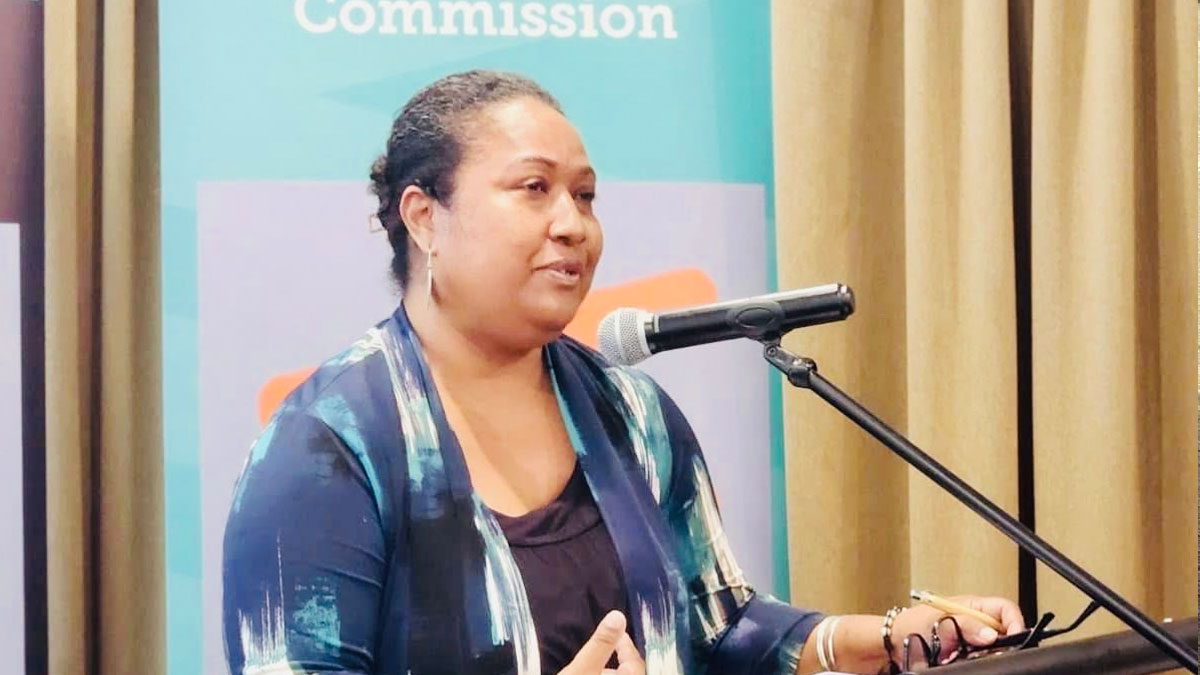
Human Rights Commissioner Chantelle Khan says the recent reports are alarming, following the discovery of the body of a 15-year-old student who had been reported missing since Christmas Eve, where the student’s body was found in Tamavua-i-Wai, outside Suva, on 30th December last year.
Khan says this tragic incident highlights the grave risks associated with missing persons cases and the urgent need for timely and effective responses to prevent further loss of life.
She points out that, according to information shared on the Fiji Police Force facebook page, around 52 missing persons cases have been reported since 2024, all involving children aged between 5 and 17, stressing that this trend raises serious child protection concerns, as children are among the most vulnerable members of society.
Khan emphasises that the Commission is calling for the establishment of a National Taskforce involving government agencies, the Vanua, civil society organisations, and faith-based groups.
She stresses that this approach shifts the focus from a purely policing perspective to a more holistic, human rights-centred framework that prioritises prevention, protection, child welfare, and accountability.
Khan also highlights that children go missing due to multiple and overlapping risk factors, including family neglect, domestic violence, organised criminal activity, drug-related exploitation, human trafficking, online grooming, mental and psychological health challenges, school truancy and disengagement, as well as displacement caused by natural disasters.
She adds that missing children face increased risks of violence, sexual exploitation, forced labour, substance abuse, and long-term trauma, often worsened by poverty, family breakdown, and limited support services.
The Commission stresses that missing children cases must be treated as protection emergencies rather than solely criminal investigations.
They are also calling on the State to intensify action against drug networks, organised crime, and trafficking, while strengthening family support services and improving data collection and public awareness, without compromising privacy and dignity.
The Commission is urging State authorities, communities, families, faith-based organisations, and civil society to work together to protect children and vulnerable persons from harm, stating that protecting the most vulnerable is a fundamental national duty.

Stay tuned for the latest news on our radio stations