Fiji Airways has warned that the Employment Relations Bill’s requirement for employers to eliminate sexual harassment imposes an unrealistic and legally unworkable standard, particularly for large organisations with thousands of staff.
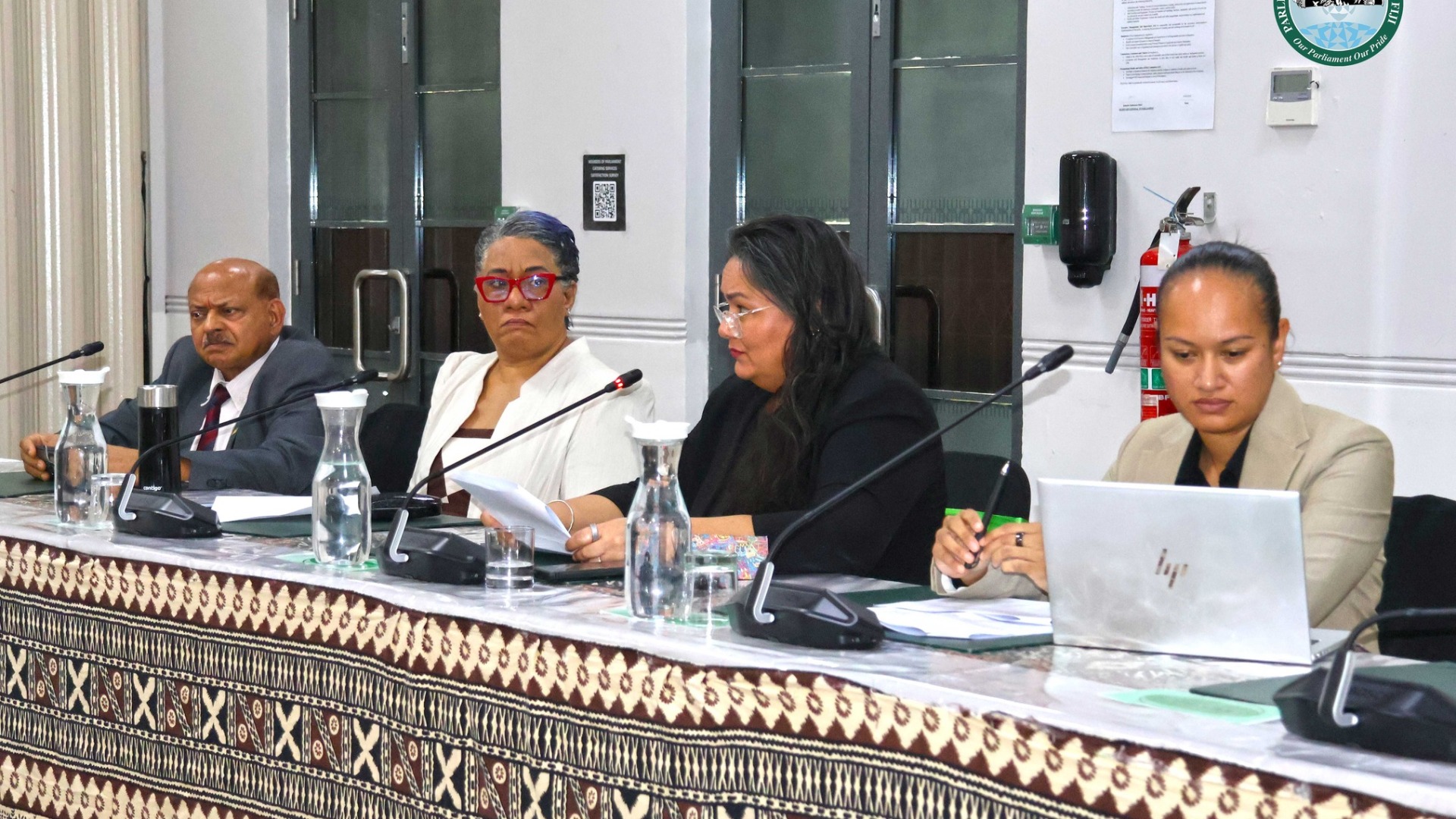
Making submissions before the Parliamentary Standing Committee on Economic Affairs, Fiji Airways Chief People and Performance Officer Anna Morris says Clauses 33 and 34 of the Bill could create automatic liability for employers even where they have acted diligently and in good faith.
The clauses require employers to take reasonable and proportionate measures to eliminate, as far as possible, sexual harassment of workers and children in the workplace.
They also mandate that employers develop and maintain a policy to eliminate sexual harassment, consistent with any national policy guidelines that may be issued.
The Minister may direct the relevant Board to develop national policy guidelines and prescribed reporting requirements for employers.
Under the Bill, an employer may be held liable alongside a worker who sexually harasses another worker or a child in the workplace if the employer fails to take reasonable and proportionate measures to prevent such conduct.
Morris says the concern lies in how the obligation to “eliminate” sexual harassment may be interpreted in practice.
Insert: Morris - Impossible legal standard
She says that even with robust policies, mandatory training, reporting mechanisms and clear disciplinary processes, instances of misconduct may still occur.
She says for large employers such as the Fiji Airways Group, which employs more than 2,000 people, absolute prevention cannot realistically be guaranteed.
Morris also raised concerns over the Bill’s broad definition of “workplace”, which extends beyond traditional offices to include private residential premises where employees work from home.
Morris says the clauses also appear to extend liability to third-party conduct unrelated to the employer and to behaviour occurring in private homes.
While acknowledging the importance of strong protections against sexual harassment, Morris argued that the legislation must balance worker protection with practical enforceability.
She says the Bill already provides guidance on what constitutes reasonable and proportionate measures, including consideration of the size of the employer’s operations, the nature and circumstances of the business, available resources, operational priorities, and the practicality and cost of the measures.
However, she recommends the wording be amended to replace “eliminate” with “take all reasonably practicable measures to prevent”, and that employer liability be limited to conduct and locations within the employer’s control.
Such an approach, she says, will align with principles of natural justice and ensure employers are assessed based on their actions and preventative efforts, rather than solely on whether misconduct occurred.

Stay tuned for the latest news on our radio stations