You want space? Claim it. Nobody will give it to you.
That was the firm message from Minister of Children Sashi Kiran as she responded to a young woman who spoke openly about being told to stay in your place because of her age.
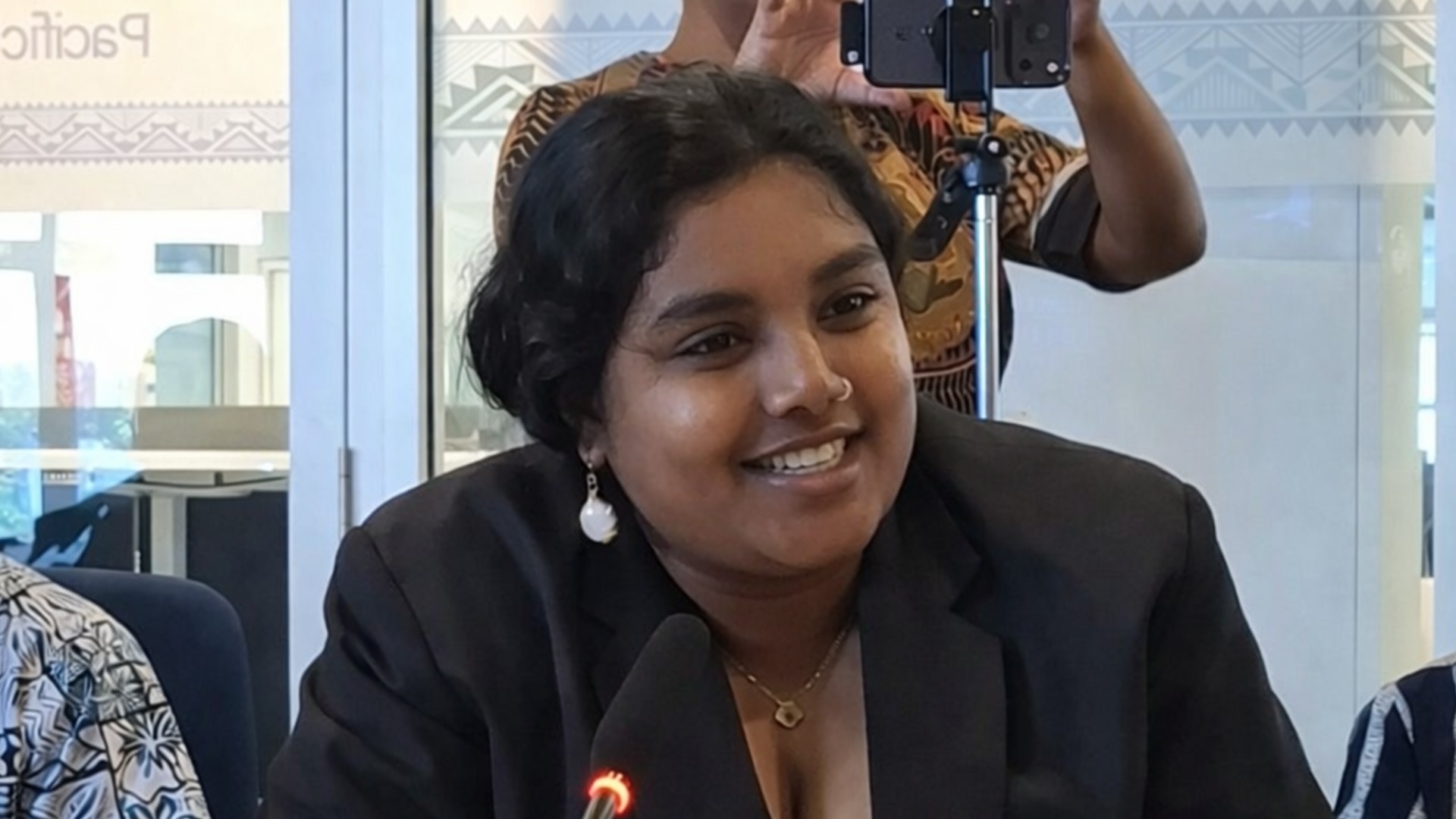
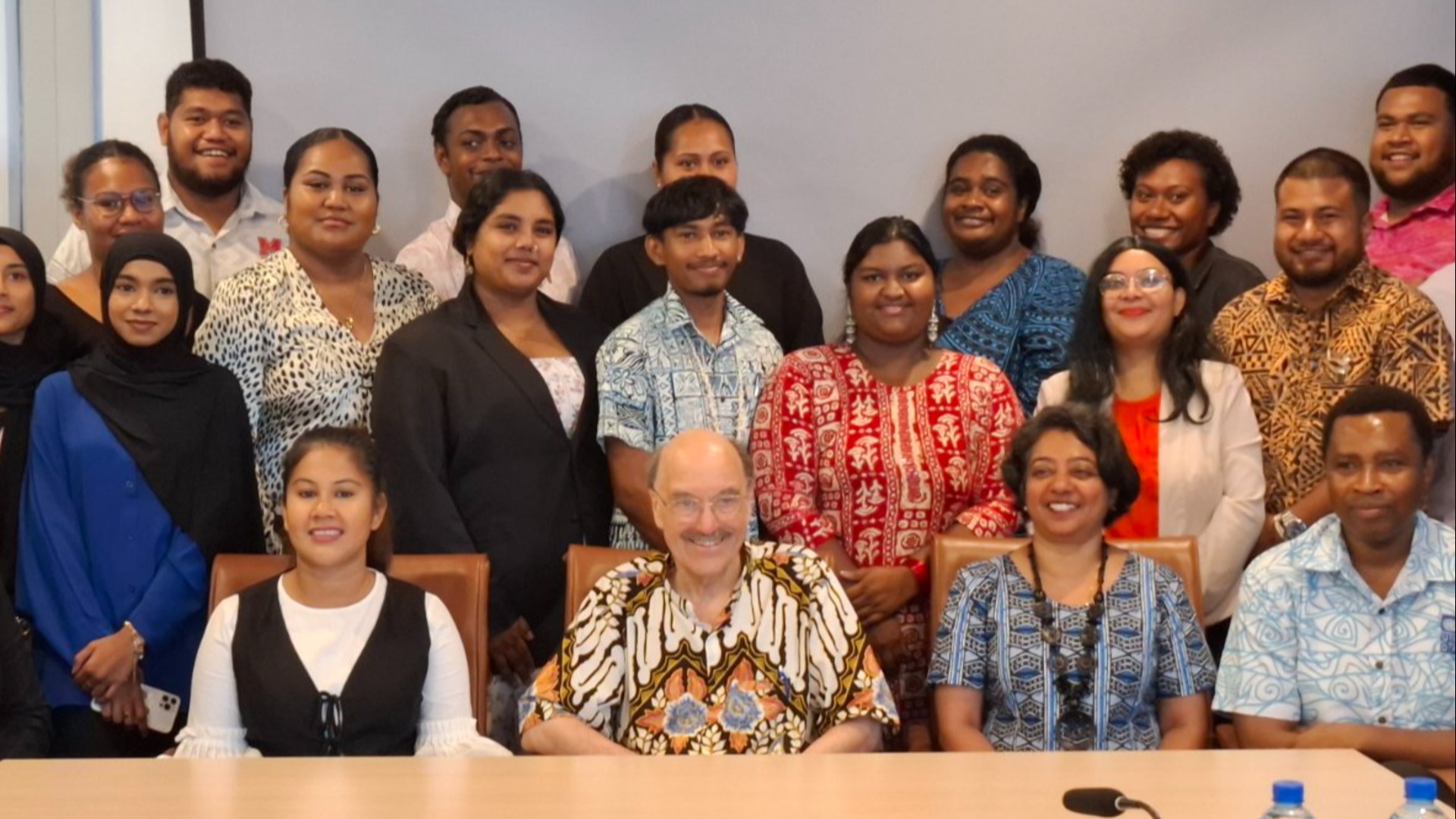
While speaking at the Youth Inter-religious Dialogue, the discussion centred on generational stigma, religion and youth leadership, after 23-year-old Patricia Subbaiya questioned why young people are often silenced in churches, communities, families and workplaces.
Insert: this is not your space 26th Feb 26
Subbaiya says many youths face religious stereotypes and are discouraged from speaking up in the name of respect.
She raises for their views on giving youths the space and opportunity to lead and raise concerns, stressing that her generation is trying to break the stigma of silence.
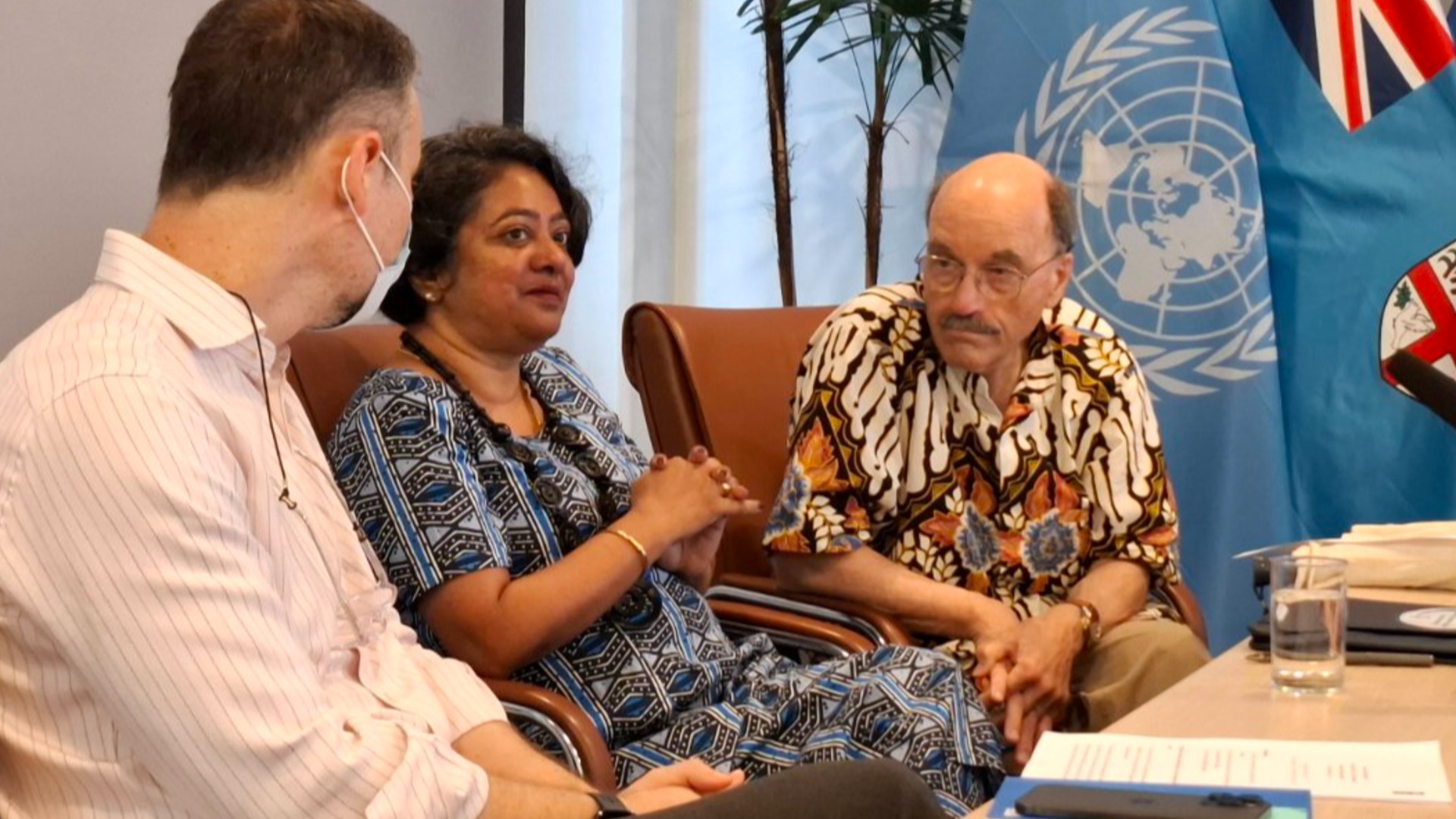
In response, Sashi Kiran reflects on her own journey, saying she had already served on global boards at 25 and established her own NGO by 28.
She says space is what you claim and nobody will give it to you.
She acknowledges that those in positions of authority often become comfortable and resistant to being challenged, whether in families, communities or leadership spaces.
Kiran stresses that confidence and clarity of identity are crucial.
She shares that when asked whether she faces racism in decision-making spaces, she responded that she does not take on labels imposed by others.
Insert: I am not a Vulagi 26th Feb 26
She explains that misunderstandings often arise from different worldviews — one shaped by constitutional citizenship and another rooted in traditional Vanua structures — and said young people must understand these nuances rather than internalise negative narratives.

Kiran encourages young people to build confidence through reflection and self-awareness, and to make use of the wider platforms now available to them.
Insert: you want the space 26th Feb 26
However, she also emphasises that leadership requires listening as much as speaking.
Kiran further highlights cultural differences in communication styles, particularly between Indo-Fijian and Indigenous iTaukei communities, noting that what may be considered assertive in one culture can be perceived as disrespectful in another.
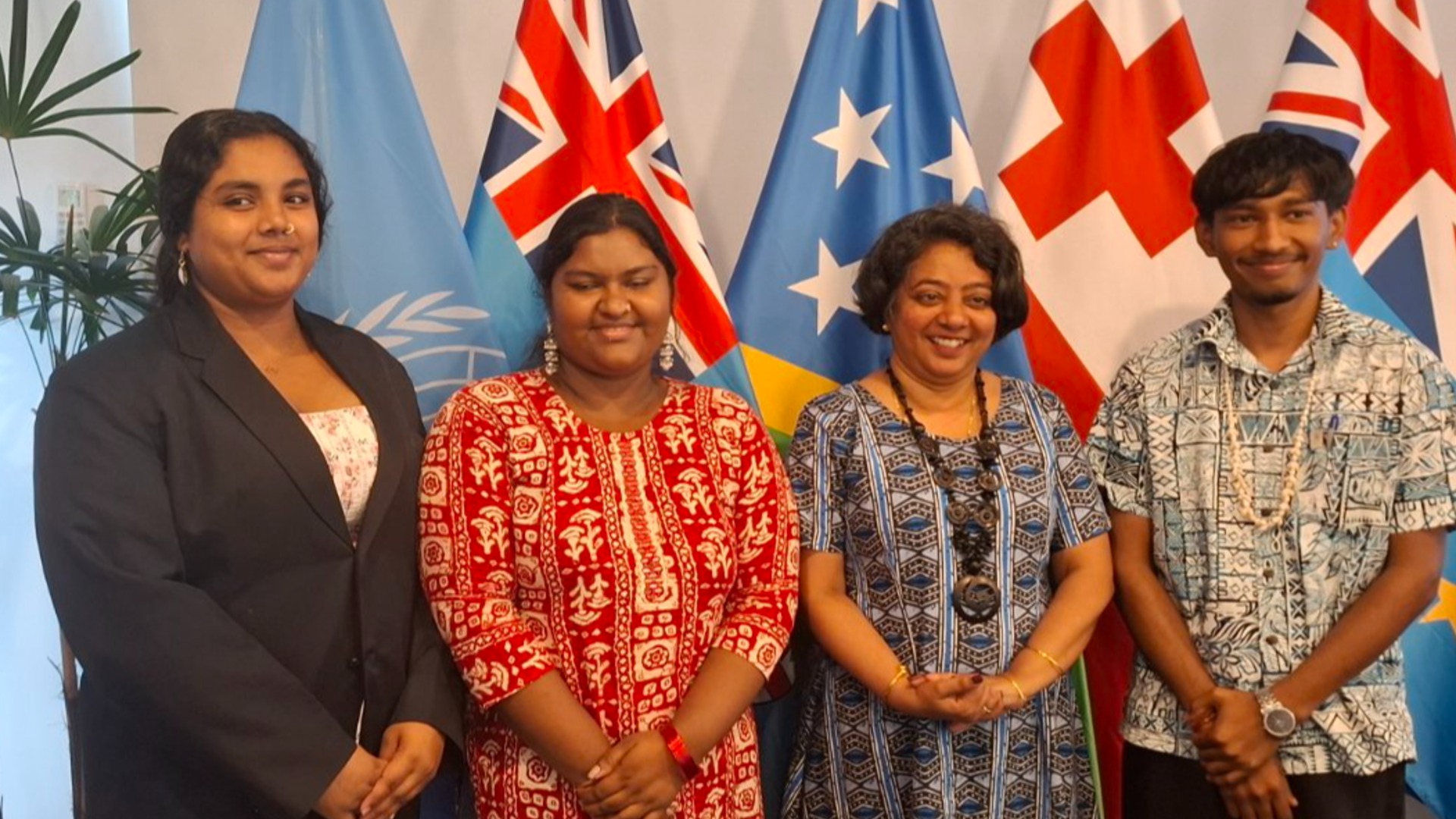
She says these cultural nuances are rarely discussed openly, yet they influence how young people engage — or hesitate to engage — in leadership spaces.

Stay tuned for the latest news on our radio stations