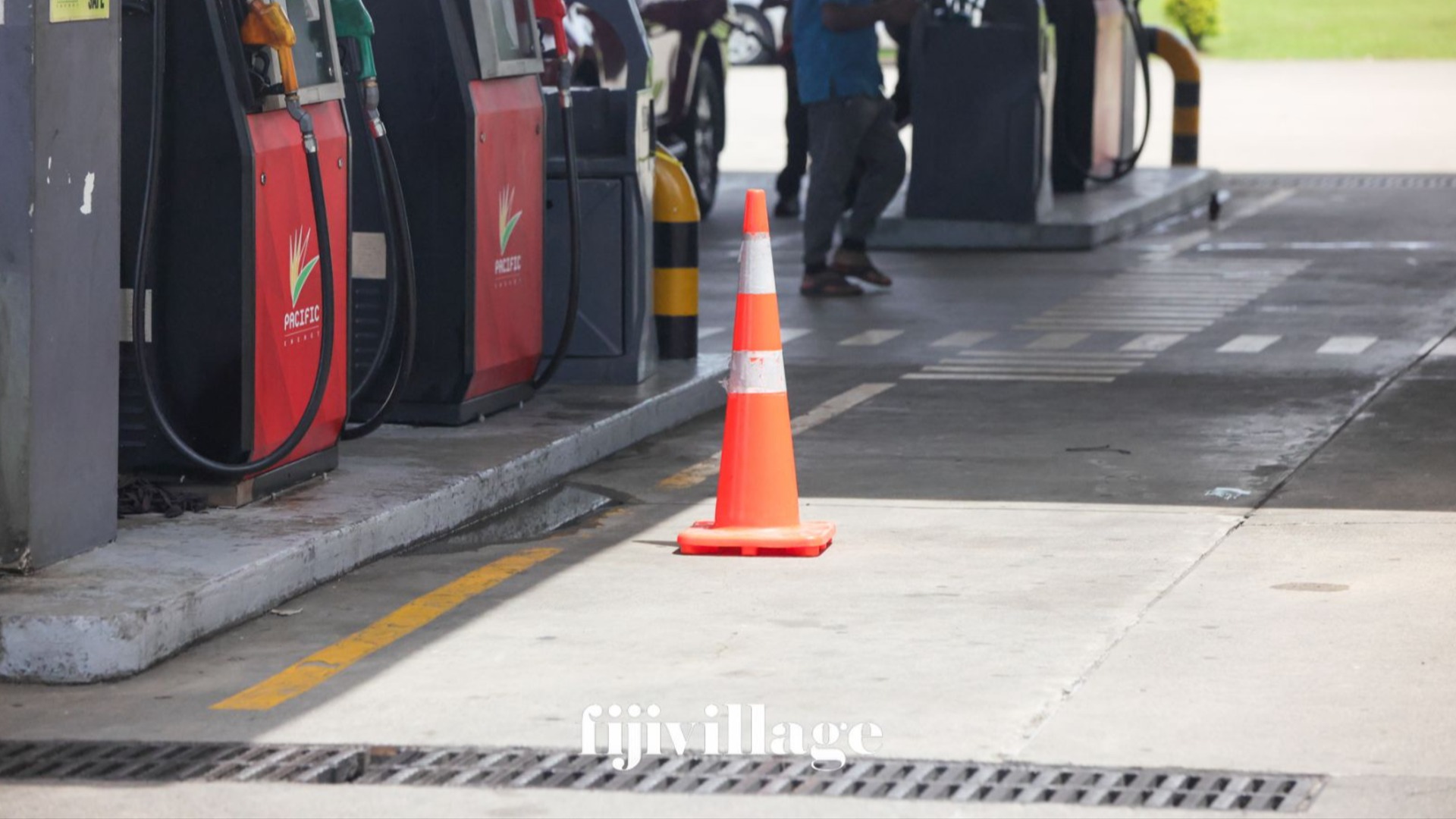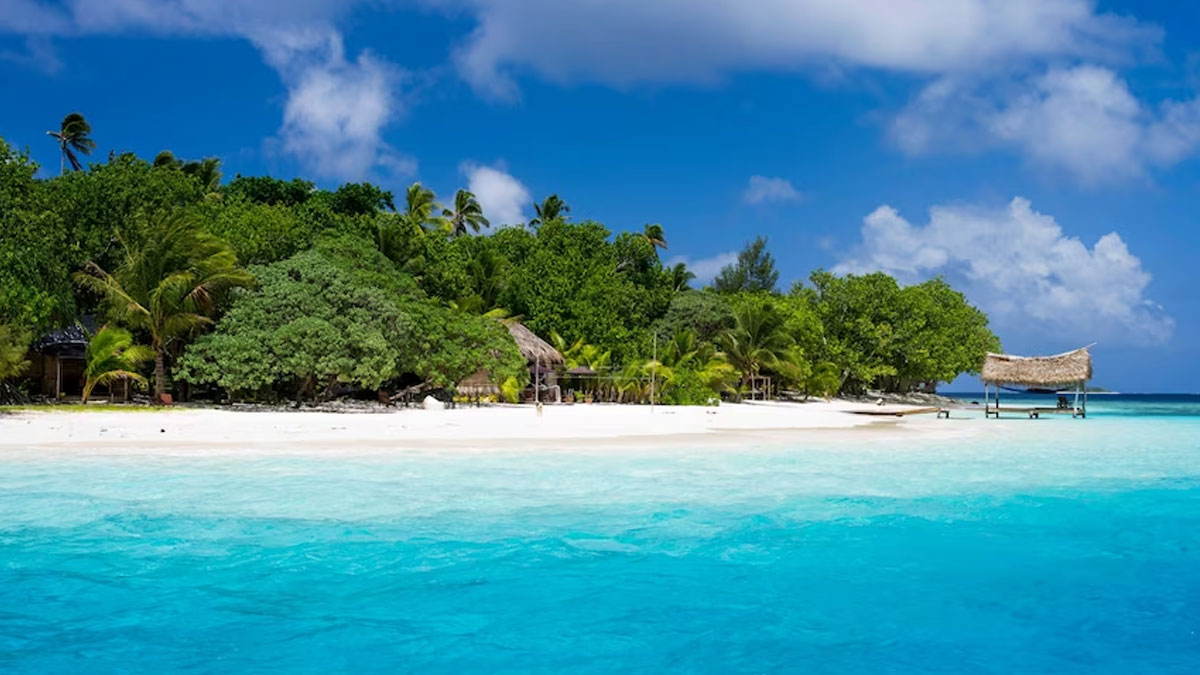
Power prices are affecting communities around the world and in the small island nation of Tonga — home to just over 100,000 people — they are feeling the pinch.
"I think it's way too high. Very high in comparison with current salary ranges here in Tonga at the moment," Tonga resident Mapa Taumalolo said.
Mr Taumalolo, who has previously worked with the energy sector, said the rising cost of electricity was seeing families go without power.
"There's been mass complaints from customers and [high electricity prices have] had a huge impact on the cost of living and inflation as a whole," he said.
"As a result, there has been a reduction in daily energy consumption in everyday households."
According to UK-based aggregate website Cable, Tonga's electricity is the 13th most expensive in the world, at an average cost of US35 cents (52 cents) per kilowatt hour (kWh).
The research, released in late 2021, analysed 230 countries and found Oceania was the most expensive region in the world, with an average of US30 cents per kWh.
Tonga is heavily dependent on expensive, imported diesel fuels for power generation but has committed to a goal of generating 70 per cent of its electricity from renewable sources by 2025.
While some families are turning to solar, Mr Taumalolo said it didn't necessarily mean cheaper prices.
"We do not have the right configuration and the right set up for the exact renewable energy system," he said.
"From my previous career, I was able to witness that having these solar panels run on the grid was actually more expensive than running off diesel … which was quite unexpected."
The Kingdom of Tonga has now come up with a bold new plan.
In March, it signed a memorandum of understanding with an Irish-based wave energy company called Seabased to develop a 10-megawatt wave power park off the main island of Tongatapu.
The technology, which will capture energy from waves and turn it into electricity, uses light construction vessels to deploy generators, known as wave energy converters.
Each generator is held down by its gravity base foundation, which means it does not require drilling to stay in place.
The kingdom's Minister of Internal Affairs, Albert Vaea, said it would help small island developing states which have "some of the highest energy costs in the world".
"With the introduction of the deployment of renewable energy technologies ... we have a chance to bring some meaningful and visible measure of relief to our people," he said.
The project will be delivered in two phases — the first will begin later this year and will be a two-megawatt park, which will generate enough power for close to 3,000 homes.
Once the entire 10-megawatt project is complete, it is expected to provide half of Tonga's energy and cut emissions by 20 per cent.
How will it work?
Ray Wills is the managing director of business advisory firm Future Smart, and chairs a number of green technology companies.
"There's a host of different ways to collect the energy, but the one in Tonga will be a point source absorber and it will sit in the water and move up and down as the wave passes over the top," he said.
"Inside it is a generator that will spin and create electricity."
Mr Wills said there were few drawbacks to the technology.
"They're fairly low disturbance. They sit under the water so they are protected from a rougher ocean," he said.
"It has minimal impact on the environment and some would argue it can actually enhance the environment around it because it provides places for fish to live [and] things can grow on them.
Is it viable?
Mr Wills said the technology was far from perfect, largely because the ocean was "a harsh environment for a piece of metal".
"You've got to be able to anchor it, protect it from storms and if you don't do those things then you've got to repair it which adds costs," he said.
He said another big issue was making wave energy feasible.
"The primary challenge is to make it more commercially viable and more economic," Mr Willis said.
"We've got masses and masses of solar and wind projects now, which started really tiny and are now huge. Wave energy is, in comparison, very tiny so the challenge is to scale it up.
"If we can make it work commercially, then it's a very reliable, cheap energy source."
Last year during a trial, Wave Swell Energy successfully generated energy from ocean waves to power homes — a first for Australia.
However, after what it said was a lack of financial and political support in Australia, the company took its design overseas.
Mr Wills said in addition to finding an "ideal design" that performed well and didn't break the budget, the project also needed to be big enough to retain a local workforce.
"If it's too small it might not be something that keeps workers in place. But if it needs manpower you'll be able to sustain a stable workforce," he said.
"It's like any project. You've got to make sure you've got sufficient scale to make it worth doing the exercise."
Mr Taumalolo said he believed the renewables sector provided a great opportunity to keep people in Tonga.
"We've been having lots of social problems with the labour mobility scheme [luring workers overseas]," he said.
"So having this opportunity here means more jobs and people will be interested in pursuing a career in these fields."
Tonga will be the first Pacific nation to experiment with wave technology, but it is still new, with little evidence the technology could provide power on a large scale.
Nevertheless, Mr Wills said if it succeeded, it would set a precedent for other Pacific nations.
"The advantage and disadvantage in Tonga is that energy is expensive so anything that reduces that energy cost, especially that eliminates oil and diesel, is an advantage.
"You stop importing as much from overseas which impacts balance of trade, to making use of your own energy locally.
"Tonga does rely on oil and diesel, so by eliminating that, you are reducing a costly fuel source to make use of a local one, so that's a win-win."
Tonga plans to have the entire wave technology project completed by 2025.
Story By: Pacific Beat / By Kyle Evans and Melissa Maykin
Original Story link: https://www.abc.net.au/news/2023-06-23/tonga-looks-to-wave-power-park-as-renewable-energy-source/102497360

Stay tuned for the latest news on our radio stations