The University of Fiji is suggesting that there should be compulsory schooling from age 5 until completion of Year 12 or Year 13 and a statutory duty should be imposed on parents and legal guardians to ensure that their children are enrolled in school and regularly attend classes.
Another suggestion by the University is the national curriculum must be monitored regularly and reviewed every 2 years by an independent and permanent Education Commission established for the purpose.
While making a submission to the Fiji Law Reform Commission and the Ministry of Education on the review of the Education Act 1966, UniFiji suggests that compulsory schooling should include all geographical areas of Fiji under compulsory free education, without exclusions.
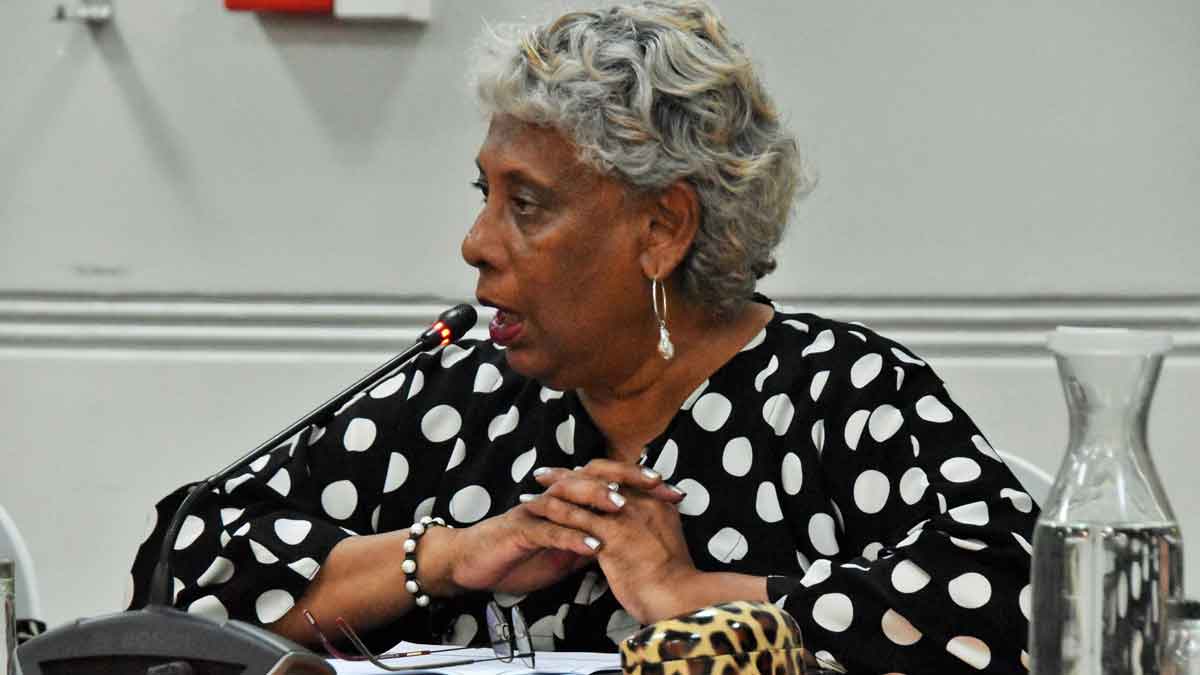
In its submissions, the University of Fiji Vice-Chancellor Professor Shaista Shameem thanked the Ministry of Education and Fiji Law Reform Commission for initiating the review and prioritizing the future education in Fiji.
She says as a significant higher education institution, with campuses in Saweni, Ba and Samabula, and an office in Levuka, the University hopes that its recommendations, reached after a significant period of consultations with its stakeholders, will be helpful to the Ministry as it moves towards enacting a 21st century modern educational service for the development of the nation, especially focused on young people.
UniFiji says the submission aligns Fiji’s international commitments to the right to education as well as to the 2013 Constitution and national development goals.
It says the submission recommends adopting a policy so that no child is excluded or left behind due to a flawed or ineffective system.
They say that all children deserve an education system that empowers, protects, supports and uplifts and is not hampered by system failures or outmoded legislation.
Professor Shameem says the authorities needed to ensure that the Education Ministry was properly resourced to provide a holistic and human values-based education for Fiji’s young people as they were the future of the nation.
In its suggestions to the Ministry and the Fiji Reform Commission, the University says a robust mandate and relevant national curriculum ensures that key learning areas, starting from primary schools, are prescribed and that the curriculum is age-appropriate, inclusive, culturally sensitive and responsive, and have integrated critical thinking, digital literacy, financial literacy, climate education, civic responsibilities and basic legal education.
To prevent truancy, the University says that the Ministry must appoint and empower “Attendance Watch Officers” to actively monitor public spaces during school hours daily to identify school-age children who are not in class without lawful reason and escort them back to school or home.
It says this will also significantly reduce drug and sexual-related offences involving children and young people in Fiji, which is a growing concern.
They add that the Ministry should work closely with schools and legal guardians to ensure the children are closely monitored throughout the hours of school.
The University is also proposing that the Education Act 1966 and the Higher Education Act 2008 be replaced by a single combined overall legislation, the “Education Act”.
They say this overall legislation should cover the entire education system of Fiji from Early Childhood to Tertiary.
It says the Higher Education Commission should be re-designated as a dedicated Department under the Ministry of Education with appropriately qualified and experienced educators at all levels which will ensure that there is proper governance, policy consistency, oversight and legal alignment across all levels of education in Fiji.
On the health, safety and well-being of students, the University suggests that a legal obligation should be placed on schools to provide a safe and supportive learning environment, mental and well-being support (including access to free trained counsellors or psychologists in each school), and an emergency preparedness unit.
It says that it should also be mandated for the provision of free school meals (breakfast and/or lunch) to ensure all children have access to at least one nutritious meal a day.
The University says a mandate should be made for early intervention and catch-up programs to identify and support students at risk, improve performance and reduce drop-out rates through early tailored learning & support programmes.
It says that school inspectors should be re-introduced to review standards for teacher qualifications, registration performance development and evaluation where the Act must clearly outline a clear reporting and decision-making structure to ensure accountability and operational efficiency and to create a more responsive, accountable, adaptive, impactful, effective and transparent education system in Fiji.
The University says a rights-based approach to education should also be in the Act to ensure that children’s best interests and right to education are the heart of the new education system.
They say it should align with constitutional guarantees, international obligations of Fiji and dignity, inclusion and equity as core principles.
For attendance management, the University suggest that the Ministry introduce a framework to actively monitor student absenteeism, with mandatory thresholds (e.g. 5–10 consecutive days or excessive absences) that trigger early intervention, parental engagement, referrals to the Ministry and compulsory school attendance responses.
It says the Act should also empower the Minister to issue guidelines for fair discipline codes to enhance classroom conduct with fewer disruptions and promote a respectful learning environment which is crucial for student success.
They say the Act should implement reasonable disciplinary measures which allow students to learn from mistakes.
The University also suggests that an independent authority be established to evaluate legislative effectiveness- responsible for systematically collecting, analyzing and reporting data on identified key performance indicators such as access, equity, student learning outcomes, absenteeism, infrastructure, teacher effectiveness, retention rates, implementation and impact of prevention and intervention programs, to suggest future reforms, budget planning, resource management and stakeholder accountability.
It says reports should be made publicly available for transparency and public confidence and the proposed standing Education Commission can be the independent authority.
It also suggests that school inspections be carried out annually to ensure compliance with safety, health, infrastructure and requirements of the Act.
The University adds that if breaches are identified, appropriate enforcement action and penalties should be imposed.
The University suggest that inclusive education be incorporated to ensure that every child differently-abled child or one with learning/special needs has access to quality education through mainstreaming or designated special schools, based on the individual’s needs after consultation with parents/legal guardians.
On offences and penalties, the University suggests that the Act should clearly outline and prescribe offences under the Act, including but not limited to, parents or legal guardians’ failure to enrol and ensure attendance, operating unregistered schools, vesting of qualified school management, obstruction of authorized officers, failure to comply with corrective plan (post inspections), failure to comply with requirements for student health, safety and well-being or any other breaches under the Act.
It says to prescribe appropriate penalties, such as fines, prosecution, suspension of licences etc which should be proportionate to the nature and severity of each offence.
UniFiji Vice-Chancellor Professor Shaista Shameem says the University’s comprehensive review of the education sector had identified critical shortcomings and gaps in the current Education Act.
She says this is due to the evolving needs of Fiji’s future including in leadership, educators and society as a whole.
Professor Shameem says the current legislation no longer reflects the realities of our classroom, the rights of our children and the ambitions of our nation and the legislative gaps are not minor- they are systemic and require a transformative reform.
She adds the University’s submissions do not propose merely a legal update but a bold and necessary re-alignment of Fiji’s education system with the needs of every Fijian learner, modern expectations and Fiji’s international obligations.
The Vice-Chancellor says each recommendation, from mandating compulsory education, early intervention models, annual school inspections, and emergency protocols to embedding mental health and wellbeing, nutrition, sanitation, and infrastructure, is aimed at building a system that protects, empowers and supports young people from the age of 5 years to tertiary.
Professor Shameem says it represents a national investment in Fiji’s future to build a resilient, inclusive, future-ready, knowledge-based, adaptive, rights-based, sustainable quality-focused and learner-centred education system.
She adds every child deserves more than access to education, they deserve a system that protects and works for them.

Stay tuned for the latest news on our radio stations