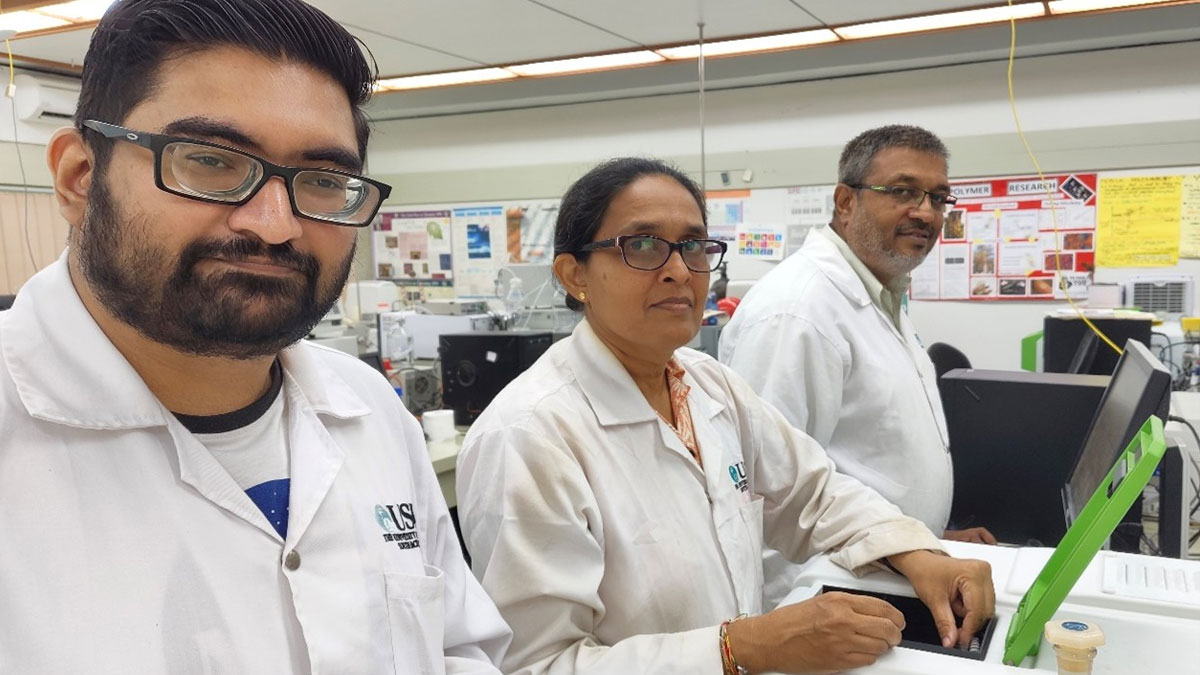
In a major breakthrough for Pacific-led science, researchers at The University of the South Pacific (USP) have developed a new edible and biodegradable food coating made from cassava starch that could revolutionize global food packaging and preservation.
This research was led by University of South Pacific Associate Professor David Rohindra emphasizes that the innovation uses cassava starch blended with agar, glycerol, and clove oil to create a natural coating that extends the shelf life of tropical fruits such as mangoes.
He adds that the coating speeds up dehydration, deters fruit flies from laying eggs, and provides a plastic-free alternative for food protection.
Prof. Rohindra explains that cassava is abundant in the Pacific and has excellent film-forming properties, adding that enhancing it with natural ingredients has created a safe and eco-friendly alternative to plastic.
He highlights that the new technology builds on earlier research by his team, which used cassava coatings to preserve eggs by reducing microbial growth.
The latest study, recently published in Sustainable Food Technology (2025), shows significant promise for fruit preservation.
Prof. Rohindra believes that with demand growing worldwide for green packaging, this cassava-based innovation positions Fiji as a potential exporter of biodegradable food wraps.
He adds that this scientific success could generate jobs, increase exports, and establish Fiji as a global leader in sustainable innovation.
He emphasies that as the world tackles plastic pollution and food waste, Fiji’s cassava solution offers a promising path forward, proving that small island nations can lead big changes.

Stay tuned for the latest news on our radio stations